
As an Amazon Associate, we earn from qualifying purchases. This post contains affiliate links.


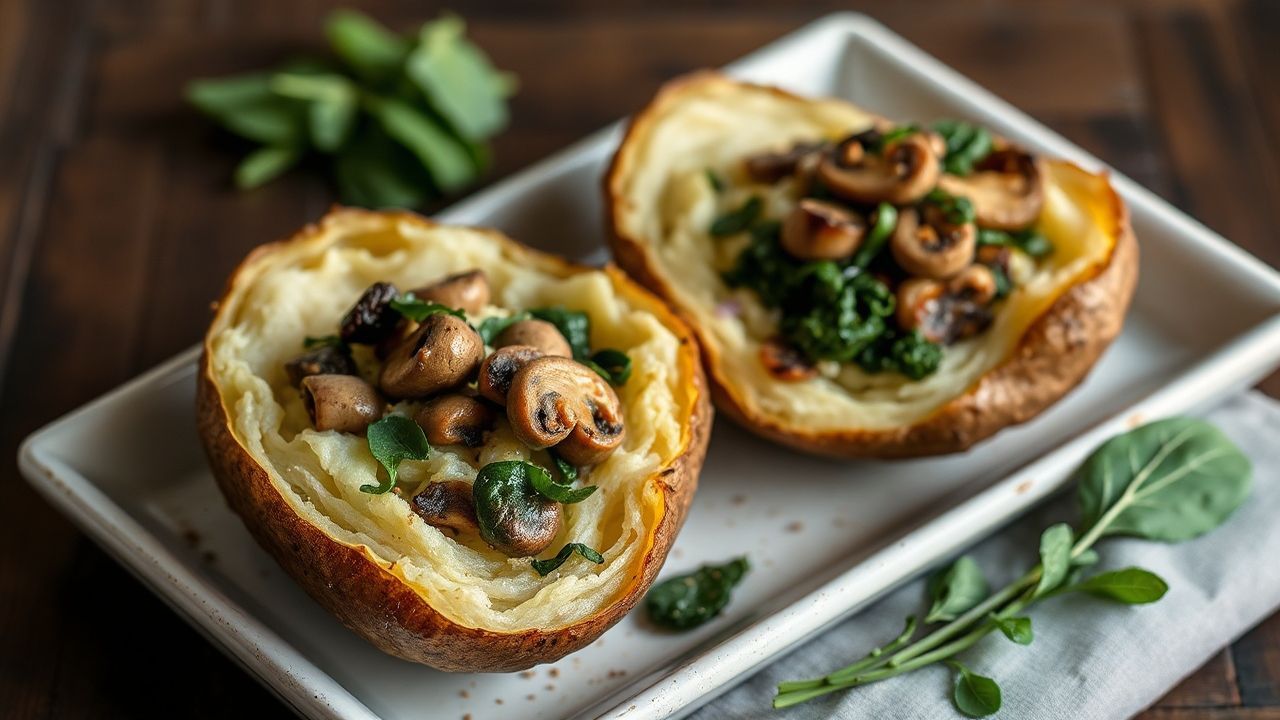
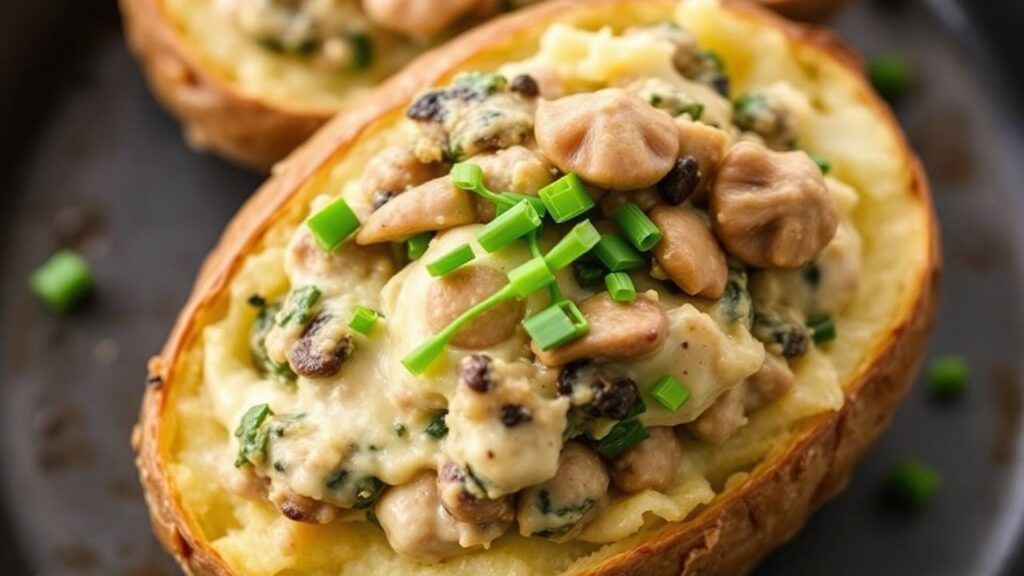
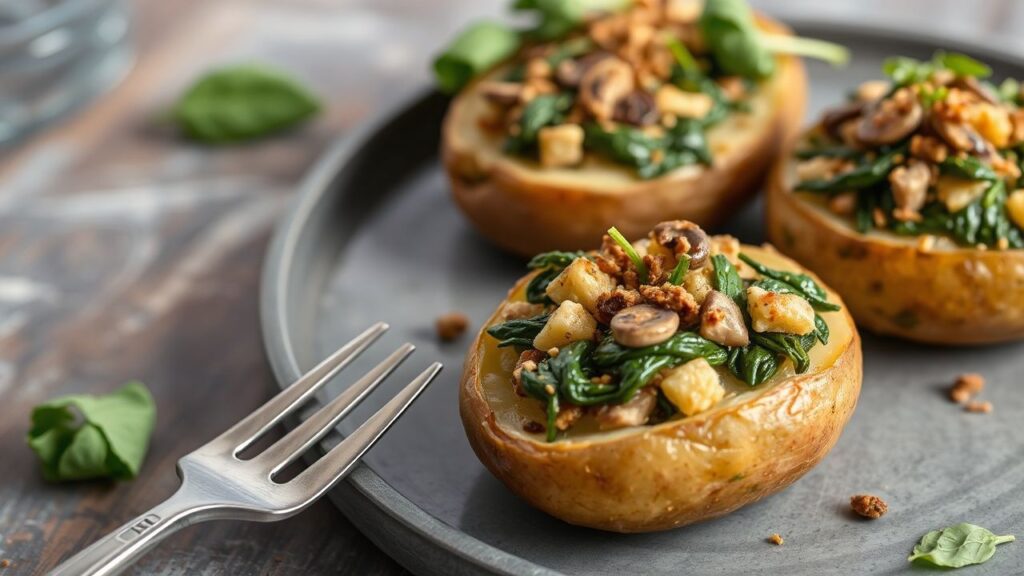
The humble baked potato, a staple of comfort food across continents, often conjures images of simple butter and chives, or perhaps a dollop of sour cream. Yet, within its unassuming golden-brown skin lies a canvas of immense culinary potential, a blank slate eager to embrace sophisticated flavors and textures. A chilly autumn evening in the Loire Valley provided a revelation: a local chef presented a perfectly baked potato, its interior transformed into a rich, earthy duet of wild mushrooms and wilted spinach, bound by a whisper of Gruyère. This dish spoke of the earth, of season, and of an understanding of how to elevate the everyday into the extraordinary, igniting a desire to explore the true depth of what a stuffed baked potato can be, moving beyond mere sustenance to become a truly memorable culinary creation.
- The Art of Selecting and Preparing Your Potatoes
- Ingredients: A Symphony of Earth and Garden
- The Method: A Step-by-Step Culinary Journey
- Preparing the Potatoes: The Foundation of Flavor
- Crafting the Exquisite Filling: A Dance of Aromas
- Assembling and Finishing: The Grand Finale
- Nutritional Information (Per Serving, approximate):
- Elevating the Stuffed Baked Potato: Pro-Tips from the Kitchen
- Cheese Variations: Beyond Gruyère
- Herbaceous Enhancements: Aromatic Nuances
- Texture Play: Crispy Elements and Creamy Contrasts
- Frequently Asked Questions (FAQ)
- Your Burning Questions About Stuffed Potatoes Answered
At a Glance: Mastering the Stuffed Baked Potato
- Ingredient Synergy: The key lies in the thoughtful pairing of earthy mushrooms and nutrient-rich spinach, creating a balanced and deeply flavorful filling.
- Texture Contrast: Achieving a fluffy potato interior against a creamy, yet slightly textured filling is paramount for a satisfying bite.
- Flavor Amplification: Strategic use of aromatics, herbs, and a judicious amount of cheese elevates the natural flavors without overpowering the star – the potato itself.
- Presentation Matters: Even a simple baked potato can be transformed into an elegant dish with careful plating and garnishing.
The success of any stuffed baked potato hinges on the quality of its foundation: the potato itself. Opting for the right variety is not a trivial detail; it’s foundational. Starchy varieties like the Russet (also known as Idaho potatoes) are the undisputed champions for baking. Their high starch content and lower moisture yield a light, fluffy interior that readily absorbs the flavors of the filling and provides a pleasing contrast to the creamy elements. Their skins, when baked to perfection, offer a delightful chewiness, providing a structural integrity that cradles the generous filling. It’s a symbiotic relationship: the potato’s inherent qualities are enhanced by the filling, and the filling is elevated by the potato’s yielding embrace.
The Art of Selecting and Preparing Your Potatoes
Choosing the correct potatoes is paramount. Look for firm, medium-to-large specimens, free from blemishes or soft spots. For this particular preparation, Russet or King Edward potatoes are strongly advocated for their excellent baking properties. The size is also a consideration; aim for potatoes that are substantial enough to hold a generous portion of filling without becoming unwieldy. A potato that is too small will offer a limited surface area for stuffing, while an excessively large one can be overwhelming.
Cultivar Considerations: Beyond the Obvious
While Russets are the go-to, exploring other starchy varieties can yield interesting results. For instance, Maris Piper, a popular British potato, offers a delightful fluffy texture, though it might require slightly longer baking times. The key is to understand the moisture content and starch density of your chosen potato. A waxy potato, like a fingerling or new potato, will remain dense and firm even after baking, making it less ideal for achieving that characteristic airy interior that is so crucial for a truly exceptional stuffed potato. The subtle differences in starch composition across potato varieties are a fascinating, albeit often overlooked, aspect of culinary science, directly impacting the final texture and absorbency of the baked potato.
Ingredients: A Symphony of Earth and Garden
This recipe is designed to be a sophisticated yet approachable rendition of a stuffed baked potato, emphasizing fresh, high-quality ingredients that complement, rather than mask, the inherent flavor of the potato.
For the Potatoes:
- 4 large Russet or King Edward potatoes (approx. 250-300g each)
- 2 tablespoons olive oil
- 1 teaspoon sea salt (for rubbing)
For the Mushroom and Spinach Filling:
- 30 ml (2 tablespoons) unsalted butter
- 15 ml (1 tablespoon) olive oil
- 400g mixed mushrooms (e.g., cremini, shiitake, oyster), thinly sliced
- 2 cloves garlic, minced
- 1 shallot, finely chopped
- 200g fresh spinach, roughly chopped
- 60 ml (1/4 cup) dry white wine (optional, but recommended for depth)
- 120 ml (1/2 cup) heavy cream
- 60g (1/2 cup) grated Gruyère cheese (or a good quality mature cheddar)
- 30g (1/4 cup) grated Parmesan cheese
- 1 teaspoon fresh thyme leaves, chopped
- Salt and freshly ground black pepper, to taste
- Pinch of nutmeg (optional)
For Garnish (Optional but Recommended):
- Fresh chives, finely chopped
- A dollop of crème fraîche or sour cream
The Method: A Step-by-Step Culinary Journey
Executing this recipe with precision will unlock its full potential, transforming simple ingredients into a dish of remarkable depth and satisfaction.
Preparing the Potatoes: The Foundation of Flavor
1. Preheat and Prepare: Preheat your oven to 200°C (400°F). Scrub the potatoes thoroughly under running water, ensuring all soil is removed. Prick each potato several times with a fork to allow steam to escape during baking, preventing them from bursting. This critical step ensures an even cook and a superior texture.
2. Season and Oil: Rub the entire surface of each potato with olive oil, then generously sprinkle with sea salt. The oil helps the skin crisp beautifully, while the salt draws out moisture and seasons the skin from the outside in.
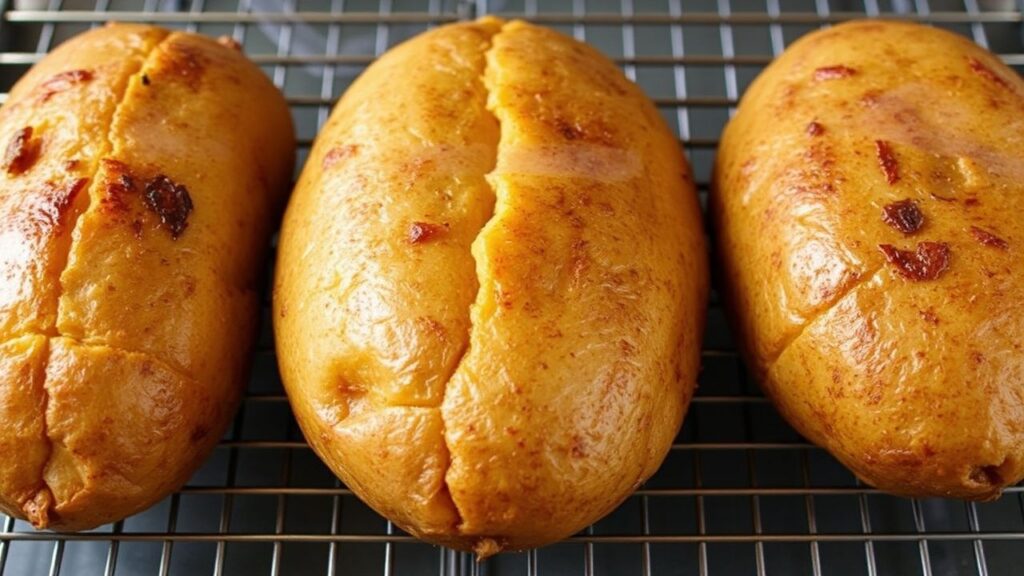
3. Bake to Perfection: Place the potatoes directly on the oven rack or on a baking sheet. Bake for 50-60 minutes, or until the skins are crisp and the flesh is tender when pierced with a fork. The exact time will vary depending on the size of the potatoes.
Crafting the Exquisite Filling: A Dance of Aromas
1. Sauté the Aromatics: While the potatoes are baking, melt the butter and olive oil in a large skillet over medium heat. Add the finely chopped shallot and cook until softened and translucent, about 3-4 minutes. Avoid browning the shallot to prevent a bitter note.
2. Develop Mushroom Depth: Add the minced garlic and cook for another minute until fragrant. Introduce the sliced mushrooms to the skillet. Cook, stirring occasionally, for 8-10 minutes, allowing them to release their moisture and develop a rich, golden-brown color. This browning process is crucial for developing the deep, umami flavor of the mushrooms.
3. Wilt the Spinach: Add the roughly chopped spinach to the skillet. Stir it into the mushrooms and shallots. Cook for 2-3 minutes, or until the spinach is just wilted, retaining some of its vibrant green color and fresh character.
4. Deglaze and Reduce (Optional): If using white wine, pour it into the skillet and scrape up any browned bits from the bottom. Let it simmer and reduce by half, about 2-3 minutes. This adds a layer of complexity and acidity that cuts through the richness of the cream.
5. Enrich with Cream and Cheese: Pour in the heavy cream and bring the mixture to a gentle simmer. Stir in the grated Gruyère and Parmesan cheeses. Continue to stir until the cheeses are melted and the sauce is smooth and slightly thickened.
6. Season and Finish: Stir in the fresh thyme leaves. Season generously with salt and freshly ground black pepper to taste. A small pinch of nutmeg can also enhance the earthy notes of the mushrooms. Remove from heat.
Assembling and Finishing: The Grand Finale
1. Prepare the Potato Interior: Once the potatoes are baked and tender, carefully remove them from the oven. Let them cool for a few minutes until they are manageable to handle. Slice each potato lengthwise, about two-thirds of the way down, creating a hinge.
2. Fluff the Interior: Gently scoop out some of the fluffy potato flesh from the inside of each half, leaving about a 1cm (1/2 inch) border. Be careful not to break the skin. Place the scooped-out potato flesh into a separate bowl.
3. Combine and Stuff: Add the mushroom and spinach filling to the bowl with the scooped-out potato flesh. Mash the potato slightly and mix thoroughly with the filling until well combined. This creates a cohesive and deeply flavored stuffing.
4. Generously Fill: Spoon the mixture back into the hollowed-out potato skins, mounding it slightly.
5. Final Bake and Broil (Optional): For an extra layer of indulgence and a beautifully melted top, return the stuffed potatoes to the oven for another 5-10 minutes at 180°C (350°F), or until heated through. For a golden-brown, slightly crisped topping, briefly place them under a hot broiler for 1-2 minutes, watching very carefully to prevent burning.
Nutritional Information (Per Serving, approximate):
This is a rich and satisfying dish, and as such, its nutritional profile reflects that. Portions can vary significantly based on potato size and the exact quantities of cream and cheese used.
| Nutrient | Amount (approximate) |
|---|---|
| Calories | 550-700 kcal |
| Protein | 15-20 g |
| Fat | 30-45 g |
| Saturated Fat | 15-25 g |
| Carbohydrates | 50-70 g |
| Fiber | 8-12 g |
| Sugars | 5-8 g |
| Sodium | 400-600 mg |
*Note: Nutritional values are estimates and can vary based on specific ingredients and preparation methods.*
Elevating the Stuffed Baked Potato: Pro-Tips from the Kitchen
To truly elevate this dish from comforting to gourmet, consider these expert refinements. These are the subtle touches that separate a good meal from a memorable one.
Cheese Variations: Beyond Gruyère
While Gruyère offers a sublime nutty depth, don’t hesitate to experiment with other cheeses. A sharp, aged cheddar provides a robust tang, while a creamy fontina melts beautifully and adds a luxurious texture. For a touch of piquancy, consider a small amount of crumbled blue cheese, used sparingly, to complement the earthy mushrooms. The interplay of cheese types can dramatically alter the final flavor profile, offering a personalized touch to this classic dish.
Herbaceous Enhancements: Aromatic Nuances
Beyond thyme, other herbs can introduce delightful complexity. Fresh parsley, chopped finely, adds a bright, fresh counterpoint. A whisper of rosemary, used judiciously, can deepen the earthy notes. For a hint of subtle anise, tarragon can be a surprisingly effective addition, particularly when paired with mushrooms. The key is to use fresh herbs, added towards the end of cooking, to preserve their volatile oils and vibrant flavors.
Texture Play: Crispy Elements and Creamy Contrasts
To introduce a delightful textural contrast, consider adding a crisp element. Finely diced, crispy pancetta or bacon, rendered until golden brown and then folded into the filling, provides a salty crunch. Alternatively, a sprinkle of toasted breadcrumbs or panko mixed with a little melted butter and Parmesan, baked on top until golden, offers a delightful crunch reminiscent of a gratin. This interplay between soft, yielding potato, creamy filling, and a crisp topping is what makes a stuffed potato truly exceptional.
The integration of these elements transforms the stuffed baked potato from a simple side dish into a star attraction. It’s about understanding how each component contributes to the overall sensory experience – the aroma, the texture, and the layered flavors. For instance, a chef at a high-end restaurant might serve this with a delicate drizzle of truffle oil, or a side of pickled red onions for a sharp, acidic counterpoint, further demonstrating the versatility of this seemingly humble dish. The humble potato, when treated with respect and culinary insight, can indeed be the star of any table.
Frequently Asked Questions (FAQ)
Your Burning Questions About Stuffed Potatoes Answered
Can I make the filling ahead of time?
Yes, absolutely. The mushroom and spinach filling can be prepared up to 2 days in advance and stored in an airtight container in the refrigerator. When ready to assemble, gently reheat the filling over low heat on the stovetop or in the microwave until warmed through. You may need to add a splash of cream or a tablespoon of butter to restore its consistency if it has become too stiff. This make-ahead strategy significantly streamlines the process, especially for weeknight meals or entertaining.
What are the best potatoes for stuffing?
The ideal potatoes for stuffing are those with a high starch content and a fluffy texture when baked. Russet potatoes are the quintessential choice for this reason, yielding a light and airy interior that readily absorbs flavors. Other excellent options include King Edward, Maris Piper, or any other variety known for its mealy or starchy characteristics. Avoid waxy potatoes like new potatoes or fingerlings, as they tend to remain dense and moist, which is not ideal for achieving the desired fluffy texture in a stuffed potato. The structure of a good baking potato is key to a successful stuffing experience.
How can I make this dish healthier?
To lighten up this stuffed potato recipe, consider several modifications. Substitute the heavy cream with half-and-half or even a lighter milk, though this will result in a less rich filling. Using reduced-fat cheeses or a smaller quantity of cheese will also reduce the fat content. For a plant-based version, omit the dairy and butter, sauté the vegetables in olive oil, and incorporate nutritional yeast for a cheesy flavor. You could also blend silken tofu with a touch of lemon juice and garlic to create a creamy vegan binder. Furthermore, by increasing the vegetable-to-potato ratio and incorporating other nutrient-dense vegetables like bell peppers or kale, you can boost the fiber and vitamin content.
Can I freeze stuffed baked potatoes?
Yes, stuffed baked potatoes can be frozen, although the texture of the potato may change slightly upon thawing. For best results, allow the stuffed potatoes to cool completely after baking. Then, wrap each stuffed potato individually in plastic wrap, followed by a layer of aluminum foil, or place them in freezer-safe containers. Freeze for up to 2-3 months. To reheat, remove the foil and plastic wrap, and bake directly from frozen at around 190°C (375°F) for 45-60 minutes, or until heated through and the skin is crisp again. Alternatively, thaw them in the refrigerator overnight and then reheat as described.
See also: Potatoes