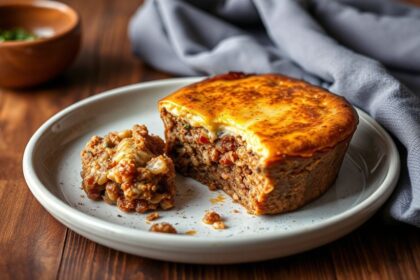

It was a chilly November evening, the kind that settles deep into your bones and whispers of hearth and home. My grandmother, a woman whose kitchen was a sanctuary of warm aromas and even warmer laughter, was preparing meatloaf. Not just any meatloaf, mind you, but *the* meatloaf – a dish that, for me, has always represented the very essence of comfort food. The aroma wafting from her oven was a complex symphony: savory beef, sweet caramelized onions, a hint of tangy tomato. It wasn’t just dinner; it was a culinary embrace. Yet, so often, meatloaf falls short. It can be dry, crumbly, or bland, a pale imitation of its potential. This article is dedicated to unlocking that potential, to transforming a simple ground meat mixture into a masterpiece that honors its heritage while soaring to new heights of flavor and texture. We will dissect the anatomy of a superior meatloaf, exploring the critical components that elevate it from mere sustenance to a truly memorable culinary experience.
- The Anatomy of an Exemplary Meatloaf
- Meat Selection: The Crucial Blend
- The Binding Agents: More Than Just Starch
- The Aromatic Foundation: Building Depth of Flavor
- The Ultimate Meatloaf Recipe: A Symphony of Flavors and Textures
- Nutritional Information (Approximate per Serving, assuming 6 servings):
- Elevating Your Meatloaf: Expert Tips for Restaurant-Quality Results
- The Binder’s Nuance: Beyond Basic Breadcrumbs
- The Glaze: A Balancing Act
- The Cooking Method: A Matter of Preference
- The Importance of Resting: A Non-Negotiable Step
- A Case Study in Meatloaf Mastery
- Frequently Asked Questions about Meatloaf
At a Glance: Keys to Superior Meatloaf
- The Foundation: A judicious blend of meats, balancing richness with texture.
- The Binder: Beyond breadcrumbs – exploring oats, crackers, and thoughtful hydration.
- The Flavor Architects: Mastering the aromatic base and judicious seasoning.
- The Glaze: The transformative power of a perfectly balanced topping.
This pursuit of the perfect meatloaf is not merely about following a recipe; it’s about understanding the science and artistry behind it. It’s about recognizing that the humble meatloaf, a staple in many households, can be a canvas for culinary expression, capable of eliciting the same delight as a perfectly roasted prime rib or a delicately braised osso buco. My own journey, from childhood fascination with my grandmother’s creation to years spent in professional kitchens, has revealed that the secrets lie not in complexity, but in thoughtful execution and an appreciation for quality ingredients.
The Anatomy of an Exemplary Meatloaf
The quest for the ultimate meatloaf begins with a close look into its constituent parts. Each element matter significantly, and understanding their interplay is paramount to achieving a superior result. We’re not just mixing ingredients; we’re building a structure, layer by flavor layer.
Meat Selection: The Crucial Blend
The choice of meat is arguably the most critical decision in crafting an exceptional meatloaf. While many recipes opt for a single type of ground meat, a more sophisticated approach involves a blend, carefully chosen to optimize both flavor and texture. A common and effective combination involves ground beef, providing that essential savory depth and richness. However, relying solely on 80/20 beef can sometimes lead to a greasy outcome.
To counter this, the inclusion of ground pork is highly recommended. Pork adds a delightful tenderness and a subtle sweetness that complements the beef beautifully. Its higher fat content, when managed correctly, contributes to a moist and succulent final product. For an even more nuanced flavor profile, consider adding a smaller proportion of ground veal. Veal offers a delicate, mild flavor and contributes to a wonderfully tender crumb, preventing the meatloaf from becoming too dense.
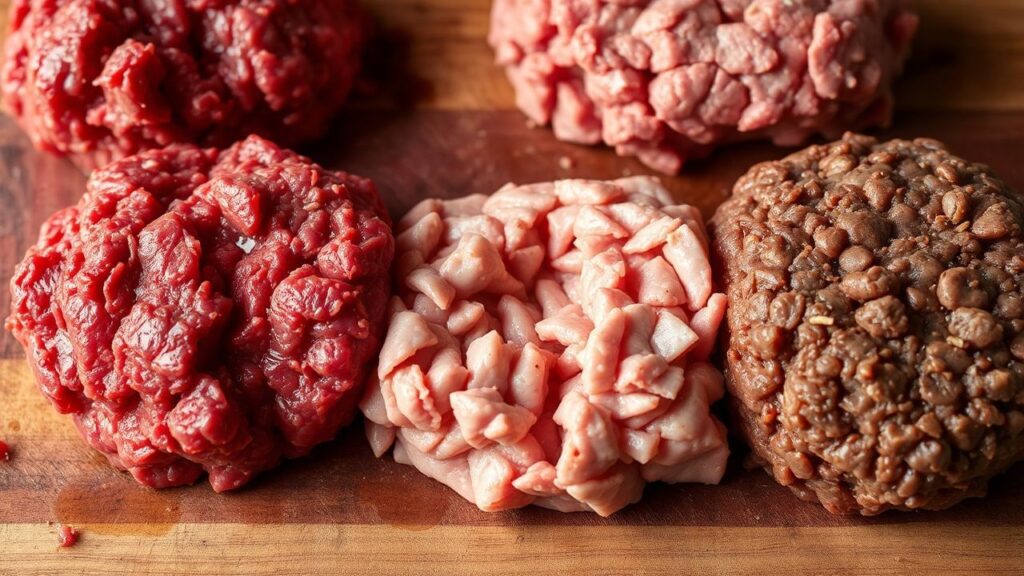
The fat content is also a critical consideration. While lean meats are often touted for health benefits, in the context of meatloaf, they are the enemy of moisture and flavor. A blend that hovers around 85% lean / 15% fat for the beef and pork components is generally ideal. This fat renders during cooking, basting the meatloaf from within and ensuring a tender, juicy result.
The Binding Agents: More Than Just Starch
The role of a binder is to hold the meatloaf together, preventing it from crumbling apart during cooking and slicing. While simple breadcrumbs are a common choice, their efficacy can be enhanced through thoughtful selection and preparation. Panko breadcrumbs, with their airy, flaky texture, absorb moisture without becoming gummy, contributing to a lighter crumb. However, they can sometimes be too dry on their own.
A more robust and flavorful option is to use stale bread, torn into pieces and pulsed into coarse crumbs. This imparts a more complex flavor and a slightly chewier texture. Soaking the bread or breadcrumbs in milk or broth before incorporating them into the meat mixture is a crucial step. This rehydrates the starch, allowing it to swell and bind more effectively, while also infusing the meatloaf with additional moisture and flavor. This technique, known as a “panade” in classical French cuisine, is a cornerstone of creating tender, cohesive forcemeats.
Beyond bread, consider alternatives like finely crushed saltine crackers or even rolled oats. Oats, particularly old-fashioned rolled oats (not instant), absorb liquid beautifully and contribute a subtle nutty flavor and a pleasingly dense yet tender texture. The key is to ensure the binder is well-integrated but not overworked, which can lead to a tough meatloaf.
The Aromatic Foundation: Building Depth of Flavor
A bland meatloaf is a culinary tragedy. The foundation of its flavor lies in its aromatic base, typically comprising finely diced onions, celery, and carrots – the classic mirepoix, though often just onions and perhaps a touch of garlic are used. However, the preparation of these aromatics is where true mastery begins.
Simply dicing and adding them raw to the mix will result in a somewhat disjointed flavor and potentially pockets of raw onion. A far superior method is to sauté these vegetables gently in a bit of butter or olive oil until they are softened and translucent, and the onions have begun to caramelize. This process intensifies their sweetness, mellows their pungency, and melds their flavors harmoniously. The resulting mixture, often referred to as a “soffritto” or “mirepoix” depending on the ingredients, forms the flavor backbone of the entire dish.
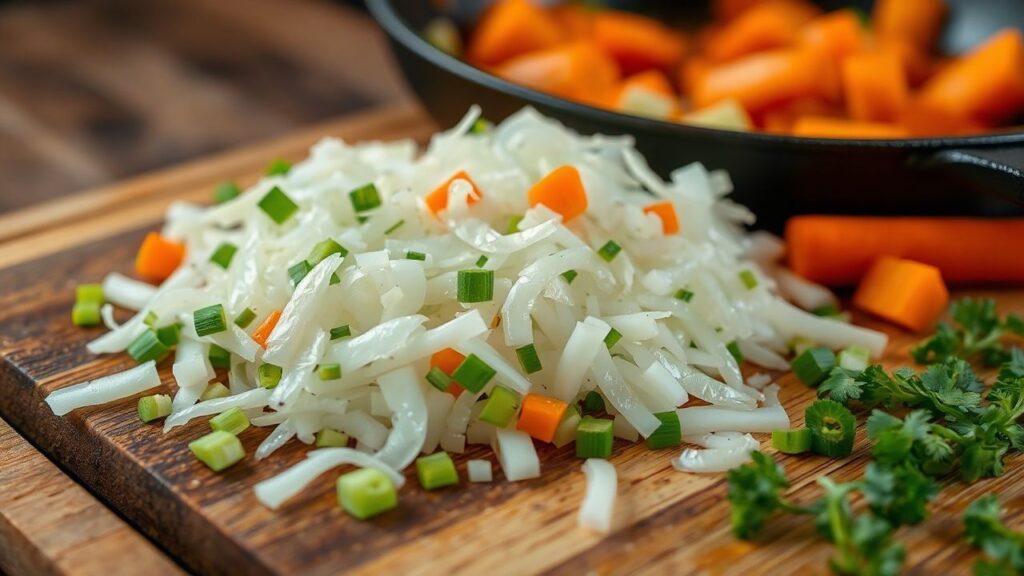
Garlic, minced and added towards the end of the sautéing process to prevent burning, adds another layer of aromatic complexity. Some chefs also advocate for finely chopped bell peppers (red or green) for a subtle sweetness and color. The goal is to create a finely textured, deeply flavorful base that integrates seamlessly into the meat.
The Ultimate Meatloaf Recipe: A Symphony of Flavors and Textures
This recipe is designed to deliver a meatloaf that is moist, tender, and bursting with flavor, proof of the power of thoughtful ingredient selection and preparation. It balances classic comfort with a refined culinary touch.
Ingredients:
- 1 lb (450g) Ground Beef (85% lean / 15% fat)
- 1 lb (450g) Ground Pork (ensure a good fat content, around 70/30 or 80/20)
- ½ lb (225g) Ground Veal (optional, for extra tenderness)
- 1 large Yellow Onion, finely diced (about 1.5 cups)
- 2 stalks Celery, finely diced (about 1 cup)
- 2 cloves Garlic, minced
- 2 tablespoons Olive Oil or Unsalted Butter
- 2 large Eggs, lightly beaten
- 1 cup Milk (whole milk recommended)
- 1 ½ cups Panko Breadcrumbs or stale bread torn into coarse crumbs
- ¼ cup Fresh Parsley, finely chopped
- 1 tablespoon Worcestershire Sauce
- 1 teaspoon Dijon Mustard
- ½ teaspoon Dried Thyme (or 1 teaspoon fresh)
- Salt and freshly ground Black Pepper to taste (start with 1.5 tsp salt and 1 tsp pepper and adjust)
For the Glaze:
- ½ cup Ketchup
- 2 tablespoons Brown Sugar (light or dark)
- 1 tablespoon Apple Cider Vinegar
- 1 teaspoon Worcestershire Sauce
- Pinch of Cayenne Pepper (optional, for a subtle kick)
Preparation Method:
1. Prepare the Aromatic Base: Heat the olive oil or butter in a large skillet over medium heat. Add the finely diced onion and celery. Sauté, stirring occasionally, for about 8-10 minutes, until softened and the onions are translucent and just beginning to caramelize. Add the minced garlic and cook for another minute until fragrant, being careful not to burn it. Remove from heat and let cool slightly.
2. Create the Panade: In a medium bowl, combine the milk and breadcrumbs (or stale bread crumbs). Let sit for 5-10 minutes, allowing the breadcrumbs to absorb the liquid. This creates a moist, cohesive binder.
3. Combine the Ingredients: In a very large mixing bowl, gently combine the ground beef, ground pork, and ground veal (if using). Add the cooled sautéed vegetables, the soaked breadcrumb mixture, beaten eggs, chopped parsley, Worcestershire sauce, Dijon mustard, and thyme. Season generously with salt and freshly ground black pepper.
- Chef’s Note: The key here is gentle mixing. Overworking the meat will develop the proteins, leading to a tough and dense meatloaf. Use your hands (or a sturdy spoon) and mix just until all ingredients are evenly distributed. Avoid vigorous kneading.
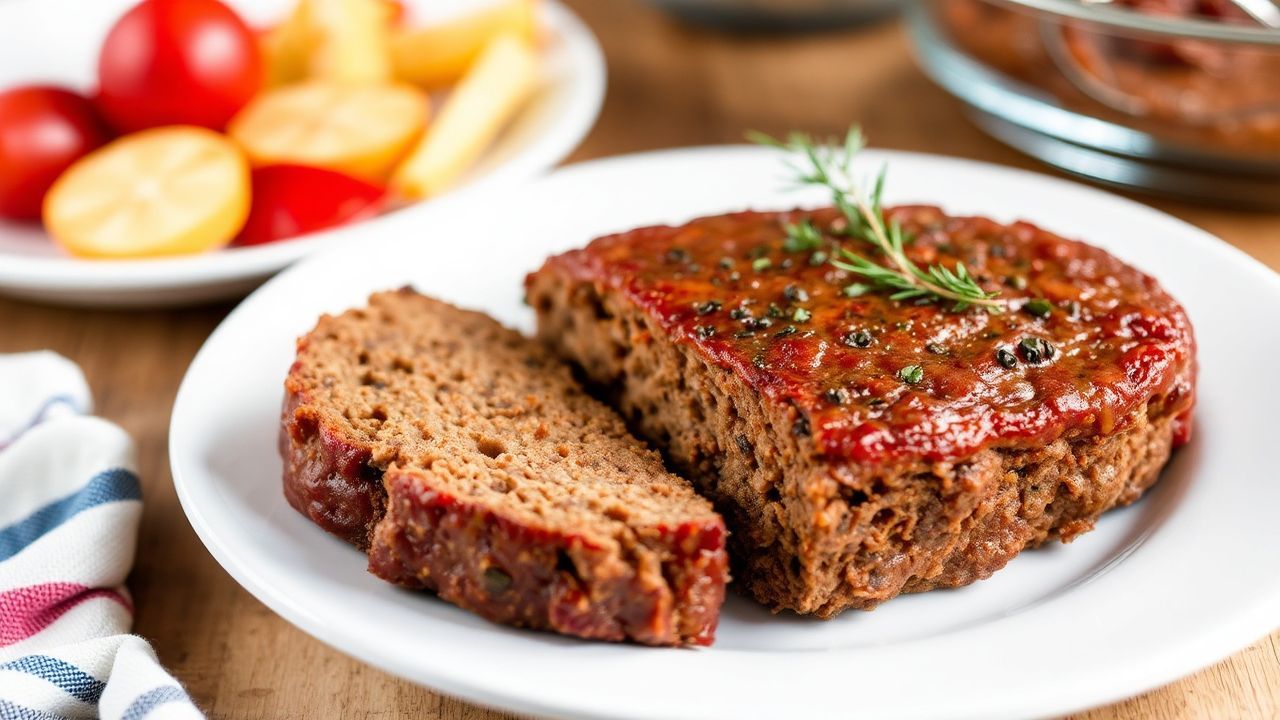
4. Form the Meatloaf: Lightly grease a baking sheet or line it with parchment paper. Gently shape the meat mixture into a loaf, about 9×5 inches (23×13 cm) and approximately 2-3 inches (5-7.5 cm) high. You can also form it into a freeform loaf directly on the prepared baking sheet.
5. Prepare the Glaze: In a small bowl, whisk together all the glaze ingredients until well combined.
6. Bake the Meatloaf: Preheat your oven to 375°F (190°C). Place the formed meatloaf on the baking sheet. Spread about half of the glaze evenly over the top of the meatloaf.
7. Cooking Time and Glazing: Bake for 45 minutes. After 45 minutes, carefully remove the meatloaf from the oven and spread the remaining glaze over the top. Return to the oven and continue baking for another 15-20 minutes, or until the internal temperature reaches 160°F (71°C) on an instant-read thermometer. The glaze should be slightly caramelized.
- Expert Insight: For an even more controlled cooking environment and to prevent the bottom from overcooking or sticking, consider baking the meatloaf in a loaf pan. However, a freeform loaf on a baking sheet often allows for better caramelization of the exterior.
8. Rest and Serve: Once baked, remove the meatloaf from the oven and let it rest for at least 10-15 minutes before slicing. This resting period is crucial for allowing the juices to redistribute throughout the meat, ensuring a moist and tender slice.
Nutritional Information (Approximate per Serving, assuming 6 servings):
- Calories: 450-550 kcal
- Protein: 30-40g
- Fat: 30-40g (Saturated Fat: 10-15g)
- Carbohydrates: 15-20g (Sugars: 8-12g)
- Sodium: 600-800mg (will vary greatly based on added salt and Worcestershire sauce)
*Disclaimer: Nutritional values are estimates and can vary based on specific ingredients and portion sizes.*
Elevating Your Meatloaf: Expert Tips for Restaurant-Quality Results
Achieving a truly exceptional meatloaf goes beyond the basic recipe. It involves understanding nuanced techniques and ingredient choices that can elevate this comfort food classic to gourmet status.
The Binder’s Nuance: Beyond Basic Breadcrumbs
While we’ve discussed the importance of binders, We examine. For a richer, more complex flavor, consider using day-old brioche or challah bread soaked in milk. Their eggy, buttery nature adds a luxurious depth. Another excellent option is to incorporate crushed saltine crackers for a subtle saltiness and a tender crumb.
For those seeking a gluten-free alternative, finely ground almond flour or oat flour can be used, though they will alter the texture slightly. The key is to experiment and find what resonates with your palate.
The Glaze: A Balancing Act
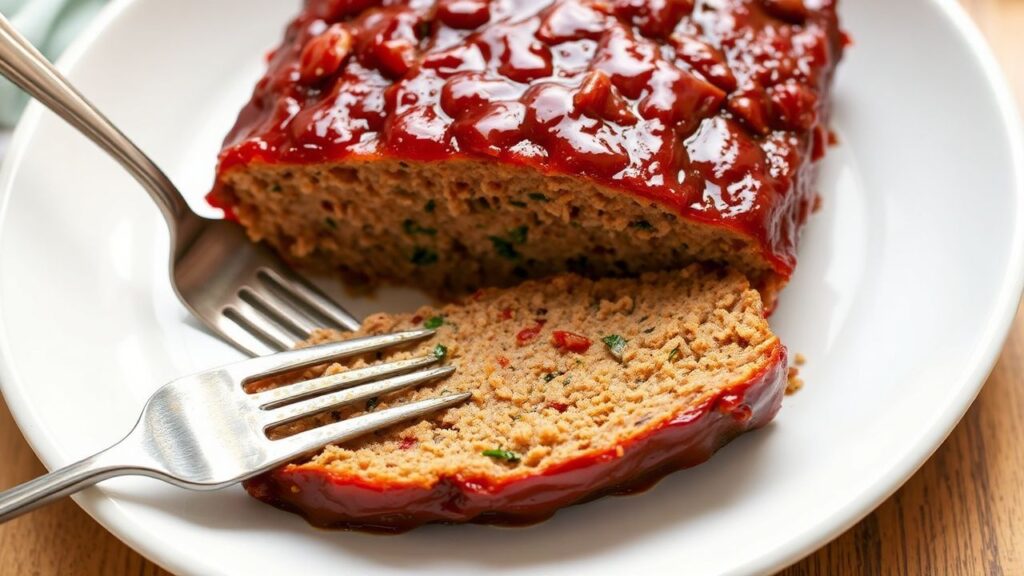
The glaze is the crowning glory of any meatloaf, providing a sweet and tangy counterpoint to the savory meat. While ketchup-based glazes are classic, consider variations. A mix of BBQ sauce and a touch of honey offers a smoky sweetness. For a more sophisticated profile, try a glaze made with balsamic vinegar, fig jam, and a hint of rosemary. The goal is a glaze that caramelizes beautifully without burning.
The Cooking Method: A Matter of Preference
While baking on a sheet pan is common, a loaf pan can offer a more uniform shape and consistent cooking. However, it can also lead to a slightly denser exterior. To mitigate this, you can insert a heatproof rack into the loaf pan and place the meatloaf on top, allowing air to circulate and promote more even browning. Another technique involves starting the meatloaf in a hot oven for the first 20-30 minutes to achieve a good sear, then reducing the temperature to finish cooking. This is akin to the searing and braising method used for roasts.
The Importance of Resting: A Non-Negotiable Step
This cannot be stressed enough: resting your meatloaf is critical. When meat cooks, its muscle fibers contract, pushing out moisture. As it rests, these fibers relax, allowing the juices to be reabsorbed. Slicing too soon is like squeezing a sponge – all the delicious moisture escapes onto the cutting board. A minimum of 10-15 minutes is essential, and 20 minutes is even better if you can manage the patience.
A Case Study in Meatloaf Mastery
Consider the iconic “Mother’s Meatloaf” served at a renowned diner in New England. Their secret, whispered by former kitchen staff, wasn’t exotic ingredients, but a meticulous adherence to the fundamentals: a precise 2:1:1 ratio of beef, pork, and veal; a soffritto that was sautéed until deeply caramelized; and a soaking of stale Italian bread in milk to create an exceptionally tender panade. The glaze, a simple ketchup, brown sugar, and a splash of Worcestershire, was applied with a light hand and allowed to caramelize perfectly. The result was a meatloaf so tender it could be cut with a fork, proof of the power of mastering the basics.
In contrast, a common pitfall is the “too much binder” scenario. I once encountered a meatloaf at a casual eatery that was dry and crumbly, tasting predominantly of breadcrumbs. Upon investigation, it was revealed they were using a pre-made, often pre-seasoned breadcrumb mix and a disproportionately large quantity to “stretch” the meat. This approach sacrifices flavor and texture for cost-effectiveness, a trade-off that ultimately diminishes the dish’s appeal. This highlights the importance of precise ratios and quality ingredients.
Frequently Asked Questions about Meatloaf
How do I prevent my meatloaf from drying out?
The primary culprits for a dry meatloaf are lean meat, overcooking, and insufficient binder. Ensure you’re using a blend of meats with adequate fat content (around 15% is ideal). Don’t overmix the ingredients, as this develops the proteins and can lead to toughness. Most importantly, don’t overcook it. Use an instant-read thermometer to ensure it reaches an internal temperature of 160°F (71°C), and no higher. Resting the meatloaf after cooking is also crucial for retaining moisture.
Can I make meatloaf ahead of time?
Yes, meatloaf can be made ahead of time, which can even improve its flavor as the ingredients meld together. Prepare the meatloaf mixture, form it, and refrigerate it uncooked for up to 24 hours. When ready to cook, apply the glaze and bake as usual, potentially adding a few extra minutes to the cooking time to account for the cold starting temperature. You can also bake it completely, let it cool, and then refrigerate. Reheat gently in the oven or microwave.
What are some common mistakes to avoid when making meatloaf?
Overmixing the meat is a cardinal sin, leading to a dense, tough texture. Using only very lean meats will result in a dry, flavorless loaf. Forgetting to rest the meatloaf after cooking means losing precious moisture. Not seasoning adequately is another common error; remember that meatloaf is a substantial dish that requires robust seasoning. Finally, applying the glaze too early in the cooking process can cause it to burn before the meatloaf is fully cooked.
The journey to the perfect meatloaf is one of continuous refinement, a blend of respecting tradition and embracing innovation. By understanding the fundamental principles of meat selection, binding, aromatics, and careful cooking, you can transform this humble dish into a culinary triumph. It’s a dish that speaks of home, of shared meals, and of the enduring power of simple, well-executed food.
See also: Meatloaf