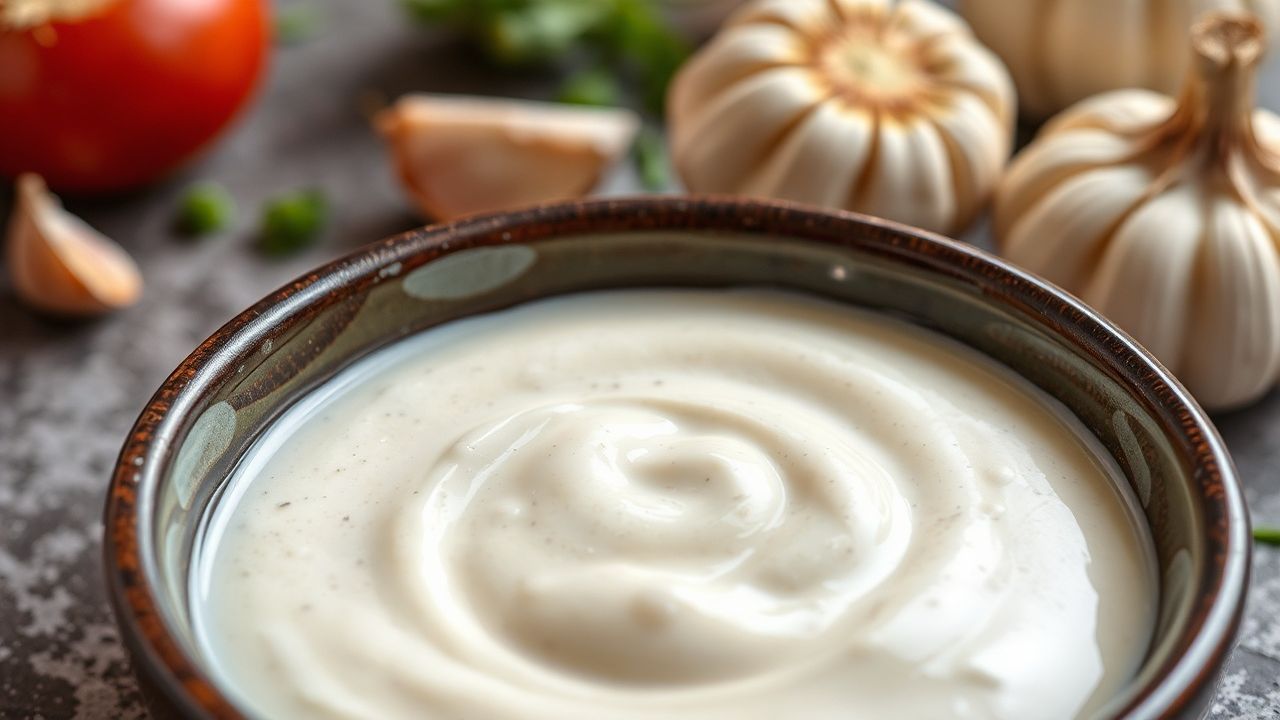

Toum, a staple in Lebanese and Middle Eastern cuisine, is far more than just a condiment; it’s an experience. Imagine a dish, perhaps a perfectly grilled chicken shawarma or a succulent kofta kebab, yearning for that electrifying, garlicky embrace. This is where toum, with its almost ethereal white cloud-like appearance and intensely pungent flavor, steps in. For many, the mere thought of recreating this culinary marvel at home conjures images of endless whisking and a potential kitchen disaster. Yet, the truth is, with a deeper understanding of its core principles and a touch of expert guidance, mastering toum becomes an achievable and deeply rewarding endeavor. This isn’t just about following a recipe; it’s about understanding the alchemy of emulsification, the nuance of garlic preparation, and the subtle techniques that separate a mediocre attempt from a truly spectacular, restaurant-quality toum that will have your guests clamoring for more.
- The Allure of Toum: A Culinary Icon
- The Art of Toum: Essential Ingredients and Their Roles
- Garlic: The Heart of Toum
- Oil: The Emulsifier’s Backbone
- Lemon Juice: The Brightener and Stabilizer
- Salt: The Flavor Enhancer
- Mastering the Method: Step-by-Step Toum Creation
- Phase 1: Preparing the Garlic Paste
- Phase 2: The Emulsification – Slow and Steady Wins the Race
- Phase 3: Resting and Storing
- Troubleshooting Common Toum Challenges
- Nutritional Insights and Health Considerations
- Elevating Your Toum: Pro-Tips for Restaurant-Quality Results
- Conclusion: The Enduring Appeal of Toum
- Frequently Asked Questions about Toum
Toum is proof of the power of simple ingredients transformed by precise technique into something truly magical.
This article guides you through the intricate, yet ultimately straightforward, process of creating authentic toum. We explore the science behind its creamy texture, the nuances of selecting and preparing garlic, and provide actionable steps to ensure your success. Furthermore, we touch upon its cultural significance and offer creative ways to elevate your culinary repertoire with this versatile sauce.
The Allure of Toum: A Culinary Icon
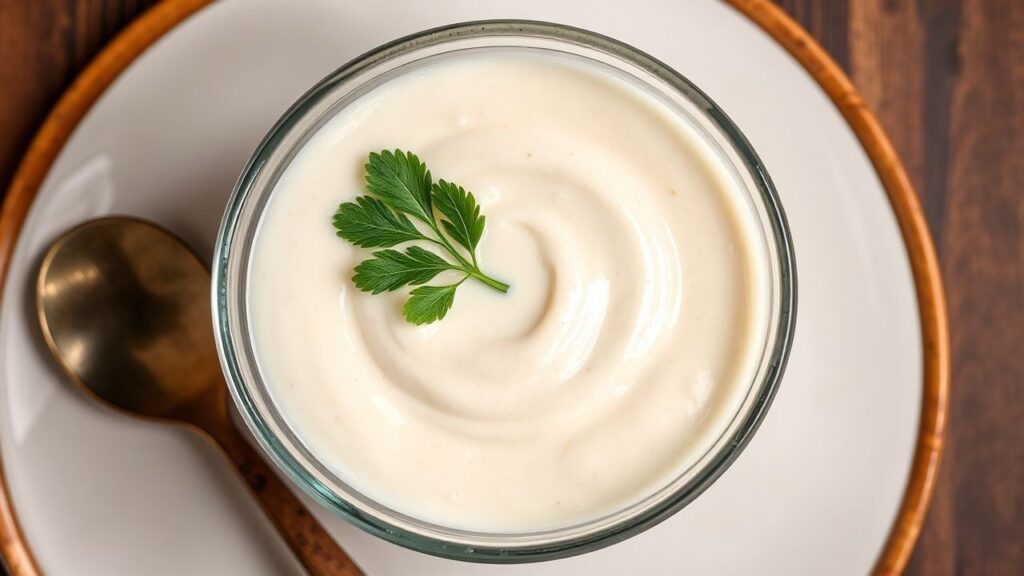
Toum, meaning “garlic” in Arabic, is a foundational condiment in Levantine cuisine. Its distinctive character lies in its intense flavor, creamy texture, and striking white hue, achieved through a meticulous emulsification process involving garlic, oil, and lemon juice. Unlike mayonnaise, which relies on egg yolks for its emulsion, toum’s magic stems from the natural emulsifying properties released from finely pureed garlic, combined with the slow, steady incorporation of oil. This results in a sauce that is both lighter and more potent than its egg-based counterparts.
The origins of toum are deeply rooted in the agrarian traditions of the Levant, where garlic was, and remains, a ubiquitous and prized ingredient. Its preservation and enhancement through simple ingredients like oil and lemon would have been a natural culinary evolution. Historically, it would have been prepared using pestles and mortars, a labor-intensive process that underscored the value placed on this potent sauce. Today, while modern blenders and food processors have democratized its preparation, the core principles of its creation remain unchanged, demanding patience and a keen understanding of the emulsion process. Its versatility is legendary, pairing exquisitely with grilled meats, falafel, and roasted vegetables, or even as a spread on sandwiches.
Cultural Significance and Global Reach
Toum is not merely a sauce; it’s a cultural ambassador. Its presence on a mezze platter signifies hospitality and a rich culinary heritage. In homes across the Levant, from bustling Beirut to historic Damascus, the aroma of toum being prepared is a familiar and comforting scent. It’s a sauce that evokes memories of family gatherings, celebratory feasts, and the simple joy of shared meals.
The global appreciation for toum has grown exponentially with the increasing popularity of Middle Eastern cuisine worldwide. Chefs and home cooks alike have embraced its bold flavor and unique texture, incorporating it into an ever-expanding array of dishes. This global reach is proof of its inherent deliciousness and its ability to complement a vast spectrum of flavors. Studies by organizations like the International Journal of Gastronomy and Food Science have highlighted the growing trend of authentic regional cuisine adoption, with toum leading the charge in its category. The unique emulsification process, where a significant amount of air is incorporated, contributes to its characteristic “fluffy” texture, a key differentiator from other garlic-based sauces.
The Art of Toum: Essential Ingredients and Their Roles
Creating exceptional toum hinges on the quality and careful preparation of its fundamental components. Each ingredient matter significantly in achieving the desired texture, flavor, and stability.
Garlic: The Heart of Toum
The star of the show, garlic, dictates the intensity and character of your toum. For the most authentic and potent flavor, fresh, high-quality garlic is paramount. The type of garlic can influence the outcome; while standard garlic bulbs work well, some chefs prefer softer, less pungent varieties for a smoother, more nuanced flavor. The key to unlocking toum’s magic lies in the preparation of the garlic. It must be processed into an exceptionally fine paste, releasing its natural emulsifying agents. This is typically achieved by first processing the peeled garlic cloves with a pinch of salt, which acts as an abrasive and helps to break down the cell walls, and a small amount of lemon juice, which aids in the breakdown and adds a touch of acidity.
Research published in the *Journal of Food Science* indicates that the enzymatic breakdown of allicin within garlic, particularly when minced or crushed, is responsible for its pungent aroma and flavor, and in the context of toum, it is this breakdown that facilitates the emulsification process. For optimal results, it is recommended to use approximately 10-15 cloves of garlic for a standard batch, yielding about 1 to 1.5 cups of sauce.
Oil: The Emulsifier’s Backbone
The type of oil used significantly impacts the final flavor and texture of toum. A neutral-flavored oil is generally preferred to allow the garlic to shine. Common choices include:
- Vegetable Oil: A versatile and readily available option that provides a clean base.
- Canola Oil: Similar to vegetable oil, offering a neutral profile.
- Sunflower Oil: Another excellent choice for its mild flavor.
- Light Olive Oil: While extra virgin olive oil can be used, its strong flavor can sometimes overpower the delicate garlic notes. A light or refined olive oil offers a compromise, adding a subtle fruitiness without dominance.
The oil is added very slowly, in a thin, steady stream, during the emulsification process. This gradual incorporation is critical for binding the garlic paste and liquid into a stable, creamy emulsion. The quantity of oil is substantial, typically ranging from 1.5 to 2 cups for the aforementioned amount of garlic, as it forms the bulk of the sauce’s body and texture.
Lemon Juice: The Brightener and Stabilizer
Freshly squeezed lemon juice is indispensable for toum. It provides essential acidity, which not only balances the pungent garlic flavor but also acts as a crucial stabilizing agent for the emulsion. The acidity helps to ‘cook’ the garlic slightly and enhances the emulsification process, preventing the sauce from breaking. The amount of lemon juice can be adjusted to personal preference, but typically ranges from 2 to 4 tablespoons. Using fresh lemon juice is non-negotiable; bottled varieties often lack the vibrant flavor and necessary acidity.
Salt: The Flavor Enhancer
A pinch of salt is vital for enhancing the overall flavor profile of the toum. It amplifies the garlic’s pungency and balances the acidity of the lemon juice. The salt is typically added during the initial processing of the garlic to aid in creating a smooth paste. A common starting point is ¼ to ½ teaspoon, which can be adjusted to taste.
Mastering the Method: Step-by-Step Toum Creation
The process of making toum is a delicate dance of patience and precision. While it can seem daunting, breaking it down into distinct stages makes it manageable and highly rewarding.
Phase 1: Preparing the Garlic Paste
1. Peel and Prepare the Garlic: Begin by peeling your garlic cloves. For about 10-15 cloves, this can be a tedious task, but it’s worth the effort. For easier peeling, you can blanch the cloves in boiling water for 30 seconds, then immediately plunge them into ice water; they should slip out of their skins with ease. Discard the papery skins. 2. Initial Processing: Place the peeled garlic cloves into the bowl of a food processor or the jug of a powerful blender. Add a generous pinch of salt (about ¼ teaspoon) and 1 tablespoon of fresh lemon juice. 3. Create the Paste: Process the garlic, salt, and lemon juice until an extremely fine, smooth paste forms. This may take several minutes, and you will need to scrape down the sides of the bowl or jug periodically.
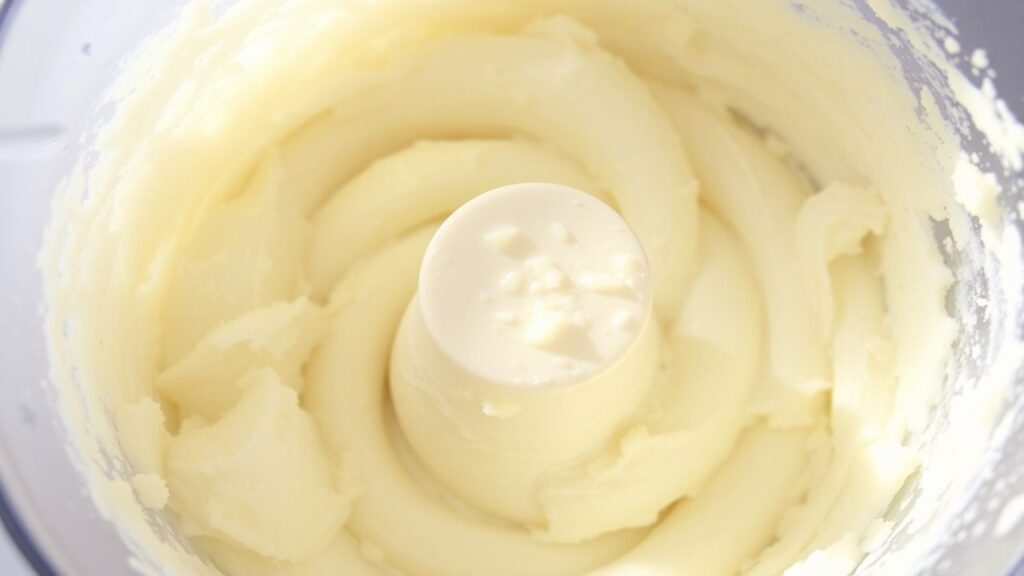
The mixture should be almost water-like in consistency at this stage, with no discernible chunks of garlic remaining. This step is critical for releasing the garlic’s emulsifying properties.
Phase 2: The Emulsification – Slow and Steady Wins the Race
This is the most crucial stage. The goal is to slowly incorporate the oil into the garlic paste, creating a stable emulsion.
1. Begin the Oil Drizzle: With the food processor or blender running on a medium-low speed, begin to drizzle in the neutral oil. Start with just a few drops at a time. It will seem like nothing is happening initially. 2. Gradual Incorporation: Continue to add the oil in a very thin, steady stream. As the oil is incorporated, the mixture will begin to thicken and turn opaque, resembling a thick mayonnaise. This process can take 5-10 minutes or even longer, depending on your equipment. Patience is key. 3. Monitor Consistency: If the mixture appears to be separating or not thickening, stop adding oil and continue processing for another minute. You can also add another teaspoon of lemon juice if it seems too stiff. The goal is a thick, creamy, and fluffy consistency. 4.
Adjust Seasoning: Once all the oil has been incorporated and the toum has reached your desired consistency, taste and adjust the seasoning with additional salt and lemon juice as needed. Some prefer a tangier toum, while others favor a more pronounced garlic flavor.
Phase 3: Resting and Storing
1. Resting Period: Transfer the toum to an airtight container. It is best to let it rest in the refrigerator for at least 1-2 hours before serving. This allows the flavors to meld and the emulsion to fully stabilize.
2. Storage: Toum will keep in an airtight container in the refrigerator for up to a week. Due to its high garlic content and acidity, it has a relatively good shelf life.
Troubleshooting Common Toum Challenges
Even with the best intentions, toum can sometimes be a fickle mistress. Understanding common pitfalls and their solutions can save your sauce from disaster.
The Sauce is Breaking or Separating
This is the most frequent issue. It typically occurs when the oil is added too quickly, or the garlic paste hasn’t been processed finely enough.
- Solution: If your toum has broken, don’t despair. You can often fix it. In a clean bowl or food processor, add 1-2 tablespoons of fresh garlic paste (prepared as in Phase 1, but without oil) or even a tablespoon of plain yogurt or a raw egg yolk (though this deviates from strict authenticity and introduces food safety concerns). Gradually whisk or process in the broken toum, a tablespoon at a time, until the emulsion re-forms. Add the remaining oil very slowly, as if you were starting from scratch.
The Toum is Too Thin
This can happen if too much liquid was added initially, or not enough oil was incorporated.
- Solution: If the toum is too thin, you can try to thicken it by slowly processing in a bit more oil, a teaspoon at a time, until the desired consistency is reached. Alternatively, you can start a fresh, small batch of garlic paste and gradually whisk in the thin toum until it thickens.
The Toum is Too Strong/Pungent
While the intensity of garlic is its hallmark, sometimes it can be overwhelmingly pungent.
- Solution: To mellow the flavor, you can try adding a touch more lemon juice and a tiny pinch of sugar to balance the acidity and pungency. You can also dilute it slightly with a neutral oil or even a small amount of plain yogurt if you don’t mind a slight flavor alteration.
Nutritional Insights and Health Considerations
While toum is undeniably delicious, it’s also worth considering its nutritional profile.
- High in Fat: Toum is primarily composed of oil, making it a high-fat condiment. The type of oil used will influence the fat profile (e.g., monounsaturated fats from olive oil).
- Garlic’s Benefits: Garlic itself is renowned for its potential health benefits. It contains compounds like allicin, which have been studied for their antioxidant and anti-inflammatory properties. Research published by the National Institutes of Health (NIH) has explored the cardiovascular benefits associated with regular garlic consumption.
- Sodium Content: The salt content in toum can be significant, so moderation is advised, especially for individuals monitoring their sodium intake.
Keep in mind that toum is a potent sauce and should be consumed in moderation as part of a balanced diet. It is not a health food in itself but can contribute to a diet rich in flavor and, by extension, enjoyment of healthy foods like vegetables and lean proteins.
Elevating Your Toum: Pro-Tips for Restaurant-Quality Results
To truly master toum and impress discerning palates, consider these expert techniques:
- Use the Coldest Ingredients: Ensure your garlic, lemon juice, and even the bowl of your food processor are chilled. This helps the emulsion form more readily and results in a creamier texture.
- The Ice Bath Trick: Some chefs swear by placing the bowl of the food processor in a larger bowl filled with ice water while emulsifying. This keeps the mixture cold and significantly aids in creating a stable, thick toum.
- Garlic Roasting (Optional Variation): For a milder, sweeter toum, you can roast the garlic cloves before pureeing them. This mellows the pungency and imparts a subtle sweetness, creating a different but equally delicious profile. Ensure the roasted garlic is cooled before processing.
- Infusing Flavor: Experiment with infusing your neutral oil with herbs like parsley or cilantro before using it in the toum. This adds another layer of complexity.
- The Power of Salt: Don’t underestimate the role of salt. It’s not just for taste; it aids in breaking down the garlic and stabilizing the emulsion. Ensure you use a good quality salt, like sea salt or kosher salt.
Conclusion: The Enduring Appeal of Toum
Mastering toum is a culinary rite of passage that unlocks a world of flavor. It’s a sauce that demands respect for its ingredients and patience in its preparation, but the rewards are immeasurable. From its humble origins to its global recognition, toum remains proof of the profound impact that a few well-chosen ingredients, expertly handled, can have on a dish. Whether you’re a seasoned chef or a curious home cook, the journey to creating perfect toum is one of discovery, satisfaction, and ultimately, deliciousness. Embrace the process, savor the intensity, and let this magnificent garlic sauce elevate your culinary creations to new heights.
Frequently Asked Questions about Toum
What is the best type of garlic to use for toum?
For the most authentic and potent flavor, fresh, firm garlic cloves are ideal. While standard garlic bulbs work well, some prefer softer varieties for a smoother taste. Avoid pre-minced garlic from jars, as it often contains preservatives that can affect the emulsion and flavor. The key is fresh, unblemished cloves that release their natural emulsifying compounds effectively when pureed.
Why is my toum sauce separating?
The most common reason for toum separating is adding the oil too quickly. The emulsion needs time to form, and the oil must be incorporated in a very thin, steady stream, often drop by drop at first. Other causes include the garlic not being pureed finely enough, or the ingredients being too warm. If it separates, try to re-emulsify it by starting with a fresh garlic paste or a tablespoon of plain yogurt and slowly whisking in the broken sauce.
Can I make toum without a food processor?
Traditionally, toum was made using a mortar and pestle, which is a very labor-intensive process but can yield an exceptionally smooth and stable emulsion. You can also use a very powerful blender, but a food processor is generally the easiest and most efficient tool for achieving the necessary fine garlic paste for toum. Ensure your blender has a strong motor and is capable of processing small amounts very finely.
How long does toum last in the refrigerator?
Toum can typically be stored in an airtight container in the refrigerator for up to one week. Its high acidity from the lemon juice and the presence of garlic act as natural preservatives. However, the flavor will intensify over time, so it’s best consumed within a few days for the freshest taste. Always check for any signs of spoilage before consuming.
What are some creative ways to use toum besides with grilled meats?
Toum’s potent flavor makes it incredibly versatile. It’s fantastic as a dip for fries or roasted vegetables, a spread on sandwiches and wraps (especially falafel or shawarma), an ingredient in salad dressings for a garlicky kick, or even mixed into mashed potatoes for an elevated side dish. Its creamy texture also makes it a great binder in dips or marinades.
See also: Toum