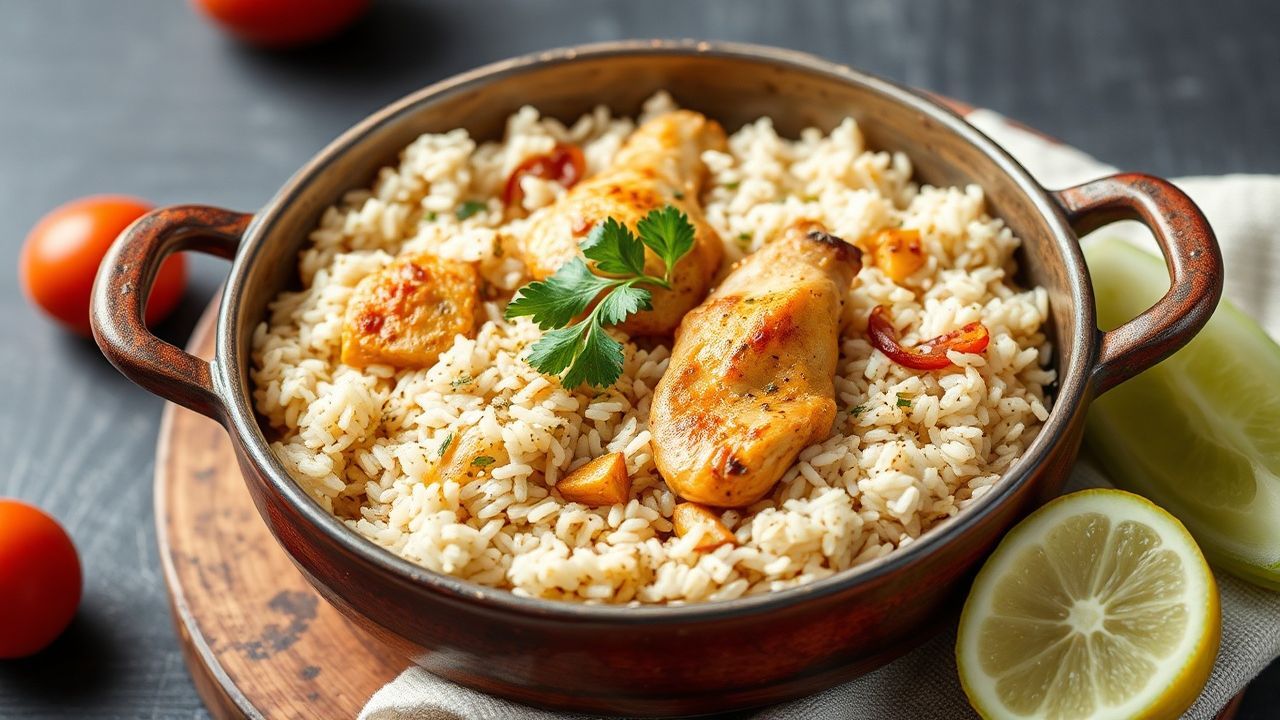

“The greatest flavors are often born from simplicity, but simplicity does not mean a lack of depth.” This sentiment finds its most delicious manifestation in the humble yet profoundly satisfying realm of one-pot meals. For those who appreciate elegance with minimal fuss but maximum flavor, the Middle Eastern chicken and rice one-pot stands as proof of culinary genius—a symphony of spices, tender chicken, and perfectly cooked rice harmonizing in a single vessel.
- The Enduring Appeal of Middle Eastern Chicken and Rice One-Pot
- Mastering the Flavor Profile: The Spice Symphony
- The Essential Ingredients for Your One-Pot Masterpiece
- Chicken: The Star Protein
- Rice: The Flavor Sponge
- Aromatics & Vegetables: The Flavor Base
- Spices: The Soul of the Dish
- Liquids: The Cooking Medium
- Garnishes: The Finishing Touches
- The Technique: A Step-by-Step Guide to One-Pot Perfection
- Step 1: Searing the Chicken (Optional but Recommended)
- Step 2: Building the Aromatic Base
- Step 3: Blooming the Spices and Tomato Paste
- Step 4: Incorporating the Rice and Liquid
- Step 5: Assembling and Simmering
- Step 6: Resting and Garnishing
- Nutritional Insights: A Wholesome Meal
- Expert Pro-Tips for Elevating Your One-Pot Dish
- Variations and Customizations: Making it Your Own
- The Cultural Significance of One-Pot Cooking in the Middle East
- Frequently Asked Questions
- Is it possible to use boneless, skinless chicken breast in this recipe?
- What is the best type of rice to use for a Middle Eastern chicken and rice one-pot?
- Can I make this dish ahead of time?
- What are some common mistakes to avoid when making a one-pot chicken and rice dish?
- How can I make the rice extra fluffy?
The beauty of a well-executed one-pot meal lies not just in its convenience, but in its ability to allow flavors to meld and deepen, creating a complex tapestry that would be difficult to achieve through separate cooking methods.
This dish, with its roots deeply embedded in the rich culinary traditions of the Middle East, offers a comforting and aromatic experience that appeals universally. It resonates with palates across cultures, thanks to its balanced use of spices and universally loved ingredients. It’s a dish that speaks of hospitality, shared meals, and the enduring power of simple, honest cooking—transforming basic ingredients into something extraordinary through culinary alchemy within a single pot.
The Enduring Appeal of Middle Eastern Chicken and Rice One-Pot
The concept of a single-pot meal is ancient, a practical necessity born from resourcefulness. However, the Middle Eastern iteration of chicken and rice elevates this utilitarian approach to an art form. Passed down through generations, each family adds subtle nuances and cherished spice blends. The magic lies in the simultaneous cooking of chicken and rice, allowing the juices from the protein to infuse the grains, while aromatics and spices permeate every tender morsel of chicken. This creates unparalleled depth of flavor and a delightful textural contrast between succulent chicken and fluffy rice.
The cultural significance of this dish cannot be overstated. In many Middle Eastern households, a communal meal centered around a large pot of chicken and rice is a cornerstone of family gatherings and celebrations, embodying generosity and togetherness. The aroma alone evokes warmth and nostalgia, a powerful sensory experience connecting us to heritage and shared memories. As noted by the International Association of Culinary Professionals, dishes offering cultural heritage and sensory pleasure often achieve significant culinary longevity and broad appeal.
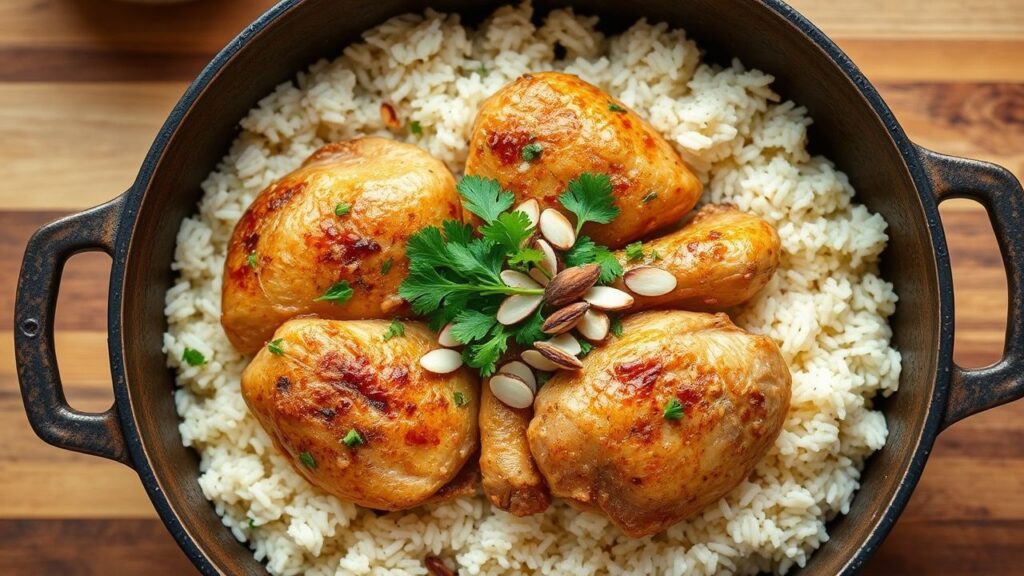
Mastering the Flavor Profile: The Spice Symphony
The soul of any Middle Eastern chicken and rice dish lies in its spice blend. While recipes vary, a core set of aromatics and spices consistently forms the foundation, acting as building blocks of flavor to create a harmonious and complex profile. The interplay of earthy, sweet, and slightly pungent notes truly sets this dish apart.
The foundation typically begins with aromatics like onions, garlic, and often ginger, sautéed to release their pungent sweetness. This is layered with ground spices: cumin for a warm, earthy base; coriander for a citrusy, floral dimension; turmeric for vibrant color and peppery warmth; and paprika for sweetness and color. For intricate flavor, a pinch of cinnamon or cardamom introduces subtle, exotic sweetness, and a hint of chili flakes provides gentle warmth.
Research published in the *Journal of Agricultural and Food Chemistry* highlights how the synergistic action of various spices can enhance flavor and contribute to desirable volatile compounds during cooking, leading to richer aroma and taste. The precise ratio and combination of these spices often differentiate family recipes, creating a unique fingerprint for each iteration of this classic dish.
The secret to an exceptional Middle Eastern chicken and rice one-pot is not in the complexity of the technique, but in the thoughtful layering of its aromatic foundation.
The Essential Ingredients for Your One-Pot Masterpiece
To achieve that authentic, deeply satisfying flavor, ingredient quality and selection are paramount. This dish rewards careful sourcing and precise measurements.
Chicken: The Star Protein
- Bone-in, skin-on chicken pieces: Thighs and drumsticks are ideal. The bone adds flavor and moisture, while the skin renders fat, imparting richness and crispness. Aim for about 1.5 kg (3.3 lbs).
- Boneless, skinless chicken breasts: For a leaner option, cut into large, uniform chunks to prevent overcooking. Use about 1 kg (2.2 lbs).
Rice: The Flavor Sponge
- Long-grain rice: Basmati or Jasmine rice are excellent choices. Their fragrance and ability to absorb liquid without becoming mushy are crucial. Rinse the rice thoroughly under cold water until the water runs clear. Use 2 cups (approximately 400g).
Aromatics & Vegetables: The Flavor Base
- Yellow Onion: One large, finely chopped.
- Garlic: 4-6 cloves, minced.
- Ginger: 1-inch piece, grated or minced (optional, but highly recommended).
Spices: The Soul of the Dish
- Ground Cumin: 2 teaspoons.
- Ground Coriander: 1.5 teaspoons.
- Turmeric Powder: 1 teaspoon.
- Paprika (sweet or smoked): 1 teaspoon.
- Cinnamon: ¼ teaspoon (optional).
- Cardamom: ¼ teaspoon (optional).
- Salt: To taste, start with 1.5 teaspoons.
- Black Pepper: ½ teaspoon, freshly ground.
- Red Pepper Flakes: ¼ teaspoon (or to taste).
Liquids: The Cooking Medium
- Chicken Broth: 3 cups (approximately 700ml). Use high-quality, low-sodium broth.
- Tomato Paste: 2 tablespoons. Adds depth and a touch of acidity.
Garnishes: The Finishing Touches
- Fresh Parsley: ½ cup, chopped.
- Toasted Slivered Almonds or Pine Nuts: ¼ cup.
- Lemon Wedges: For serving.
The Technique: A Step-by-Step Guide to One-Pot Perfection
The beauty of the one-pot method lies in its inherent simplicity, but attention to detail at each stage ensures a superior outcome.
Step 1: Searing the Chicken (Optional but Recommended)
- If using bone-in, skin-on chicken, pat it thoroughly dry with paper towels for a good sear. Season generously with salt and pepper.
- Heat 2 tablespoons of olive oil or ghee in a large, heavy-bottomed pot or Dutch oven over medium-high heat.
- Sear chicken pieces, skin-side down first, until deeply golden brown and slightly crispy. Do this in batches if necessary to avoid overcrowding. Remove and set aside. This builds a foundational flavor layer.
Step 2: Building the Aromatic Base
- Reduce heat to medium. Pour off excess fat from searing, leaving about 2 tablespoons.
- Add the chopped onion and sauté until softened and translucent, about 5-7 minutes.
- Add minced garlic and grated ginger (if using) and cook for another minute until fragrant. Avoid burning the garlic.
Step 3: Blooming the Spices and Tomato Paste
- Stir in the tomato paste and cook for 1-2 minutes, stirring constantly, until it darkens slightly. This caramelizes the paste and deepens its flavor.
- Add all ground spices (cumin, coriander, turmeric, paprika, cinnamon, cardamom, red pepper flakes). Stir and cook for about 30-60 seconds until fragrant. This “blooming” intensifies the spices’ aroma and flavor.
Step 4: Incorporating the Rice and Liquid
- Add the rinsed and drained long-grain rice. Stir well to coat the rice grains with the spice mixture.
- Pour in the chicken broth and add the remaining salt and pepper. Stir everything together, scraping up any browned bits from the pot’s bottom.
Step 5: Assembling and Simmering
- Nestle the seared chicken pieces (or boneless chunks) back into the pot, ensuring they are mostly submerged. If using bone-in pieces, arrange them skin-side up.
- Bring the liquid to a gentle boil, then immediately reduce heat to low.
- Cover the pot tightly. If the lid isn’t a tight fit, use parchment paper or foil under the lid for a better seal.
- Simmer for 20-25 minutes for boneless chicken, or 30-35 minutes for bone-in chicken, or until rice is tender and liquid is absorbed. Resist lifting the lid, as it releases steam.
Step 6: Resting and Garnishing
- Once cooked, remove the pot from heat and let it rest, covered, for 10 minutes. This allows the rice to finish steaming and become fluffy.
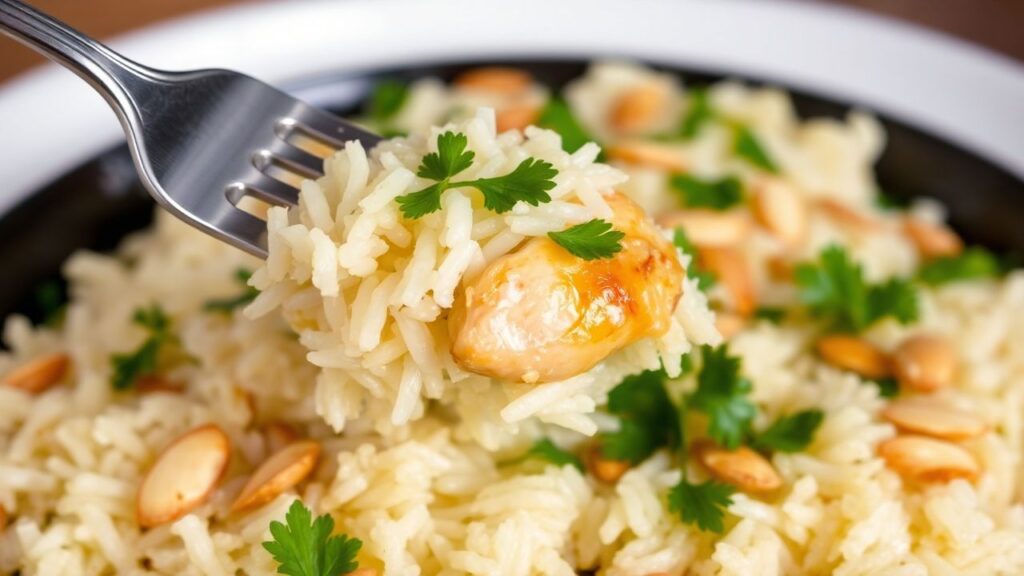
- Fluff the rice gently with a fork. Serve directly from the pot or remove chicken pieces for easier serving.
- Garnish generously with fresh parsley and toasted slivered almonds or pine nuts. Serve hot with lemon wedges.
Nutritional Insights: A Wholesome Meal
A well-prepared Middle Eastern chicken and rice one-pot is a nutritionally balanced meal, providing lean protein, complex carbohydrates, and essential vitamins and minerals.
Approximate Nutritional Information Per Serving (based on 6 servings, using bone-in thighs):
- Calories: 450-550 kcal
- Protein: 30-40g
- Fat: 15-25g (depending on skin-on chicken and fat used)
- Carbohydrates: 40-50g
- Fiber: 3-5g
- Sodium: Varies based on broth and added salt.
The use of whole grains like basmati rice contributes to dietary fiber intake, essential for digestive health and satiety. Lean protein from chicken supports muscle repair and growth. Spices like turmeric have been studied for anti-inflammatory properties, though their impact in typical culinary quantities is modest. For a healthier rendition, opt for boneless, skinless chicken breast and low-sodium chicken broth.
According to the Harvard T.H. Chan School of Public Health, incorporating whole grains and lean proteins into daily meals is a cornerstone of a healthy diet, contributing to reduced risk of chronic diseases. This one-pot meal aligns well with such dietary recommendations when prepared mindfully.
Expert Pro-Tips for Elevating Your One-Pot Dish
To transform your home-cooked one-pot meal into something truly restaurant-worthy, consider these expert insights.
One common pitfall in one-pot rice dishes is unevenly cooked or mushy rice, often stemming from an incorrect liquid-to-rice ratio or too much jostling of the pot. The resting period after cooking is non-negotiable; it allows residual steam to evenly distribute moisture, ensuring each grain is perfectly cooked and separate.
Variations and Customizations: Making it Your Own
While the classic Middle Eastern chicken and rice one-pot is exquisite as is, it also serves as a magnificent canvas for creative variations.
Vegetable Additions
- Peas and Carrots: Stir in a cup of frozen peas and diced carrots during the last 10-15 minutes of simmering.
- Bell Peppers: Diced bell peppers (any color) can be sautéed with the onions.
- Spinach: Wilt in a few handfuls of fresh spinach during the final 5 minutes of cooking.
Spice Adjustments
- Spicier Version: Increase red pepper flakes, or add a finely chopped jalapeño or a pinch of cayenne pepper to the aromatic base.
- More Aromatic: Add a few whole cardamom pods or a small piece of star anise to the pot during simmering (remove before serving).
Regional Twists
- Levantine Style: Incorporate sumac and a squeeze of lemon juice at the end for a tangy finish.
- Persian Influence: Add a touch of saffron, dissolved in a tablespoon of warm water, during the last 10 minutes of cooking.
The Cultural Significance of One-Pot Cooking in the Middle East
The concept of a single-pot meal, or “yakhni” in some Persian culinary traditions, is deeply ingrained in Middle Eastern cuisine, representing not just practicality but also a philosophy of shared abundance. In bustling souks and humble homes, the aroma of a simmering pot signifies warmth, hospitality, and a celebration of life’s simple pleasures. This communal cooking style fosters togetherness as families and friends gather around a single vessel.
A study published in the *Journal of Ethnic Foods* on Middle Eastern culinary traditions emphasizes how one-pot dishes often reflect regional agricultural practices and the availability of local ingredients, while showcasing the region’s rich history of spice trade and culinary exchange. This makes each one-pot meal a delicious narrative of history and culture.
Frequently Asked Questions
Is it possible to use boneless, skinless chicken breast in this recipe?
Yes. If using boneless, skinless chicken breast, cut it into large, uniform chunks (about 1.5-2 inches). Add them during Step 5 and reduce simmering time to approximately 20-25 minutes to prevent overcooking. Ensure they are fully cooked through.
What is the best type of rice to use for a Middle Eastern chicken and rice one-pot?
Long-grain rice varieties like Basmati or Jasmine are ideal. They are fragrant and remain fluffy and separate after cooking, absorbing flavorful broth without becoming sticky or mushy. Always rinse your rice thoroughly before adding it.
Can I make this dish ahead of time?
While best enjoyed fresh, it can be prepared a day in advance. Store in an airtight container in the refrigerator. Reheat gently on the stovetop over low heat with a splash of water or broth. Add garnishes just before serving.
What are some common mistakes to avoid when making a one-pot chicken and rice dish?
Key mistakes include overcrowding the pot, lifting the lid too frequently during simmering, not rinsing the rice, and using low-quality broth. Ensuring a tight-fitting lid and allowing for a resting period are crucial for success.
How can I make the rice extra fluffy?
Rinse rice thoroughly under cold water until clear to remove excess starch. Use the correct liquid-to-rice ratio. Avoid stirring rice once simmering. Finally, allow the dish to rest, covered, off the heat for at least 10 minutes after cooking.
See also: One-pot