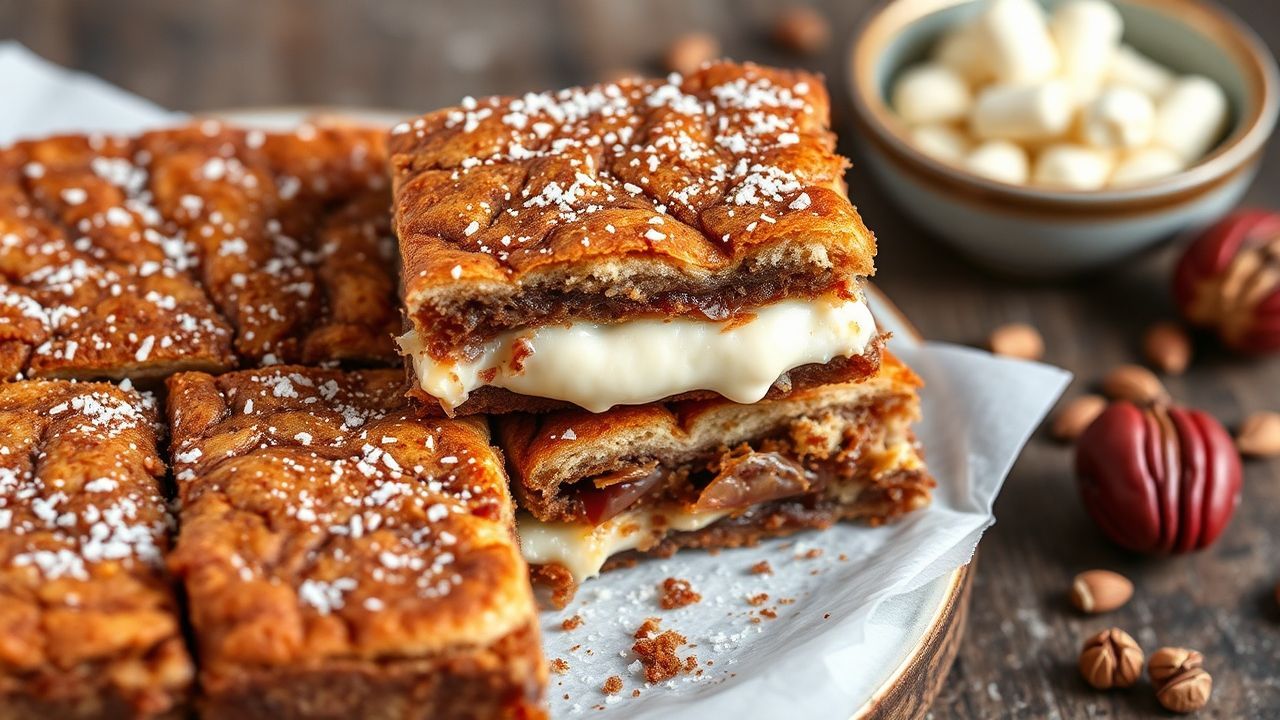

The aroma of blooming jasmine and roasting nuts often fills the air during gatherings in the Middle East, a sensory prelude to the sweet symphony that follows. Among the pantheon of beloved desserts, kunafa, with its delicate layers of shredded phyllo or semolina embracing a creamy cheese filling and drenched in rosewater syrup, holds a place of reverence. It’s a dish that speaks of hospitality, celebration, and a deep-seated culinary heritage. Yet, what happens when this iconic pastry meets the decadent, fudgy embrace of an American-style brownie? The result is nothing short of a revelation: Kunafa Brownies. This isn’t merely a mashup; it’s a harmonious marriage of textures and flavors, proof of how culinary traditions can evolve and surprise us. I recall the first time I encountered this fusion – a humble offering at a small café that had dared to be different.
- The Genesis of Kunafa Brownies: A Culinary Crossroads
- Essential Components: The Building Blocks of Perfection
- The Essential 7-Step Recipe for Kunafa Brownies
- Nutritional Insights: A Matter of Moderation
- Expert Tips for Elevating Your Kunafa Brownies
- Mastering the Cheese Layer
- The Perfect Kataifi Crispness
- Syrup Application Technique
- Cooling is Crucial
- Flavor Enhancements
- A Global Delight: Sharing Kunafa Brownies
- Frequently Asked Questions
The initial skepticism melted away with the first bite, replaced by a profound appreciation for the ingenious blend of familiar comforts and exotic allure. It’s a dessert that bridges continents and generations, offering a taste of the familiar with an unexpected, delightful twist.
Kunafa Brownies represent a masterful culinary dialogue between East and West, proving that tradition can be both respected and innovatively reimagined to create something utterly new and delightful.
This guide will lead you through the creation of truly exceptional Kunafa Brownies, ensuring a delightful balance of crisp, creamy, and fudgy elements. We will explore the critical components, from selecting the perfect cheese to achieving the ideal brownie consistency, and offer expert insights to elevate your creation from good to unforgettable.
The Genesis of Kunafa Brownies: A Culinary Crossroads
The concept of merging disparate culinary traditions is as old as civilization itself. When we speak of Kunafa Brownies, we are witnessing a modern manifestation of this enduring human tendency to experiment and innovate. Kunafa, with its roots stretching back centuries in the Levant and beyond, is a dessert that embodies comfort and festivity. Its textural interplay – the crisp, golden phyllo or semolina exterior against a molten, gooey cheese interior, all bathed in a fragrant sugar syrup – is its defining characteristic. Brownies, on the other hand, are a relatively newer invention, an American classic celebrated for their rich, dense, fudgy texture and intense chocolate flavor.
The intersection of these two distinct desserts isn’t arbitrary. It likely emerged from a desire to infuse the beloved, familiar comfort of brownies with the exotic, sophisticated flavors and textures of Middle Eastern sweets. This fusion taps into a growing global palate that appreciates both the comforting familiarity of Western desserts and the intriguing, complex profiles of Eastern cuisine. A 2022 report by the International Dairy Foods Association indicated a significant rise in consumer interest in globally inspired flavors, with fusion desserts showing particularly strong growth. This trend underscores the appeal of dishes like Kunafa Brownies, which offer a unique sensory experience by combining elements that are both recognizable and novel. The magic lies in the unexpected synergy, where the earthy bitterness of chocolate complements the sweet tang of the cheese, and the chewy brownie base provides a grounding counterpoint to the ethereal crispness of the kunafa topping.
Essential Components: The Building Blocks of Perfection
Crafting superior Kunafa Brownies requires a thoughtful approach to each individual component. It’s not simply a matter of layering; it’s about understanding how each element contributes to the final symphony of flavors and textures.
The Brownie Base: A Foundation of Decadence
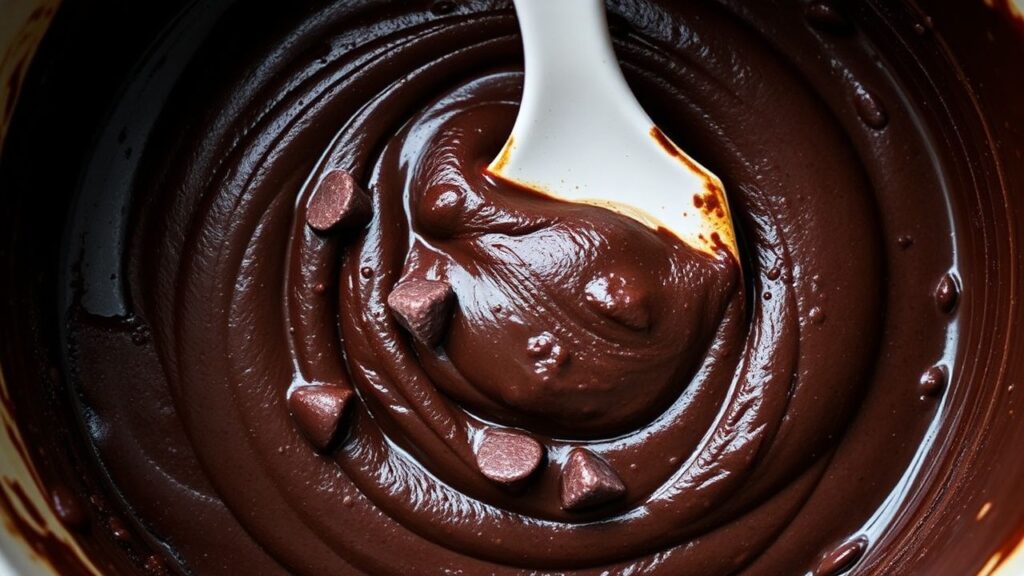
The brownie itself is the bedrock of this creation. For Kunafa Brownies, a rich, fudgy brownie is paramount, rather than a cakey one. This means a higher ratio of fat (butter and chocolate) to flour, and a focus on achieving that desirable gooey center.
- Chocolate: A high-quality semi-sweet or dark chocolate (60-70% cocoa solids) is essential. Using a blend of melted chocolate and cocoa powder will yield the deepest flavor.
- Butter: Unsalted butter provides richness and helps achieve the characteristic fudgy texture.
- Sugar: A combination of granulated sugar and brown sugar contributes to both sweetness and moisture, as well as that desirable chewy crust.
- Eggs: Eggs bind the ingredients and contribute to the fudgy texture. Over-beating the eggs can introduce too much air, leading to a cakier brownie.
- Flour: Minimal flour is used to maintain the fudgy texture. All-purpose flour is standard, but cake flour can contribute to a slightly more tender crumb.
- Flavor Enhancers: A pinch of salt is crucial to balance sweetness and intensify chocolate flavor. Vanilla extract is a classic accompaniment.
The Kunafa Topping: A Symphony of Texture and Aroma
This is where the iconic kunafa element takes center stage. The traditional kunafa topping involves either fine semolina or shredded phyllo dough (kataifi) combined with butter and often a creamy cheese.
- Kataifi (Shredded Phyllo Dough): This is the most common choice for a crispier topping. It’s essential to break it down into finer strands and ensure it’s thoroughly coated in melted butter.
- Semolina: Fine semolina can also be used, creating a slightly different but equally delightful texture, often described as more crumbly and cake-like.
- Butter: Clarified butter (ghee) is ideal as it has a higher smoke point and adds a richer, nuttier flavor. Unsalted butter can also be used.
- Cheese: The quintessential kunafa cheese is a mild, unsalted, stretchy cheese. Akkawi or Nabulsi cheese are traditional choices. If unavailable, a blend of low-moisture mozzarella and a touch of cream cheese can mimic the texture and mild flavor. The key is to avoid salty or strongly flavored cheeses that would clash with the chocolate.
- Syrup: A simple syrup infused with rosewater or orange blossom water is traditionally drizzled over kunafa. For Kunafa Brownies, this syrup adds a crucial layer of moisture and aromatic sweetness that cuts through the richness of the chocolate.
The Essential 7-Step Recipe for Kunafa Brownies
This recipe meticulously balances the rich, fudgy decadence of brownies with the textural intrigue and aromatic charm of kunafa. Each step is designed to ensure optimal flavor and texture, creating a dessert that is both comforting and sophisticated.
Yields: 16-20 servings | Prep time: 30 minutes | Bake time: 35-45 minutes
Ingredients:
For the Brownie Base:
- 1 cup (2 sticks or 227g) unsalted butter, melted
- 2 cups (400g) granulated sugar
- 4 large eggs, at room temperature
- 1 teaspoon vanilla extract
- 1 cup (125g) all-purpose flour
- ¾ cup (65g) unsweetened cocoa powder (Dutch-processed recommended)
- ½ teaspoon salt
- 1 cup (170g) semi-sweet or dark chocolate chips (optional, for extra chocolatey-ness)
For the Kunafa Topping:
- 8 ounces (227g) kataifi (shredded phyllo dough), thawed if frozen
- ½ cup (1 stick or 113g) unsalted butter, melted and clarified (or ghee)
- 8 ounces (227g) Akkawi or Nabulsi cheese, rinsed thoroughly and drained (or a blend of 6 oz low-moisture mozzarella and 2 oz cream cheese), grated or finely chopped
For the Rosewater Syrup:
- 1 cup (200g) granulated sugar
- ½ cup (120ml) water
- 1 tablespoon rosewater (or orange blossom water)
Preparation Method:
Step 1: Prepare the Brownie Batter
Preheat your oven to 350°F (175°C). Grease and flour a 9×13 inch baking pan, then line it with parchment paper, leaving an overhang on the sides for easy removal. In a large bowl, whisk together the melted butter and granulated sugar until well combined. Add the eggs one at a time, whisking well after each addition until the mixture is smooth and glossy. Stir in the vanilla extract. In a separate medium bowl, whisk together the flour, cocoa powder, and salt. Gradually add the dry ingredients to the wet ingredients, mixing on low speed or by hand until just combined. Be careful not to overmix. If using, fold in the chocolate chips.
Step 2: Bake the Brownie Base
Pour the brownie batter into the prepared baking pan and spread it evenly. Bake for 25-30 minutes, or until a toothpick inserted into the center comes out with moist crumbs attached, not wet batter. The edges should be set. Remove from the oven and let it cool in the pan on a wire rack for at least 20-30 minutes. This cooling period is crucial to prevent the brownie from becoming too cakey when the topping is added.
💡 Expert Insight
Expert Insight: For a truly fudgy brownie, resist the urge to overbake. A slightly underbaked center will continue to cook as it cools, ensuring that perfect chewy texture that contrasts beautifully with the kunafa topping.
Step 3: Prepare the Kataifi Dough
While the brownies are cooling, prepare the kunafa topping. If using kataifi, gently pull the strands apart and break them into smaller, more manageable pieces. Place them in a large bowl. Pour the melted and clarified butter over the kataifi and toss with your hands until every strand is evenly coated. This ensures a golden, crispy texture.
Step 4: Assemble the Kunafa Layer
Once the brownie base has cooled sufficiently (it should be warm but not hot), carefully spread the grated or finely chopped cheese evenly over the top of the brownie. Ensure it covers the entire surface.
Step 5: Top with Kataifi and Bake
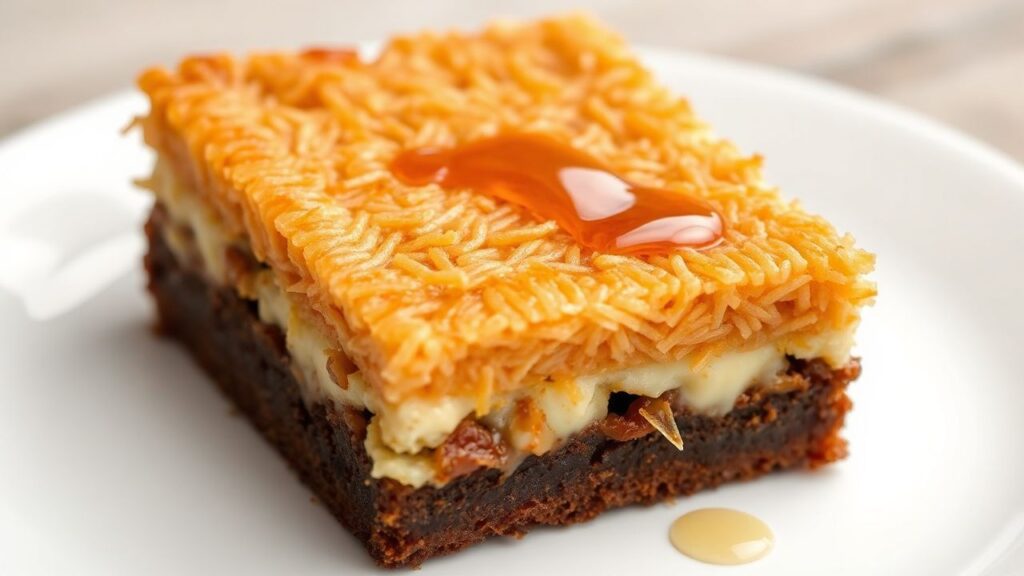
Evenly distribute the butter-coated kataifi strands over the cheese layer. Press down gently to create a cohesive topping. Return the pan to the preheated oven and bake for another 10-15 minutes, or until the kataifi is golden brown and crispy. Keep a close eye on it, as kataifi can brown quickly.
Step 6: Prepare the Rosewater Syrup
While the kunafa topping is baking, prepare the syrup. In a small saucepan, combine the sugar and water. Heat over medium heat, stirring until the sugar dissolves. Bring to a boil and let it simmer for 5-7 minutes, until slightly thickened. Remove from heat and stir in the rosewater (or orange blossom water).
Step 7: Finish and Serve
Once the kunafa topping is golden and crisp, remove the pan from the oven. Immediately and evenly drizzle the warm rosewater syrup over the hot kunafa topping. The syrup will soak into the kataifi and seep down, infusing it with floral sweetness. Let the Kunafa Brownies cool in the pan for at least 30 minutes before cutting and serving. This allows the syrup to set and the flavors to meld.
Nutritional Insights: A Matter of Moderation
While Kunafa Brownies are a luxurious treat, understanding their nutritional profile is important for mindful indulgence. A single serving (approximately 1/16th of the pan) typically contains:
- Calories: 400-550 kcal (this can vary significantly based on specific ingredients and portion size)
- Fat: 20-35g (including saturated fat)
- Carbohydrates: 50-70g (including sugars)
- Protein: 5-10g
- Sodium: 150-300mg (can be lower if unsalted cheeses are used and syrup is applied judiciously)
Keep in mind that these are estimates. The use of high-quality ingredients, particularly the cheese and butter, contributes to the rich flavor profile but also to the calorie and fat content. The sugar in both the brownie and the syrup accounts for the carbohydrate count.
⚠️ Pro-Caution
Pro-Caution: While delicious, Kunafa Brownies are a rich dessert. As with any indulgence, moderation is key. Individuals managing specific dietary needs, such as those with diabetes or on low-fat diets, should consume this treat mindfully and consider smaller portion sizes. Consulting with a registered dietitian or nutritionist can provide personalized guidance.
Expert Tips for Elevating Your Kunafa Brownies
Achieving a truly restaurant-quality Kunafa Brownie involves attention to detail and understanding the nuances of flavor and texture. These expert tips will help you refine your creation.
Mastering the Cheese Layer
The cheese is a critical bridge between the brownie and the kunafa. Its mildness is key. If Akkawi or Nabulsi cheese is unavailable, a blend of low-moisture, part-skim mozzarella and a small amount of cream cheese works well. The mozzarella provides the stretch, while the cream cheese adds a subtle richness and prevents the cheese from becoming too dry. Ensure the cheese is thoroughly rinsed if using Akkawi or Nabulsi, as they can be quite salty. Draining it well is also crucial to prevent a soggy topping.
The Perfect Kataifi Crispness
Achieving that desirable golden crispness in the kataifi topping requires sufficient butter. Don’t be shy; ensure every strand is coated. Clarified butter (ghee) offers a more intense, nutty flavor and a higher smoke point, which can help prevent burning. When assembling, press the kataifi down gently but firmly. This helps create a more uniform layer and prevents the strands from becoming too loose and dry.
Syrup Application Technique
The syrup is the final flourish. It should be applied while the kunafa topping is still hot from the oven. This allows it to soak in effectively, infusing the kataifi with moisture and sweetness without making the brownie soggy. Drizzle it evenly across the surface. Some chefs prefer to poke a few small holes in the kataifi with a skewer before drizzling to ensure deeper penetration.
Cooling is Crucial
Resist the temptation to cut into your Kunafa Brownies immediately after they come out of the oven. Allowing them to cool for at least 30 minutes, or even an hour, is vital. This cooling period allows the syrup to set, the flavors to meld, and the structure to firm up, ensuring clean cuts and a more satisfying texture.
Flavor Enhancements
While the classic rosewater syrup is divine, consider subtle variations. A hint of cardamom in the syrup, or a sprinkle of chopped pistachios or almonds over the finished dessert, can add another layer of complexity and visual appeal. For a more intense chocolate experience, consider adding a thin layer of ganache over the cooled brownie base before adding the cheese.
A Global Delight: Sharing Kunafa Brownies
The beauty of Kunafa Brownies lies in their universal appeal. They are a dessert that can delight palates across diverse cultures, offering a familiar comfort with an intriguing exoticism. This fusion dessert is perfect for potlucks, holiday gatherings, or simply as a sophisticated treat to share with loved ones. Its ability to bridge culinary divides makes it an excellent conversation starter and proof of the joy of culinary exploration. Sharing this recipe is sharing an experience – a harmonious blend of traditions that results in something truly special.
Frequently Asked Questions
What is the best type of cheese to use for Kunafa Brownies?
The ideal cheese for Kunafa Brownies is mild, unsalted, and melts well with a slight stretch. Traditional choices include Akkawi or Nabulsi cheese. If these are unavailable, a good substitute is a blend of low-moisture, part-skim mozzarella (for stretch) and a small amount of cream cheese (for richness and to prevent dryness). The key is to avoid salty or strongly flavored cheeses that would overpower the chocolate brownie base.
Can I make the Kunafa Brownies ahead of time?
Yes, Kunafa Brownies can be made a day in advance. It’s best to assemble and bake them completely, then allow them to cool thoroughly. Store them at room temperature in an airtight container. When ready to serve, you can gently warm them in a low oven (around 250°F or 120°C) for a few minutes to revive the crispness of the kunafa topping.
How do I ensure my kunafa topping is crispy and not soggy?
Several factors contribute to a crispy kunafa topping. First, ensure the kataifi (shredded phyllo) is thoroughly coated with melted butter. Second, don’t overdo the syrup; drizzle it evenly and let it absorb. Finally, allow the dessert to cool sufficiently after baking. If you’re concerned about sogginess, you can slightly under-bake the brownie base, as it will continue to cook with the topping. Using clarified butter (ghee) can also enhance crispness.
What is the role of the syrup in Kunafa Brownies?
The syrup, typically infused with rosewater or orange blossom water, matter significantly in balancing the richness of the brownie and the fattiness of the cheese. It adds a delicate floral aroma and a layer of sweetness that cuts through the decadence, preventing the dessert from feeling too heavy. It also contributes to the characteristic moistness of traditional kunafa.
Can I use semolina instead of kataifi for the topping?
Absolutely. While kataifi provides a delicate, crispy texture, fine semolina can also be used to create a delicious kunafa topping. You would typically mix the semolina with melted butter, sugar, and a binder like milk or yogurt, then spread it over the cheese. This will result in a slightly more cake-like or crumbly topping, which is also a delightful variation.
See also: Kunafa