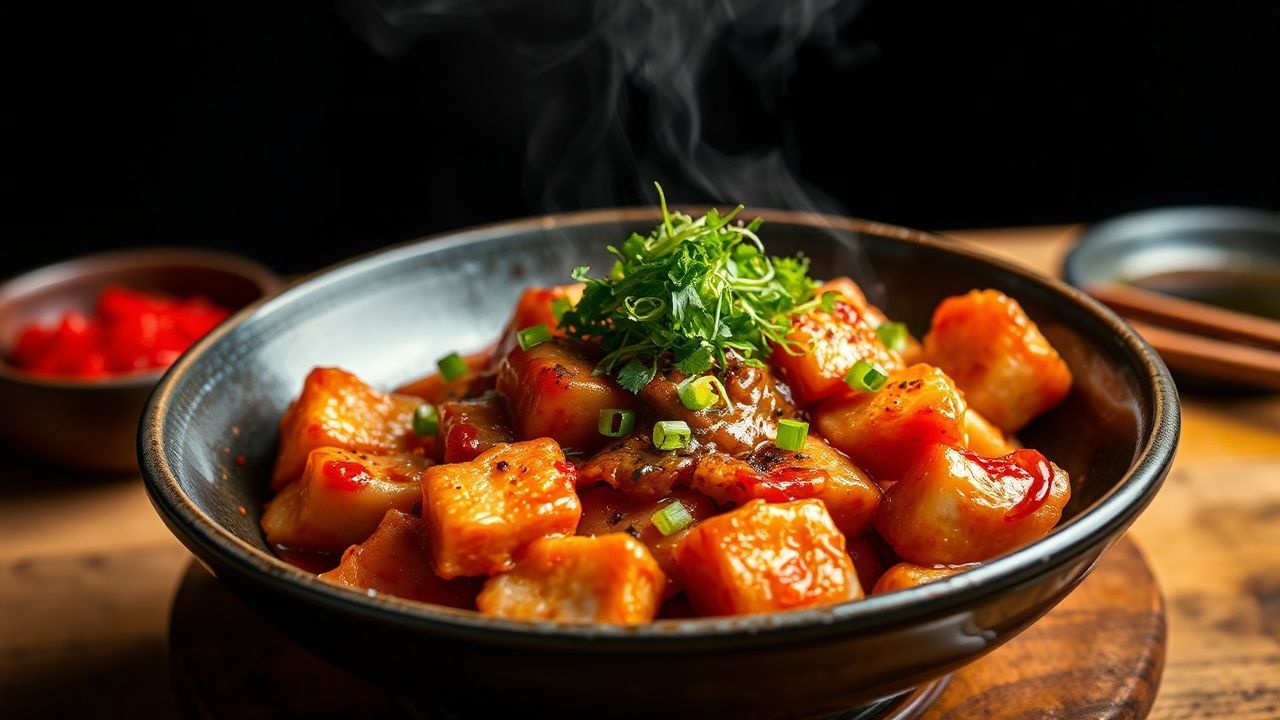

“The true beauty of Korean cuisine lies in its ability to balance the delicate with the audacious, the comforting with the exhilarating. Mapo Dak Galbi embodies this paradox with breathtaking artistry.” – Chef Kim Ji-hoon, recipient of the Golden Ladle Award.
- The Seductive Allure of Mapo Dak Galbi
- A Symphony of Flavors: Deconstructing the Mapo Dak Galbi Sauce
- The Genesis of a Korean Classic: From Seoul’s Streets to Your Table
- Mastering the Art: A Definitive Recipe for Mapo Dak Galbi
- Nutritional Insights: A Spicy Indulgence
- Elevating Your Galbi: Expert Tips for Restaurant-Quality Results
- 💡 Expert Insight Expert Insight: The Power of the Marinade and Sauce Balance
- ⚠️ Pro-Caution Pro-Caution: The Nuances of Rice Cake Preparation
- Optimizing Texture and Flavor Infusion
- Conclusion: A Fiery Embrace of Korean Gastronomy
- Frequently Asked Questions
The Seductive Allure of Mapo Dak Galbi
In the vast and vibrant landscape of Korean culinary traditions, certain dishes stand out not just for their exquisite flavors but for the stories they tell. Mapo Dak Galbi is one such revelation. It’s a dish that speaks of communal dining, of spirited conversations over bubbling woks, and of an unashamed embrace of spice. While its name might evoke the classic beef short rib dish, *galbi*, this iteration champions succulent chicken, stir-fried to perfection with a fiery, complex sauce that awakens the palate. The term “Mapo” itself is a nod to the district in Seoul renowned for its lively atmosphere and its contribution to the city’s gastronomic tapestry, hinting at the energetic spirit infused into this preparation.
At a Glance: Key Takeaways for Mapo Dak Galbi Mastery
- Cultural Resonance: More than just a meal, Mapo Dak Galbi is an experience, fostering connection and shared enjoyment.
- Flavor Profile: A masterful interplay of heat, savory notes, and subtle sweetness, achieved through a carefully balanced sauce.
- Versatility: Adaptable to different spice levels and ingredient additions, making it a canvas for personal culinary expression.
- Technique is Paramount: Achieving the perfect texture for the chicken and the caramelized depth of the sauce requires attention to detail.
The essence of *galbi*, which translates to “ribs” in Korean, traditionally refers to the preparation of marinated beef ribs, grilled or braised to tender perfection. However, the evolution of Korean cuisine, driven by innovation and regional specialties, has seen the *galbi* concept applied to other proteins and cooking methods. Mapo Dak Galbi is a prime example of this culinary metamorphosis. It takes the bold, robust flavor profile often associated with *galbi* marinades and applies it to chicken thighs, a more economical and readily available protein, transforming it into a one-pan wonder that is both accessible and deeply satisfying. The “Mapo” prefix further contextualizes its origin, suggesting a dish born from the bustling culinary heart of Seoul.
A Symphony of Flavors: Deconstructing the Mapo Dak Galbi Sauce
The soul of Mapo Dak Galbi resides in its eponymous sauce. It’s a complex concoction, far from a simple chili paste. At its foundation is *gochujang*, the fermented Korean chili paste, which provides a foundational layer of savory heat and umami. But it’s the thoughtful augmentation of other ingredients that elevates this sauce to an art form. A touch of *gochugaru* (Korean chili flakes) allows for a more nuanced control over the heat and color, adding a vibrant crimson hue. Sweetness, crucial for balancing the spice, comes from a blend of honey or corn syrup, and sometimes a hint of sugar. Soy sauce provides salinity and depth, while minced garlic and ginger offer aromatic complexity. Mirin or rice wine adds a subtle sweetness and helps to tenderize the chicken. The specific ratios are often a closely guarded secret, passed down through generations or honed through countless kitchen experiments, reflecting a deep understanding of how each component interacts and contributes to the overall flavor profile. The interplay of these elements creates a dynamic taste experience – a dance between spicy, sweet, savory, and subtly fermented notes that lingers long after the last bite.
Consider the subtle yet significant role of *maesilcheong* (green plum syrup) or even a simple dash of rice vinegar. These additions, though seemingly minor, can introduce a delicate tang that cuts through the richness of the chicken and the intensity of the chili, brightening the entire dish. This level of detail in sauce construction is what distinguishes truly exceptional Korean cooking. It’s not about overwhelming the palate with heat, but about orchestrating a harmonious blend of flavors where each ingredient plays its part, contributing to a complex and deeply satisfying whole. The goal is not merely to make it spicy, but to create a layered experience that keeps diners coming back for more.
The Genesis of a Korean Classic: From Seoul’s Streets to Your Table
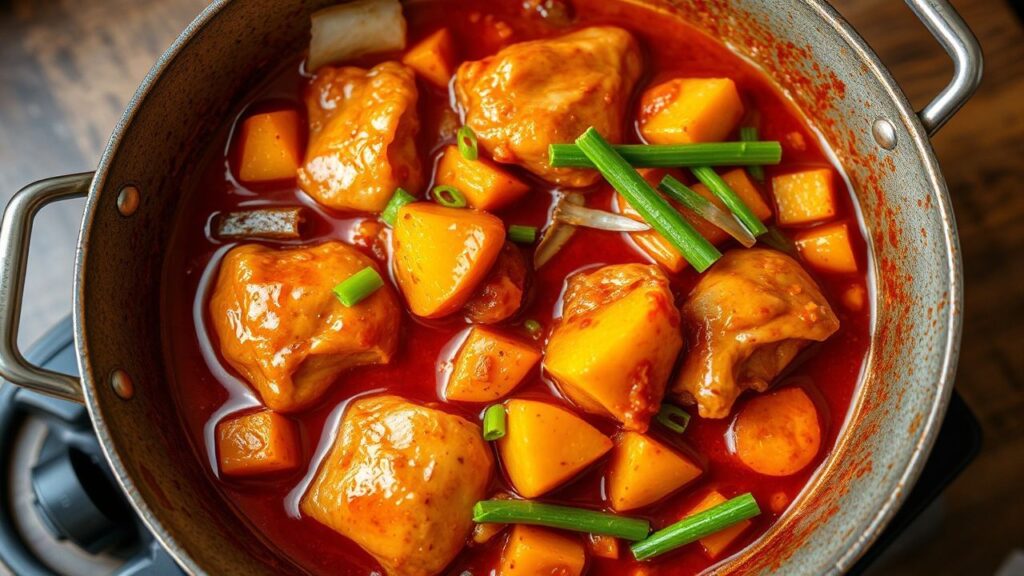
While precise origins are often elusive in folk cuisine, Mapo Dak Galbi is widely believed to have emerged from the bustling street food scene of Seoul’s Mapo district in the latter half of the 20th century. This area, historically known for its port and its vibrant marketplaces, has always been a hub of culinary innovation. The dish likely evolved as a response to a growing demand for hearty, flavorful, and affordable meals that could be enjoyed communally. Chicken, being more accessible than beef, became the protein of choice, and the *galbi*-style marinade, adapted for a stir-fry, offered a familiar yet exciting flavor profile. The addition of vegetables and *tteok* (rice cakes) transformed it into a complete meal, perfect for sharing among friends and family.
The communal aspect of Mapo Dak Galbi is crucial to its cultural significance. It is rarely a solitary meal. Typically, it’s prepared and served in a large pan directly at the table, allowing diners to gather around, partake in the cooking process, and engage in conversation as the aromas fill the air. This interactive dining experience fosters a sense of togetherness and shared pleasure, which is a cornerstone of Korean hospitality. The sizzle of the chicken, the bubbling of the sauce, and the collective anticipation as the dish nears completion all contribute to the convivial atmosphere. This is not just about sustenance; it’s about connection.
Mastering the Art: A Definitive Recipe for Mapo Dak Galbi
To achieve authentic Mapo Dak Galbi, meticulous attention to ingredient quality and preparation technique is paramount. This recipe aims to capture the vibrant essence of this beloved Korean dish, ensuring a deeply flavorful and satisfying result that honors its street-food roots while elevating it for the home cook.
Ingredients:
- For the Chicken & Marinade:
- 1 kg (approx. 2.2 lbs) boneless, skinless chicken thighs, cut into bite-sized pieces
- 2 tablespoons soy sauce
- 1 tablespoon mirin (or rice wine)
- 1 tablespoon honey (or corn syrup)
- 1 teaspoon sesame oil
- 1 teaspoon grated fresh ginger
- 2 cloves garlic, minced
- 1/4 teaspoon black pepper
- For the Mapo Sauce:
- 4 tablespoons gochujang (Korean chili paste)
- 2 tablespoons gochugaru (Korean chili flakes, adjust to spice preference)
- 2 tablespoons soy sauce
- 2 tablespoons honey (or corn syrup)
- 1 tablespoon mirin (or rice wine)
- 1 tablespoon rice vinegar (optional, for a touch of tang)
- 1 tablespoon sesame oil
- 4 cloves garlic, minced
- 1 teaspoon grated fresh ginger
- 1/4 cup water (or chicken broth)
- For the Stir-fry:
- 2 tablespoons neutral cooking oil (e.g., canola, vegetable)
- 1 large onion, thinly sliced
- 1 medium sweet potato, peeled and cut into 1 cm (approx. 1/2 inch) cubes
- 1 medium potato, peeled and cut into 1 cm (approx. 1/2 inch) cubes
- 1 cup garaetteok (Korean rice cakes), soaked in warm water for 10 minutes and drained
- 1 cup chopped napa cabbage (optional, for added texture and moisture)
- 1/2 cup sliced shiitake mushrooms (optional)
- 1/2 cup sliced carrots (optional)
- 2-3 scallions, cut into 2-inch lengths, green parts separated
- Toasted sesame seeds, for garnish
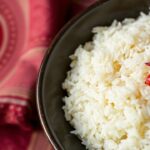
- Cooked rice, for serving
Preparation Method:
- Marinate the Chicken: In a medium bowl, combine the chicken pieces with all the marinade ingredients. Mix well to ensure each piece is evenly coated. Cover and refrigerate for at least 30 minutes, or preferably 1-2 hours, to allow the flavors to meld.
- Prepare the Mapo Sauce: In a separate bowl, whisk together all the Mapo sauce ingredients until well combined. Taste and adjust the spice level by adding more gochugaru or gochujang if desired. The sauce should be thick but pourable.
- Sauté Aromatics and Vegetables: Heat the neutral cooking oil in a large, heavy-bottomed skillet or a cast-iron pan over medium-high heat. Add the sliced onion and sauté until softened and lightly golden, about 3-5 minutes. Add the cubed sweet potato and potato. Stir-fry for another 5-7 minutes, allowing them to develop a slight char.
- Introduce the Chicken: Add the marinated chicken pieces to the pan, spreading them out in a single layer as much as possible. Cook for about 5-7 minutes, stirring occasionally, until the chicken is browned on all sides. The internal temperature should not be fully cooked at this stage, as it will continue to cook with the sauce.
- Add Vegetables and Rice Cakes: If using, add the shiitake mushrooms and carrots at this stage and stir-fry for another 2 minutes. Then, add the drained rice cakes and the optional napa cabbage.
- Incorporate the Sauce: Pour the prepared Mapo sauce over the chicken and vegetables. Stir everything thoroughly to ensure all ingredients are coated in the glossy, spicy sauce.
- Simmer and Caramelize: Bring the mixture to a simmer. Reduce the heat to medium-low, cover the pan, and let it cook for 10-15 minutes, stirring occasionally, until the potatoes and sweet potatoes are tender and the chicken is cooked through. The sauce should thicken and begin to caramelize, clinging to the ingredients. If the sauce becomes too thick, add a tablespoon or two of water or chicken broth.
- Finish and Garnish: Stir in the white parts of the scallions during the last 2 minutes of cooking. Once the dish is cooked and the sauce has reached a desirable consistency, remove from heat. Garnish generously with the green parts of the scallions and toasted sesame seeds.
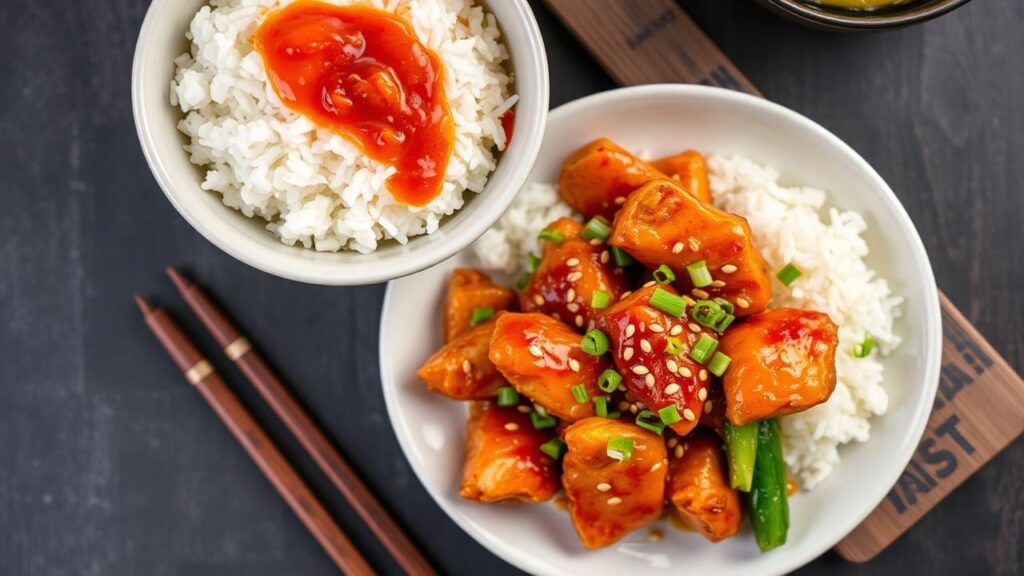
- Serve: Serve the Mapo Dak Galbi immediately with hot, steamed rice. It’s traditional to serve it family-style, directly from the cooking pan.
Nutritional Insights: A Spicy Indulgence

Mapo Dak Galbi, while undeniably delicious, is a dish that requires a balanced perspective regarding its nutritional profile. A typical serving (approximately 1/4 of the recipe) can offer:
| Nutrient | Approximate Amount per Serving |
|---|---|
| Calories | 550-700 kcal |
| Protein | 40-50 g |
| Fat | 25-35 g |
| Saturated Fat | 7-10 g |
| Carbohydrates | 40-55 g |
| Fiber | 4-6 g |
| Sodium | 1200-1800 mg (can vary significantly based on soy sauce and gochujang) |
| Sugar | 15-25 g (from honey/syrup and natural vegetable sugars) |
The high sodium content is primarily due to the use of soy sauce and gochujang. To mitigate this, consider using low-sodium soy sauce and actively managing the amount of added salt. The dish is a good source of protein from the chicken thighs, which also provide essential B vitamins. The inclusion of various vegetables adds dietary fiber, vitamins, and minerals. The calorie and fat content can be adjusted by trimming excess fat from the chicken thighs before cooking, or by using leaner cuts like chicken breast, though this may alter the traditional texture and moisture.
The glycemic impact of the dish is influenced by the inclusion of rice cakes and sweet potatoes, which are higher in carbohydrates. For individuals managing blood sugar levels, portion control and pairing with a larger proportion of non-starchy vegetables can be beneficial. The vibrant color from the *gochugaru* also suggests the presence of capsaicin, the compound responsible for chili’s heat, which has been studied for its potential metabolic benefits. However, the primary nutritional value comes from the whole ingredients and the balanced macronutrient profile when prepared thoughtfully.
Elevating Your Galbi: Expert Tips for Restaurant-Quality Results
Transforming a home-cooked Mapo Dak Galbi into something truly exceptional requires a nuanced understanding of technique and ingredient synergy. These insights, gleaned from years of culinary exploration, will help you achieve a depth of flavor and textural perfection that rivals that of esteemed Korean establishments.
💡 Expert Insight
Expert Insight:
The Power of the Marinade and Sauce Balance
Don’t underestimate the marinating time. Allowing the chicken thighs to soak in the marinade for at least two hours, or even overnight, will profoundly impact the tenderness and flavor penetration. When it comes to the sauce, the balance between *gochujang*, *gochugaru*, sweetness, and salinity is delicate. I often prepare the sauce a day in advance, allowing the flavors to meld. For an extra layer of complexity, consider adding a teaspoon of fermented soybean paste (*doenjang*) to the sauce for a deeper umami kick. The key is tasting and adjusting meticulously before it hits the pan.
Furthermore, the consistency of the sauce is critical. It should be thick enough to coat the chicken and vegetables without being overly pasty. If it’s too thin, the flavors won’t concentrate properly. If it’s too thick, it can become cloying. A good rule of thumb is to aim for a consistency similar to thick gravy. Adding water or broth incrementally during the simmering process is crucial for achieving this perfect balance. The caramelization that occurs in the final stages is what truly brings the dish to life, creating those irresistible sticky, slightly charred bits that are the hallmark of well-executed *galbi*.
⚠️ Pro-Caution
Pro-Caution:
The Nuances of Rice Cake Preparation
Rice cakes, or *tteok*, are a quintessential component of Mapo Dak Galbi, providing a delightful chewy texture that contrasts beautifully with the tender chicken and soft vegetables. However, their preparation can be a common pitfall. If you use fresh *tteok*, a brief soak in warm water is usually sufficient. For pre-packaged or dried *tteok*, they may require a longer soak or even a quick blanch in boiling water to ensure they cook through and become pliable without becoming mushy. Overcooked *tteok* can disintegrate into the sauce, diminishing their textural contribution. Conversely, undercooked *tteok* will remain tough and unappealing. Always test a piece for tenderness before serving.
The variety of *tteok* available also plays a role. Cylindrical *garaetteok* are the most common, but flat or oval shapes can also be used. The important aspect is their ability to absorb the sauce and provide that satisfying chew. If you find your *tteok* are not softening sufficiently, a good strategy is to add them to the pan a few minutes earlier, allowing them to simmer in the sauce for a longer duration, provided the other ingredients are not at risk of overcooking. The visual cue is a slight translucence and a yielding texture when pressed.
Optimizing Texture and Flavor Infusion
The order of operations in stir-frying is crucial for achieving optimal textures. Sautéing the aromatics and harder vegetables like potatoes and sweet potatoes first allows them to soften and develop flavor before the chicken is added. This ensures they are cooked through by the time the dish is finished. When adding the chicken, avoid overcrowding the pan; cook in batches if necessary. Overcrowding will steam the chicken rather than sear it, resulting in a less desirable texture and flavor. High heat is your friend for achieving that initial browning, which locks in juices and contributes to the Maillard reaction, a key process for flavor development.
Consider the residual heat of the pan. Even after removing it from the burner, the residual heat will continue to cook the ingredients. This is why it’s important to stop cooking slightly before everything appears perfectly done. The *tteok* will continue to soften, and the vegetables will finish cooking in their own steam. For an authentic touch, consider finishing the dish with a drizzle of toasted sesame oil just before serving. This adds a final layer of nutty aroma and flavor that is characteristic of many Korean stir-fries.
Conclusion: A Fiery Embrace of Korean Gastronomy
Mapo Dak Galbi is more than just a spicy chicken stir-fry; it is a culinary emblem of Korean conviviality and bold flavor. It embodies the spirit of communal dining, where the act of sharing a meal transcends mere sustenance to become an experience of connection and shared joy. From its humble street-food origins to its esteemed place on modern tables, this dish continues to captivate with its vibrant colors, complex flavors, and the exhilarating warmth it brings. By understanding the intricate balance of its sauce, the importance of proper ingredient preparation, and the artistry of its cooking technique, any home cook can master this Korean classic and bring a taste of Seoul’s vibrant culinary heart into their own kitchen. The journey to perfecting Mapo Dak Galbi is a delicious exploration, one that rewards patience, attention to detail, and a willingness to embrace the exhilarating heat that defines its soul.
Frequently Asked Questions
H3: What is the difference between Mapo Dak Galbi and regular Galbi?
The primary distinction lies in the protein used and the cooking method. Traditional *galbi* refers to marinated beef ribs, typically grilled or braised. Mapo Dak Galbi, on the other hand, uses chicken thighs as the main protein and is prepared as a stir-fry with a robust, spicy sauce. While both share the “galbi” nomenclature and a focus on bold, savory flavors, Mapo Dak Galbi is a distinct dish with its own unique character and preparation, often associated with the lively culinary scene of Seoul’s Mapo district.
H3: How spicy is Mapo Dak Galbi, and can I adjust the heat level?
Mapo Dak Galbi is known for its considerable spiciness, primarily derived from *gochujang* and *gochugaru*. However, the heat level is highly adjustable. To reduce the spiciness, use less *gochugaru* and *gochujang*, and consider adding a touch more honey or corn syrup to balance the heat. Conversely, for an even spicier dish, increase the amount of *gochugaru* or add a pinch of cayenne pepper. It’s always recommended to taste the sauce before adding it to the pan and adjust it to your personal preference. The inclusion of potatoes and sweet potatoes also helps to temper the spice.
H3: What are the best side dishes to serve with Mapo Dak Galbi?
Mapo Dak Galbi is a flavorful and hearty dish that pairs wonderfully with simple, palate-cleansing accompaniments. Steamed white rice is essential for soaking up the delicious sauce. Traditional Korean side dishes, known as *banchan*, are also excellent choices. Kimchi, in its various forms, offers a fermented tang and crunch. Pickled radishes (*danmuji*) provide a refreshing contrast. A simple cucumber salad or a light, vinegary cabbage slaw can also offer a cooling counterpoint to the spice. Some also enjoy serving it with a side of *ggatrani* (sesame leaf wraps) for a fresh, aromatic experience.
H3: Can I make Mapo Dak Galbi ahead of time?
While Mapo Dak Galbi is best enjoyed fresh off the stove when the textures are at their peak and the sauce is perfectly caramelized, certain components can be prepared in advance. The chicken can be marinated for up to 24 hours in advance, which will enhance its flavor and tenderness. The sauce can also be mixed and stored in an airtight container in the refrigerator for 2-3 days. However, the actual stir-frying and combining of all ingredients should ideally be done just before serving to maintain the optimal texture of the rice cakes and vegetables, and to achieve the perfect glaze on the chicken. Reheating can sometimes make the rice cakes too soft or the chicken dry if not done carefully.
See also: Galbi