
“Kibbeh is more than just food; it’s a conversation, a memory, a connection to generations past.” – *Abla Ammad, Lebanese Culinary Historian*
- The Enduring Allure of Lebanese Kibbeh
- The Genesis of Flavor: Essential Ingredients for Authentic Kibbeh
- The Alchemy of Preparation: Crafting the Kibbeh Mixture
- The Art of Shaping and Cooking Kibbeh
- Nutritional Profile and Expert Enhancements
- Nutritional Snapshot (per serving, approximate for Kibbeh Maklieh – 4 torpedoes)
- Elevating Kibbeh to Culinary Excellence
- Variations on a Theme: Exploring the Kibbeh Universe
- Frequently Asked Questions about Kibbeh
The Enduring Allure of Lebanese Kibbeh
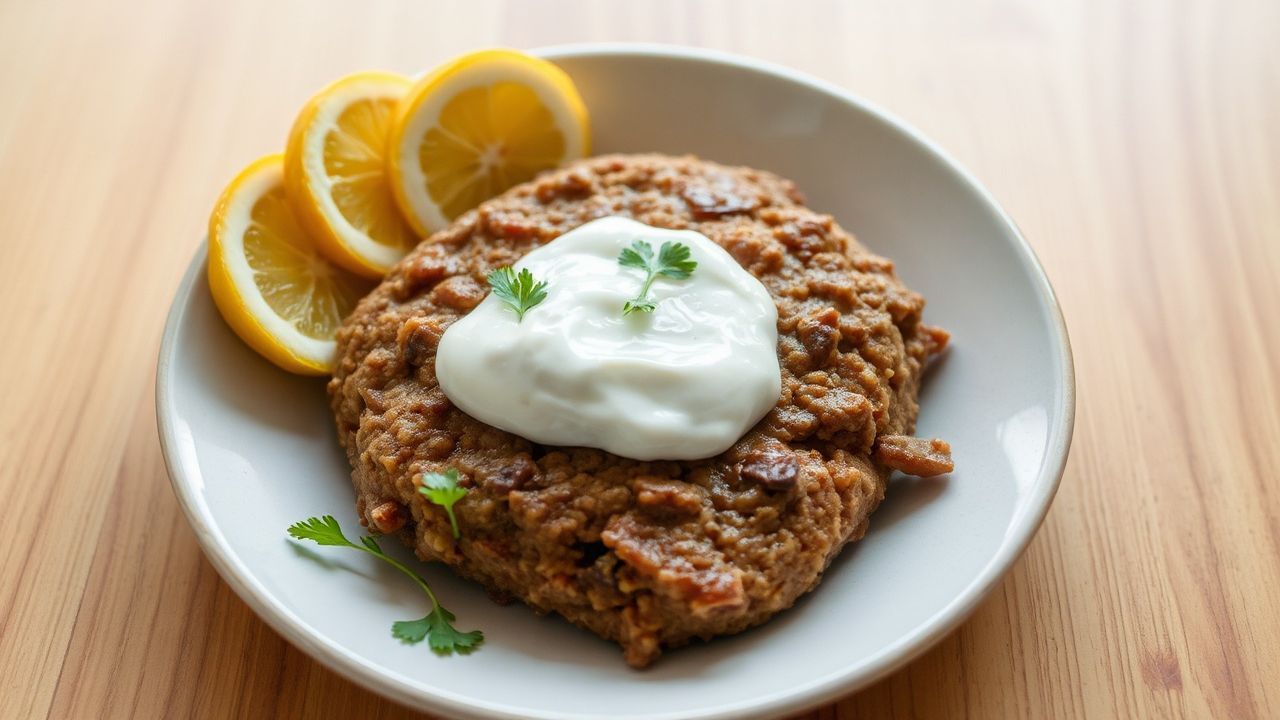
Kibbeh, a deeply resonant and fundamentally Lebanese dish, stands as proof of the ingenious fusion of simple, wholesome ingredients transformed into a culinary icon. At its core, this celebrated preparation is a harmonious marriage of finely ground lean meat – traditionally lamb or beef – and coarse bulgur wheat, seasoned with an aromatic symphony of spices. Its ubiquity in Lebanese households and its profound cultural significance are undeniable, extending far beyond mere sustenance to embody hospitality, celebration, and a cherished link to ancestral traditions. To truly appreciate kibbeh is to understand its multifaceted nature: it is both a humble staple and an elaborate delicacy, adaptable to countless preparations, each bearing its own distinct character and appeal.
- Kibbeh is the undisputed national dish of Lebanon, a culinary cornerstone reflecting centuries of cultural exchange and culinary evolution.
- The precise texture of the bulgur and the quality of the meat are paramount to achieving the authentic flavor and mouthfeel of well-executed kibbeh.
- The versatility of kibbeh is its genius; from the raw delicacy of kibbeh nayyeh to the comforting embrace of baked or fried varieties, it offers a spectrum of sensory experiences.
- Mastering kibbeh is a journey, an exploration of technique and flavor that rewards dedication with unparalleled culinary satisfaction.
The very essence of Lebanese cuisine is often encapsulated in this singular dish. It’s a reflection of the Levantine landscape, where the bounty of the land – grains, herbs, and expertly raised livestock – has been skillfully coaxed into existence for millennia. The concept of kibbeh, while most prominently associated with Lebanon, finds echoes in various forms across the broader Middle East, underscoring its ancient roots and widespread appeal. However, the Lebanese iteration, with its specific spice profiles and textural nuances, possesses a distinct identity that has captivated palates worldwide. This article demystifies the process, guiding you through the creation of authentic Lebanese kibbeh, from the foundational elements to the most refined techniques, empowering you to bring this extraordinary dish into your own culinary repertoire.
The Genesis of Flavor: Essential Ingredients for Authentic Kibbeh
The magic of Lebanese kibbeh lies in its elegant simplicity, where the quality and precise preparation of a few core ingredients dictate the final outcome. Achieving an authentic taste requires a discerning eye for selection and an understanding of how each component contributes to the overall symphony of flavor and texture.
The Pillars: Meat and Bulgur
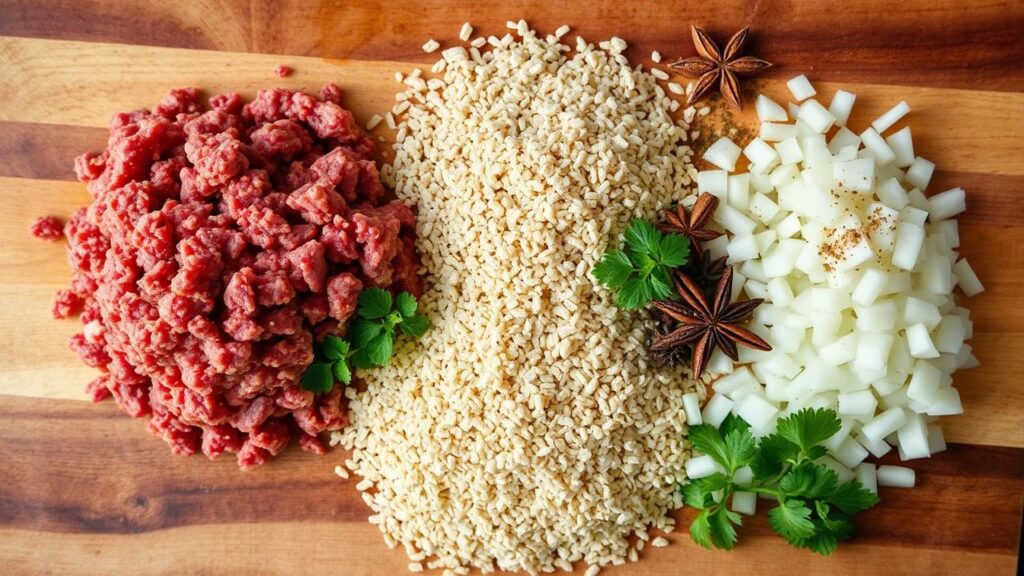
At the heart of any exemplary kibbeh is the lean ground meat. Traditionally, this would be a mixture of finely minced lamb and beef, but for a more accessible and often preferred modern rendition, exceptionally lean beef is the cornerstone. The ideal is a protein that is at least 90-95% lean. Fat content is the enemy of the proper kibbeh texture; it leads to greasiness and a mushy consistency, detracting from the characteristic firmness and clean taste. The meat must be ground exceptionally finely, almost to a paste-like consistency. This is not a task for a coarse home grinder; ideally, it should be passed through the finest setting of a meat grinder multiple times, or even better, processed in a food processor until it achieves a smooth, cohesive texture. This fine grind is crucial for binding with the bulgur and creating the dense, yet yielding, characteristic of kibbeh.
The second foundational element is bulgur wheat. For kibbeh, it is imperative to use coarse bulgur (number 3). Fine bulgur will disintegrate and turn the mixture into a paste, while medium or fine grades will result in a gritty texture. The bulgur is not cooked in the traditional sense; rather, it is soaked to rehydrate and soften. The ratio of bulgur to meat is a matter of subtle preference and regional variation, but a common starting point is roughly one part bulgur to two parts meat by weight, though some prefer a slightly higher proportion of bulgur. The bulgur is typically rinsed thoroughly and then allowed to soak in cold water for a short period, usually no more than 15-20 minutes, before being squeezed meticulously dry. This drying process is paramount; excess moisture will compromise the integrity of the kibbeh mixture, making it difficult to shape and prone to falling apart during cooking.
Aromatic Foundations: Spices and Aromatics
Beyond the primary components, a carefully curated blend of spices and aromatics elevates kibbeh from mere sustenance to a culinary masterpiece. The quintessential spice blend for kibbeh is often a variation of allspice, which provides a warm, slightly sweet, and peppery depth. Cinnamon is another critical component, adding a fragrant sweetness that complements the savory notes of the meat. Black pepper, freshly ground, is essential for a clean, sharp bite. Some recipes incorporate a whisper of nutmeg for added complexity, while others may introduce a touch of cumin for earthiness.
The use of onion is also integral. Finely grated or processed onion, rather than chopped, is preferred to ensure it integrates seamlessly into the mixture without leaving discernible chunks. The moisture from the onion is also beneficial in the binding process. In some regions, a small amount of fresh mint or parsley is incorporated, though this is less traditional for the core kibbeh mixture and more common in variations or as a garnish. The key is balance; the spices should enhance, not overpower, the natural flavors of the meat and bulgur.
The Alchemy of Preparation: Crafting the Kibbeh Mixture
The transformation of raw ingredients into the characteristic kibbeh dough is an art form, demanding patience and a nuanced understanding of texture and consistency. This stage is arguably the most critical for achieving the perfect kibbeh.
The Mincing and Mixing Ritual
The process begins with the finely ground meat. If using a food processor, the meat should be pulsed until it forms a very smooth, somewhat sticky mass. Over-processing can lead to a gummy texture, so vigilance is key. Next, the drained and well-squeezed bulgur is introduced. The bulgur is then added to the meat in the food processor, or if mixing by hand, placed in a large bowl. The grated onion and the spice blend – typically allspice, cinnamon, and black pepper – are incorporated at this stage.
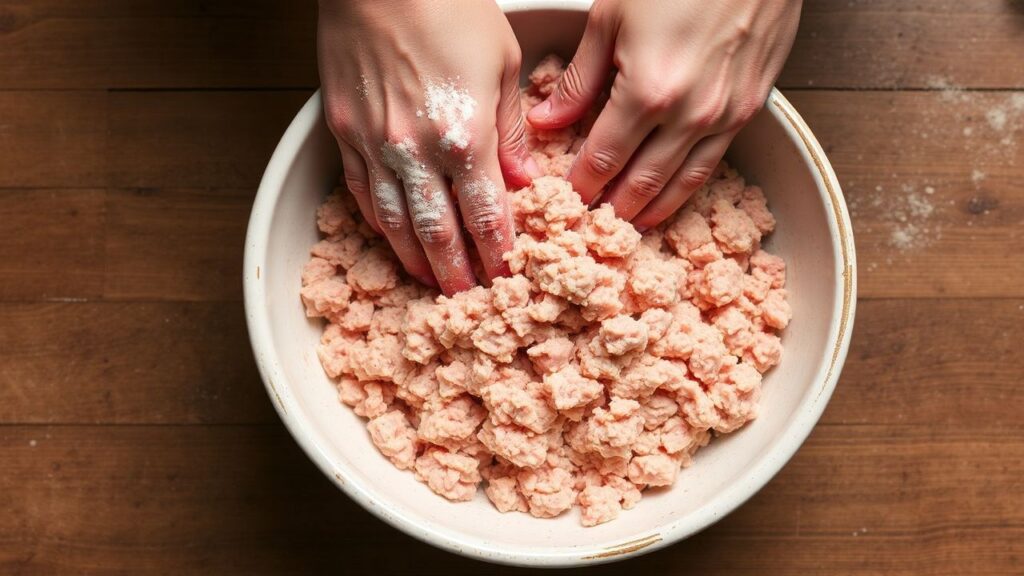
The kneading process is where the true alchemy occurs. Whether in a food processor or by hand, the mixture needs to be worked vigorously. In a food processor, this involves pulsing and processing until the ingredients are thoroughly combined and the mixture becomes homogenous and slightly elastic. The goal is to develop the proteins in the meat and fully integrate the bulgur, creating a cohesive dough that can be molded without crumbling. By hand, this requires considerable effort, akin to kneading bread dough, pushing, stretching, and folding the mixture until it achieves the desired consistency. This intensive kneading is what gives kibbeh its characteristic dense yet tender structure.
Achieving the Perfect Consistency
The ultimate test of proper kibbeh preparation is its consistency. The dough should be firm enough to hold its shape when molded, yet pliable and smooth to the touch. It should not be sticky to the point of adhering excessively to your hands, nor should it be dry and crumbly. A common technique to test this is to take a small piece of the mixture and roll it into a ball, then flatten it slightly. If it cracks and falls apart, it likely needs more kneading or a touch more moisture (a very small amount of ice-cold water can be added, but with extreme caution). Conversely, if it feels too soft or sticky, it may have too much moisture from the bulgur or onion, and a bit more kneading might help, or very lightly dusting the hands with bulgur or a touch of flour can aid in handling.
The entire mixture should be chilled thoroughly for at least 30 minutes to an hour before shaping. This chilling period allows the flavors to meld and the fats to firm up, making the dough much easier to handle and shape. This step is non-negotiable for achieving clean lines and preventing structural integrity issues during subsequent cooking.
The Art of Shaping and Cooking Kibbeh
Once the kibbeh dough has achieved its perfect consistency and has been adequately chilled, the meticulous process of shaping and cooking can begin. This is where the visual artistry of kibbeh truly shines, and where different cooking methods unlock distinct culinary experiences.
Forming the Iconic Shapes
The most recognized form of kibbeh is the kibbeh torpedo, or *kibbeh maklieh* (fried kibbeh). These are typically shaped into elongated, football-like forms, approximately 3-4 inches long. A small amount of the kibbeh mixture is taken into the palm, and with the fingers of the other hand, a cavity is hollowed out. This cavity is then filled with a savory kibbeh filling. The filling is a crucial element, traditionally consisting of finely minced lamb or beef, sautéed with finely chopped onions, and seasoned generously with allspice, cinnamon, and sometimes pine nuts. The kibbeh is then carefully sealed, ensuring the filling is completely enclosed, and the torpedo shape is refined by rolling it gently between the palms. The ends are often tapered to a neat point.
Another classic form is the kibbeh disc, or *kibbeh bel sanieh* (baked kibbeh). For this preparation, a larger baking dish (a *sanieh*) is greased, and half of the kibbeh mixture is pressed evenly into the bottom of the dish. The kibbeh filling is then spread over this base layer. The remaining kibbeh mixture is then spread evenly over the filling, creating a layered pie-like structure. The surface is often scored decoratively with a knife, creating diamond or square patterns, and sometimes a small piece of butter or a drizzle of olive oil is added to the surface to promote browning and a richer flavor.
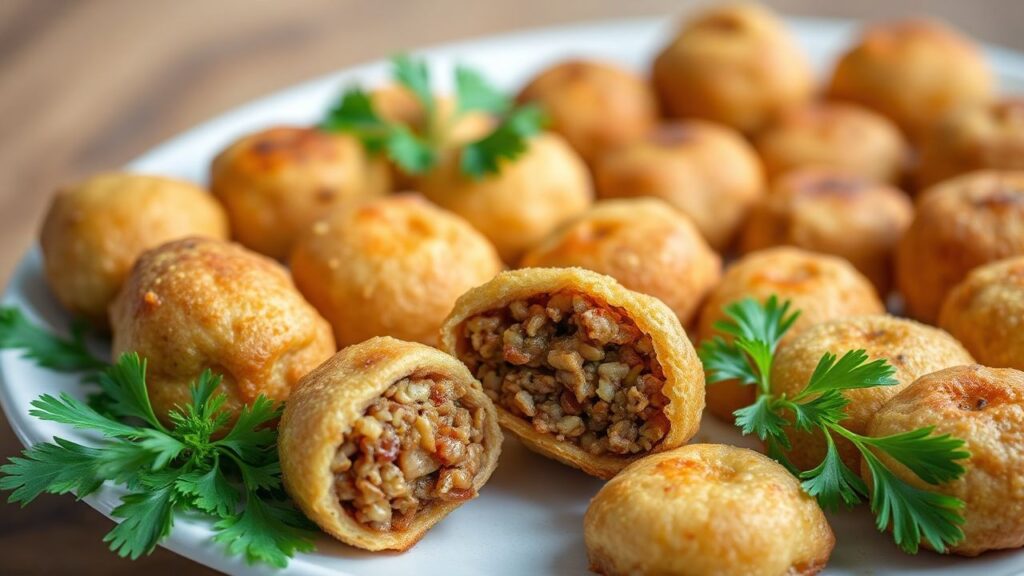
Cooking Methods: Frying vs. Baking
The frying method for kibbeh torpedoes is the most visually dramatic and yields a wonderfully crisp exterior. The shaped kibbeh are carefully submerged in hot oil (around 175-180°C or 350-360°F) and fried until deeply golden brown and cooked through, typically 4-6 minutes. The oil temperature is critical: too low, and the kibbeh will absorb excess oil and become greasy; too high, and the exterior will burn before the interior is cooked. They are then drained on paper towels to remove any excess oil. Fried kibbeh are often served as appetizers or as part of a mezze spread, offering a delightful textural contrast between the crisp shell and the tender, flavorful interior.
The baking method for kibbeh bel sanieh offers a more rustic, comforting, and arguably easier preparation. Once assembled and scored, the *sanieh* is placed in a preheated oven at around 190°C (375°F) and baked for approximately 30-45 minutes, or until the top is beautifully golden brown and the edges are bubbling. Baking allows the flavors to meld deeply, and the resulting dish is often served in wedges as a main course, accompanied by yogurt or a fresh salad. This method is less prone to the temperature fluctuations of frying and generally yields a more forgiving result for novice cooks.
Nutritional Profile and Expert Enhancements
While kibbeh is undeniably delicious, understanding its nutritional composition allows for informed consumption and opportunities for culinary refinement.
Nutritional Snapshot (per serving, approximate for Kibbeh Maklieh – 4 torpedoes)
Keep in mind that these figures are approximate and can vary significantly based on the leanness of the meat, the amount of oil used for frying, and the specific filling ingredients.
- Calories: 400-550 kcal
- Protein: 25-35g
- Fat: 20-35g (significant portion from frying oil)
- Carbohydrates: 20-30g (primarily from bulgur)
- Fiber: 4-7g
- Sodium: Varies based on added salt
The fat content, particularly when fried, can be substantial. For a lighter preparation, baking is a preferable method. Additionally, the protein content is robust, making kibbeh a satisfying and nutrient-dense dish.
Elevating Kibbeh to Culinary Excellence
Achieving a restaurant-quality kibbeh involves attention to detail that transcends the basic recipe.
- Meat Quality: As emphasized, the leanness and fineness of the grind are non-negotiable. Consider having your butcher grind the meat twice for optimal texture.
- Bulgur Hydration: The exact hydration of the bulgur is critical. It should be moist but not wet. Squeezing out every drop of excess water is a crucial step that many overlook.
- Spice Balance: The classic blend of allspice and cinnamon is a starting point. Experiment with subtle additions like a pinch of cardamom or a whisper of dried mint in the filling for added complexity.
- Pine Nuts: For *kibbeh maklieh*, toasting the pine nuts for the filling until fragrant and golden amplifies their nutty flavor and adds a delightful crunch.
- Chilling: Never underestimate the power of a thorough chilling period for the kibbeh dough. This makes shaping far easier and prevents the kibbeh from losing its form during cooking.
- Frying Technique: Maintain a consistent oil temperature. Overcrowding the fryer will drop the oil temperature, leading to greasy kibbeh. Fry in batches.
- Serving Temperature: Fried kibbeh is best served immediately while still warm and crisp. Baked kibbeh can be enjoyed warm or at room temperature.
The history of kibbeh is deeply intertwined with the nomadic traditions of the region, where preservation and portability were key. The ability to grind meat with available tools and combine it with readily available grains like bulgur allowed for a nutritious and substantial meal that could be prepared with minimal cooking facilities. The development of more refined grinding and processing techniques over centuries led to the sophisticated versions we enjoy today. For instance, historical accounts from the Ottoman era detail various preparations of minced meat and grains, laying the groundwork for the diverse kibbeh family of dishes.
Variations on a Theme: Exploring the Kibbeh Universe
The term “kibbeh” encompasses a vast and delicious spectrum of preparations, each offering a unique culinary perspective. Beyond the ubiquitous fried and baked versions, a world of flavor awaits.
Kibbeh Nayyeh: The Raw Jewel
Perhaps the most revered, yet controversial, form is kibbeh nayyeh. This is the raw preparation, where the finely processed meat and bulgur mixture is seasoned and served without any cooking. It is typically shaped into a flat disc or mound, drizzled generously with olive oil, and garnished with fresh mint leaves and finely chopped onions. It is often accompanied by a selection of fresh vegetables, such as radishes, scallions, and crisp lettuce, as well as pita bread. The success of kibbeh nayyeh hinges entirely on the absolute freshness and quality of the meat. When prepared correctly, it offers a sublime, melt-in-your-mouth experience with a pure, unadulterated meat flavor, beautifully complemented by the cool mint and pungent onion. Its preparation is an act of culinary trust, demanding absolute faith in the purveyor of the meat.
Kibbeh Labanieh: A Creamy Embrace
A truly delightful variation is kibbeh labanieh, where the kibbeh balls (often smaller and more spherical than torpedoes) are simmered in a rich, tangy yogurt sauce. The kibbeh balls are typically formed without a filling for this preparation and are gently cooked in the simmering yogurt until tender. The sauce is often thickened with a bit of cornstarch or flour and can be enhanced with garlic and fresh coriander. The result is a comforting, deeply flavorful stew where the soft, yielding kibbeh balls absorb the creamy, slightly sour notes of the yogurt. This dish is proof of the versatility of kibbeh, showcasing its ability to thrive in liquid mediums.
Other Regional Delights
Across Lebanon and the wider Levant, numerous other kibbeh forms exist. Kibbeh arnabieh features kibbeh balls simmered in a pomegranate molasses-based sauce, offering a delightful sweet and sour profile. Kibbeh ras el abed (or *kibbeh bel joz*) is a dessert kibbeh, where the bulgur mixture is sweetened and stuffed with a mixture of walnuts and sugar, then fried or baked and often served with a rosewater syrup. These variations highlight the remarkable adaptability of the kibbeh base, demonstrating how a fundamental combination of ingredients can be reimagined to suit different tastes and culinary occasions, from savory starters to comforting main courses and even elegant desserts.
Frequently Asked Questions about Kibbeh
What is the best type of meat to use for Lebanese Kibbeh?
The best meat for authentic Lebanese kibbeh is extremely lean beef, ideally 90-95% lean. While traditional recipes often call for a mix of lamb and beef, using only very lean beef ensures the kibbeh mixture has the right texture – firm and cohesive, rather than greasy or mushy. The meat must be ground exceptionally finely, almost to a paste. This can be achieved by passing it through the finest setting of a meat grinder multiple times or by carefully processing it in a food processor.
How can I ensure my Kibbeh mixture holds together and doesn’t fall apart?
Several factors contribute to a kibbeh mixture that holds its shape. Firstly, the fineness of the meat grind is paramount, as it helps in binding. Secondly, the correct type of bulgur (coarse bulgur, number 3) is essential; fine bulgur will make the mixture too wet and pasty. Crucially, the bulgur must be well-drained and squeezed as dry as possible after soaking. Excess moisture is the primary culprit for kibbeh falling apart. Thorough kneading of the mixture is also vital, as it develops the proteins in the meat and creates a cohesive dough. Finally, chilling the kibbeh mixture for at least 30 minutes to an hour before shaping significantly improves its stability and makes it easier to handle.
What are the key spices for authentic Kibbeh flavor?
The quintessential spice blend for Lebanese kibbeh relies on a harmonious balance of warm and aromatic spices. The most critical are allspice, which provides a characteristic peppery and slightly sweet depth, and cinnamon, which adds a fragrant sweetness that complements the savory elements. Freshly ground black pepper is essential for a clean, sharp bite. Some recipes may also include a very small amount of nutmeg for added complexity or a hint of cumin for earthiness. The key is to use high-quality, freshly ground spices and to achieve a balanced blend where no single spice overpowers the others.
See also: Kibbeh