
Is there a dish more universally beloved, more deeply ingrained in the cultural lexicon of comfort food, than mac and cheese? For generations, it has been the culinary equivalent of a warm embrace, a dependable friend on a rainy day, and a celebratory centerpiece for family gatherings. Yet, in its most transcendent form, this seemingly simple pasta and cheese dish undergoes a profound metamorphosis, shedding its purely comforting guise for one of sophisticated textural contrast. The addition of a truly magnificent crispy topping transforms humble mac and cheese into an experience – a symphony of yielding creaminess against a jubilant crunch. This article explore the artistry and science behind achieving that elusive, perfect mac and cheese with a crispy topping, exploring the nuances of ingredients, techniques, and the subtle alchemy that elevates it from mere sustenance to edible artistry.
- The Genesis of a Culinary Icon: A Brief History of Mac and Cheese
- The Foundation: Crafting the Perfect Cheese Sauce
- The Method: Assembling Your Masterpiece
- Nutritional Information (Approximate Per Serving, based on 6 servings)
- Expert Tips for Restaurant-Quality Mac and Cheese
- Conclusion: The Enduring Appeal of Mac and Cheese with a Crispy Topping
- Frequently Asked Questions
At a Glance: Elevating Mac and Cheese
- The Power of the Bechamel: A well-constructed béchamel sauce is the bedrock of luxurious mac and cheese, providing a creamy, stable foundation.
- Cheese Synergy: Employing a blend of cheeses, from sharp and tangy to creamy and melty, creates a complex and irresistible flavor profile.
- The Crispy Crown: Achieving the ideal topping involves strategic breadcrumb selection, fat integration, and controlled baking temperatures.
- Pasta Precision: The choice and cooking of the pasta are crucial; al dente is paramount to prevent a mushy final product.
The Genesis of a Culinary Icon: A Brief History of Mac and Cheese
The lineage of mac and cheese is surprisingly long and varied, tracing its roots back to ancient times. While the modern iteration, particularly in North America, is often associated with processed boxed versions, its origins are far more refined. Historical records suggest that pasta dishes with cheese were consumed as early as the 14th century in Italy. The dish gained wider recognition in the United States following its introduction by President Thomas Jefferson, who reportedly served it at a state dinner in 1802. However, it was the advent of Kraft’s boxed macaroni and cheese in 1937, during the Great Depression, that truly democratized the dish, making it accessible to millions. This mass-produced version, while convenient, often lacked the depth and textural complexity that distinguishes truly exceptional mac and cheese, setting the stage for home cooks and chefs alike to reimagine and elevate it.
The appeal of mac and cheese lies not just in its simple components but in its profound ability to evoke nostalgia and comfort. It’s a dish that transcends socioeconomic boundaries and dietary preferences, adaptable and universally appreciated. The evolution from a simple peasant dish to a gourmet staple reflects a broader trend in culinary appreciation, where the humble is often reimagined with sophisticated techniques and premium ingredients. The quest for the perfect crispy topping is, in essence, a pursuit of textural perfection, a deliberate move away from homogeneity towards a dynamic eating experience.
The Foundation: Crafting the Perfect Cheese Sauce
At the heart of any superior mac and cheese lies a meticulously crafted cheese sauce. This is where the magic truly begins, and where many home cooks falter. The most reliable and versatile base for this sauce is a classic béchamel, a mother sauce derived from a roux (equal parts fat and flour) and milk. The roux provides the thickening power, while the milk adds a creamy richness. The key to a flawless béchamel is to cook the flour sufficiently to eliminate any raw, pasty taste, without allowing it to brown too deeply, which would alter the desired pale, creamy hue of the cheese sauce.
The selection of cheese is, of course, paramount. While a single cheese can yield a pleasant result, a thoughtful blend offers a more complex and satisfying flavor profile. For a classic, robust flavor, a combination of sharp cheddar and Gruyère is a superb choice. The cheddar provides that quintessential tang and vibrant color, while the Gruyère contributes a nutty depth and exceptional melting quality. For an even more luxurious texture, incorporating a touch of Fontina or a mild, creamy cheese like Monterey Jack can enhance the sauce’s silkiness. The ratio of these cheeses is a matter of personal preference, but a good starting point is roughly 60% cheddar, 30% Gruyère, and 10% Fontina or Monterey Jack, though this can be adjusted to taste. Furthermore, the temperature at which the cheese is added is critical; it should be incorporated off the heat, or at very low heat, to prevent the proteins from seizing and creating a greasy or grainy texture.
Ingredients for the Ultimate Crispy Mac and Cheese
To achieve a truly exceptional mac and cheese with a crispy topping, precision in ingredient selection and measurement is crucial. This recipe aims for a balance of creamy, cheesy depth and a satisfyingly crunchy crust.
For the Macaroni and Cheese:
- Pasta: 450g (1 lb) Elbow macaroni or other short pasta shape (e.g., cavatappi, shells)
- Butter: 60g (4 tbsp) Unsalted butter
- All-purpose flour: 60g (4 tbsp)
- Whole milk: 750ml (3 cups), warmed
- Heavy cream: 120ml (1/2 cup)
- Sharp cheddar cheese: 200g (7 oz), grated
- Gruyère cheese: 100g (3.5 oz), grated
- Fontina cheese: 50g (1.75 oz), grated
- Salt: 1 tsp, or to taste
- Black pepper: 1/2 tsp, freshly ground
- Nutmeg: A pinch, freshly grated
For the Crispy Topping:
- Panko breadcrumbs: 100g (1 cup), Japanese-style
- Parmesan cheese: 50g (1/2 cup), finely grated
- Unsalted butter: 30g (2 tbsp), melted
- Olive oil: 1 tbsp (optional, for added crispness)
- Paprika: 1/2 tsp (optional, for color and subtle flavor)
The Method: Assembling Your Masterpiece
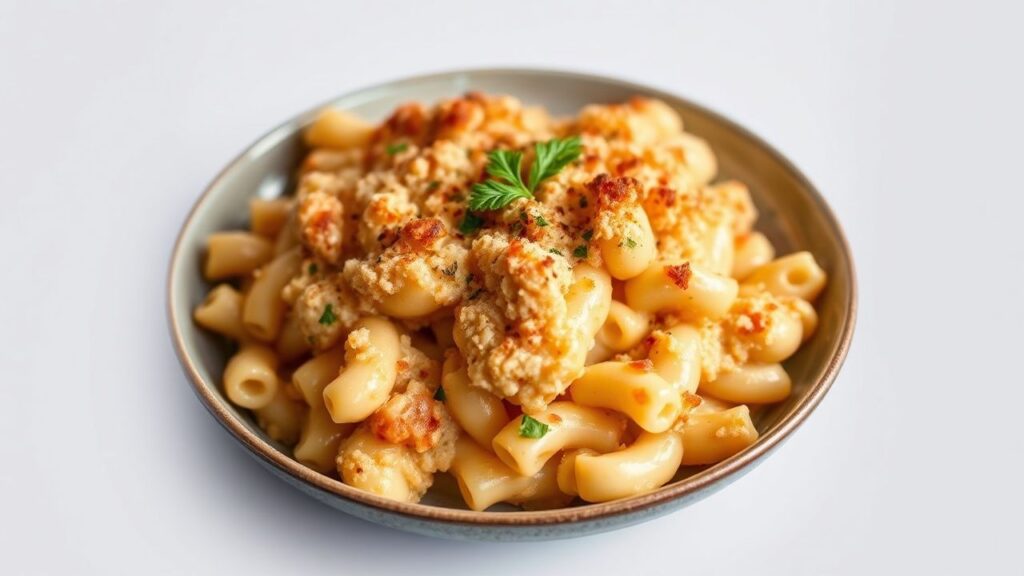
The construction of this dish is a deliberate, step-by-step process designed to ensure optimal texture and flavor. It begins with the pasta, which must be cooked to a perfect al dente. Overcooked pasta will become mushy when baked, compromising the entire dish. A good rule of thumb is to cook it 2-3 minutes less than the package directions suggest, as it will continue to cook in the oven.
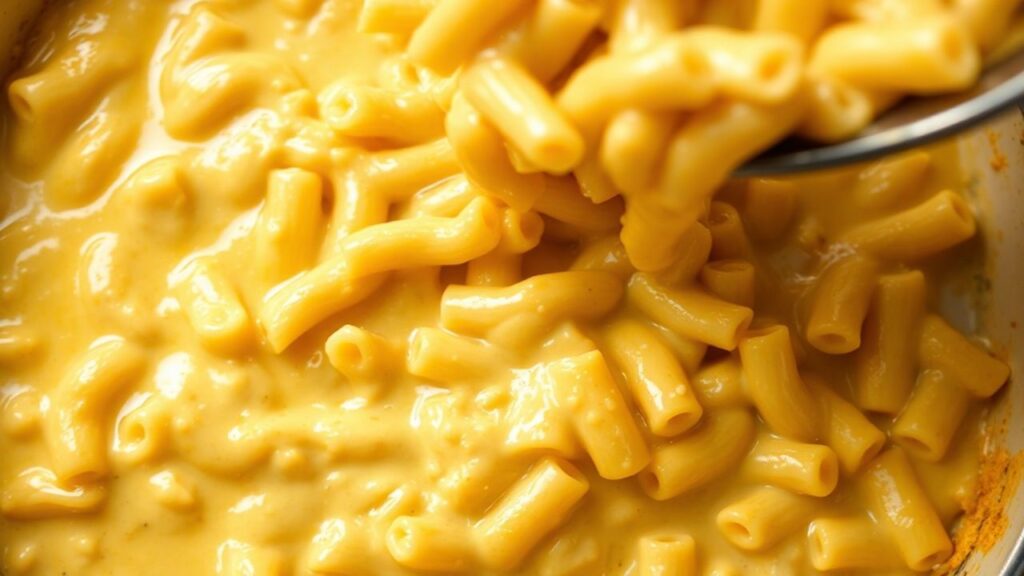
While the pasta cooks, prepare the cheese sauce. In a large, heavy-bottomed saucepan or Dutch oven, melt the 60g of butter over medium heat. Whisk in the 60g of flour and cook, stirring constantly, for about 2 minutes. This is the roux, and cooking it ensures a smooth sauce without a floury taste. Gradually whisk in the warmed milk, a little at a time, ensuring each addition is fully incorporated before adding more. Continue to whisk until the sauce begins to thicken and coats the back of a spoon. Stir in the heavy cream. Remove the pan from the heat.
Now, it’s time for the cheese. Add the grated cheddar, Gruyère, and Fontina to the warm béchamel. Stir gently until all the cheeses are melted and the sauce is smooth and luxurious. Season with salt, pepper, and a pinch of freshly grated nutmeg. The nutmeg, though subtle, adds an aromatic complexity that complements the cheese beautifully. Taste and adjust seasoning as needed. Remember that the cheese itself is salty, so season cautiously.
Drain the al dente pasta and add it directly to the cheese sauce. Stir gently until every piece of pasta is thoroughly coated. Pour this glorious mixture into a greased 9×13 inch (23×33 cm) baking dish. Ensure the pasta is evenly distributed.
Executing the Perfect Crispy Topping
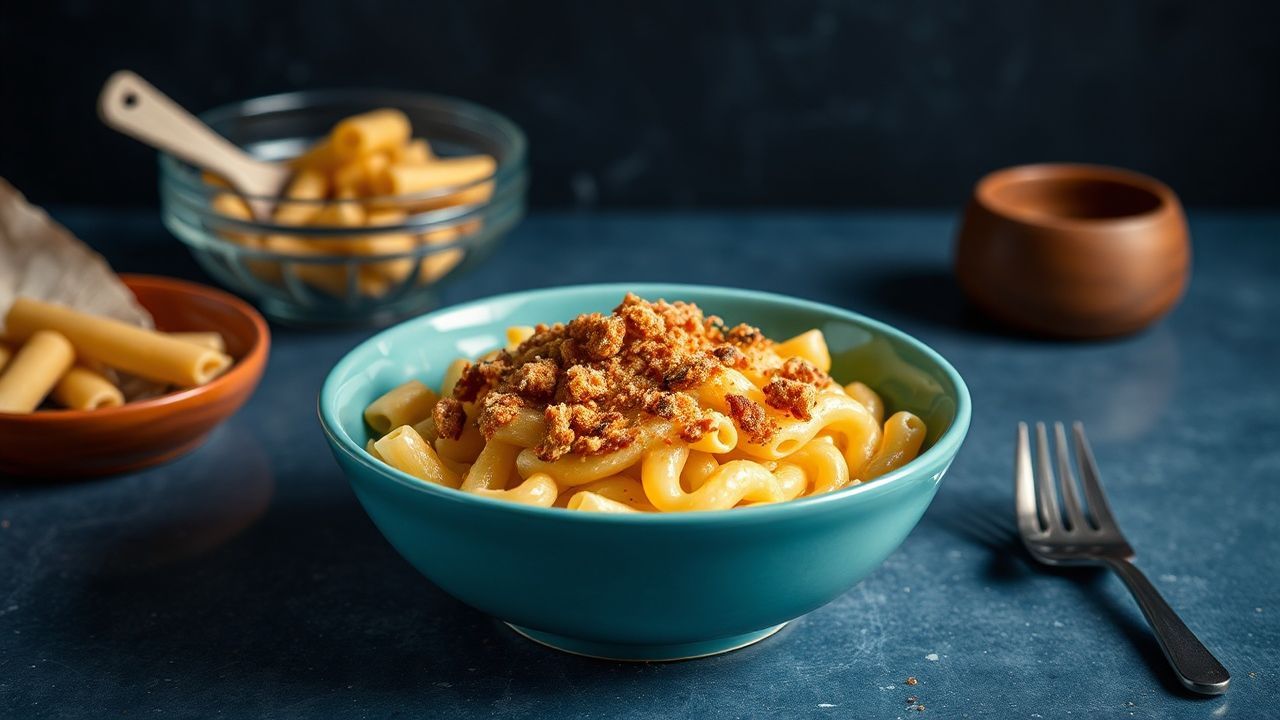
The crowning glory of this mac and cheese is its crispy topping. This is where textural intrigue is born. In a medium bowl, combine the Panko breadcrumbs, finely grated Parmesan cheese, melted butter, optional olive oil, and optional paprika. Toss until the breadcrumbs are evenly coated with the fat. The Panko breadcrumbs are essential for achieving a superior crunch; their larger, irregular flakes create pockets of crispiness that are far more satisfying than finer breadcrumbs. The Parmesan adds a salty, nutty dimension, and the butter ensures they brown beautifully, while olive oil can contribute to an even more robust crispness.
Evenly sprinkle this breadcrumb mixture over the surface of the mac and cheese in the baking dish. Ensure complete coverage for a uniformly golden and crunchy crust. This final layer is what elevates the dish from merely delicious to truly spectacular, providing a delightful counterpoint to the velvety interior.
Baking to Perfection
Preheat your oven to 190°C (375°F). Place the baking dish in the preheated oven and bake for 20-25 minutes, or until the sauce is bubbling around the edges and the topping is golden brown and irresistibly crispy. The goal is to heat the pasta through and allow the flavors to meld, while simultaneously toasting the breadcrumbs to a perfect crispness. If the topping begins to brown too quickly, you can loosely tent the dish with aluminum foil for the last few minutes of baking.
Once baked to perfection, allow the mac and cheese to rest for 5-10 minutes before serving. This resting period is crucial, as it allows the sauce to set slightly, preventing it from being too runny when served. It also ensures that the molten cheese and pasta are not scaldingly hot, making for a more pleasant eating experience. This brief pause is often the hardest part, but it is essential for the dish’s structural integrity and optimal enjoyment.
Nutritional Information (Approximate Per Serving, based on 6 servings)
While the focus is on indulgence, understanding the nutritional profile can be helpful for mindful enjoyment. This data is an estimation and can vary based on specific ingredients and portion sizes.
| Nutrient | Amount |
|---|---|
| Calories | 750 – 850 kcal |
| Protein | 25 – 30g |
| Fat | 45 – 55g |
| Saturated Fat | 25 – 30g |
| Carbohydrates | 60 – 70g |
| Fiber | 3 – 5g |
| Sugar | 5 – 8g |
| Sodium | 800 – 1200mg (highly variable depending on cheese and added salt) |
Keep in mind that this dish is rich and calorically dense, as is typical for many comfort foods. The significant fat content comes from butter, cheese, and cream, which are integral to its luxurious texture and flavor. The carbohydrate content is primarily from the pasta, and the protein comes from the cheese and pasta. Sodium levels can be managed by using lower-sodium cheeses and being judicious with added salt.
Expert Tips for Restaurant-Quality Mac and Cheese
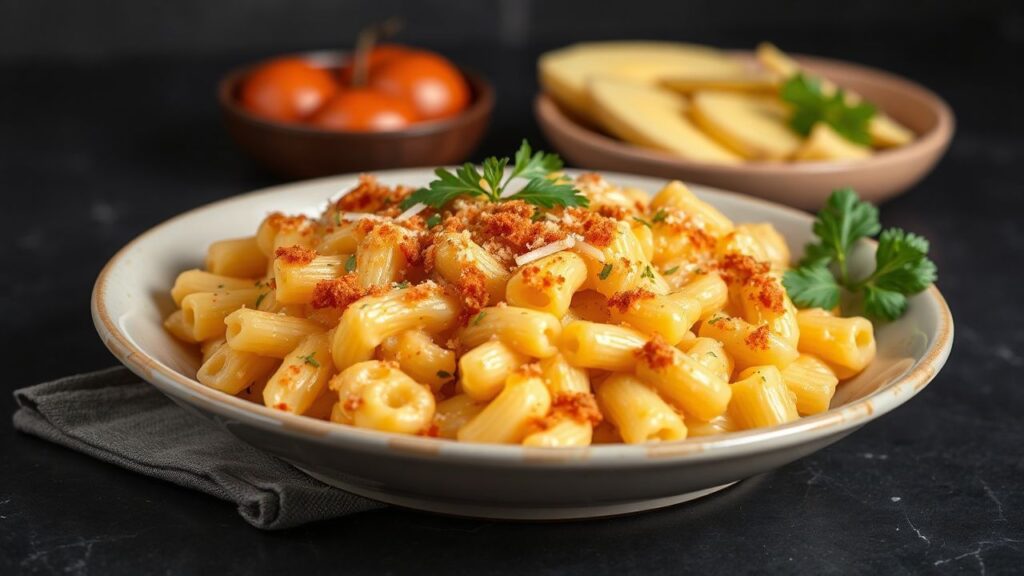
To truly elevate your mac and cheese from home-cooked comfort to restaurant-caliber perfection, consider these advanced techniques and ingredient choices:
- Pasta Choice: While elbow macaroni is classic, consider artisanal dried pastas with ample nooks and crannies, such as fusilli, campanelle, or radiatori. These shapes hold the sauce beautifully. For an even more refined texture, consider using fresh pasta, though its cooking time will be significantly shorter.
- Cheese Maturation: Use well-aged cheeses for the most profound flavor. A 5-year-old cheddar will impart a complexity unmatched by a milder variety. Similarly, a mature Gruyère offers deeper nutty notes.
- Infusing the Milk: For an extra layer of aromatic sophistication, gently warm the milk with aromatics such as a bay leaf, a sprig of thyme, or a clove of garlic before straining and using it to make the béchamel. Remove the aromatics before adding the roux.
- The Cheese Grating Method: Always grate your own cheese from a block. Pre-shredded cheeses contain anti-caking agents that can prevent them from melting smoothly, leading to a less cohesive sauce. A microplane or the fine shredding disc on a food processor works best for achieving a smooth melt.
- A Touch of Mustard: A teaspoon of Dijon mustard or a pinch of dry mustard powder stirred into the cheese sauce can surprisingly enhance the cheese flavors without imparting a distinct mustard taste. It acts as a flavor enhancer, much like in some sophisticated chocolate recipes.
- The Double Bake: For an exceptionally crispy topping that remains distinct from the creamy interior, consider a two-stage baking process. Bake the mac and cheese with the topping initially until golden, then remove it from the oven, let it cool for 10 minutes, and then bake it again at a slightly lower temperature. This allows the sauce to set further and the topping to re-crisp.
The textural interplay between the creamy, molten cheese and the crisp, golden topping is the defining characteristic of a truly exceptional mac and cheese. This contrast is not merely incidental; it is the very essence of what elevates the dish. The humble macaroni, enrobed in a velvety sauce, provides the comforting base, while the meticulously prepared topping offers a delightful crunch and a burst of complementary flavors. Achieving this balance requires an understanding of how different ingredients behave under heat and a willingness to employ techniques that enhance textural diversity. The use of Panko breadcrumbs, for instance, is not arbitrary; their larger flake size creates a more pronounced and lasting crispness than traditional breadcrumbs, making a significant difference in the final eating experience. This attention to detail, from the initial roux to the final sprinkle of Parmesan, is what separates a good mac and cheese from an unforgettable one. The history of this dish, as documented in culinary texts, often highlights the textural elements that defined its success in different eras and regions, underscoring the enduring importance of the crispy element.
Consider the case of a renowned French chef, Auguste Escoffier, who, in his seminal work “Le Guide Culinaire,” detailed numerous preparations of gratins and baked pasta dishes. While not specifically mac and cheese, his meticulous approach to béchamel sauces and the creation of golden, crisp crusts using breadcrumbs and cheese reflects the very principles we apply here. The emphasis on quality ingredients – rich butter, fresh milk, and finely grated cheese – and precise cooking temperatures were paramount to achieving the desired textural and flavor outcomes. This historical precedent demonstrates that the pursuit of a perfect crispy topping on baked pasta dishes is a culinary tradition rooted in classic technique, rather than a modern fad. It speaks to a fundamental human appreciation for the interplay of soft and crunchy textures in food.
Conclusion: The Enduring Appeal of Mac and Cheese with a Crispy Topping
The journey from simple pasta and cheese to a sophisticated, textural delight is proof of the power of culinary craftsmanship. Mac and cheese with a crispy topping is more than just a dish; it’s an experience that engages multiple senses, offering comfort, indulgence, and a satisfying crunch. By understanding the fundamental principles of sauce making, cheese selection, pasta cooking, and the art of the crispy topping, any home cook can achieve results that rival those of the finest restaurants. It’s a dish that invites personalization, allowing for endless variations based on personal preference and available ingredients. Whether for a weeknight family dinner or a special occasion, this elevated mac and cheese promises to be a crowd-pleaser, a culinary hug that never fails to impress.
The enduring appeal of mac and cheese, particularly when enhanced with a perfectly executed crispy topping, lies in its ability to satisfy both our need for comfort and our desire for culinary excitement. It’s a dish that respects its humble origins while embracing the potential for sophisticated execution. The subtle nuances in cheese blending, the precise cooking of the pasta, and the careful construction of the topping all contribute to a final product that is both familiar and revelatory. It embodies the very best of comfort food – deeply satisfying, incredibly flavorful, and always a joy to eat. The pursuit of the perfect crispy topping is not just about adding a crunchy element; it’s about creating a complete sensory experience, a harmonious balance of creamy and crunchy that makes each bite an occasion.
Frequently Asked Questions
What is the best type of pasta for mac and cheese?
The ideal pasta for mac and cheese is one with plenty of nooks and crannies to capture the creamy sauce. Elbow macaroni is a classic choice for its familiarity and sauce-holding ability. However, short, twisted pasta shapes like cavatappi, fusilli, shells (conchiglie), or radiatori are also excellent options. For a more artisanal feel, explore shapes like campanelle or farfalle. The key is that the pasta should be cooked to al dente, as it will continue to cook in the oven. Avoid long pasta shapes like spaghetti or linguine, which don’t hold the sauce as effectively.
How do I prevent my mac and cheese from becoming greasy?
Grease in mac and cheese typically arises from one of two issues: the type of cheese used or the method of sauce preparation. High-fat cheeses, especially processed ones that contain emulsifiers, can contribute to greasiness. Opt for high-quality, natural cheeses and grate them yourself from blocks. When making the cheese sauce, ensure your roux is properly cooked and that you add the cheese off the heat or at very low heat. Stir gently until just melted. Overheating or vigorously stirring the cheese sauce can cause the fat to separate from the milk solids, resulting in a greasy texture. Using a bit of starch-thickened milk (béchamel) as the base helps to emulsify the fat and create a stable, creamy sauce.
Can I make mac and cheese ahead of time?
Yes, mac and cheese can be made ahead of time, but it requires careful planning to maintain its quality. You can prepare the cheese sauce and cook the pasta separately, then combine them and refrigerate. When ready to bake, pour the mixture into your baking dish, prepare the crispy topping, and then bake as usual, potentially adding a few extra minutes to ensure it heats through completely. Alternatively, you can assemble the entire dish, cover it tightly, and refrigerate it for up to two days. When baking a chilled dish, it’s advisable to let it sit at room temperature for about 30 minutes before baking, or increase the baking time by 10-15 minutes to ensure it’s heated through. The crispy topping might not be as perfectly crisp if made too far in advance, so consider adding it just before baking for the best results.
What makes Panko breadcrumbs superior for a crispy topping?
Panko breadcrumbs, originating from Japan, are made from white bread that has been processed into fine flakes and then baked without a crust. This unique processing results in larger, airier flakes compared to traditional breadcrumbs. When baked, these flakes absorb less fat and retain their crispness for longer, creating a lighter, crunchier, and more appealing texture. They toast to a beautiful golden brown, providing a satisfying textural contrast to the creamy mac and cheese that is unparalleled by finer breadcrumbs, which can sometimes become dense or absorb too much moisture and become soggy.
See also: Mac and cheese