

Swap Oil for Applesauce: A Healthier Baking Hack Guide
In a world where every spoonful counts toward better health, reimagining your favorite recipes can spark a delicious revolution. Imagine diving into a freshly baked muffin or cake that’s just as moist and flavorful—but with a secret twist that swaps out oil for something far friendlier to your waistline. Enter applesauce: the humble fruit puree that’s quietly transforming kitchens and redefining what’s possible in the art of baking. This guide will take you on a creative journey through the magic of substituting oil with applesauce, unveiling a healthier baking hack that’s as simple as it is scrumptious. Say goodbye to guilt and hello to guilt-free indulgence!
- Swap Oil for Applesauce: A Healthier Baking Hack Guide
- Prep and Cook Time
- Yield
- Difficulty Level
- Ingredients
- The Science Behind the Swap
- Why Applesauce is a Baking Superstar
- Mastering the 1:1 Ratio
- Adjusting for Optimal Texture
- Flavor Pairings and Enhancements
- When to Use Applesauce and When to Reconsider
- Integrating Applesauce into Your Baking Routine
- Tips for Success
- Serving Suggestions
- Q&A
- Q1: Why should I consider swapping oil for applesauce in baking?
- Q2: Does applesauce change the texture of baked goods?
- Q3: How much applesauce should I use to replace oil?
- Q4: Will using applesauce affect the flavor of my baked goods?
- Q5: Can I use flavored or sweetened applesauce for the swap?
- Closing Remarks
At a Glance: Key Takeaways
- Applesauce significantly reduces fat and calories in baked goods.
- It enhances moisture and adds natural sweetness, reducing sugar needs.
- The swap is ideal for cakes, muffins, and brownies but less so for crispy items.
- Unsweetened applesauce is crucial for flavor and sugar control.
Discover the transformative magic of substituting oil with applesauce in your favorite baked goods. This simple swap not only enhances moisture but also infuses natural sweetness and reduces calories, making your treats both delicious and guilt-free. Embracing this baking hack brings a subtle fruity twist that enriches texture and flavor without sacrificing indulgence.
Prep and Cook Time
- Preparation: 10 minutes
- Cooking/Baking: 25-35 minutes (varies by recipe)
- Total Time: Approximately 40-45 minutes
Yield
- Yields approximately 12 standard servings (for muffins or cupcakes)
Difficulty Level
- Easy – perfect for beginners eager to experiment with healthier baking alternatives
Ingredients
- 1 cup all-purpose flour, sifted
- 1/2 cup unsweetened applesauce (acts as the oil replacement)
- 1/2 cup brown sugar, packed
- 2 large eggs, at room temperature
- 1 tsp baking soda
- 1/2 tsp salt
- 1 tsp vanilla extract
- 1/2 cup milk (dairy or plant-based)
- Optional: 1/2 cup chopped nuts or chocolate chips for texture and flavor depth
The Science Behind the Swap
The fundamental difference between oil and applesauce lies in their composition. Oil is pure fat, providing richness and tenderness by interfering with gluten development. Applesauce, conversely, is primarily water and carbohydrates derived from fruit sugars and fiber. This water content contributes significantly to moisture, while the natural sugars offer sweetness.
This water-based substitution can lead to a softer crumb structure in baked goods. While oil coats flour particles to prevent excessive gluten formation, the water in applesauce hydrates the flour, which can lead to a slightly denser texture if not managed properly. Understanding this dynamic helps bakers achieve the perfect balance of moistness and structure.
Why Applesauce is a Baking Superstar
Applesauce offers a unique set of advantages when it comes to healthier baking. Its high water content is a natural humectant, meaning it attracts and retains moisture within the baked item, keeping it tender and fresh for longer periods. This is a significant benefit compared to oil, which can sometimes lead to greasiness.
Beyond moisture, applesauce contributes a subtle, natural sweetness. This characteristic allows bakers to potentially reduce the amount of added sugar in their recipes without sacrificing palatability. This reduction in sugar, combined with the decrease in fat from replacing oil, results in a significantly lower-calorie treat.
Nutritional Advantages of Applesauce
When you swap oil for applesauce, you’re not just changing the fat content; you’re introducing beneficial nutrients. Applesauce provides dietary fiber, which is crucial for digestive health and can contribute to feelings of fullness, aiding in weight management. It also contains vitamins and antioxidants inherent to apples.
Consider the impact on overall dietary profiles. Replacing the fat calories from oil with the complex carbohydrates and fiber from applesauce can shift the nutritional balance of your baked goods, making them a more wholesome choice. This aligns with modern dietary recommendations that emphasize whole foods and reduced intake of saturated fats.
Mastering the 1:1 Ratio
A common and effective guideline for substituting oil with applesauce is the 1:1 ratio. For every cup of oil called for in a recipe, you can typically use one cup of unsweetened applesauce. This straightforward conversion makes the process accessible even for novice bakers.
It’s crucial to emphasize the use of unsweetened applesauce. Flavored or sweetened varieties can introduce unwanted sugar and artificial flavors that may clash with your recipe’s intended taste profile. Unsweetened applesauce provides a neutral base that allows your other ingredients to shine.
Adjusting for Optimal Texture
While the 1:1 ratio is a great starting point, some recipes might benefit from minor adjustments. Because applesauce contains water, you might find that delicate batters become slightly too wet. In such cases, consider reducing other liquids in the recipe by one to two tablespoons per cup of applesauce used.
Furthermore, the water content can sometimes lead to a denser crumb. If you desire a lighter, airier texture, you can experiment with adding an extra egg yolk or, for a more advanced technique, gently folding in separately beaten egg whites. This introduces more richness and leavening, respectively.
Dealing with Denser Crumb
A slightly denser texture is a common outcome when substituting oil with applesauce, due to the difference in fat content and water presence. Oil’s fat molecules coat flour proteins, inhibiting gluten formation and resulting in a tender, less dense product. Applesauce’s water hydrates flour, encouraging gluten development.
To counteract excessive density, consider incorporating a leavening agent boost. A small increase in baking powder or baking soda, or the aforementioned addition of whipped egg whites, can help aerate the batter. This ensures your baked goods achieve a pleasing lift and a tender interior.
Flavor Pairings and Enhancements
Applesauce itself possesses a mild, pleasant fruity flavor that can complement a wide range of baked goods. It pairs exceptionally well with warm spices like cinnamon, nutmeg, and cloves, enhancing the overall cozy and comforting profile of treats like muffins and quick breads.
Don’t hesitate to experiment with additional flavor boosters. A touch of citrus zest, such as lemon or orange, can add brightness and cut through the sweetness. Vanilla extract remains a classic, but almond extract can offer a more sophisticated nutty undertone that harmonizes beautifully with apple.
The inherent moisture retention of applesauce also means your baked goods can stay fresh longer. This is particularly beneficial for items like muffins and cakes that are often enjoyed over several days. The applesauce helps prevent them from drying out prematurely.
When to Use Applesauce and When to Reconsider
The applesauce swap shines brightest in recipes where moisture and a tender crumb are paramount. Think classic chocolate chip muffins, moist spice cakes, and rich brownies. The subtle fruitiness often goes unnoticed or is a welcome enhancement in these contexts.
However, for baked goods where a crisp exterior or a flaky texture is the primary goal, such as sugar cookies, shortbread, or pie crusts, applesauce is generally not the ideal substitute. The high water content can prevent the dough from crisping up properly during baking.
Best Applications for Applesauce Substitution
Consider incorporating applesauce into your favorite recipes for:
- Muffins and Cupcakes: Achieve a wonderfully moist and tender crumb.
- Cakes: Enjoy a softer, more hydrated cake that stays fresh longer.
- Brownies and Blondies: Develop a fudgy, moist texture.
- Quick Breads: Enhance the overall moistness and shelf life.
Situations Where Oil is Preferred
In contrast, retain oil for recipes demanding:
- Crispy Cookies: Oil contributes to spread and crispness.
- Flaky Pastries: Fat is essential for creating layers.
- Certain Fried Goods: Oil is integral to the frying process.
Integrating Applesauce into Your Baking Routine
Making the switch to applesauce is a simple yet impactful way to elevate the health profile of your homemade treats. It requires minimal effort but delivers significant benefits in terms of reduced fat, calories, and added sugar.
Start by trying the substitution in a recipe you make frequently. This allows you to easily compare the results and appreciate the subtle improvements in moisture and texture. Familiarity with the outcome in a known recipe builds confidence for further experimentation.
Tips for Success
- Use unsweetened applesauce to maintain control over added sugars and preserve the balancing flavor profile.
- When swapping applesauce for oil, use a 1:1 ratio for cakes and muffins, but slightly reduce liquid if your recipe is delicate (cut back by 1-2 tablespoons).
- For a richer taste, complement applesauce with spices like cinnamon or nutmeg-these elevate warmth and complexity.
- If you notice a denser crumb, gently fold in beaten egg whites separately for extra lift.
- Make ahead: bake your treats and store airtight for up to 3 days or freeze for a month. Applesauce helps preserve moist freshness longer than oil.
Serving Suggestions
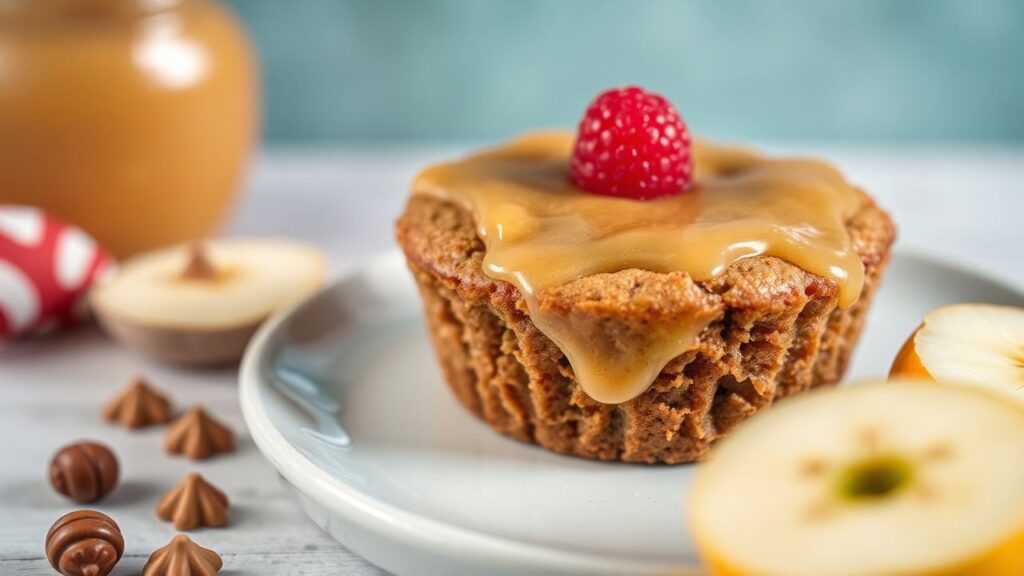
Present these moist delights with a light dusting of powdered sugar or a drizzle of warm honey. For a festive touch, top with a swirl of cinnamon cream cheese frosting or fresh fruit slices like apples or pears to echo the natural flavor. Perfect alongside a steaming cup of chai or herbal tea, these goodies are a wholesome way to satisfy sweet cravings without compromising your wellness goals.
| Nutrient | Per Serving (1 muffin) |
|---|---|
| Calories | 150 |
| Protein | 3g |
| Carbohydrates | 28g |
| Fat | 1.5g |
For more healthy baking hacks, be sure to check out our Healthy Baking Substitutions guide. For additional scientific insights on the effects of applesauce in baking, explore this informative Science Daily article.
Q&A
Q1: Why should I consider swapping oil for applesauce in baking?
Swapping oil for applesauce not only cuts down on unhealthy fats but also adds natural sweetness and moisture to your baked goods. It’s a simple way to sneak in extra nutrients without compromising taste or texture.
Q2: Does applesauce change the texture of baked goods?
Yes, a bit! Applesauce lends a tender, moist crumb and can make cakes, muffins, and brownies softer. However, because it has more water content than oil, you might notice a denser finish. It’s perfect for those who prefer a moist, chewy bite.
Q3: How much applesauce should I use to replace oil?
The general rule of thumb is to swap oil with an equal amount of unsweetened applesauce. For example, if a recipe calls for 1 cup of oil, use 1 cup of applesauce instead.
Q4: Will using applesauce affect the flavor of my baked goods?
Applesauce adds a mild fruity note that complements many recipes. It works especially well in cinnamon, spice, and chocolate treats. To maintain control over sweetness, choose unsweetened applesauce.
Q5: Can I use flavored or sweetened applesauce for the swap?
It’s best to use unsweetened applesauce for accurate taste and sugar content control. Sweetened or flavored varieties may alter the flavor profile and make your baked goods excessively sweet.
Embrace this juicy swap and watch your favorite recipes transform into healthier, moist, and subtly fruity delights. Happy baking!
Closing Remarks
In the grand recipe of life, small swaps can yield deliciously big rewards. By trading oil for applesauce, you’re not just cutting calories—you’re inviting moisture, natural sweetness, and a burst of nutrients into your baked creations. This simple yet savvy switch transforms everyday treats into healthier indulgences without sacrificing flavor or texture.
So next time you reach for the oil, consider reaching for a jar of applesauce instead—your taste buds and your body will thank you. Happy baking, and here’s to healthier hacks that make every bite a little brighter!

See also: applesauce substitution