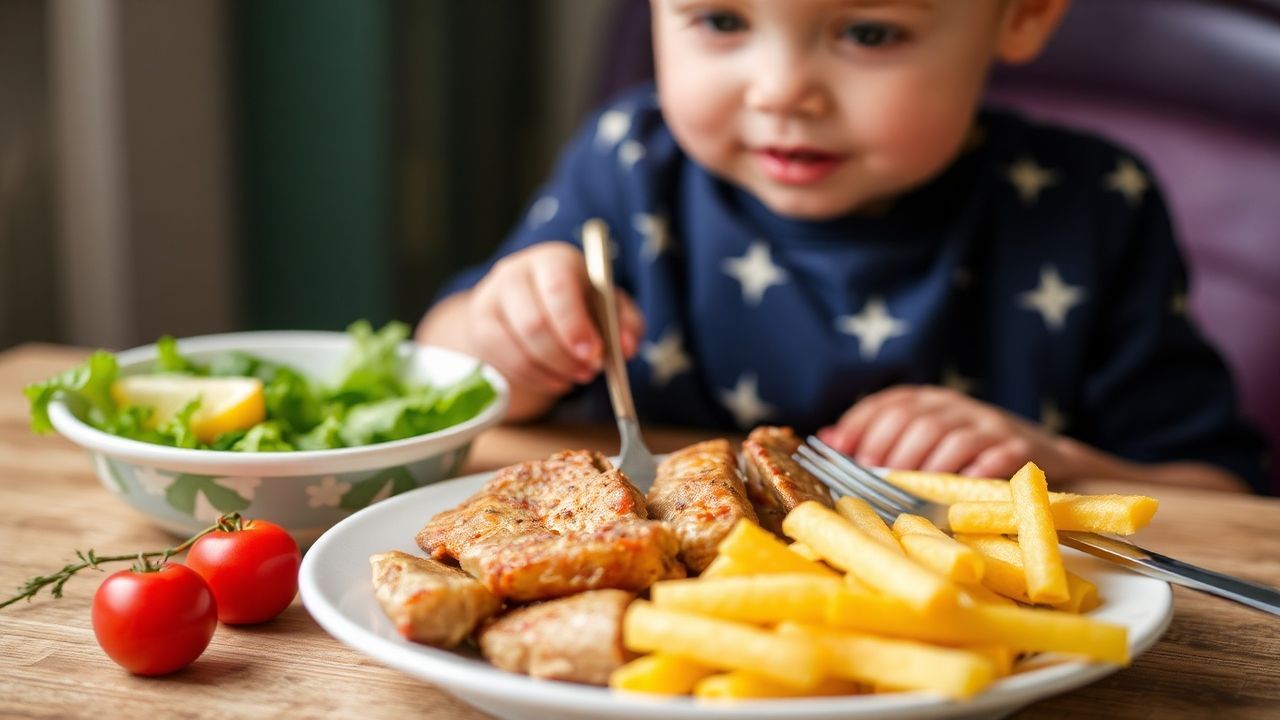

When Toddlers Say No to Meat: Tips for Picky Eaters
Picture this: you’ve lovingly prepared a colorful plate of tender chicken, juicy beef, or flaky fish, only to be met with a defiant—and very toddler-sized—”No!” As any parent knows, mealtime with a picky eater can feel like navigating a minefield, especially when it comes to meat. Toddlers saying no to meat is more common than you might think, and while it can spark worry about nutrition, it’s also an opportunity to explore creative approaches to feeding. We’ll dive into why your little one might be turning their tiny nose up at meat and share practical, playful tips to help even the most stubborn meat avoiders develop a taste for protein-packed meals. Let’s turn those mealtime battles into bite-sized victories!
- When Toddlers Say No to Meat: Tips for Picky Eaters
- Understanding the Toddler ‘No’ to Meat
- Creative Alternatives to Boost Protein Intake Without Meat
- Other Protein-Rich Foods Toddlers Will Love
- Strategies for Encouraging Meat Consumption
- Making Meat More Palatable: Texture and Flavor Tricks
- The Power of Positive Reinforcement and Patience
- When to Seek Professional Advice
- Frequently Asked Questions (FAQ)
- Q1: Why do toddlers often refuse to eat meat?
- Q2: Should I worry if my toddler won’t eat meat at all?
- Q3: How can I introduce meat to a picky toddler without a meltdown?
- Q4: What are some tasty alternatives to meat that toddlers might enjoy?
- Q5: How can I deal with mealtime battles over meat?
- Q6: Can involving toddlers in cooking help with their meat aversion?
- Q7: When should I consult a pediatrician or nutritionist?
- Q8: What’s the bottom line for parents facing a meat-phobic toddler?
- Concluding Thoughts on Toddler Nutrition
At a Glance: Tackling Toddler Meat Aversion
- Protein is crucial, but meat isn’t the only source.
- Texture and flavor sensitivity are common in toddlers.
- Creative preparation and presentation are key.
- Patience and positive reinforcement yield the best results.
Understanding the Toddler ‘No’ to Meat
Toddlers are in a critical developmental phase where they begin asserting independence. This newfound autonomy often manifests at the dinner table, making their food choices a battleground. Meat, with its varied textures and sometimes strong flavors, can be an easy target for their resistance. It’s a normal part of their growth, not necessarily a reflection of your cooking skills.
Their sensory systems are also highly developed. The chewiness of steak, the flakiness of fish, or even the firmness of chicken can be overwhelming for a toddler’s sensitive palate and digestive system. They might simply find the sensation unpleasant, leading to an outright rejection of meat-based dishes. Understanding these underlying reasons is the first step in finding solutions.
Why the Resistance? Exploring Common Causes
Several factors contribute to a toddler’s refusal of meat. Sometimes, it’s purely about texture. A tough piece of meat or something that requires a lot of chewing can be a significant hurdle. This is especially true if they’ve had a negative experience with a similar texture in the past.
Flavor is another major player. Toddlers have more taste buds than adults, meaning that what tastes mildly seasoned to you might be overpowering to them. The inherent taste of meat can be off-putting if they haven’t been gradually exposed to it. This is where gentle introduction and milder flavor profiles become essential.
Independence is a powerful motivator for toddlers. Saying “no” is one of the first ways they learn to exert control over their environment. Food is a very accessible area for them to practice this. They understand that refusing to eat can get a reaction, which can inadvertently reinforce the behavior.
Beyond taste and texture, growth spurts and fluctuating appetites also play a role. A toddler’s hunger levels can change dramatically from day to day. What they loved yesterday might be ignored today. This inconsistency can be frustrating for parents but is a normal part of their rapid development.
Creative Alternatives to Boost Protein Intake Without Meat
When toddlers say no to meat, nurturing their growing bodies with ample protein might feel like a puzzle. However, creative plant-based and dairy-rich options can become flavorful favorites that gently introduce the concept of protein, supporting both nutritional needs and budding taste buds. These alternatives are often softer and more appealing in texture.
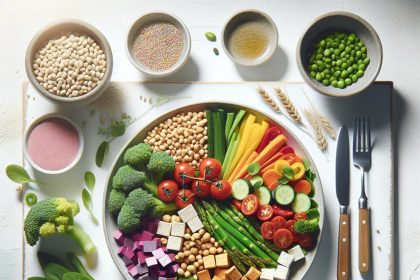
Focusing on protein sources that are naturally appealing to toddlers can be a breakthrough. Think about foods that offer a smooth, creamy, or slightly crisp texture. These can be easily incorporated into meals without the perceived “meatiness” that might trigger their aversion. The goal is to ensure they’re getting the necessary building blocks for growth, even if it’s not from traditional meat sources.
Quinoa and Lentil Power Patties Recipe
These patties offer a delicious, nutrient-dense alternative when meat is off the table. They are packed with protein from quinoa and lentils, making them a fantastic option for picky eaters. The mild flavors and soft texture are designed to be toddler-friendly.
Prep: 15 minutes | Cook: 20 minutes | Total: 35 minutes
Serves: 4 toddlers (about 1/4 cup per serving)
Difficulty Level: Easy
Ingredients:
- 1 cup cooked quinoa (rinsed and fluffy)
- 1/2 cup cooked lentils, soft and well-drained
- 1/4 cup grated mild cheddar cheese
- 1 small carrot, finely grated
- 1/4 cup finely chopped spinach (fresh or frozen, thawed)
- 1 large egg (room temperature)
- 2 tbsp whole wheat breadcrumbs
- 1 clove garlic, minced (optional, for subtle flavor)
- 1 tsp mild paprika
- 2 tbsp olive oil (for cooking)
- A pinch of salt (optional, toddler-appropriate)
Instructions:
- Combine the quinoa, cooked lentils, grated cheese, carrot, spinach, garlic, and paprika in a large mixing bowl. Stir gently to distribute ingredients evenly. This creates the base for your nutritious patties.
- Whisk the egg in a small bowl before adding to the mixture. The egg acts as a binder, helping everything hold together smoothly during shaping and cooking.
- Add the breadcrumbs and a pinch of salt, then mix thoroughly until the mixture holds together but remains soft enough to shape. Adjust breadcrumbs if needed for consistency.
- Shape the mixture into small, toddler-friendly patties roughly 2 inches in diameter. This size fits tiny hands perfectly and makes them easy to handle and eat.
- Heat olive oil in a non-stick pan over medium heat. Once shimmering, place the patties gently in the pan without overcrowding. This ensures even cooking and a nice golden crust.
- Sauté until golden brown, about 4-5 minutes on each side, turning carefully with a spatula to keep them intact. Patience here prevents breakage.
- Transfer cooked patties to a paper towel-lined plate to drain excess oil and cool slightly before serving. Ensuring they are not too hot is crucial for little ones.
Chef’s Notes:
- For gluten-free options, substitute breadcrumbs with crushed gluten-free cereal or almond meal. This caters to common dietary needs.
- Swap mild cheddar for shredded mozzarella or a dairy-free cheese to accommodate dietary needs. Variety keeps meals interesting.
- If the mixture feels too dry, add a splash of milk or a spoonful of unsweetened applesauce for moisture. This helps achieve the right consistency.
- Make-ahead: These patties freeze well. Lay in a single layer on a baking sheet, freeze solid, then store in an airtight container for up to 1 month. Reheat in a toaster oven or skillet. This is a lifesaver for busy parents.
- Incorporate finely chopped herbs like parsley or basil to enhance flavor and entice curious palates. Fresh herbs add a subtle, appealing aroma.
Serving Suggestions:
- Serve with a dollop of creamy Greek yogurt mixed with mild honey or mashed avocado for dipping. Dips make eating fun and encourage interaction with food.
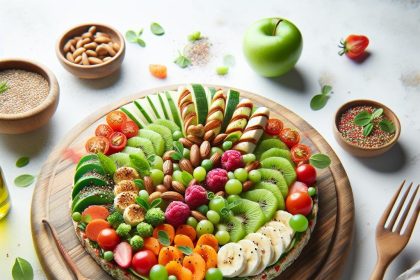
- Pair with soft steamed vegetables like baby carrots, peas, or lightly seasoned sweet potato cubes. Colorful plates invite excitement and make meals visually appealing.
- Introduce these patties on a small colorful plate alongside bite-sized fruit pieces to encourage a balanced meal experience. Variety in color and texture is key.
- Garnish with a sprinkle of finely chopped chives or edible flowers for a visually appealing dish that fosters engagement. Little touches can make a big difference in a toddler’s perception.
| Nutrient | Per Serving (1 patty) |
|---|---|
| Calories | 85 |
| Protein | 5g |
| Carbohydrates | 10g |
| Fat | 3g |
These quinoa and lentil patties offer an enticing protein-packed alternative designed to gently welcome toddlers into the world of savory flavors without meat. Pairing visual appeal, soft textures, and mild seasoning helps build a foundation of positive eating habits, making mealtime a joyful adventure. The nutritional breakdown shows a good balance for a toddler’s needs.
For more creative toddler-friendly protein recipes, check out our Healthy Toddler Protein Recipes. Learning from nutrition experts, such as those at the Academy of Nutrition and Dietetics, can ensure balanced growth and development for your little one.
Other Protein-Rich Foods Toddlers Will Love
Beyond the quinoa and lentil patties, a world of other protein-rich foods can satisfy your toddler. Eggs are a powerhouse of nutrition, easily prepared as scrambled eggs, omelets, or hard-boiled. Their soft texture and mild flavor are usually a hit with little ones.
Dairy products are another excellent source. Yogurt, especially Greek yogurt, is high in protein and comes in many flavors. Cheese, in various forms like string cheese, cubes, or shredded on dishes, is also a popular and nutritious choice. Ensure you opt for full-fat versions for essential brain development.
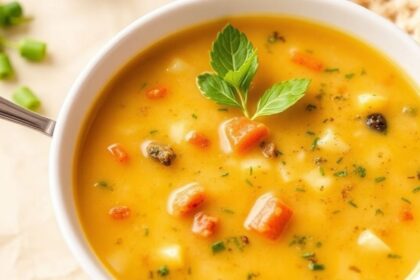
Legumes such as beans and peas are versatile and packed with protein and fiber. They can be mashed into dips, added to soups, or served as a side dish. Tofu, with its neutral flavor and soft texture, can be a surprise favorite when prepared in fun ways, like baked or pan-fried “nuggets.”
Nuts and seeds, in appropriate forms, also contribute to protein intake. Nut butters spread thinly on toast or fruit can be a good option, but always be mindful of choking hazards and allergies. Introducing these diverse protein sources helps ensure a well-rounded diet.
Incorporating Fish and Poultry Safely
While your toddler may refuse red meat, they might be more open to fish or poultry. Fish, particularly milder varieties like salmon or cod, offers omega-3 fatty acids beneficial for brain development. Ensure it’s deboned and flaked into small, manageable pieces.
Chicken and turkey, when cooked until tender and shredded or finely diced, can be integrated into familiar dishes. Think small pieces in pasta, rice, or even blended into a sauce. The key is making the texture as non-threatening as possible.
Always ensure poultry and fish are cooked thoroughly to prevent foodborne illnesses. Smoothies can be a clever way to incorporate a small amount of cooked chicken or fish, masked by fruits and yogurt, for a nutritional boost.
The Role of Dairy and Other Alternatives
For many toddlers, dairy is a primary source of protein. Milk, cheese, and yogurt provide essential calcium and vitamin D, crucial for bone health. Full-fat versions are recommended for toddlers under two, as they need the extra calories and fats for development.
Soy products, like fortified soy milk and tofu, are excellent plant-based alternatives. They offer a complete protein profile and can be easily adapted to toddler preferences. Exploring these options ensures a diverse and nutrient-rich diet.
Strategies for Encouraging Meat Consumption
When you decide to reintroduce meat or encourage its consumption, approach it with creativity and patience. The goal is to make meat less intimidating and more appealing. This often involves altering its form and pairing it with beloved flavors.
Finely mincing or shredding meat allows it to blend seamlessly into other dishes. Think of adding it to pasta sauces, quesadillas, or even pancake batter. This way, they consume protein without the challenging texture of a solid piece of meat. Small, manageable pieces are key.
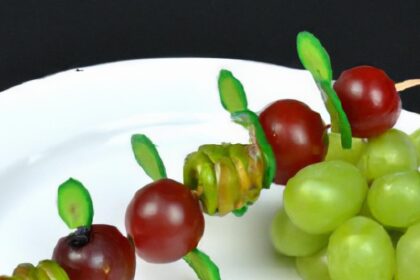
Presentation matters immensely to toddlers. Cutting meat into fun shapes using cookie cutters can make it more engaging. Offering “dippable” meats, like small strips of tender chicken or beef, paired with a favorite sauce or dip, can also encourage them to try it.
Involving your toddler in the preparation process, even in small ways, can foster a sense of ownership and curiosity. Let them wash vegetables, stir ingredients (with supervision), or even choose which spice to add. This hands-on experience often translates into a willingness to taste.
Making Meat More Palatable: Texture and Flavor Tricks
The texture of meat is often the biggest hurdle. Tenderizing meat through slow cooking, braising, or marinating can significantly improve its palatability. Once cooked, finely chopping, grinding, or shredding it can transform it into something much more manageable for a toddler.
Flavor can be adjusted to suit a toddler’s palate. Instead of strong spices, opt for mild herbs and vegetables. A small amount of grated cheese, a touch of mild tomato sauce, or a hint of sweetness from roasted vegetables can make meat dishes more inviting. Always start with very subtle flavors.
Consider meat in forms that are naturally appealing to toddlers, like small meatballs or cut into “fries.” These finger foods are easy to grasp and manage, making the eating process less daunting. The novelty of a “fry” shape can be enough to pique their interest.
The Power of Positive Reinforcement and Patience
Mealtime should be a positive experience. Avoid pressure, coercion, or punishment, as this can create lasting negative associations with food. Instead, focus on encouragement and celebrating small successes. Even a lick or a tiny bite is progress.
Patience is paramount. Toddlers’ tastes are constantly evolving. What they refuse today might be accepted next week or next month. Continue offering a variety of foods, including meat in different forms, without making it a battle. Consistent, low-pressure exposure is often the most effective strategy.
Creating a relaxed and enjoyable mealtime environment is crucial. Eat together as a family whenever possible. Children learn by observing their parents and siblings. If they see you enjoying a variety of foods, including meat, they are more likely to be curious and willing to try.
When to Seek Professional Advice
While picky eating is common, there are times when professional guidance is beneficial. If your toddler is consistently refusing entire food groups, showing signs of significant weight loss or poor growth, or if you have persistent concerns about their nutritional intake, it’s wise to consult a healthcare professional.
A pediatrician can assess your child’s overall health and development. They may refer you to a registered dietitian or a pediatric nutritionist who specializes in child feeding. These experts can provide tailored advice, identify potential nutrient deficiencies, and offer strategies to address extreme picky eating.
Understanding the nutritional needs of toddlers is critical. Protein is essential for muscle development, immune function, and overall growth. While meat is a convenient source, a qualified professional can help you create a balanced meal plan that meets these needs using a variety of foods, ensuring your child thrives.
Frequently Asked Questions (FAQ)
Q1: Why do toddlers often refuse to eat meat?
Toddlers are naturally developing their own tastes and preferences, and meat’s texture or flavor can be overwhelming. Their tiny taste buds are more sensitive, making strong flavors like cooked meat seem unappealing. Plus, picky eating is a normal part of asserting independence.
Q2: Should I worry if my toddler won’t eat meat at all?
Not necessarily! As long as your child gets a balanced diet with enough protein from other sources—like beans, lentils, eggs, dairy, or tofu—meat isn’t the only path to good nutrition. Variety and creativity are key to ensuring they meet their dietary needs from diverse sources.
Q3: How can I introduce meat to a picky toddler without a meltdown?
Start small and playful! Try finely chopping or mincing meat into familiar dishes like pasta sauces or meatballs. Pair meat with favorite flavors and encourage tasting without pressure. Sometimes transforming meat into finger foods can make it more approachable and less intimidating.
Q4: What are some tasty alternatives to meat that toddlers might enjoy?
Sweet potato nuggets, mashed beans, quinoa, scrambled eggs, and cheese can be delicious and protein-packed options. Experiment with textures—smooth, creamy, or crispy—to find what your toddler prefers. Exploring a range of textures can unlock new food preferences.
Q5: How can I deal with mealtime battles over meat?
Keep calm and keep offering. Avoid forcing or turning mealtime into a struggle—this can create negative associations. Make meals fun with colorful plates, dips, or even a game like “taste tester” to engage their curiosity and make food exploration an adventure.
Q6: Can involving toddlers in cooking help with their meat aversion?
Absolutely! Letting toddlers help with simple tasks like stirring, assembling, or choosing ingredients can boost their interest in food. When they feel part of the process, they’re often more willing to try what they helped make, fostering a sense of accomplishment.
Q7: When should I consult a pediatrician or nutritionist?
If your toddler refuses meat and other protein sources persistently, or if you’re worried about growth and health, it’s a good idea to seek professional advice. They can guide you on balanced nutrition, potential supplements, and strategies to overcome feeding challenges.
Q8: What’s the bottom line for parents facing a meat-phobic toddler?
Patience, creativity, and flexibility are your best friends. Toddlers’ tastes change rapidly, and what’s rejected today might be savored tomorrow. Focus on balanced eating habits and creating positive mealtime experiences rather than perfection. The journey of food exploration is a marathon, not a sprint.
Concluding Thoughts on Toddler Nutrition
Navigating the world of toddler mealtime battles can feel like an adventurous expedition, especially when “no” becomes their favorite word—particularly when it comes to meat. But remember, this phase is just a chapter in their ever-evolving story of taste and texture exploration. By offering patience, creative alternatives, and a splash of nutritional know-how, you can transform mealtime from a battlefield into a playground of possibilities.
Embrace the journey with an open mind and a few handy tricks up your sleeve, and watch your little one gradually discover that nourishing their growing bodies can be delicious—one bite at a time. The ultimate goal is to foster a healthy relationship with food that lasts a lifetime, built on positive experiences and a wide variety of nutritious options.
See also: toddlers say no to meat