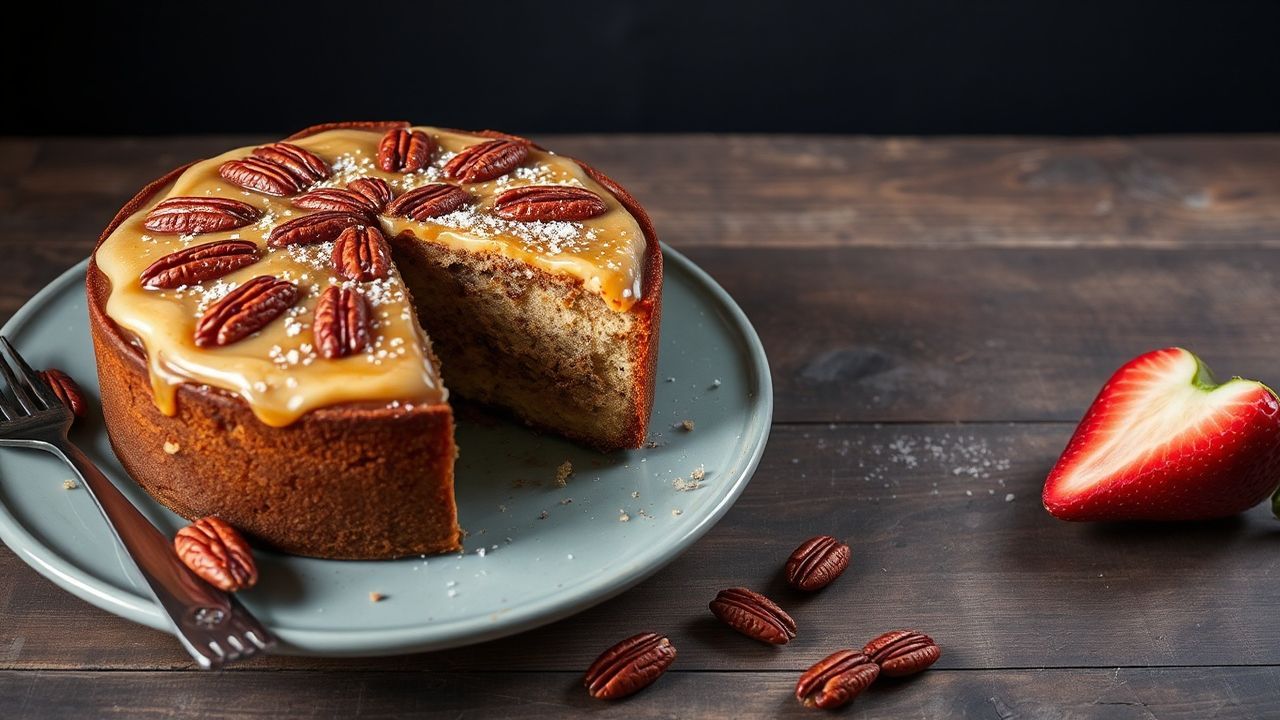

Pecan Cake, when crafted with intention and a deep understanding of plant-based ingredients, transcends mere dessert; it becomes an edible masterpiece, proof of how vibrant flavors and satisfying textures can be achieved without compromise. Have you ever considered that a rich, decadent cake, typically associated with butter and eggs, could be reimagined into a plant-powered wonder that delights every palate, vegan or not? The vegan pecan upside down cake is precisely that – a sophisticated alchemy that transforms humble ingredients into a show-stopping finale.
- The Genesis of the Vegan Pecan Upside Down Cake
- Crafting the Perfect Vegan Pecan Caramel Topping
- Mastering the Vegan Cake Batter: Texture and Flavor Dynamics
- Expert Tips for a Flawless Vegan Pecan Upside Down Cake
- Troubleshooting Common Issues and Achieving Perfection
- The Nutritional Landscape of Vegan Pecan Upside Down Cake
- Serving and Enjoying Your Vegan Masterpiece
- Frequently Asked Questions
- Can I substitute other nuts for pecans in this recipe?
- How should I store leftover vegan pecan upside down cake?
- Can I make the caramel topping ahead of time?
- What is the best type of pan to use for an upside down cake?
- My cake came out dry. What could have gone wrong?
- Final Recommendations for Your Vegan Baking Journey
The vegan pecan upside down cake is more than just a dessert; it’s an elegant statement of culinary innovation, proving that indulgence and ethical choices can harmoniously coexist on a single plate.
The allure of an upside down cake lies in its dramatic reveal. As the pan is inverted, a glistening tapestry of caramelized fruit and nuts emerges, promising a symphony of sweet and nutty notes. In the vegan iteration, this classic presentation is elevated, demonstrating a refined approach to baking that prioritizes both flavor and integrity. This article explores the intricacies of creating an exceptional vegan pecan upside down cake, examining the science behind its structure, the art of its flavor development, and the practical wisdom that ensures success.
The Genesis of the Vegan Pecan Upside Down Cake
The concept of an upside down cake has a fascinating history, often traced to the early 20th century in the United States, a period marked by culinary innovation and resourcefulness. The idea was to make a cake from pantry staples, frequently utilizing canned fruits like pineapple, and topping them with butter and sugar. Baking it upside down meant the topping caramelized beautifully, creating a moist, flavorful base for the cake. The pecan, with its inherent richness and ability to caramelize, became a natural and beloved addition, transforming it into a cherished treat.
Pecan Acres, Texas — Wikipedia
The transition to a vegan version presented unique challenges and opportunities. Traditional recipes rely heavily on butter for richness and caramelization, eggs for binding and leavening, and dairy for moisture. Replicating these functionalities using only plant-based ingredients requires a nuanced understanding of ingredient interactions. The goal is not simply to substitute, but to create a new paradigm of flavor and texture that stands on its own merits, offering an experience that is both familiar and delightfully novel.
Deconstructing the Classic: Key Components and Vegan Adaptations
At its heart, an upside down cake comprises two primary elements: the topping and the cake batter. For a vegan pecan upside down cake, each of these components demands careful consideration.
The topping is where the visual drama and initial flavor impact originate. Typically, this involves a layer of fruit, or in this case, a generous scattering of pecans, enveloped in a rich caramel. In a vegan recipe, the caramel is crafted using a combination of plant-based butter (often a blend of coconut oil and a neutral oil or a high-quality vegan butter stick) and a sweetener like brown sugar or maple syrup. The pecans themselves are key; their natural oils contribute to richness, and when toasted and coated in the caramel, they develop an irresistible depth of flavor and a slightly chewy, slightly crisp texture. Research from the USDA FoodData Central highlights the significant fat content of pecans, which is crucial for providing that desirable mouthfeel in vegan baking.
The cake batter, too, requires thoughtful reformulation. Flour, sugar, and leavening agents form the base, but the binding and moisture elements are where vegan expertise truly shines. Instead of eggs, common binders include flax eggs (ground flaxseed mixed with water), chia eggs, or commercial egg replacers. For moisture and richness, plant-based milks (almond, soy, or oat are excellent choices), applesauce, or mashed banana can be employed. The fat component, often butter in conventional recipes, is typically replaced by a neutral vegetable oil (like canola or sunflower) or melted vegan butter. The leavening agents, baking soda and baking powder, work in tandem with the acidic components of the batter (like plant-based buttermilk, made by adding vinegar or lemon juice to plant milk) to create a light and airy crumb.
Crafting the Perfect Vegan Pecan Caramel Topping
The topping of a vegan pecan upside down cake is arguably its most iconic feature. It’s the first impression, the visual promise of the indulgence to come. Achieving that perfect balance of sweet and nutty requires precision.
The caramel layer is paramount. A common pitfall in vegan caramel is achieving a grainy or overly stiff texture. To circumvent this, it’s essential to use good quality brown sugar or a blend of brown sugar and maple syrup. Melting the vegan butter and sugar over medium heat, stirring until fully dissolved and then allowing it to bubble gently for a few minutes, is crucial. This process allows the sugars to caramelize, developing complex flavor notes. Avoid high heat, which can lead to scorching. The pecans should be toasted beforehand to enhance their flavor and crunch. A light toasting in a dry skillet or a brief stint in a moderate oven (around 300°F / 150°C) unlocks their oils and intensifies their nutty aroma.
The Art of Pecan Placement and Caramelization
Once the caramel is ready, it’s poured into the bottom of the prepared cake pan. This is where the visual artistry begins. Arrange the toasted pecans in a single, even layer. Some bakers prefer to add a layer of fruit beneath the pecans for added moisture and a contrasting flavor. The key is to ensure a relatively even distribution so that each slice of cake, when inverted, boasts an attractive arrangement.
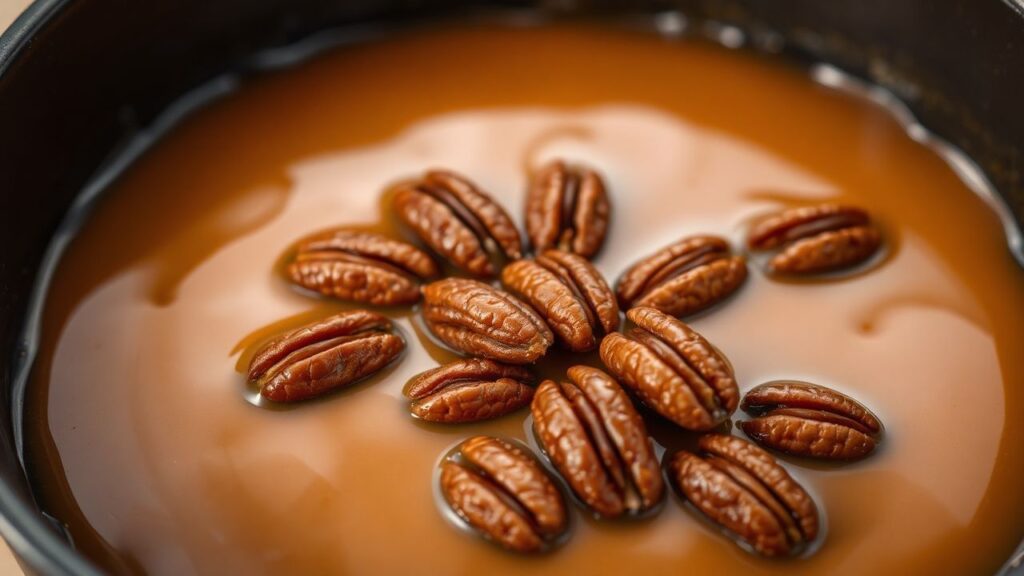
The process of baking the cake upside down allows the caramel to bubble up around the pecans, creating a beautifully lacquered surface. As the cake bakes, the sugars in the caramel will continue to deepen in color and flavor. The aroma that emanates from the oven during this stage is nothing short of intoxicating, a preview of the sensory delight that awaits.
Mastering the Vegan Cake Batter: Texture and Flavor Dynamics
While the topping garners much of the attention, the cake batter itself is the structural and flavor backbone of the entire creation. A successful vegan cake batter must achieve a tender crumb, a moist interior, and a subtle sweetness that complements, rather than overpowers, the caramelized pecans.
The choice of flour is important. All-purpose flour is a standard, but for a lighter texture, a blend of all-purpose and cake flour can be beneficial. The leavening agents – baking soda and baking powder – must be fresh for optimal lift. The reaction between baking soda and an acid (such as vinegar in plant-based buttermilk or even the slight acidity in brown sugar) creates carbon dioxide bubbles, contributing to the cake’s rise.
The Role of Fat and Moisture in Vegan Cake Structure
Achieving the right fat-to-moisture ratio is critical in vegan baking. Too little fat can result in a dry, crumbly cake, while too much can lead to a greasy texture. A combination of neutral vegetable oil and plant-based milk often strikes the right balance. For instance, a recipe might call for 1/2 cup of vegetable oil and 1 cup of almond milk. The oil provides richness and tenderness, while the plant milk contributes moisture.
Applesauce or mashed banana can also be incorporated for additional moisture and a subtle sweetness, but one must be mindful of their flavor profiles. For a more neutral flavor, unsweetened applesauce is often preferred. A common technique to create a vegan buttermilk is to mix 1 tablespoon of apple cider vinegar or lemon juice with 1 cup of unsweetened plant milk and let it sit for 5-10 minutes until it slightly curdles. This provides the necessary acidity to activate the baking soda and enhances the cake’s tenderness.
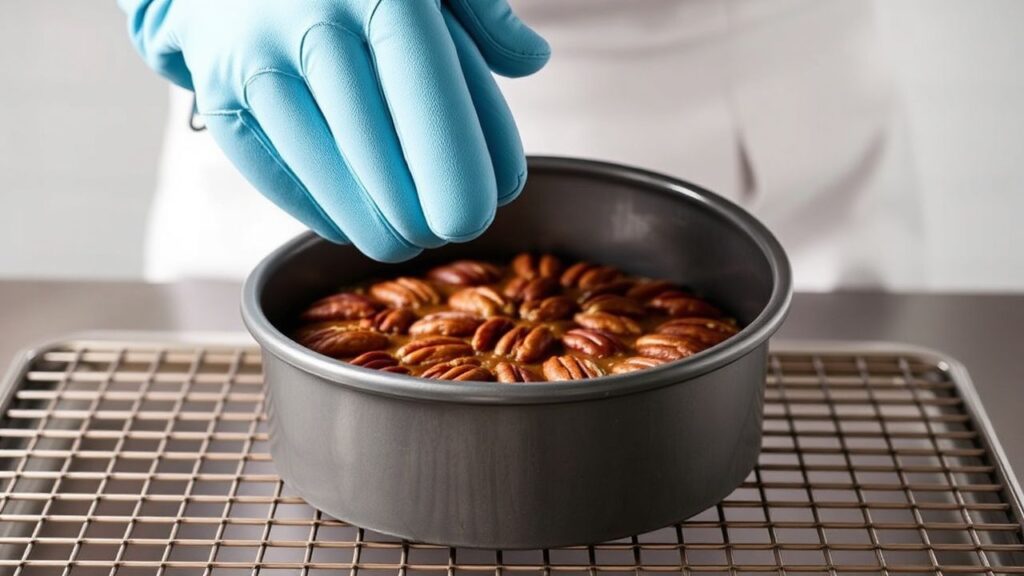
The mixing method is also important. Overmixing the batter can develop gluten too much, resulting in a tough cake. It’s best to mix the dry ingredients and wet ingredients separately, then gently combine them until just incorporated. Lumps are acceptable; a smooth batter is often a sign of overmixing.
Expert Tips for a Flawless Vegan Pecan Upside Down Cake
Elevating a good vegan pecan upside down cake to an exceptional one often comes down to nuanced techniques and a few insider secrets. These are the practices that seasoned bakers employ to ensure consistent, delicious results.
Ensuring even baking is another crucial aspect. The cake batter sits atop a rich, moist caramel, which can sometimes lead to uneven cooking. It’s advisable to start checking the cake for doneness a few minutes earlier than the recipe suggests. A wooden skewer or toothpick inserted into the center of the cake should come out clean, indicating that the cake itself is fully baked.
Troubleshooting Common Issues and Achieving Perfection
Even with the best intentions, baking can sometimes present challenges. Understanding common issues and their solutions can save a vegan pecan upside down cake from disaster and lead to greater confidence in the kitchen.
One frequent problem is the cake sticking to the pan. This can occur if the pan is not adequately greased and floured (or lined with parchment paper). Even with vegan butter, a thorough coating is essential, especially around the edges. If the cake appears reluctant to release, gently running a thin spatula or knife around the perimeter can help loosen it. Another approach is to let the cake cool in the pan for a slightly longer period (around 15-20 minutes) after removing it from the oven. This allows the caramel to firm up slightly, which can aid in a cleaner release. However, allowing it to cool for too long can cause the caramel to harden excessively, making it difficult to invert.
Another potential issue is a gummy or undercooked cake. This is often due to incorrect ingredient measurements, particularly the ratio of wet to dry ingredients, or insufficient baking time. Double-checking the accuracy of your measurements, especially for flour and leavening agents, is fundamental. Using a kitchen scale for dry ingredients can significantly improve accuracy. If the cake is consistently coming out gummy, it might also indicate that the oven temperature is too low, or the baking time needs to be extended. Ovens can vary, so using an oven thermometer to verify its calibration is a wise investment for any serious baker.
The Nutritional Landscape of Vegan Pecan Upside Down Cake
While primarily a treat, understanding the nutritional profile of a vegan pecan upside down cake offers insight into its composition. Pecans themselves are a nutritional powerhouse, rich in monounsaturated and polyunsaturated fats, which are considered heart-healthy. They also provide a good source of fiber, vitamins (like Vitamin E and B vitamins), and minerals (such as magnesium, phosphorus, and zinc). According to the American Heart Association, nuts like pecans can be part of a heart-healthy diet when consumed in moderation.
The vegan cake batter, depending on the ingredients used, can also contribute beneficial nutrients. Plant-based milks often provide calcium and Vitamin D if fortified. Whole wheat flour, if used as part of the flour blend, adds extra fiber. Sweeteners like maple syrup, while still sugars, contain trace amounts of minerals and antioxidants not found in refined white sugar. However, Keep in mind that this is still a dessert, and moderation is key. The emphasis on plant-based ingredients doesn’t negate the caloric and sugar content inherent in a cake.
Serving and Enjoying Your Vegan Masterpiece
The moment of truth arrives when you confidently invert the cake onto a serving plate. The reveal is always a highlight, proof of your culinary effort. The warm, glistening pecans and rich caramel should form a beautiful, inviting topping.
This vegan pecan upside down cake is exquisite served warm, perhaps with a dollop of vegan whipped cream or a scoop of dairy-free vanilla ice cream. Its inherent richness means it stands beautifully on its own, but these accompaniments can certainly enhance the experience. For a more refined presentation, a dusting of powdered sugar or a drizzle of extra vegan caramel sauce can add a final touch of elegance.
The aroma alone is enough to draw people in, a comforting blend of toasted nuts, warm sugar, and baked cake. Each bite offers a complex interplay of textures: the tender, moist cake, the slightly chewy, intensely flavored pecans, and the luscious, caramelized topping. It’s a dessert that is both comforting and sophisticated, perfect for holidays, special occasions, or simply when you crave something truly delicious.
Frequently Asked Questions
Can I substitute other nuts for pecans in this recipe?
Absolutely. While pecans offer a distinct flavor and texture, other nuts like walnuts, almonds, or even hazelnuts can be used. Walnuts will provide a similar richness, while almonds might offer a slightly firmer texture. Ensure any alternative nuts are also toasted to maximize their flavor before adding them to the caramel.
How should I store leftover vegan pecan upside down cake?
Leftover cake can be stored at room temperature for up to two days if kept in an airtight container. For longer storage, it’s best to refrigerate it. The cake will keep well in the refrigerator for up to 4-5 days. When ready to serve, you can gently reheat slices in a low oven or microwave to revive the caramel’s texture.
Can I make the caramel topping ahead of time?
Yes, the caramel topping can be made a day in advance. Prepare the caramel as usual and let it cool completely. Store it in an airtight container in the refrigerator. Before assembling the cake, gently warm the caramel over low heat or in short bursts in the microwave until it reaches a pourable consistency. Be careful not to overheat it.
What is the best type of pan to use for an upside down cake?
A dark metal cake pan with straight sides, typically 8 or 9 inches in diameter, is ideal. Dark metal pans conduct heat more effectively, promoting better caramelization. Cast iron skillets also work wonderfully for upside down cakes, offering excellent heat distribution. Ensure the pan is oven-safe.
My cake came out dry. What could have gone wrong?
A dry cake can result from several factors. Overbaking is a primary cause. Ensure you are baking for the minimum time recommended and checking for doneness with a skewer. Incorrect measurement of flour, using too much flour or too little liquid, can also lead to dryness. Using an oven thermometer to confirm your oven’s temperature is accurate is also crucial, as an oven that runs too hot can dry out a cake quickly.
Final Recommendations for Your Vegan Baking Journey
Embarking on the creation of a vegan pecan upside down cake is more than just following a recipe; it’s an invitation to explore the delightful possibilities of plant-based baking. By understanding the fundamental principles of ingredient interaction, mastering the art of caramelization, and paying attention to the details of texture and flavor, you can consistently produce a dessert that is both stunning and deeply satisfying. Remember that practice fosters perfection, and each attempt offers an opportunity to refine your technique. Embrace the process, experiment with variations, and most importantly, savor the delicious results of your culinary endeavors.
See also: Pecan Cake