
The Ancient Art of Preparation: Why Middle Eastern Flavors Are Perfect for Meal Prep
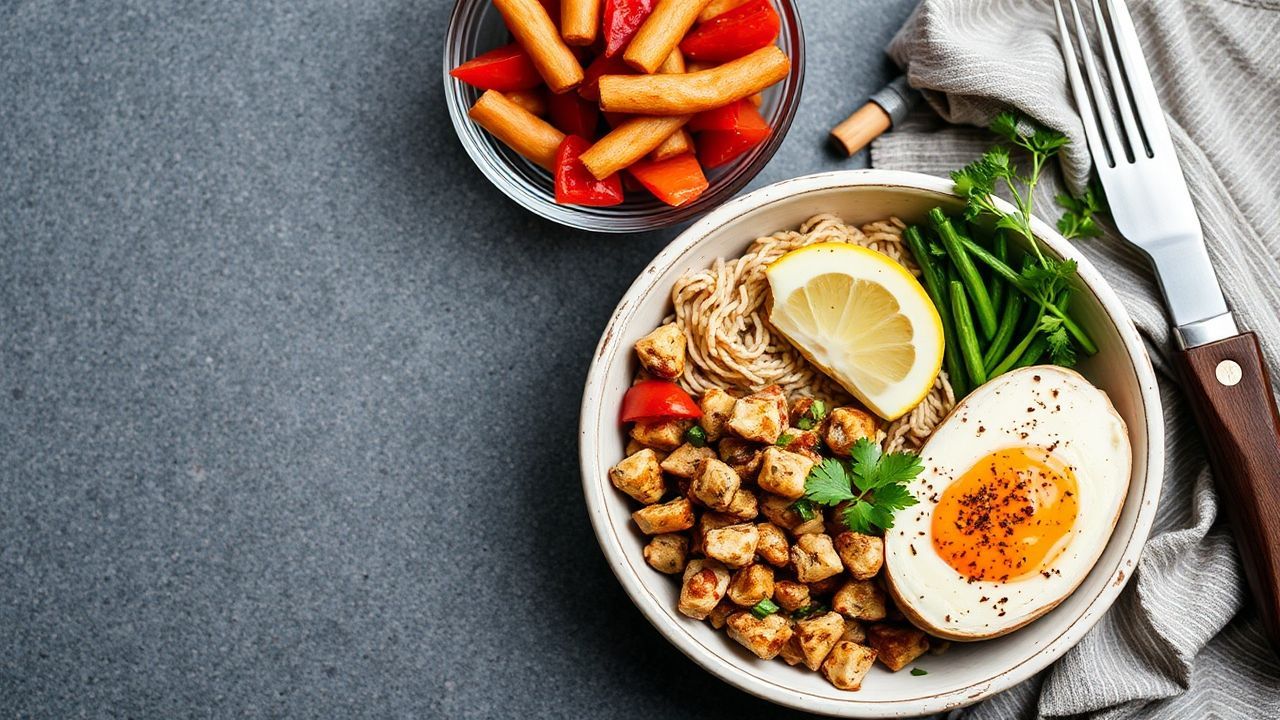
Meal prep, often viewed through the lens of modern convenience, finds its most profound roots in ancient culinary traditions. Long before refrigerators and weekly grocery runs, communities relied on the wisdom of preparing meals in advance, leveraging seasonal ingredients and time-honored preservation techniques. The Middle East, with its diverse mix of cultures and millennia of gastronomic evolution, offers a particularly fertile ground for exploring the concept of meal prep. Dishes from this region are inherently designed for communal sharing, making them robust enough to withstand a few days of storage while retaining their complex, layered flavors. Think of the slow-cooked lamb stews, the hearty lentil dishes, and the versatile nature of grains and legumes – these are not fleeting creations but enduring staples built for sustenance and enjoyment over time.
- The Ancient Art of Preparation: Why Middle Eastern Flavors Are Perfect for Meal Prep
- Essential Middle Eastern Meal Prep Components: The Building Blocks of Flavor
- 1. Perfectly Cooked Lentils and Chickpeas: The Protein Powerhouses
- 2. Versatile Grains: Bulgur and Quinoa
- 3. Marinated and Roasted Meats: Flavorful Protein Stars
- 7 Essential Middle Eastern Meal Prep Recipes for the Week
- 1. Hearty Lentil and Vegetable Stew (Adas bi Hamod Inspired)
- 2. Chicken Shawarma Salad Bowls
- 3. Falafel and Hummus Power Wraps
- 4. Fattoush Salad Jars
- 5. Spiced Lamb and Rice Bowls
- 6. Baba Ghanoush and Vegetable Mezze Platter
- Ingredients:
- Preparation Method:
- Nutritional Info (per serving, approximate – includes baba ghanoush and a portion of the mezze):
- Expert Pro-Tips:
- 7. Quinoa Tabbouleh with Grilled Halloumi
- Optimizing Your Middle Eastern Meal Prep Strategy
- Frequently Asked Questions
This inherent resilience, coupled with the region’s emphasis on bold spices and fresh produce, makes Middle Eastern cuisine a surprisingly perfect fit for today’s demanding schedules.
Meal prep, far from being a modern invention, is an ancient art form that celebrates the enduring power of flavor and community, perfectly embodied by the culinary traditions of the Middle East.
The notion that meal prep must be bland or monotonous is a persistent misconception. In reality, many traditional cuisines, particularly those from the Middle East, are inherently suited for advance preparation. This is due in part to the cooking methods employed, such as slow simmering, roasting, and braising, which often enhance flavor and texture over time. Furthermore, the emphasis on durable ingredients like legumes, grains, and robust vegetables ensures that pre-prepared meals retain their integrity and appeal. A study published in the *Journal of the Academy of Nutrition and Dietetics* found that individuals who engaged in regular meal preparation reported higher-quality diets and better weight management outcomes, underscoring the health benefits of planning ahead.
The Middle Eastern approach to food often involves preparing large batches of components – cooked grains, marinated meats, roasted vegetables, and flavorful sauces – that can then be assembled into various meals throughout the week, a practice that aligns perfectly with contemporary meal prep strategies.
Essential Middle Eastern Meal Prep Components: The Building Blocks of Flavor
At the heart of any successful Middle Eastern meal prep plan lies a strategic approach to preparing foundational components. These are the versatile elements that can be mixed, matched, and transformed into a variety of delicious and satisfying meals. Focusing on a few key preparations allows for maximum flexibility and minimal daily effort. The cornerstone of many Middle Eastern diets is the humble chickpea and lentil, which offer significant protein and fiber. Similarly, grains like bulgur and rice are staples, providing a hearty base for numerous dishes. Marinated and grilled or roasted meats, such as chicken or lamb, offer a protein-rich addition that can be incorporated into salads, wraps, or bowls. Don’t underestimate the power of a well-made sauce or dressing; tahini-based sauces, lemon-herb vinaigrettes, and spicy harissa pastes can elevate even the simplest of ingredients.
The key is to prepare these elements with a focus on flavor and longevity, ensuring they remain vibrant and appealing throughout the week.
1. Perfectly Cooked Lentils and Chickpeas: The Protein Powerhouses
Lentils and chickpeas are the undisputed champions of Middle Eastern cuisine, prized for their nutritional density and versatility. Preparing a large batch of plain, well-seasoned cooked lentils (brown or green work best for holding their shape) and tender chickpeas is an investment that pays dividends throughout the week. For lentils, a simple cooking method involves rinsing them thoroughly and simmering in water or vegetable broth with a bay leaf and a pinch of salt until tender but not mushy. Chickpeas can be cooked from dried (soaked overnight) or used from canned, ensuring they are rinsed well. Once cooked, they can be seasoned with a drizzle of olive oil, a squeeze of lemon juice, cumin, and a touch of salt. These prepared legumes can form the base of salads, be added to soups, blended into dips, or serve as a hearty side dish.
Expert Insight: Lentil Longevity
2. Versatile Grains: Bulgur and Quinoa
Grains provide the essential carbohydrate base for many Middle Eastern meals. Bulgur, a cracked wheat product, is incredibly quick to prepare and has a wonderfully nutty flavor. Simply cover it with boiling water or broth and let it steam for about 15-20 minutes. Quinoa, while not traditionally Middle Eastern, has become a popular and healthy alternative due to its complete protein profile and quick cooking time. Cook quinoa in a 1:2 ratio with water or broth. Both bulgur and quinoa, once cooked and cooled, can be seasoned with herbs like parsley and mint, a squeeze of lemon, and a drizzle of olive oil to create a flavorful pilaf or salad base. These grains are excellent for absorbing the flavors of other ingredients, making them ideal for meal prep.
3. Marinated and Roasted Meats: Flavorful Protein Stars
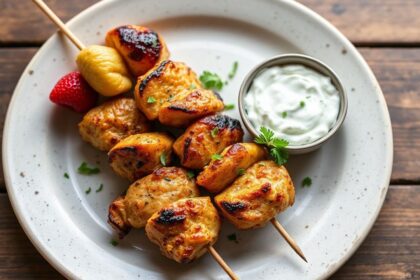
For a more substantial meal prep, consider preparing marinated and roasted chicken or lamb. A classic marinade might include olive oil, lemon juice, garlic, cumin, coriander, and paprika. Marinate chicken thighs or lamb cubes for at least 30 minutes, or preferably overnight, before roasting or grilling them until cooked through. Once cooled, these meats can be sliced or diced and added to salads, wraps, or grain bowls. The natural juices released during cooking, combined with the marinade, create a deeply flavorful protein that holds up well for several days. This approach transforms simple ingredients into a central element for a variety of fulfilling meals.
7 Essential Middle Eastern Meal Prep Recipes for the Week
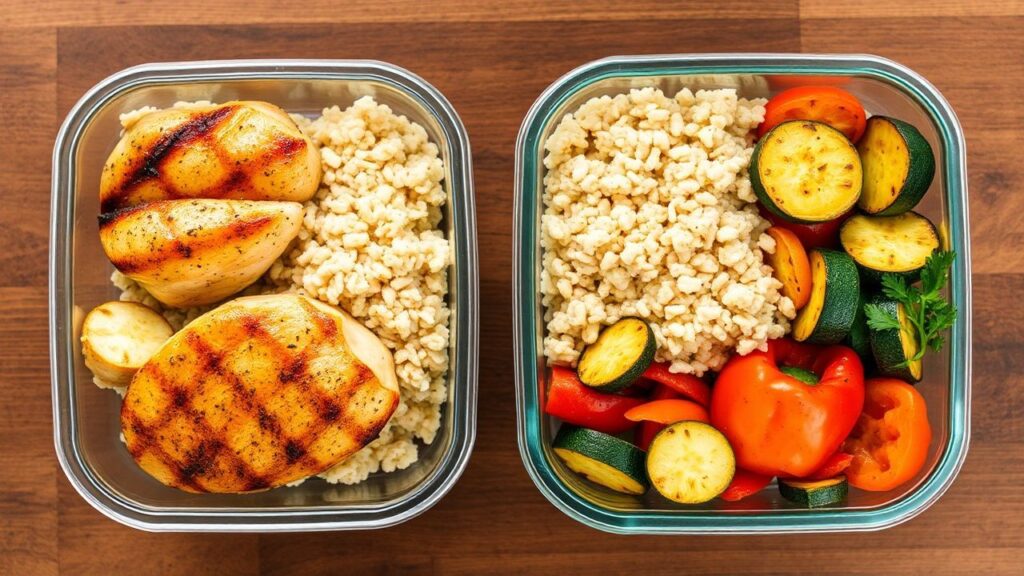
Building upon these foundational components, we can construct a week’s worth of incredibly satisfying and flavorful Middle Eastern-inspired meals. The beauty of this approach lies in its adaptability; you can mix and match components to suit your daily cravings and nutritional needs. These recipes are designed for ease of preparation, allowing you to batch cook key elements over the weekend and assemble meals in minutes during the busy work week.
1. Hearty Lentil and Vegetable Stew (Adas bi Hamod Inspired)
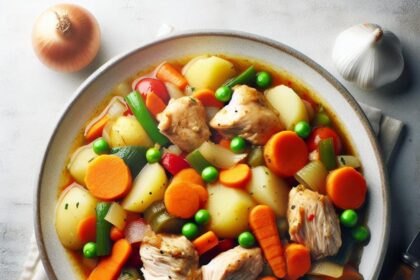
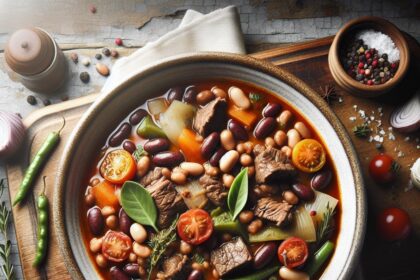
This stew, inspired by the tangy Lebanese classic Adas bi Hamod, is a warming and nutrient-dense meal perfect for cooler days. It’s incredibly forgiving and tastes even better the next day, making it an ideal candidate for meal prep. The combination of lentils, vegetables, and a bright lemon-herb finish provides a balanced and satisfying experience.
Ingredients:
- 2 cups brown or green lentils, rinsed
- 8 cups vegetable broth or water
- 2 tablespoons olive oil
- 1 large onion, finely chopped
- 4 cloves garlic, minced
- 2 carrots, diced
- 2 celery stalks, diced
- 1 (14.5 ounce) can diced tomatoes, undrained
- 1 teaspoon ground cumin
- 1/2 teaspoon ground coriander
- Salt and freshly ground black pepper to taste
- Juice of 1-2 lemons (to taste)
- 1/4 cup chopped fresh parsley
- 1/4 cup chopped fresh cilantro
Preparation Method:
- In a large pot or Dutch oven, heat olive oil over medium heat. Add the chopped onion and sauté until softened, about 5-7 minutes.
- Add the minced garlic, diced carrots, and celery. Cook for another 5 minutes, stirring occasionally, until vegetables begin to soften.
- Stir in the rinsed lentils, vegetable broth (or water), diced tomatoes (with their juice), cumin, and coriander.
- Bring the mixture to a boil, then reduce heat to low, cover, and simmer for 40-50 minutes, or until lentils are tender and the stew has thickened.
- Season generously with salt and black pepper.
- Stir in the fresh lemon juice, parsley, and cilantro just before serving. Adjust seasoning as needed.
Nutritional Info (per serving, approximate):
Calories: 350-400, Protein: 18-20g, Fiber: 15-18g, Fat: 8-10g, Carbohydrates: 50-55g.
Expert Pro-Tips:
For a richer flavor, add a bay leaf during the simmering process. If you prefer a spicier stew, add a pinch of red pepper flakes with the cumin and coriander. This stew can be portioned into individual containers and reheated in the microwave or on the stovetop.
2. Chicken Shawarma Salad Bowls
This vibrant salad bowl captures the essence of chicken shawarma in a convenient, make-ahead format. The marinated chicken, paired with crisp vegetables and a creamy tahini dressing, creates a meal that is both satisfying and light.
Ingredients:
For the Chicken:
- 1.5 lbs boneless, skinless chicken thighs or breasts, cut into bite-sized pieces
- 2 tablespoons olive oil
- 2 tablespoons lemon juice
- 2 cloves garlic, minced
- 1 teaspoon ground cumin
- 1 teaspoon paprika
- 1/2 teaspoon ground coriander
- 1/4 teaspoon cinnamon
- Salt and freshly ground black pepper to taste
For the Bowls:
- 4 cups mixed greens or romaine lettuce, chopped
- 2 cups cooked quinoa or bulgur wheat
- 1 cup chopped cucumber
- 1 cup chopped tomatoes
- 1/2 cup thinly sliced red onion
- 1/4 cup chopped fresh parsley
- Optional: Kalamata olives, pickled turnips
For the Tahini Dressing:
- 1/4 cup tahini
- 2 tablespoons lemon juice
- 1-2 tablespoons water (to thin)
- 1 clove garlic, minced
- Salt to taste
Preparation Method:
- Marinate the Chicken: In a bowl, whisk together olive oil, lemon juice, minced garlic, cumin, paprika, coriander, cinnamon, salt, and pepper. Add the chicken pieces and toss to coat. Marinate for at least 30 minutes, or ideally for a few hours in the refrigerator.
- Cook the Chicken: Heat a tablespoon of oil in a large skillet over medium-high heat. Add the marinated chicken in a single layer (cook in batches if necessary) and cook until browned and cooked through, about 5-7 minutes per batch. Alternatively, you can grill or bake the chicken. Let cool completely.
- Prepare the Tahini Dressing: In a small bowl, whisk together tahini, lemon juice, minced garlic, and salt. Gradually add water, one tablespoon at a time, until the dressing reaches your desired consistency.
- Assemble the Bowls: Divide the mixed greens or romaine lettuce among four meal prep containers. Top with cooked quinoa or bulgur wheat, cooked chicken, chopped cucumber, tomatoes, red onion, and fresh parsley. Add any optional toppings.
- Store and Dress: Store the tahini dressing separately in small containers. When ready to eat, drizzle the dressing over the bowls.
Nutritional Info (per bowl, approximate):
Calories: 500-550, Protein: 35-40g, Fiber: 8-10g, Fat: 20-25g, Carbohydrates: 40-45g.
Expert Pro-Tips:
For an authentic shawarma flavor, toast your spices lightly before grinding them. The chicken can be cooked in advance and stored separately. You can also prepare the tahini dressing up to 3 days ahead and store it in an airtight container in the refrigerator. If making for a longer period, consider storing the dressing separately to prevent sogginess.
3. Falafel and Hummus Power Wraps
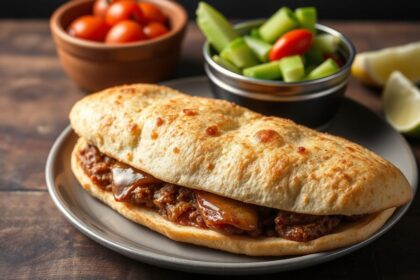
Falafel and hummus are iconic Middle Eastern staples that lend themselves beautifully to portable meals. These wraps are packed with flavor and plant-based protein, making them a satisfying lunch option.
Ingredients:
For the Falafel (yields about 12-15):
- 2 cups cooked chickpeas (canned and rinsed, or cooked from dried)
- 1/2 cup finely chopped fresh parsley
- 1/4 cup finely chopped fresh cilantro
- 1/2 medium onion, roughly chopped
- 3 cloves garlic, roughly chopped
- 1 teaspoon ground cumin
- 1 teaspoon ground coriander
- 1/2 teaspoon baking soda
- Salt and freshly ground black pepper to taste
- Vegetable oil for frying (or baking spray for oven-baked option)
For the Hummus:
- 1 (15 ounce) can chickpeas, drained and rinsed
- 1/4 cup tahini
- 2-3 tablespoons lemon juice
- 1-2 cloves garlic
- 2-4 tablespoons ice water (for consistency)
- Salt to taste
- Olive oil for drizzling
For the Wraps:
- 4-6 whole wheat or spinach tortillas
- Shredded lettuce
- Diced tomatoes
- Thinly sliced red onion
- Pickled turnips (optional)
Preparation Method:
- Make the Falafel Mixture: In a food processor, combine the cooked chickpeas, parsley, cilantro, onion, garlic, cumin, coriander, baking soda, salt, and pepper. Pulse until the mixture is finely ground but still has some texture; do not over-process into a paste.
- Chill the Mixture: Transfer the falafel mixture to a bowl, cover, and refrigerate for at least 30 minutes to firm up. This makes them easier to shape.
- Shape and Cook Falafel: Form the mixture into small patties or balls. For frying, heat about 1-2 inches of vegetable oil in a deep pan to 350°F (175°C). Fry falafel in batches until golden brown and cooked through, about 3-4 minutes per side. For baking, preheat oven to 400°F (200°C), lightly grease a baking sheet, and bake falafel for 20-25 minutes, flipping halfway through. Let cool completely.
- Make the Hummus: In a food processor, combine drained chickpeas, tahini, lemon juice, garlic, and salt. Process until smooth. Gradually add ice water, one tablespoon at a time, while processing, until the hummus is light and creamy.
- Assemble the Wraps: Spread a generous layer of hummus onto each tortilla. Top with shredded lettuce, diced tomatoes, sliced red onion, pickled turnips (if using), and 2-3 falafel balls.
- Roll and Store: Fold in the sides of the tortilla and then roll it up tightly. Wrap each roll in parchment paper or foil for easy transport.
Nutritional Info (per wrap, approximate):
Calories: 400-450, Protein: 15-18g, Fiber: 10-12g, Fat: 15-20g, Carbohydrates: 50-55g.
Expert Pro-Tips:
Ensure your falafel mixture is not too wet; if it is, add a tablespoon or two of flour or breadcrumbs. For the most authentic texture, fry the falafel. If baking, ensure you use a good quality baking spray or a light coating of oil to prevent sticking. Homemade hummus is far superior and can be made in bulk to last the week.
4. Fattoush Salad Jars
Fattoush is a vibrant Levantine salad known for its mixed greens, vegetables, and toasted pita bread. By layering the ingredients in jars, you can keep the components separate and fresh until you’re ready to enjoy, preventing sogginess.
Ingredients:
- For the Dressing:
- 1/4 cup olive oil
- 3 tablespoons lemon juice
- 1 tablespoon pomegranate molasses (optional, but highly recommended)
- 1 clove garlic, minced
- 1 teaspoon sumac
- Salt and freshly ground black pepper to taste
- For the Salad Layers (from bottom to top):
- 1/4 cup dressing
- 1 cup chopped mixed greens (romaine, lettuce, spinach)
- 1/2 cup chopped cucumber
- 1/2 cup chopped tomatoes
- 1/4 cup thinly sliced red onion
- 1/4 cup chopped fresh parsley
- 1/4 cup chopped fresh mint
- 1/4 cup toasted pita bread pieces (baked or fried until crisp)
Preparation Method:
- Prepare the Dressing: In a small bowl or jar, whisk together all dressing ingredients: olive oil, lemon juice, pomegranate molasses (if using), minced garlic, sumac, salt, and pepper.
- Layer the Jars: Take 4-6 wide-mouthed mason jars. Pour about 1/4 cup of the prepared dressing into the bottom of each jar.
- Add Salad Ingredients: Layer the ingredients carefully on top of the dressing in the following order: mixed greens, cucumber, tomatoes, red onion, parsley, and mint. Ensure you pack them relatively tightly to prevent them from shifting too much.
- Top with Pita: Just before sealing the jars, add the toasted pita bread pieces to the very top. This keeps them from becoming soggy.
- Seal and Store: Seal the jars tightly and refrigerate.
Nutritional Info (per jar, approximate):
Calories: 250-300, Protein: 5-7g, Fiber: 6-8g, Fat: 15-20g, Carbohydrates: 20-25g.
Expert Pro-Tips:
Pomegranate molasses adds a unique sweet-tart complexity that is characteristic of Fattoush. Ensure your pita bread is thoroughly toasted until very crisp; it will soften slightly from the dressing over time, but will still retain some crunch. For added protein, you can add grilled chicken or chickpeas to the layers.
5. Spiced Lamb and Rice Bowls
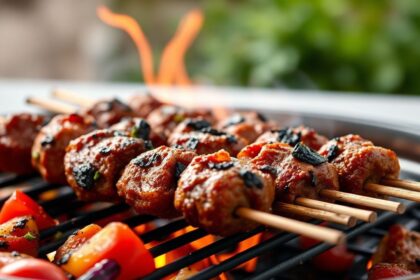
This bowl is a hearty and flavorful meal, featuring tender lamb seasoned with aromatic Middle Eastern spices, served over fluffy rice. It’s a complete meal that’s easy to portion and reheat.
Ingredients:
- 1 lb boneless lamb shoulder or leg, cut into 1-inch cubes
- 2 tablespoons olive oil
- 1 large onion, finely chopped
- 3 cloves garlic, minced
- 1 teaspoon ground cumin
- 1 teaspoon ground coriander
- 1/2 teaspoon cinnamon
- 1/4 teaspoon ground cloves
- Pinch of cayenne pepper (optional)
- Salt and freshly ground black pepper to taste
- 1.5 cups basmati rice, rinsed
- 3 cups vegetable or lamb broth
- 1/4 cup chopped fresh parsley or cilantro for garnish
- Optional: Toasted slivered almonds or pine nuts for topping
Preparation Method:
- Sear the Lamb: Pat the lamb cubes dry with paper towels. Heat olive oil in a large pot or Dutch oven over medium-high heat. Brown the lamb cubes in batches, ensuring not to overcrowd the pot. Remove lamb and set aside.
- Sauté Aromatics: Add the chopped onion to the pot and sauté until softened, about 5-7 minutes. Add the minced garlic and cook for another minute until fragrant.
- Add Spices: Stir in cumin, coriander, cinnamon, cloves, cayenne pepper (if using), salt, and pepper. Cook for 30 seconds, stirring constantly, until fragrant.
- Simmer the Lamb: Return the browned lamb to the pot. Add enough water or broth to just cover the lamb. Bring to a simmer, then reduce heat to low, cover, and cook for 1.5 to 2 hours, or until the lamb is very tender.
- Cook the Rice: While the lamb is simmering, cook the basmati rice. In a separate pot, combine the rinsed rice and broth. Bring to a boil, then reduce heat to low, cover, and simmer for 15-20 minutes, or until the liquid is absorbed and the rice is tender. Let stand, covered, for 5 minutes.
- Assemble Bowls: Divide the cooked rice among your meal prep containers. Spoon the tender lamb and its sauce over the rice. Garnish with fresh parsley or cilantro and toasted nuts, if desired.
Nutritional Info (per bowl, approximate):
Calories: 600-650, Protein: 40-45g, Fiber: 5-7g, Fat: 25-30g, Carbohydrates: 50-55g.
Expert Pro-Tips:
For exceptionally tender lamb, consider braising it in the oven at 300°F (150°C) for a longer, slower cook. A small amount of tomato paste added with the onions can deepen the flavor of the sauce. The spices can be adjusted to your preference; saffron is a luxurious addition if you have it.
6. Baba Ghanoush and Vegetable Mezze Platter
While not a single dish, a well-composed mezze platter is the epitome of Middle Eastern communal eating and makes for an excellent, varied meal prep. The star is baba ghanoush, a smoky eggplant dip, surrounded by an assortment of fresh vegetables and pita.
Ingredients:
For the Baba Ghanoush:
- 2 large eggplants
- 1/4 cup tahini
- 2-3 tablespoons lemon juice
- 1-2 cloves garlic, minced
- 2 tablespoons olive oil, plus more for drizzling
- Salt to taste
- Pinch of smoked paprika (optional)
For the Mezze Platter:
- Assorted fresh vegetables: cucumber sticks, carrot sticks, bell pepper strips, cherry tomatoes, radishes
- Whole wheat pita bread, cut into wedges and lightly toasted
- Kalamata olives
- Pickled turnips (optional)
- Fresh parsley sprigs for garnish
Preparation Method:
- Roast the Eggplant: Preheat your oven to 400°F (200°C). Pierce the eggplants several times with a fork. Place them directly on the oven rack and roast for 45-60 minutes, or until the skin is charred and the flesh is very soft and collapsed. Alternatively, you can grill the eggplants until thoroughly charred.
- Scoop the Flesh: Let the eggplants cool slightly. Cut them in half and scoop out the soft flesh into a colander set over a bowl. Let it drain for about 15-20 minutes to remove excess moisture.
- Make the Baba Ghanoush: In a food processor, combine the drained eggplant flesh, tahini, lemon juice, minced garlic, olive oil, salt, and smoked paprika (if using). Process until smooth and creamy. Add a little more lemon juice or tahini if needed to reach desired consistency.
- Assemble the Mezze Jars/Containers: In your meal prep containers, place a generous portion of baba ghanoush. Arrange the assorted fresh vegetables, toasted pita wedges, olives, and pickled turnips around the baba ghanoush. Garnish with fresh parsley.
Nutritional Info (per serving, approximate – includes baba ghanoush and a portion of the mezze):
Calories: 300-350, Protein: 8-10g, Fiber: 8-10g, Fat: 20-25g, Carbohydrates: 25-30g.
Expert Pro-Tips:
The key to excellent baba ghanoush is roasting the eggplant until deeply smoky and draining it well to avoid a watery dip. For the mezze platter, variety is key. Consider adding some marinated artichoke hearts or dolmades (stuffed grape leaves) for extra flavor and texture.
7. Quinoa Tabbouleh with Grilled Halloumi
A lighter, yet incredibly flavorful option, this quinoa tabbouleh offers a twist on the classic bulgur-based dish. It’s packed with fresh herbs and vegetables, and the addition of grilled halloumi makes it a satisfying vegetarian meal.
Ingredients:
For the Quinoa Tabbouleh:
- 1 cup quinoa, rinsed
- 2 cups water or vegetable broth
- 1 bunch fresh parsley, finely chopped
- 1/2 bunch fresh mint, finely chopped
- 1 cup finely chopped tomatoes
- 1/2 cup finely chopped cucumber
- 1/4 cup finely chopped red onion
- 1/4 cup lemon juice
- 1/4 cup olive oil
- Salt and freshly ground black pepper to taste
For the Grilled Halloumi:
- 8 oz halloumi cheese, sliced 1/2-inch thick
- 1 tablespoon olive oil
Preparation Method:
- Cook the Quinoa: Combine rinsed quinoa and water/broth in a saucepan. Bring to a boil, then reduce heat to low, cover, and simmer for 15-20 minutes, or until liquid is absorbed. Let stand, covered, for 5 minutes, then fluff with a fork. Spread on a plate to cool completely.
- Prepare the Tabbouleh: In a large bowl, combine the cooled quinoa, finely chopped parsley, mint, tomatoes, cucumber, and red onion.
- Make the Dressing: In a small bowl, whisk together lemon juice, olive oil, salt, and pepper.
- Combine: Pour the dressing over the quinoa mixture and toss gently to combine. Taste and adjust seasoning as needed.
- Prepare the Halloumi: While the quinoa cools, slice the halloumi. Heat 1 tablespoon of olive oil in a non-stick skillet or on a grill pan over medium-high heat. Sear the halloumi slices for 2-3 minutes per side, until golden brown and slightly softened.
- Assemble Bowls: Divide the quinoa tabbouleh among your meal prep containers. Top each with slices of grilled halloumi.
Nutritional Info (per bowl, approximate):
Calories: 450-500, Protein: 20-25g, Fiber: 8-10g, Fat: 20-25g, Carbohydrates: 45-50g.
Expert Pro-Tips:
For the most authentic tabbouleh flavor, use a very fine chop for the herbs and vegetables. The key to great grilled halloumi is a hot pan and not overcrowding it, allowing each piece to get a beautiful sear. Halloumi can be grilled in advance and stored separately, then gently reheated or served at room temperature.
Optimizing Your Middle Eastern Meal Prep Strategy
Successful meal prep is as much about strategy as it is about the recipes themselves. To maximize efficiency and enjoyment, consider these expert-level optimizations:
Smart Ingredient Shopping
Plan your grocery list based on the recipes you’ve chosen. Buying in bulk for staples like lentils, chickpeas, rice, and quinoa can significantly reduce costs. Visit local ethnic markets for authentic spices and unique ingredients like pomegranate molasses or sumac, which can elevate your dishes.
Batch Cooking Fundamentals
Dedicate a few hours on a weekend to cook your grains, legumes, and proteins. Roast a large batch of vegetables. Prepare dressings and sauces. This initial investment of time will save you significant effort during the week. As proof of its efficacy, a recent survey by the International Food Information Council found that 55% of consumers reported preparing meals at home more often than in previous years, with meal prepping being a key driver for many.
Proper Storage Techniques
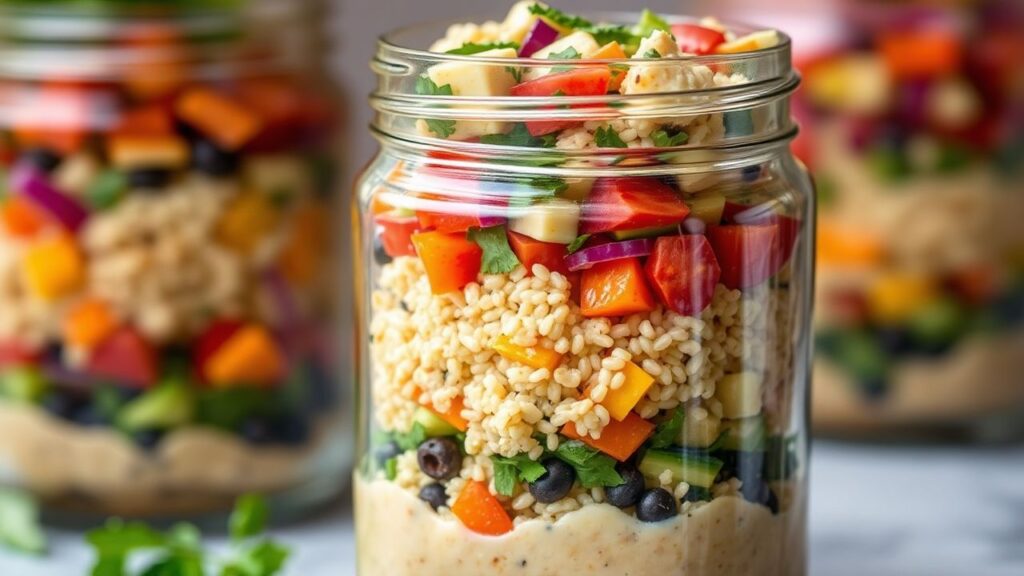
Invest in good quality airtight containers. Glass containers are excellent for reheating, while BPA-free plastic is lighter for transport. For salads, consider using mason jars to layer ingredients, keeping dressings separate until serving. Proper cooling of food before refrigerating is crucial to prevent bacterial growth.
Variety and Flexibility
Don’t be afraid to mix and match components from different recipes. The cooked chicken from the shawarma bowl can be added to a lentil stew, or the baba ghanoush can be a dip for the falafel wraps. This flexibility prevents meal fatigue and allows you to adapt your prepped food to your daily mood and nutritional needs.
For those new to meal prepping, starting with simpler recipes and gradually incorporating more complex dishes is advisable. The goal is to create a sustainable system that fits your lifestyle and culinary preferences. The inherent deliciousness and healthfulness of Middle Eastern cuisine make it an ideal canvas for creating a week of flavorful, ready-to-eat meals.
The cultural significance of food in the Middle East cannot be overstated; meals are often about bringing people together. While meal prep focuses on individual convenience, it can still honor this spirit by creating dishes that are designed to be shared and enjoyed, even when time is scarce. By embracing the principles of Middle Eastern cuisine – its emphasis on fresh ingredients, aromatic spices, and robust, satisfying flavors – you can transform your meal prep routine into a culinary adventure that nourishes both body and soul.
Frequently Asked Questions
What are the best staple ingredients for Middle Eastern meal prep?
The most versatile staples include lentils (brown, green), chickpeas, bulgur wheat, quinoa, and rice. For proteins, marinated chicken or lamb thighs are excellent choices. Don’t forget essential flavor enhancers like tahini, olive oil, lemon, garlic, onions, and a good selection of Middle Eastern spices such as cumin, coriander, paprika, and sumac.
How long can I safely store my Middle Eastern meal prep?
Most cooked dishes, like stews, rice, and cooked grains, can be stored in the refrigerator for 3-4 days when properly cooled and sealed in airtight containers. Salads with dressings stored separately can last up to 3 days. Cooked meats are also best consumed within 3-4 days. For longer storage, freezing is an option for many components, particularly grains, legumes, and cooked meats.
Can I make the dips and sauces ahead of time?
Yes, absolutely! Dips like hummus and baba ghanoush, as well as dressings and marinades, can be made 3-5 days in advance and stored in airtight containers in the refrigerator. This makes assembling meals during the week incredibly quick and effortless.
What are some ways to prevent meal prep from becoming monotonous?
The key to variety lies in flexible components. Prepare your base ingredients (grains, proteins, legumes) and then use them in different combinations with various sauces, fresh herbs, and accompaniments. For example, cooked chicken can go into a salad one day and a wrap the next. Experiment with different spice blends or add a new vegetable to a familiar dish.
Are Middle Eastern meal prep ideas healthy?
Yes, Middle Eastern cuisine is renowned for its healthfulness. It emphasizes fresh vegetables, legumes, whole grains, lean proteins, and healthy fats from olive oil and tahini. Many dishes are naturally rich in fiber, vitamins, and minerals. By choosing recipes that focus on these elements and controlling portion sizes, Middle Eastern meal prep can be a very healthy choice.
See also: Meal Prep