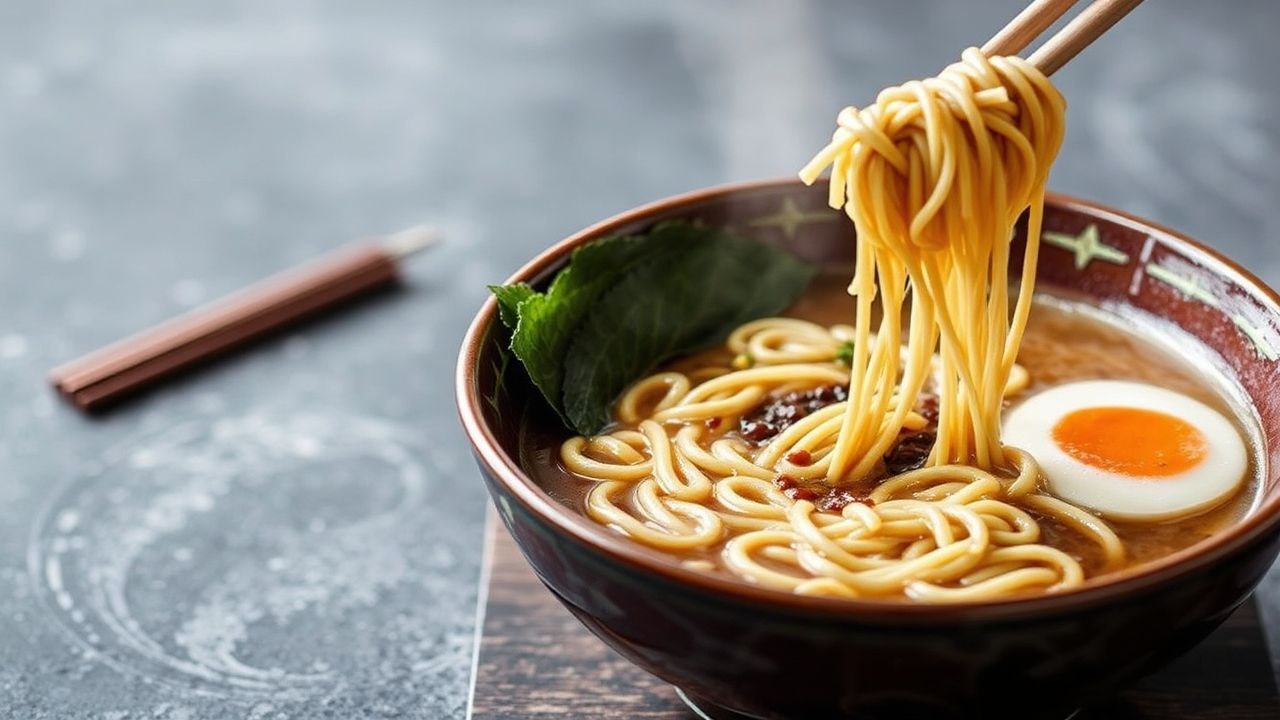

The Elusive Umami: Crafting Shoyu Ramen with Profound Flavor
What truly elevates a humble bowl of noodles and broth from mere sustenance to a profound culinary experience? It’s a question that has echoed through countless kitchens and street stalls in Japan, driving a relentless pursuit of perfect balance and soul-satisfying depth. At the heart of this quest lies the Shoyu Ramen, a foundational style celebrated for its clear, complex, and deeply savory soy sauce-based broth. For many, the idea of replicating this intricate umami bomb at home feels daunting. Yet, with a discerning eye for quality ingredients and a methodical approach, the elusive essence of authentic Shoyu Ramen is well within reach, transforming your kitchen into a haven of aromatic delight. This guide is an invitation to understand the soul of this iconic dish and to imbue your own creation with its characteristic warmth and complexity.
- The Elusive Umami: Crafting Shoyu Ramen with Profound Flavor
- Deconstructing the Shoyu Ramen: The Pillars of Excellence
- The Broth: The Soul’s Foundation
- The Tare: The Defining Savory Note
- The Noodles: The Perfect Vehicle
- The Toppings: The Artful Adornments
- The Shoyu Ramen Recipe: A Detailed Blueprint for Home Artisans
- Preparation Method: A Step-by-Step Journey to Ramen Nirvana
- Nutritional Information (Per Serving, Approximate)
- Expert Pro-Tips for Elevating Your Shoyu Ramen
- The Unfolding Narrative of Shoyu Ramen
- Frequently Asked Questions About Shoyu Ramen
- H3: What makes Shoyu Ramen different from other ramen types?
- H3: Can I make Shoyu Ramen without pork bones?
- H3: How long does the broth typically need to simmer for authentic Shoyu Ramen?
- H3: What is the best way to store leftover ramen broth and tare?
- H3: What are the most critical components to get right for a successful Shoyu Ramen?
At a Glance: Key Takeaways for Shoyu Ramen Mastery
- Broth is Paramount: The foundation of exceptional Shoyu Ramen lies in a multi-layered broth, achieved through careful simmering of aromatics and proteins, not just a quick boil.
- Tare is the Soul: The distinct soy sauce seasoning, or ‘tare’, is where the ramen’s signature flavor profile is truly defined, requiring patience and quality ingredients.
- Component Harmony: Success hinges on the thoughtful preparation and integration of all elements – broth, tare, noodles, and toppings – each contributing to the overall symphony of taste and texture.
- Patience Yields Perfection: Authentic Shoyu Ramen is a labor of love; rushing the process will invariably lead to a diluted and less satisfying result.
The journey into creating genuine Shoyu Ramen at home is one of layered discovery, beginning with the broth, the very lifeblood of the dish. Unlike the opaque, milky broths of tonkotsu ramen, Shoyu Ramen’s elegance lies in its clarity, a visual testament to the purity of its flavor. This clarity is not accidental; it’s a deliberate outcome of precise cooking techniques designed to extract maximum flavor without clouding the liquid. Mastering this aspect is the first significant step towards achieving that coveted restaurant-quality bowl.
Deconstructing the Shoyu Ramen: The Pillars of Excellence
To truly appreciate and replicate Shoyu Ramen, one must dissect its core components. Each element, from the humble noodle to the glistening slice of chashu, matter significantly in the final composition. Understanding the function and preparation of each part is as vital as the recipe itself.
The Broth: The Soul’s Foundation
The broth, or ‘dashi’ in its simplest form, is where the magic begins. For Shoyu Ramen, this isn’t a single liquid but a carefully constructed blend. The base is typically a combination of chicken and/or pork bones, simmered for hours to extract gelatin and rich flavor, alongside aromatics like ginger, garlic, and scallions. This foundational stock is then often enhanced with ‘kombu’ (dried kelp) and ‘katsuobushi’ (dried bonito flakes) to introduce the profound depth of umami, a savory taste that is fundamental to Japanese cuisine. The process requires patience, allowing flavors to meld without boiling vigorously, which can introduce bitterness and turbidity. The result should be a clear, fragrant liquid that whispers of the sea and the earth.
The Tare: The Defining Savory Note
The ‘tare’ is the concentrated seasoning base that gives Shoyu Ramen its characteristic soy sauce flavor. It’s not simply pouring soy sauce into the broth; rather, it’s a carefully balanced mixture. A classic Shoyu tare often includes high-quality Japanese soy sauce (such as Kikkoman or Yamasa), mirin (sweet rice wine), sake, and sometimes a touch of sugar or salt. Some chefs will further deepen the tare by infusing it with aromatics or even briefly simmering it to meld the flavors. The tare is added to the bottom of the serving bowl before the hot broth is poured over it, ensuring that the full intensity of the seasoning is delivered with each sip. Think of it as the chef’s signature, personalized for each bowl.
The Noodles: The Perfect Vehicle
The noodles, or ‘men’, are the backbone of the ramen experience. For Shoyu Ramen, alkaline noodles are typically preferred. These noodles, made with ‘kansui’ (an alkaline solution), have a distinct springy texture and a slightly yellow hue. Their chewiness provides a delightful contrast to the tender broth and toppings. The cooking time is critical; noodles should be cooked al dente, retaining a slight bite. Overcooked noodles become mushy and lose their structural integrity, detracting significantly from the dish.
The Toppings: The Artful Adornments
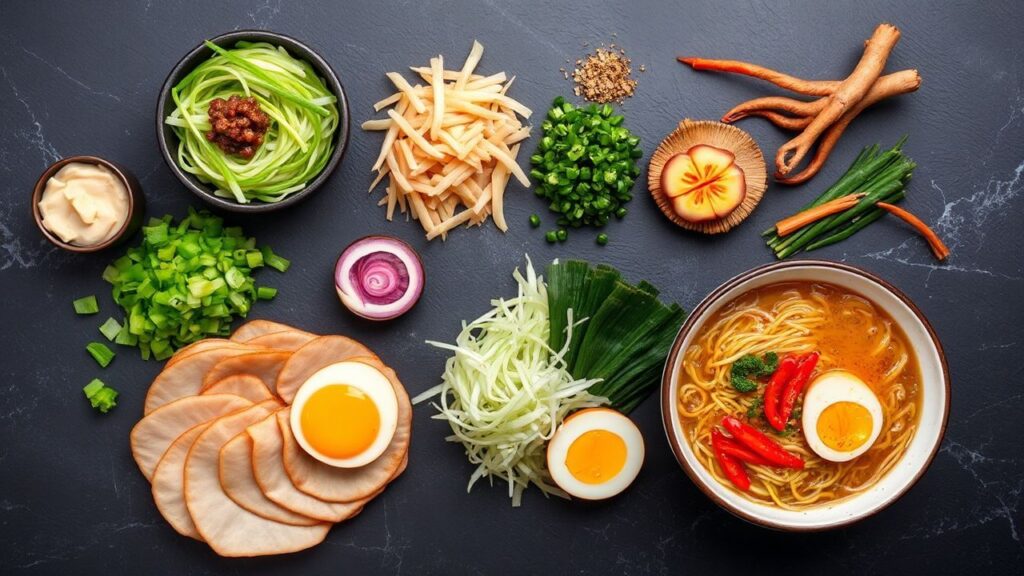
Toppings are where visual appeal and textural diversity come into play. Classic Shoyu Ramen toppings include:
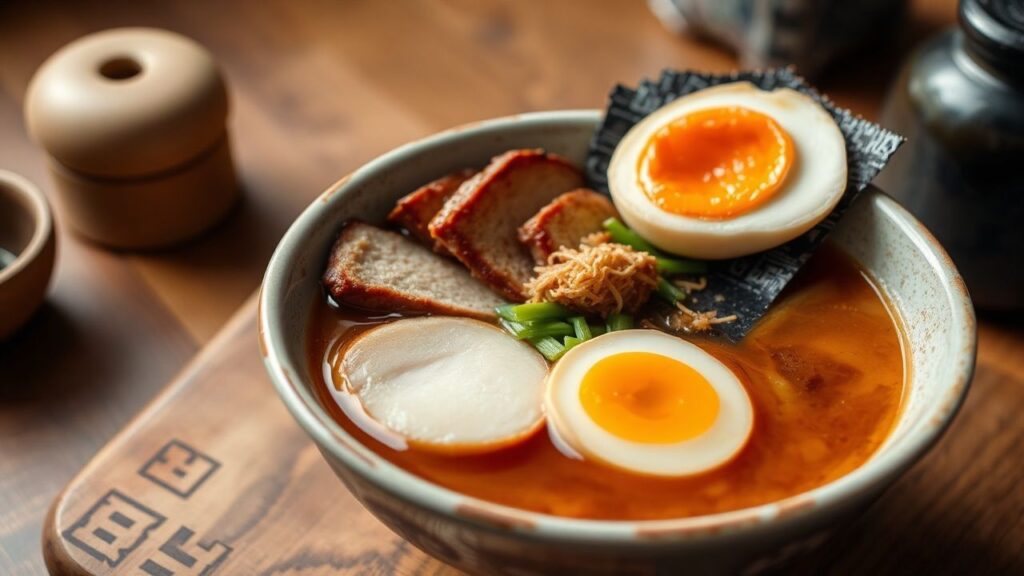
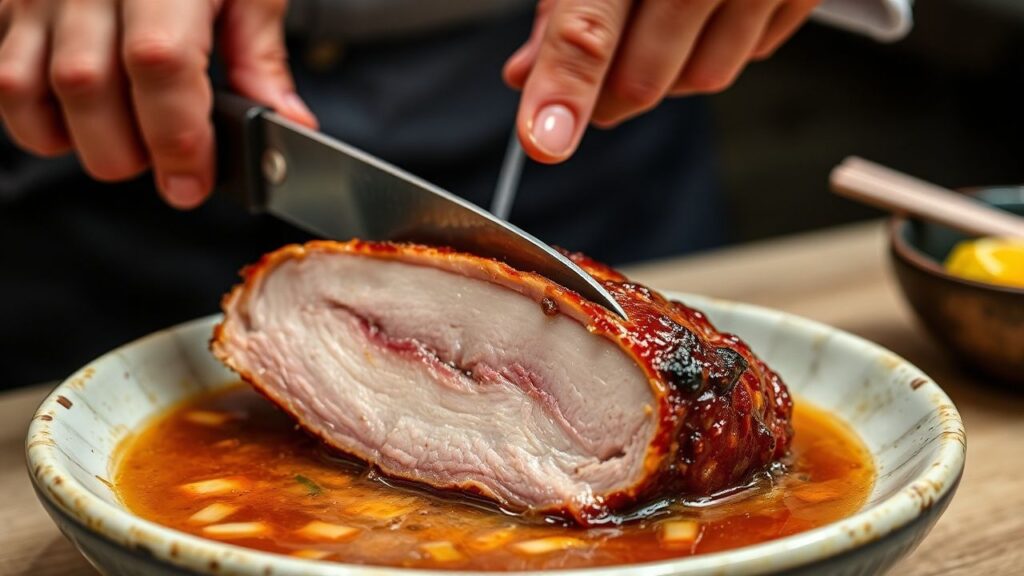
- Chashu: Braised pork belly, tender and infused with savory-sweet flavors.
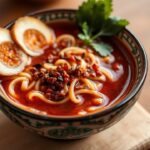
- Ajitsuke Tamago: Marinated soft-boiled eggs, with a custardy yolk.
- Menma: Fermented bamboo shoots, offering a unique salty crunch.
- Narutomaki: A cured fish cake with a distinctive pink swirl.
- Scallions: Freshly chopped, providing a sharp, oniony counterpoint.
- Nori: Dried seaweed sheets, adding a subtle oceanic note.
Each topping contributes a specific flavor, texture, or aroma, working in concert to create a complex and satisfying whole.
The Shoyu Ramen Recipe: A Detailed Blueprint for Home Artisans
Embarking on the creation of authentic Shoyu Ramen at home requires dedication, but the rewards are immeasurable. This recipe outlines a method that balances authenticity with practicality for the home cook.
Ingredients: The Building Blocks of Umami
This recipe yields approximately 4 servings.
For the Broth Base (Chicken & Pork Stock):
- 1 kg (approx. 2.2 lbs) chicken backs and wings
- 500g (approx. 1.1 lbs) pork neck bones (or trotters for extra collagen)
- 2 large onions, quartered
- 4 cloves garlic, smashed
- 1 knob (approx. 5cm / 2 inches) fresh ginger, sliced
- 2 large leeks (white and light green parts), roughly chopped
- 2 liters (approx. 8.5 cups) cold water (plus more as needed)
For the Dashi Enhancement:
- 20g (approx. 0.7 oz) dried kombu (kelp)
- 30g (approx. 1 oz) katsuobushi (dried bonito flakes)
For the Shoyu Tare:
- 200ml (approx. 7 fl oz) high-quality Japanese soy sauce (e.g., Kikkoman, Yamasa)
- 100ml (approx. 3.5 fl oz) mirin
- 50ml (approx. 1.7 fl oz) sake
- 1 tbsp sugar (optional, to taste)
- 1 clove garlic, smashed (optional)
- 1 small piece of ginger, sliced (optional)
For the Ajitsuke Tamago (Marinated Eggs):
- 4 large eggs
- 100ml (approx. 3.5 fl oz) soy sauce
- 50ml (approx. 1.7 fl oz) mirin
- 50ml (approx. 1.7 fl oz) water
- 1 tsp sugar
For the Chashu (Braised Pork Belly):
- 500g (approx. 1.1 lbs) pork belly, skin on or off (your preference)
- 200ml (approx. 7 fl oz) soy sauce
- 100ml (approx. 3.5 fl oz) mirin
- 100ml (approx. 3.5 fl oz) sake
- 50g (approx. 2 oz) rock sugar (or granulated sugar)
- 2 cloves garlic, smashed
- 1 thumb-sized piece of ginger, sliced
- 2 spring onions, roughly chopped
- 200ml (approx. 7 fl oz) water (or enough to almost cover the pork)
For Serving:
- 320g (approx. 11.3 oz) ramen noodles (fresh or dried, preferably alkaline)
- Additional toppings: menma, scallions, nori, narutomaki, etc.
Preparation Method: A Step-by-Step Journey to Ramen Nirvana
This process is best undertaken over two days to allow flavors to develop fully.
Day 1: Crafting the Broth and Chashu
1. Prepare the Broth Base:
- Begin by blanching the chicken and pork bones. Place them in a large pot, cover with cold water, bring to a rolling boil, and cook for 5-10 minutes. This crucial step removes impurities and any residual blood, ensuring a cleaner-tasting broth. Drain the bones and rinse them thoroughly under cold water.
- Clean the pot. Return the rinsed bones to the pot and add the quartered onions, smashed garlic, sliced ginger, and chopped leeks. Pour in 2 liters of cold water.
- Bring the pot to a gentle simmer over medium-high heat. Once simmering, reduce the heat to low, cover partially, and let it cook for at least 4-6 hours. Skim off any scum or foam that rises to the surface periodically. The goal is a very gentle simmer, not a rolling boil, to maintain clarity. Add more water if the level drops significantly.
2. Braise the Chashu:
- While the broth simmers, prepare the chashu. In a heavy-bottomed pot or Dutch oven, combine the soy sauce, mirin, sake, rock sugar, smashed garlic, sliced ginger, and chopped spring onions. Add enough water to almost cover the pork belly.
- Nestle the pork belly into the liquid, ensuring it is submerged as much as possible. Bring to a simmer over medium heat.
- Once simmering, reduce the heat to low, cover, and braise for 1.5 to 2 hours, or until the pork is very tender. Turn the pork halfway through cooking to ensure even braising.
- Once cooked, remove the pork belly from the braising liquid and let it cool slightly. Strain the braising liquid and reserve it. The cooled pork can be wrapped tightly in plastic wrap and refrigerated overnight. This helps it firm up, making it easier to slice later. The reserved braising liquid will be used to enrich the tare and can also be brushed onto the sliced chashu.
3. Prepare the Ajitsuke Tamago:
- Gently lower the eggs into a pot of boiling water. Cook for exactly 6.5 minutes for a perfectly jammy yolk. Immediately transfer the eggs to an ice bath to stop the cooking process.
- Once cooled, carefully peel the eggs. In a small container or a zip-top bag, combine the soy sauce, mirin, water, and sugar for the marinade. Add the peeled eggs, ensuring they are fully submerged. Marinate in the refrigerator for at least 4 hours, or preferably overnight.
Day 2: Assembling the Shoyu Ramen Masterpiece
1. Finish the Broth:
- Strain the broth base through a fine-mesh sieve lined with cheesecloth for maximum clarity. Discard the solids.
- To enhance the dashi, gently wipe the kombu with a damp cloth (do not wash off the white powdery substance, as it contains umami). Place the kombu in a separate pot with 500ml (approx. 2 cups) of fresh water and heat gently over low heat. Remove the kombu just before the water boils to prevent bitterness.
- Bring the kombu-infused water to a simmer, then add the katsuobushi. Simmer for 1-2 minutes, then turn off the heat and let steep for 10-15 minutes. Strain this dashi mixture through a fine sieve.
- Combine the strained bone broth with the dashi enhancement liquid. You should have approximately 2 to 2.5 liters of fragrant, clear broth. Keep warm over very low heat.
2. Prepare the Shoyu Tare:
- In a small saucepan, combine the soy sauce, mirin, sake, and sugar (if using). If you opted for the optional garlic and ginger, add them now.
- Gently warm the mixture over low heat, stirring until the sugar dissolves. Do not boil. If you added aromatics, let them infuse for 10-15 minutes, then strain the tare. You want a concentrated, savory liquid.
3. Cook the Noodles:
- Bring a large pot of unsalted water to a rolling boil. Cook the ramen noodles according to package directions until al dente (usually 2-4 minutes for fresh, longer for dried). Do not overcook. Drain thoroughly.
4. Assemble the Bowls:
- To each serving bowl, add 2-3 tablespoons of the Shoyu Tare. Adjust this amount to your personal preference for saltiness and intensity.
- Ladle about 400-500ml (approx. 1.7-2 cups) of the hot broth over the tare. Stir gently to combine.
- Add the drained noodles to the broth.
- Artfully arrange your toppings: slices of cooled chashu (you can warm them gently in the reserved braising liquid), the halved ajitsuke tamago, menma, chopped scallions, and a sheet of nori.
Nutritional Information (Per Serving, Approximate)
Please note that nutritional values can vary significantly based on the exact ingredients and portion sizes used. This is a general estimate.
- Calories: 700-900 kcal
- Protein: 30-45g
- Fat: 35-55g
- Carbohydrates: 50-70g
- Sodium: 1500-2500mg (highly dependent on soy sauce and tare quantity)
This dish is rich in protein and B vitamins from the pork and chicken. The complex carbohydrates come from the noodles. The sodium content is a significant factor, often necessitating mindful consumption. For a lighter version, consider reducing the tare amount or opting for a lower-sodium soy sauce.
Expert Pro-Tips for Elevating Your Shoyu Ramen
Achieving true mastery involves nuances that separate good from exceptional.
Enhancing the Broth’s Complexity:
Consider adding a small piece of dried shiitake mushroom to the broth during its simmer. This introduces a subtle, earthy umami that complements the pork and chicken beautifully. Some chefs also advocate for adding a small amount of ‘niboshi’ (dried baby sardines) to the dashi for an extra layer of oceanic depth, though this can be an acquired taste. A touch of chicken fat rendered from the chicken backs can also add a luxurious mouthfeel and flavor.
Perfecting the Tare:
Don’t be afraid to experiment with your tare. A small amount of toasted sesame oil can add a nutty aroma. Some recipes call for a tiny splash of rice vinegar for brightness, or a pinch of MSG for an extra boost of umami – though this is entirely optional and depends on personal preference. The key is balance; the tare should enhance, not overpower, the delicate flavors of the broth.
The Art of Noodle Cooking:
Always cook noodles in a large volume of unsalted boiling water. Salt can affect the alkaline properties of the noodles and their texture. The water should be vigorously boiling to ensure rapid and even cooking. Test a noodle for doneness frequently; it should be cooked to ‘al dente’ – tender but with a firm bite. Immediately drain them well to prevent them from becoming waterlogged. A quick rinse under hot water can sometimes help remove excess starch if you prefer a slightly looser noodle.
The Unfolding Narrative of Shoyu Ramen
The history of Shoyu Ramen is intertwined with the evolution of Japanese cuisine itself. While ramen’s origins are often traced to China, its distinct Japanese evolution, particularly the Shoyu style, gained prominence in the early 20th century. Ramen stalls, known as ‘ramen-ya’, became popular gathering places, offering a hearty and affordable meal. The simplicity of the soy sauce base made it accessible and adaptable, allowing regional variations to flourish. Today, Shoyu Ramen is a global phenomenon, proof of its enduring appeal and the universal language of delicious, comforting food. Its adaptability is also a strength; from the rich, dark shoyu of Tokyo to the lighter, clearer versions found elsewhere, the style is a canvas for culinary expression. For instance, a study by the Ramen Database in Japan revealed that Shoyu Ramen consistently ranks among the top three most popular ramen types nationwide, highlighting its deep cultural resonance.
Troubleshooting Common Issues
- Cloudy Broth: This is often due to boiling the broth too vigorously or not skimming impurities sufficiently. Ensure a gentle simmer and consistent skimming.
- Lack of Flavor: This points to insufficient simmering time for the broth, a weak tare, or not using quality ingredients. Patience and good ingredients are key.
- Mushy Noodles: Overcooking is the culprit. Pay close attention to cooking times and test for doneness.
The pursuit of the perfect bowl of Shoyu Ramen is a rewarding endeavor. It teaches us about patience, the importance of quality ingredients, and the art of balancing complex flavors. Each step, from the slow simmer of the bones to the precise seasoning of the tare, contributes to a culinary narrative that is both deeply personal and universally understood.
Frequently Asked Questions About Shoyu Ramen
H3: What makes Shoyu Ramen different from other ramen types?
Shoyu Ramen is distinguished by its clear, brown broth seasoned primarily with soy sauce (shoyu). This contrasts with other popular styles like Miso Ramen (seasoned with miso paste) or Tonkotsu Ramen (made from slow-simmered pork bones, resulting in a milky, opaque broth). The flavor profile of Shoyu Ramen is typically savory and umami-rich, with a more delicate and less heavy character than tonkotsu.
H3: Can I make Shoyu Ramen without pork bones?
Absolutely. While pork bones add significant depth and richness, a very flavorful Shoyu Ramen broth can be made using only chicken bones and carcasses. You can also enhance the broth with dried shiitake mushrooms and kombu for additional umami complexity. For a vegetarian or vegan version, a mushroom and vegetable-based broth with added kombu and dried seaweed can be used as a base, with the tare remaining soy-sauce based.
H3: How long does the broth typically need to simmer for authentic Shoyu Ramen?
For a robust and flavorful broth, a minimum of 4-6 hours of gentle simmering is recommended. However, many professional chefs simmer their broths for 8-12 hours, or even longer, to extract maximum flavor and collagen. The key is to maintain a very low, gentle simmer to avoid clouding the broth.
H3: What is the best way to store leftover ramen broth and tare?
Both the broth and tare can be stored in airtight containers in the refrigerator for up to 3-4 days. For longer storage, they can be frozen. Broth freezes exceptionally well and can be kept in the freezer for up to 3 months. Tare also freezes well. When reheating, gently warm them on the stovetop, ensuring they reach a safe serving temperature.
H3: What are the most critical components to get right for a successful Shoyu Ramen?
The two most critical components are the broth and the tare. The broth provides the foundation of flavor and aroma, while the tare defines the ramen’s characteristic taste. Even with perfect noodles and toppings, a subpar broth or unbalanced tare will result in a disappointing dish. Investing time and care into these two elements will yield the most significant improvements.
See also: Shoyu Ramen