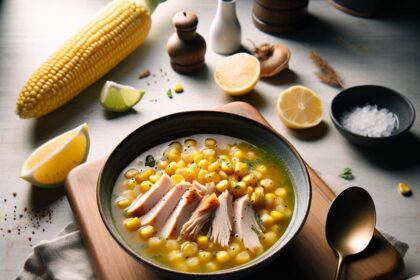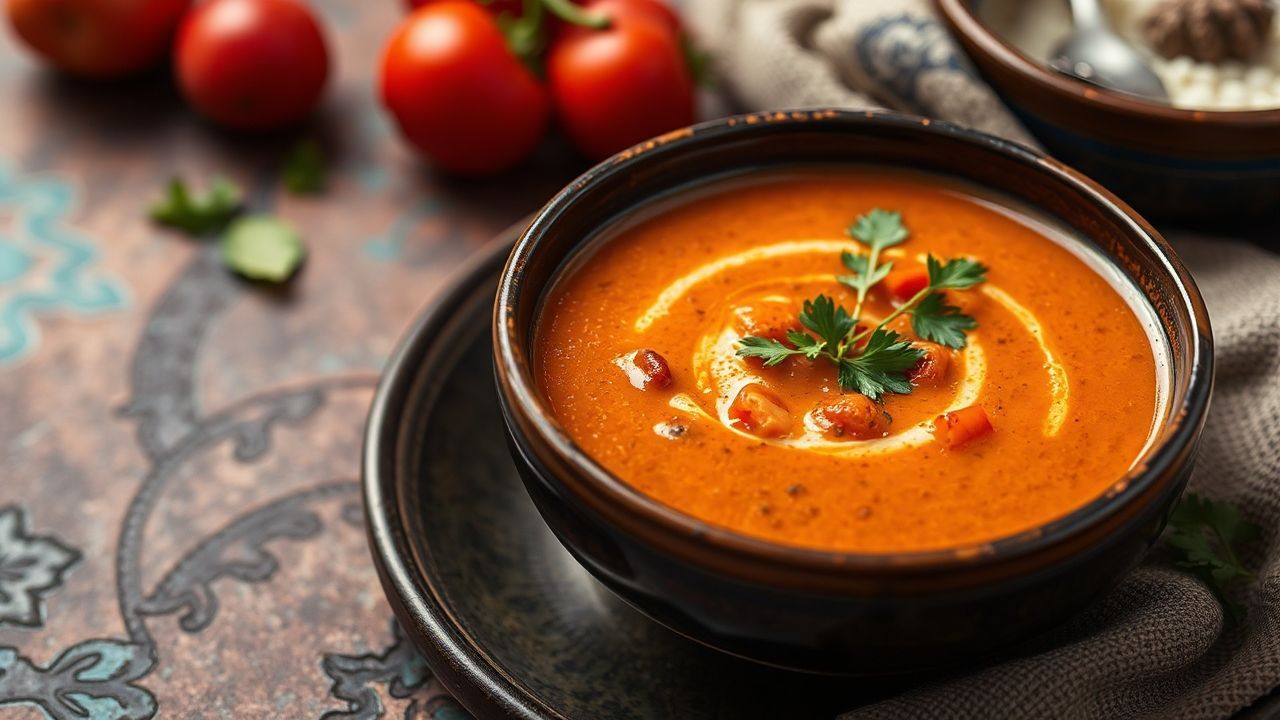

Harira is more than just a soup; it is the beating heart of Moroccan culinary tradition, a fragrant symphony of flavors and aromas that awakens the senses and nourishes the soul. It’s a dish so deeply ingrained in the national identity that its preparation often transcends mere cooking, becoming a ritualistic act of hospitality and communal bonding, particularly during the sacred month of Ramadan. Yet, for many outside Morocco, the true essence of Harira remains elusive, often reduced to a simplified recipe that misses the nuances that elevate it from sustenance to sublime.
- The Soul of Harira: Understanding Its Cultural Significance
- Unveiling the Essential Harira Ingredients
- The Aromatic Base
- The Protein and Legume Powerhouses
- The Thickening Agents
- The Spice Symphony
- The Finishing Touches
- Mastering the Harira Preparation: A Step-by-Step Culinary Art
- Step 1: Building the Flavor Foundation (The Sauté)
- Step 2: Introducing the Tomatoes and Spices
- Step 3: The Simmering Symphony
- Step 4: Thickening and Finishing
- Step 5: The Noodle Embrace
- Step 6: The Final Flourish
- Nutritional Insights: The Wholesome Power of Harira
- Elevating Your Harira: Pro-Tips from the Culinary Masters
- The Enduring Legacy of Harira
- Frequently Asked Questions about Harira
The secret to an unforgettable Harira lies not just in the ingredients, but in the patient layering of flavors and the understanding of its profound cultural significance.
This guide will lead you through the intricate art of crafting an authentic Moroccan Harira, revealing the subtle techniques and time-honored wisdom that have been passed down through generations. We will explore the essential components, the specific preparation methods that unlock its full potential, and the cultural context that imbues each spoonful with history and warmth. Prepare to embark on a culinary journey that will transform your understanding and appreciation of this iconic soup.
The Soul of Harira: Understanding Its Cultural Significance
Harira’s story is intrinsically linked to the rhythms of Moroccan life, most notably its role in breaking the fast during Ramadan. For centuries, this hearty soup has been the traditional dish served at sunset to replenish the body and spirit after a day of fasting. Its complex nutritional profile, rich in carbohydrates, proteins, and essential minerals, makes it an ideal rehydrating and fortifying meal. Beyond its practical function, Harira symbolizes generosity, community, and the spirit of sharing that defines Moroccan culture. Families gather around steaming bowls, sharing stories and strengthening bonds, making the soup a catalyst for connection. This deep cultural embeddedness means that each family often has its own cherished variation, proof of its adaptability and personal significance.
Unveiling the Essential Harira Ingredients
The foundation of a truly exceptional Harira is built upon a carefully selected array of fresh, high-quality ingredients. While variations exist across regions and families, certain components are non-negotiable for achieving that authentic, soul-satisfying flavor.
The Aromatic Base
- Tomatoes: Ripe, juicy tomatoes are paramount. They provide the soup’s characteristic tang and vibrant color. Freshly puréed or finely diced, they form the liquid heart of the soup.
- Onions: Finely chopped yellow or white onions, softened and caramelized, offer a subtle sweetness and depth.
- Garlic: A generous amount of minced garlic is essential for its pungent aroma and robust flavor.
- Herbs: Fresh cilantro and parsley, finely chopped, are indispensable. They add a bright, herbaceous counterpoint to the richer flavors. A small amount of fresh mint is also a delightful addition for some variations.
The Protein and Legume Powerhouses
- Lentils: Typically, brown or green lentils are used. They contribute a creamy texture and earthy flavor, along with vital protein and fiber.
- Chickpeas: Pre-soaked and cooked until tender, chickpeas add another layer of texture and protein, making the soup wonderfully hearty.
- Meat (Optional but Recommended): Small pieces of lamb or beef, often trimmed of fat, add a savory depth that is unparalleled. Some traditional recipes also use chicken. The bones can be used to enrich the broth.
The Thickening Agents
- Flour (or Toasted Flour): A small amount of all-purpose flour, whisked into water to form a slurry, is traditionally used to thicken the soup towards the end of cooking. Toasting the flour lightly beforehand can impart a subtle nutty flavor.
- Vermicelli Noodles: Thin strands of vermicelli are often added in the final stages, providing a delightful chewiness and further contributing to the soup’s body.
The Spice Symphony
- Ginger: Freshly grated ginger adds a warming, zesty kick that cuts through the richness.
- Turmeric: For its vibrant color and mild earthy flavor.
- Cumin: A staple spice, cumin provides a warm, slightly smoky aroma.
- Coriander: Ground coriander adds a subtle citrusy note.
- Cinnamon: A pinch of cinnamon is a secret weapon for many, adding an unexpected warmth and complexity.
- Paprika: Sweet or smoked paprika can enhance the color and add a gentle warmth.
- Black Pepper: Freshly ground black pepper for a touch of heat.
- Salt: To taste, crucial for balancing all the flavors.
The Finishing Touches
- Lemon Juice: A squeeze of fresh lemon juice just before serving brightens all the flavors and adds a refreshing zest.
- Hard-Boiled Eggs (Optional Garnish): Some families serve Harira with halved hard-boiled eggs, adding another source of protein and a creamy texture.
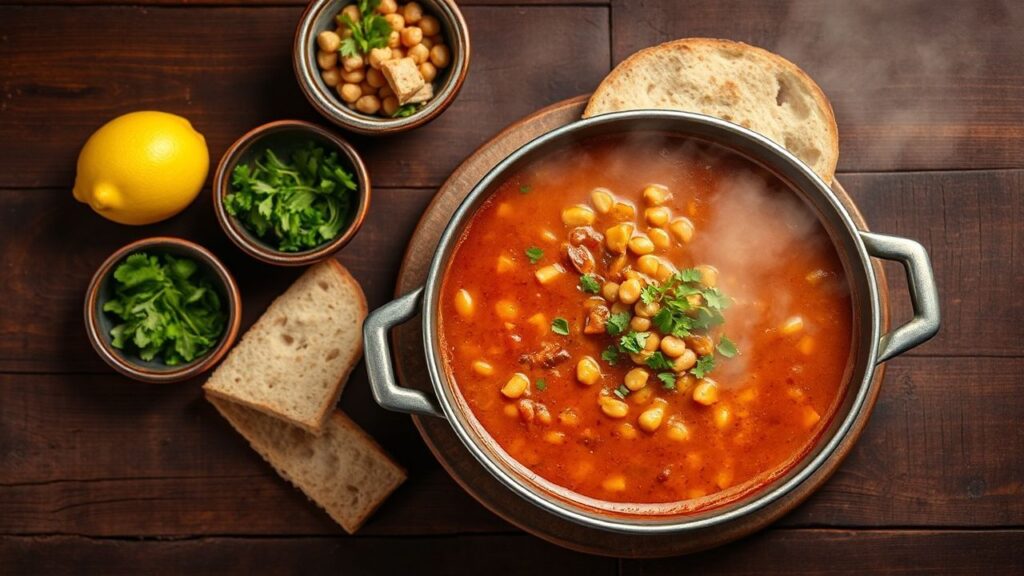
Mastering the Harira Preparation: A Step-by-Step Culinary Art
Crafting authentic Harira is a process that rewards patience and attention to detail. It’s not a dish to be rushed; each step contributes to the symphony of flavors.
Step 1: Building the Flavor Foundation (The Sauté)
Begin by heating a generous amount of olive oil or a blend of olive oil and butter in a large, heavy-bottomed pot or Dutch oven over medium heat. Add the finely chopped onions and sauté until they are softened and translucent, about 5-7 minutes. Next, add the minced garlic and grated ginger, cooking for another minute until fragrant, being careful not to burn them. If using meat, add the diced pieces at this stage and brown them on all sides. This initial sauté is critical for developing the aromatic base of the soup.
Step 2: Introducing the Tomatoes and Spices
Stir in the puréed or finely diced tomatoes, along with all the dry spices: turmeric, cumin, coriander, cinnamon, paprika, and black pepper. Cook for about 5-10 minutes, stirring occasionally, allowing the tomatoes to break down and the spices to bloom, releasing their essential oils and fragrant aromas. This step is where the characteristic color and depth of flavor begin to emerge.
Step 3: The Simmering Symphony
Pour in enough water or broth (vegetable or meat broth will add more depth) to generously cover the ingredients. Add the rinsed lentils and chickpeas, along with the chopped cilantro and parsley. Bring the mixture to a boil, then reduce the heat to low, cover the pot, and let it simmer gently for at least 1 to 1.5 hours, or until the lentils and chickpeas are tender and the flavors have melded beautifully. The longer it simmers, the richer the flavor will become. Stir occasionally to prevent sticking.
Step 4: Thickening and Finishing
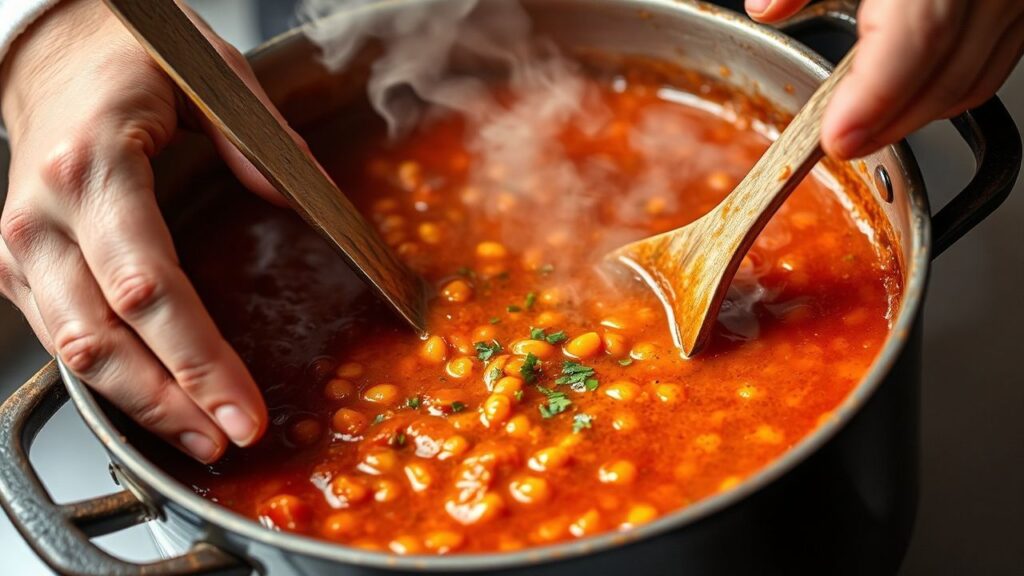
In a separate small bowl, whisk together the all-purpose flour with about 1 cup of cold water until a smooth slurry forms. Slowly pour this slurry into the simmering soup while stirring continuously. Continue to cook, stirring, for another 10-15 minutes, until the soup has thickened to your desired consistency. Be patient; it will thicken further as it cools slightly.
Step 5: The Noodle Embrace
If using vermicelli noodles, break them into small pieces and add them to the pot during the last 5-10 minutes of cooking. Ensure they are fully submerged and cook until al dente. Overcooking the noodles can make them mushy, so keep a close eye on them.
Step 6: The Final Flourish
Season generously with salt to taste. Just before serving, stir in a generous squeeze of fresh lemon juice. This final touch is crucial for brightening all the flavors and adding a refreshing counterpoint to the soup’s richness.
The aroma of simmering Harira is a potent reminder of home, family, and the simple joys of a shared meal.
Nutritional Insights: The Wholesome Power of Harira
Harira is a nutritional powerhouse, proof of the wisdom of traditional Moroccan cuisine. It offers a balanced profile of macronutrients and micronutrients, making it a complete and satisfying meal, especially when enjoyed with crusty Moroccan bread (khobz).
A typical serving (approximately 1.5 cups or 350ml) of traditional meat-based Harira can provide:
- Calories: Around 300-450 kcal, depending on the amount of meat and oil used.
- Protein: Approximately 15-25 grams, primarily from the lentils, chickpeas, and meat. This is substantial for a soup, contributing to satiety and muscle repair.
- Carbohydrates: Around 30-45 grams, providing essential energy, with complex carbohydrates from the legumes and noodles.
- Fiber: A significant amount, often 8-12 grams, thanks to the lentils, chickpeas, and vegetables, which aids digestion and promotes a feeling of fullness.
- Vitamins and Minerals: Rich in iron (from lentils and meat), folate (from leafy greens and lentils), potassium (from tomatoes), and various B vitamins. The spices also contribute antioxidants.
Studies have highlighted the benefits of legume-rich diets for cardiovascular health and blood sugar management. For instance, research published in the *British Journal of Nutrition* suggests that regular consumption of pulses like lentils and chickpeas is associated with a reduced risk of type 2 diabetes and heart disease, owing to their high fiber and protein content and low glycemic index.
[TIP]Expert Insight: For a lighter, vegetarian version, omit the meat and enrich the broth with extra vegetables like carrots and celery, and perhaps a touch of smoked paprika for depth. The nutritional profile remains robust, offering excellent plant-based protein and fiber.
Elevating Your Harira: Pro-Tips from the Culinary Masters
To truly master Harira and achieve that sought-after restaurant-quality taste, consider these expert techniques:
- The Art of the Broth: For an unparalleled depth of flavor, consider making your own meat or vegetable broth. Simmering meat bones with aromatic vegetables like carrots, celery, and leeks for several hours will yield a richer, more complex liquid base than water alone.
- Toasting the Flour: Instead of adding raw flour, lightly toast it in a dry pan over medium heat until it turns a pale golden brown. This eliminates any raw flour taste and imparts a subtle nutty complexity to the soup’s texture. Whisk this toasted flour with water before adding it to the soup.
- Layering Spices: Don’t just dump all the spices in at once. Sautéing the dry spices briefly with the tomatoes allows their aromas to fully develop and integrate into the base, creating a more nuanced flavor profile.
- Patience in Simmering: Harira is a soup that benefits immensely from time. The longer it simmers gently, the more the flavors will meld and deepen. Aim for at least 1.5 to 2 hours of slow simmering for optimal results.
- The Tangy Finish: The final squeeze of fresh lemon juice is not optional; it’s essential. It cuts through the richness and brings all the individual flavors into sharp focus, creating a harmonious balance. Some families also add a touch of vinegar for an extra acidic zing.
- The “Ras el Hanout” Secret: For those seeking an adventurous twist, a tiny pinch of high-quality *Ras el Hanout* (a complex Moroccan spice blend) can add an intriguing layer of exotic warmth and aroma. Use sparingly, as it is potent.
[WARNING]Pro-Caution: While Harira is incredibly nutritious, be mindful of the amount of oil and meat used, especially if you are watching your fat intake. The traditional preparation can be quite rich. Opt for leaner cuts of meat and moderate the oil to create a healthier, yet still delicious, version. Additionally, always ensure legumes are fully cooked to prevent digestive discomfort.
The Enduring Legacy of Harira
Harira is far more than a soup; it is a cultural ambassador, a symbol of Moroccan hospitality, and proof of the enduring power of simple, wholesome ingredients transformed by time and tradition. Its diverse mix of flavors, from the earthy legumes and tender meat to the vibrant herbs and warming spices, creates an experience that is both comforting and invigorating. Whether enjoyed during the reflective quiet of Ramadan or as a hearty meal on any day, Harira offers a profound connection to the heart of Moroccan culture. Mastering its preparation is a journey of discovery, a culinary art form that rewards the dedicated cook with a truly unforgettable taste of Morocco.
Frequently Asked Questions about Harira
What are the key ingredients that make Harira unique?
The uniqueness of Harira stems from its specific combination of hearty legumes like lentils and chickpeas, often enriched with tender pieces of meat, a vibrant tomato base, and a distinctive blend of warming spices such as ginger, cumin, turmeric, and a hint of cinnamon. The fresh herbs, cilantro and parsley, add essential brightness, while flour or vermicelli noodles provide its characteristic comforting thickness.
Can Harira be made vegetarian or vegan?
Absolutely. To create a vegetarian Harira, simply omit the meat. To make it vegan, ensure you use vegetable broth or water instead of meat broth and avoid any animal-derived thickeners. The soup remains incredibly flavorful and satisfying with just the legumes, vegetables, herbs, and spices.
How long does it typically take to cook authentic Harira?
Authentic Harira requires patience. The preparation typically involves an initial sautéing of aromatics, followed by a slow simmering period of at least 1 to 1.5 hours for the lentils, chickpeas, and meat to become tender and for the flavors to meld. The final thickening and noodle cooking add another 15-20 minutes. So, plan for a total cooking time of around 2 hours for the best results.
What is the best way to thicken Harira if it’s too thin?
The traditional method is to create a slurry by whisking flour with cold water until smooth, then gradually adding it to the simmering soup while stirring continuously. Cook for another 10-15 minutes until it reaches the desired consistency. Alternatively, you can mash some of the cooked chickpeas or lentils against the side of the pot to naturally thicken the soup.
What is the cultural significance of Harira, especially during Ramadan?
Harira holds immense cultural significance in Morocco, particularly during the month of Ramadan. It is the traditional dish served at sunset to break the fast (Iftar), providing essential nutrients and hydration after a day of abstaining from food and drink. Its rich, nourishing qualities make it ideal for replenishing energy. Beyond its nutritional role, Harira symbolizes generosity, community, and the spirit of togetherness, as families and friends gather to share this beloved soup.
See also: Harira