
Labneh: 7 Proven Secrets to Mastering Tangy Yogurt Balls
- The Profound Alchemy of Straining Labneh: Building a Tangy Foundation
- Selecting the Ideal Yogurt Base for Superior Labneh
- Understanding the Whey Removal Process for Dense Labneh
- Crafting the Spheres: The Art and Science of Shaping Labneh Balls
- Techniques for Achieving Perfectly Round Labneh Balls
- Troubleshooting Common Labneh Ball Shaping Issues
- The Art of Preservation: Infusing Labneh Balls with Flavorful Oil
- Choosing the Right Olive Oil for Flavor and Longevity
- Infusing with Aromatics: Personalizing Your Labneh Flavors
- Beyond the Classic: Innovative Flavor Variations for Labneh Balls
- The Nutritional Powerhouse: Understanding the Health Benefits of Labneh
- Common Pitfalls and Expert Solutions for Perfect Labneh Balls
- The Cultural Significance and Global Appeal of Labneh Balls
- Labneh Balls as a Symbol of Hospitality and Togetherness
- Bridging Cultures Through the Unique Taste of Labneh
- Frequently Asked Questions
- What is the best type of yogurt to use for making labneh balls?
- How long can I store labneh balls preserved in olive oil?
- Can I make labneh balls without straining the yogurt for a long time?
- What are some alternative ways to flavor labneh balls besides herbs?
- Is it necessary to dry the labneh balls before preserving them in oil?
- Related Articles
Labneh, that luxuriously thick, tangy delight, transforms simple meals into sophisticated culinary experiences. But when concentrated into glistening spheres, nestled in fragrant olive oil, labneh balls become an unforgettable gastronomic treasure. Mastering their creation is a journey into culinary heritage, coaxing nuanced flavors and achieving a texture that is both yielding and substantial. This transformation of humble yogurt into a preserved, flavor-packed delicacy is proof of culinary alchemy, proving that with the right techniques, anyone can elevate this Middle Eastern staple.
Key Takeaways: Elevating Your Labneh Ball Craft
- The Straining Imperative: Achieving the correct density through extended yogurt straining (24-48 hours) is paramount for shaping firm, intact labneh balls.
- Gentle Handling is Key: Formulate the balls with a light touch, using moistened or lightly oiled hands to prevent sticking and overworking the labneh, ensuring a smooth, tender texture.
- Preservation is an Art: Thoroughly drying the balls before submerging them in high-quality olive oil, infused with your chosen aromatics, is critical for flavor development and shelf-life.
- Flavor is Personal: While classic herbs are delightful, don’t shy away from experimenting with ingredients like sun-dried tomatoes, chili flakes, or toasted seeds to create unique flavor profiles.
The Profound Alchemy of Straining Labneh: Building a Tangy Foundation
The very essence of labneh, and by extension its celebrated ball form, lies in its distinct texture and concentrated flavor. This is meticulously achieved through a crucial straining process that fundamentally differentiates it from everyday yogurt. Labneh is, in essence, yogurt that has undergone a significant removal of its whey. This process yields a consistency that is dramatically thicker, luxuriously creamier, and possesses a delightful, pronounced tang. By concentrating the milk solids and proteins, labneh attains a richness that is both deeply satisfying and incredibly versatile. The traditional method, a marvel of simplicity and effectiveness, involves suspending a colander lined with cheesecloth over a bowl. This setup allows gravity to gently and patiently extract the whey from a generous portion of plain yogurt.
The duration of this straining period is not merely a guideline; it is the cornerstone of success. For a spreadable labneh, a period of 8 to 12 hours is typically sufficient. However, when the ambition is to shape labneh into balls, a considerably longer straining time, often spanning 24 to 48 hours, becomes absolutely essential. This extended duration is necessary to achieve a density firm enough for the labneh to hold its shape without succumbing to crumbling. Throughout this prolonged process, the yogurt transforms, becoming exceptionally dense, almost cheese-like in its texture. This dense quality is not just desirable; it is critical for the subsequent formation of the balls and, crucially, for their ability to withstand the preservation process without disintegrating.
Research published in the *Journal of Dairy Science* underscores how the reduction in moisture content during straining profoundly impacts the textural properties and the overall shelf-life of dairy products, a principle that directly translates to the successful production of labneh.
Selecting the Ideal Yogurt Base for Superior Labneh
The quality and type of yogurt directly influence the final outcome, impacting tanginess, creaminess, and workability for shaping. The ideal starting point is a good quality, full-fat, plain yogurt. It is imperative to opt for whole milk yogurt that contains live active cultures. While Greek yogurt might seem like a convenient alternative due to its pre-strained nature, it can sometimes be too firm from the outset. This initial firmness can make the subsequent straining process less effective in achieving the desired level of tang and optimal texture for shaping. Crucially, avoid yogurts that contain added thickeners or stabilizers, as these artificial agents can interfere with the natural straining process, ultimately compromising the final texture and flavor of your labneh.
Understanding the Whey Removal Process for Dense Labneh
The core of labneh production lies in the deliberate removal of whey. This isn’t just about thickening; it’s about concentrating flavor and altering texture. For labneh balls, the goal is to achieve a consistency that is firm enough to be rolled and holds its shape, which requires a longer, more thorough straining period than for a spreadable labneh. This process concentrates the natural acidity of the yogurt, resulting in a more pronounced tang that is characteristic of excellent labneh. This extended straining period, typically 24-48 hours, allows for significant water loss, resulting in a product that is about one-third the volume of the original yogurt but with intensified flavor and a much firmer, pliable texture suitable for molding.
Crafting the Spheres: The Art and Science of Shaping Labneh Balls
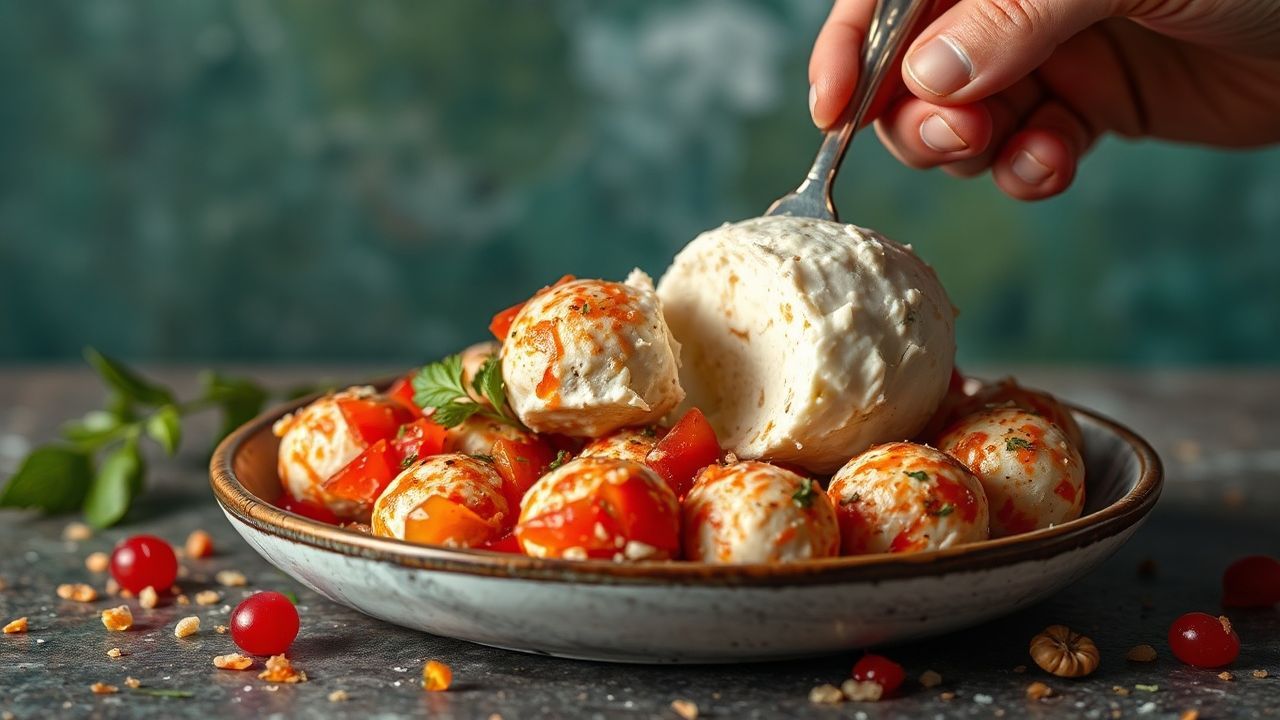
Once your labneh has achieved the requisite firmness – it should possess a density that allows it to hold a shape when scooped – the true artistry of forming the balls can commence. This step demands a delicate touch and an abundance of patience. Labneh, by its nature, can be quite sticky, a characteristic that can make shaping a challenge. To mitigate this, a simple yet effective technique involves wetting your hands with cold water or lightly coating them with olive oil. This creates a barrier, preventing the labneh from adhering excessively to your skin and ensuring a smoother rolling action.
Begin this tactile process by scooping a portion of labneh, roughly equivalent to a tablespoon, into the palm of your hand. With gentle, consistent pressure, roll the labneh between your hands, working it into a compact, uniform ball. The ultimate objective here is to achieve a smooth, perfectly formed sphere without overworking the labneh. Overmanipulation can inadvertently lead to a tougher, less desirable texture. The size of the balls is a matter of personal preference and presentation; they can range from small, delicate, bite-sized spheres, approximately one inch in diameter, to larger, more substantial portions. Regardless of the chosen size, maintaining consistency is key, not only for aesthetic appeal but also to ensure even preservation.
A frequent obstacle encountered by many is the struggle to create perfect spheres, often resulting in balls that exhibit cracking or a crumbly appearance. This issue typically stems from the labneh being either too dry or excessively cold. If the labneh is too dry, it will resist shaping and may fragment. Conversely, if it’s too cold, it becomes brittle and prone to breaking. A simple solution is to allow the labneh to temper slightly at room temperature for about 15 to 20 minutes before you begin shaping. This brief period of tempering makes the labneh more pliable and forgiving, significantly easing the shaping process. For those who aspire to an exceptionally smooth and flawless finish, utilizing a small ice cream scoop can be an excellent way to portion the labneh consistently, followed by the gentle shaping with oiled hands.
Techniques for Achieving Perfectly Round Labneh Balls
Gentle rolling and proper hand preparation are crucial to avoid sticking and achieve smooth, intact spheres. Using slightly moistened or oiled hands creates a slick surface that allows the labneh to glide and form into a perfect sphere with minimal effort and without tearing. The key is to use just enough moisture or oil to prevent sticking, not so much that the labneh becomes saturated.
Troubleshooting Common Labneh Ball Shaping Issues
Understanding why balls crack or crumble provides the insight needed to adjust the labneh’s consistency and temperature. If your labneh is too dry and crumbly, you can try incorporating a tiny amount of yogurt back into the mixture or a drop of olive oil to improve pliability. If it’s too soft and sticky, it indicates insufficient straining, and you might need to strain it further or allow it to air dry for a bit longer before attempting to shape it again.
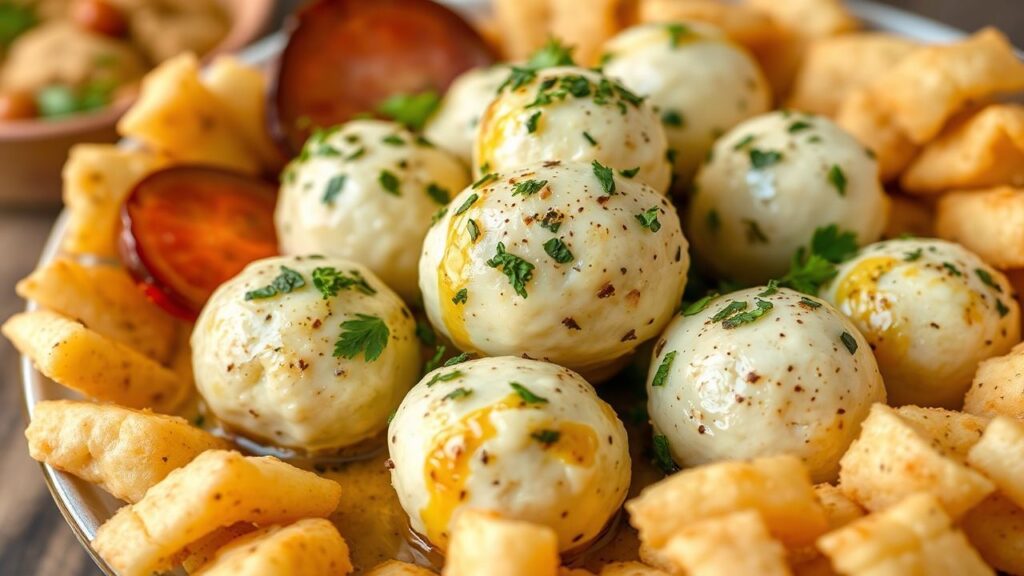
The Art of Preservation: Infusing Labneh Balls with Flavorful Oil
The hallmark characteristic of many beloved labneh ball preparations is their preservation within the rich embrace of olive oil, frequently infused with an array of fragrant herbs and aromatic spices. This method of preservation does more than simply extend their shelf life; it imbues the labneh balls with intricate layers of complex flavor, transforming them into a truly gourmet item. High-quality extra virgin olive oil is unequivocally the preferred medium for this culinary endeavor. Its inherent fruity notes and subtle peppery undertones harmonize beautifully with the inherent tanginess of the labneh, creating a sophisticated and balanced flavor profile that is simply irresistible.
Before they are submerged in their oil bath, the labneh balls require a brief period of preparation. Arrange them in a single, uncrowded layer on a plate or tray that has been lined with parchment paper. Allow them to air dry for a few hours, or for optimal firmness, refrigerate them uncovered overnight. This crucial step further firms up their outer surface, which is vital for helping them retain their shape once they are immersed in the oil. Furthermore, this drying process significantly helps to prevent them from dissolving into the oil, ensuring their integrity as distinct spheres.
The selection of herbs and spices represents where personal creativity and culinary intuition truly shine. Classic and time-honored additions include dried mint, a staple in many Mediterranean kitchens, the complex blend of za’atar, the earthy zest of sumac, fiery dried chili flakes for a touch of heat, gently crushed garlic cloves for depth, and fresh herbs such as thyme or rosemary for their distinctive aromas. Gently press these chosen aromatics into the surface of the labneh balls before carefully placing them into their final storage container. When layering the balls within a jar or an airtight container, it is absolutely imperative that they are completely submerged in the olive oil. This complete submersion is the most critical factor in preventing spoilage and ensuring the safety and longevity of your preserved labneh.
The maceration period, the time the labneh balls spend resting and absorbing the flavors of the oil and aromatics, is as vital to the overall success as the preparation itself. Allow the labneh balls to sit undisturbed in the oil for a minimum of 24 to 48 hours before they are considered ready for serving. This crucial waiting period allows the flavors to meld and harmonize, and for the oil to penetrate the dense yogurt, softening the exterior slightly while infusing it deeply with the chosen aromatics. The longer the balls mature in the oil, the deeper, richer, and more complex their flavor profile will become, rewarding your patience with an exceptional culinary experience.
Choosing the Right Olive Oil for Flavor and Longevity
The quality and type of olive oil directly impact the flavor. Opt for a robust extra virgin olive oil for the best results. A single-origin olive oil can impart unique fruity or peppery notes that complement the labneh beautifully. Avoid using refined or light olive oils, as they lack the flavor complexity and beneficial compounds of extra virgin varieties.
Infusing with Aromatics: Personalizing Your Labneh Flavors
Herbs, spices, and even garlic can be pressed into the surface of the balls, allowing for a personalized flavor experience. Consider incorporating ingredients like dried oregano, marjoram, coriander seeds, or even a sliver of preserved lemon for an added layer of complexity. Ensure any fresh herbs used are thoroughly dried before adding them to prevent introducing excess moisture.
Beyond the Classic: Innovative Flavor Variations for Labneh Balls
The inherent beauty and remarkable versatility of labneh balls lie in the boundless possibilities for flavor infusion. While the classic preparation, featuring high-quality olive oil and a medley of traditional herbs, remains a beloved staple, the creative spectrum for enhancing their taste is virtually limitless. Consider incorporating finely chopped ingredients that offer bursts of texture and concentrated flavor. Options such as intensely flavored sun-dried tomatoes, briny Kalamata olives, crunchy toasted sesame seeds, or even a subtle hint of bright lemon zest can be gently mixed into the labneh base before the balls are shaped. For those who crave a more pronounced spicy kick, finely minced jalapeños or a judicious pinch of cayenne pepper can be added to the mixture, offering a delightful warmth.
Beyond their primary role as a sophisticated preserved delicacy, labneh balls demonstrate an impressive capacity to act as a dynamic and engaging ingredient within a wide array of culinary creations. They can be introduced whole into salads, providing a creamy, tangy counterpoint to fresh greens and other components, offering a delightful burst of flavor with every bite. Alternatively, they can be gently warmed and served as an accompaniment to grilled meats or roasted vegetables, adding a luxurious touch and a unique flavor dimension to the main course. When crumbled over a bed of grains like quinoa or couscous, they introduce a captivating textural and flavor contrast, elevating simple grains into a more complex and satisfying dish. Their inherent richness also positions them as an excellent substitute for certain cheeses in specific applications, lending a distinctive Mediterranean flair and a delightful creaminess without the heavier profile of traditional cheese.
Creative Flavor Combinations to Explore
Explore beyond traditional herbs by incorporating ingredients like sun-dried tomatoes, olives, or chili for a personalized taste experience. For a smoky depth, consider adding smoked paprika or a pinch of chipotle powder. A sprinkle of toasted za’atar or sumac pressed onto the surface can also offer a wonderfully aromatic finish.
Innovative Culinary Uses for Versatile Labneh Balls
Labneh balls can be a star ingredient in salads, a side for grilled dishes, or a flavorful topping for grain bowls. They also make an exceptional addition to pasta dishes, providing a creamy, tangy element that binds the sauce. Consider serving them as part of a tapas-style spread or as a sophisticated appetizer.
The Nutritional Powerhouse: Understanding the Health Benefits of Labneh
Labneh, by its very nature, stands out as a nutrient-dense food, offering a wealth of health benefits. As a product of strained yogurt, it is particularly rich in essential macronutrients and beneficial compounds, including a high concentration of protein, vital calcium, and beneficial probiotics. The meticulous process of straining effectively removes a significant portion of the lactose, the primary sugar in milk. This reduction in lactose content makes labneh a more digestible option for many individuals who experience lactose intolerance, allowing them to enjoy its creamy texture and tangy flavor without discomfort. When labneh is further transformed into balls and preserved in olive oil, its nutritional profile is not only maintained but also enhanced by the healthy monounsaturated fats inherent in high-quality olive oil.
A typical serving of labneh balls, generally comprising two to three balls depending on their size and how they are preserved in olive oil, provides a substantial amount of protein. Protein is indispensable for numerous bodily functions, including muscle repair, tissue growth, and promoting a lasting sense of satiety, which can be beneficial for appetite management. The calcium content within labneh is crucial for maintaining strong and healthy bones, playing a vital role in bone density and preventing conditions like osteoporosis. Furthermore, the probiotics, provided the yogurt used in the initial straining process was rich in live and active cultures, contribute significantly to a healthy gut microbiome, supporting digestive health and potentially bolstering the immune system.
However, it is important to exercise mindful consumption regarding the fat content, which primarily originates from the olive oil used for preservation. While the fats in olive oil are considered healthy monounsaturated fats, moderation remains a key principle, particularly for individuals who are closely monitoring their fat intake. The precise nutritional values can fluctuate considerably, influenced by several factors: the size of the individual labneh balls, the quantity of olive oil employed for preservation, and the inclusion of any supplementary ingredients used for flavor infusion.
Here is an approximate breakdown of the nutritional information per serving (typically 3-4 small balls, approximately 50g, preserved in olive oil):
- Calories: 150-200 kcal
- Protein: 5-7g
- Fat: 12-16g
- Saturated Fat: 3-5g
- Monounsaturated Fat: 8-10g
- Carbohydrates: 3-5g
- Sugars: 3-5g
- Calcium: 10-15% Daily Value
- Probiotics: Varies based on yogurt strain
*Disclaimer: These figures represent approximate values and can exhibit significant variation depending on the specific preparation methods, ingredient ratios, and portion sizes.*
Protein and Calcium Powerhouse for Well-being
Labneh is an excellent source of protein for satiety and muscle health, and calcium for bone strength. This makes it a valuable addition to a balanced diet, supporting overall well-being and physical vitality.
Digestibility and Probiotics for Gut Health
Reduced lactose content makes it friendly for many with intolerance, while probiotics support gut health. A healthy gut microbiome is linked to numerous health benefits, including improved digestion, enhanced nutrient absorption, and a stronger immune response.
Common Pitfalls and Expert Solutions for Perfect Labneh Balls
Achieving consistently perfect labneh balls involves navigating a few common challenges. One prevalent issue is the tendency for the balls to become too soft or mushy once submerged in the oil. This often arises if the initial straining process was insufficient, failing to remove enough whey, or if the balls were not adequately dried before their immersion in oil. Rushing the straining process is arguably the most frequent culprit behind this undesirable outcome. Patience during this foundational step is not merely a suggestion; it is an absolute necessity for achieving the desired firm texture that holds its shape.
Another potential pitfall is the use of an oil that becomes rancid prematurely. Lower quality olive oils, which may possess less stable fatty acid profiles, are more prone to spoiling faster. Investing in a good quality extra virgin olive oil is a crucial step towards ensuring both the extended freshness and the optimal flavor of your preserved labneh balls. Furthermore, proper storage plays a significant role. Storing the preserved labneh balls in a cool, dark place, away from direct sunlight and heat, will significantly contribute to extending their shelf life and preserving their delicate flavors.
A critical step often overlooked is the thorough drying of the labneh balls before they are introduced to the oil. This step is vital for creating a barrier that helps the balls maintain their structural integrity and prevents them from absorbing too much oil too quickly. Failing to adequately dry the surface can lead to a situation where the balls begin to break down prematurely within the oil. If you are in a hurry, placing the balls on a rack in the refrigerator, uncovered, overnight is the most effective method for achieving the necessary dryness and firmness.
Preventing Mushy or Crumbly Labneh Balls
Insufficient straining or inadequate drying before oil immersion are the primary causes of soft, mushy labneh balls. Ensure your labneh is strained until it’s very thick and firm, and allow the shaped balls to dry thoroughly before they meet the oil.
Ensuring Oil Quality and Proper Storage for Labneh
Use high-quality olive oil and store your preserved labneh balls in a cool, dark place to maximize freshness and flavor. A well-sealed jar in the refrigerator is ideal for long-term storage, preserving the delicate balance of flavors.
The Cultural Significance and Global Appeal of Labneh Balls
Labneh balls are far more than just a delightful culinary creation; they serve as a vibrant culinary ambassador for the diverse mix of Middle Eastern cuisine. Their prominent presence on a traditional mezze platter is a powerful symbol of hospitality, generosity, and the cherished practice of communal dining. The very act of sharing these small, intensely flavorful bites fosters connection, encourages conversation, and strengthens bonds among those gathered around the table. While deeply rooted in the culinary traditions of the Levant and surrounding regions, the inherent appeal of labneh balls has gracefully transcended geographical boundaries, captivating palates across the globe. As global palates become increasingly adventurous and appreciative of diverse flavors, the unique texture and distinctive tangy flavor profile of labneh balls have found a welcoming and enthusiastic audience in kitchens worldwide.
The profound simplicity of their preparation, which relies on basic ingredients and straightforward techniques, belies the extraordinary depth of flavor and the immense satisfaction they offer. This accessibility, combined with their inherent deliciousness and satisfying texture, makes them an ideal entry point for individuals who are new to exploring the rich and varied world of Middle Eastern foods. Furthermore, the remarkable ability to customize their flavors through the addition of various herbs, spices, and other ingredients allows for endless exploration and personalization. This adaptability transforms labneh balls into a truly dynamic and globally relevant delicacy, capable of adapting to diverse tastes and culinary contexts. The foundational recipe for labneh balls can be found on Wikipedia, offering further insights into its origins and variations.
Labneh Balls as a Symbol of Hospitality and Togetherness
Labneh balls are integral to mezze culture, representing warmth, sharing, and the joy of communal eating. Their creation often involves family and community effort, further solidifying their role as a symbol of togetherness.
Bridging Cultures Through the Unique Taste of Labneh
Their unique taste and texture have earned them international acclaim, making them a beloved dish worldwide. As the global appreciation for authentic culinary traditions grows, labneh balls continue to gain popularity, introducing new audiences to the diverse mix of Middle Eastern flavors.
Frequently Asked Questions
What is the best type of yogurt to use for making labneh balls?
The ideal yogurt for making labneh balls is a plain, full-fat, whole milk yogurt that contains live active cultures. It’s crucial to avoid yogurts with added thickeners or stabilizers, as these artificial ingredients can interfere with the natural straining process and negatively impact the final texture and flavor. A good quality yogurt that possesses a slightly tart flavor profile will ultimately yield the most delicious and well-balanced labneh balls.
How long can I store labneh balls preserved in olive oil?
When properly prepared, ensuring the labneh balls are completely submerged in good quality olive oil, they can typically be stored in the refrigerator for approximately 2 to 3 weeks. For optimal freshness and to best appreciate their nuanced flavors, it is highly recommended to consume them within the first two weeks. Always perform a visual check and a smell test; ensure the oil remains clear and free of any cloudiness or off-smells before consuming.
Can I make labneh balls without straining the yogurt for a long time?
While it is possible to create a softer, spreadable version of labneh by straining the yogurt for a shorter duration, it will not possess the necessary firmness to be shaped into balls that can reliably hold their form and be preserved in oil. For successful and structurally sound labneh balls, a minimum straining period of 24 to 48 hours is generally required to achieve the essential density and texture needed for shaping and preservation.
What are some alternative ways to flavor labneh balls besides herbs?
The flavor possibilities are vast and limited only by your imagination! You can incorporate finely chopped ingredients that add texture and concentrated flavor, such as sun-dried tomatoes, chopped olives, capers, finely diced roasted red peppers, or even a small amount of chili paste directly into the labneh mixture before shaping the balls. For a sweeter twist, though less traditional for oil-preserved balls, a hint of honey or finely chopped dates could be considered, though these are generally better suited for immediate consumption rather than long-term oil preservation.
Is it necessary to dry the labneh balls before preserving them in oil?
Yes, it is highly recommended and considered a crucial step to dry the surface of the labneh balls for several hours, or even overnight in the refrigerator, before submerging them in oil. This drying process is essential for firming up the exterior of the balls, which helps them maintain their shape when placed in the oil and crucially prevents premature spoilage by reducing surface moisture. It also provides a better surface for any added aromatics like herbs and spices to adhere to.
RELATED TOPICS: Strained Yogurt, Mediterranean Appetizers, Cheese Making, Fermented Foods, Dairy Products
See also: Labneh
Related Articles
- Lentil rice: 7 Proven Secrets to an Amazing Middle Eastern Classic
- Lemon Chicken: 7 Essential Proven Steps for an Amazing, Authentic Flavor
- Manakish: The Essential 7 Proven Steps to Authentic Za’atar Perfection
- Grape Leaves: 10 Proven Secrets for Amazing Dolmades Mastery
- Harira: 10 Essential Secrets for a Truly Amazing Moroccan Masterpiece