
Dinner Time Magic: Creative Tips to Get Kids Eating Well
Facing dinner with a reluctant eater can feel like a daily battle. However, mealtime doesn’t have to be a struggle. Imagine transforming it into a fun, engaging experience that encourages your children to embrace healthy foods. This is the essence of dinner time magic, where simple creativity and smart nutrition combine to turn even the pickiest eaters into adventurous food explorers.
- Dinner Time Magic: Creative Tips to Get Kids Eating Well
- Mastering Flavor and Presentation for Young Palates
- Understanding the Psychology of Picky Eating
- Creative Strategies for a More Engaging Mealtime
- The Importance of Routine and Modeling Healthy Habits
- Nurturing Lifelong Healthy Eating Habits Through Creativity
- Q&A: Dinner Time Magic – Creative Tips to Get Kids Eating Well
- Q1: Why is getting kids to eat well such a big challenge at dinnertime?
- Q2: How can parents add a sprinkle of creativity to make dinner more appealing?
- Q3: What role does involvement play in encouraging kids to eat better?
- Q4: How can parents introduce new foods without stress?
- Q5: Are there magic words to make mealtime better?
- Q6: What practical tips can make dinner less stressful for the whole family?
- Q7: Can creativity in dinner time impact children’s long-term eating habits?
- In Retrospect: Cultivating a Love for Food
We’ll reveal imaginative strategies and playful ideas designed to make the dinner table a place of delicious discovery, ensuring good food becomes a highlight they anticipate each day. Mastering these techniques empowers parents to foster a positive relationship with food, setting children up for lifelong healthy eating habits. It’s about turning everyday meals into memorable, enjoyable experiences.
At a Glance: Dinner Time Magic
- Creative presentation makes food exciting and approachable.
- Involving children in meal prep boosts their willingness to try new things.
- Positive reinforcement, not pressure, is key to encouraging healthy eating.
- Consistent routines and family modeling build strong eating habits.
Mastering Flavor and Presentation for Young Palates
Dinner time magic truly begins with transforming everyday ingredients into presentations that spark curiosity and joy. Vibrant colors and intriguing textures, achieved through clever flavor pairings, can gently guide even the most selective palates towards new tastes. Consider pairing sweet roasted carrots with a whisper of cinnamon, or blending creamy avocado with bright, zesty lime.
These flavor combinations create an inviting palate, turning vegetables into tantalizing adventures rather than mere accompaniments. The key is to make food visually appealing and surprisingly delightful. Children are naturally drawn to novelty, and presenting familiar ingredients in unexpected ways can pique their interest significantly.
For instance, a simple bowl of quinoa can become an exciting canvas when topped with colorful, roasted vegetables and a vibrant dressing. This approach leverages their natural curiosity, making them more likely to engage with their food. Understanding the basics of gastronomy can help parents unlock these creative possibilities.
Recipe: Sunshine Quinoa Bowl with Cinnamon Roasted Carrots
This recipe is designed to be both nutritious and incredibly fun for young eaters, incorporating bright colors, sweet flavors, and engaging textures. It’s a perfect example of how simple ingredients can be elevated.
Prep and Cook Time
- Preparation: 15 minutes
- Cooking: 25 minutes
Yield
Serves 4 enthusiastic little food explorers
Difficulty Level
Easy – perfect for a family weeknight activity
Ingredients
- 2 medium carrots, peeled and sliced into colorful sticks
- 1 ripe avocado, diced
- 1 teaspoon ground cinnamon
- 2 tablespoons fresh lime juice
- 1 tablespoon honey (optional, for added sweetness)
- 1 cup cooked quinoa, cooled
- ½ cup cherry tomatoes, halved
- 2 tablespoons olive oil
- Salt and pepper to taste
- Fresh cilantro leaves for garnish
Instructions
- Preheat your oven to 400°F (200°C). Line a baking sheet with parchment paper for effortless cleanup.
- Prepare the carrots: Toss carrot sticks with 1 tablespoon olive oil, cinnamon, and a pinch of salt. Arrange them in a single layer on the prepared baking sheet.
- Roast the carrots: Bake for approximately 20 minutes, or until tender and slightly caramelized. Stir them halfway through to ensure even cooking and a delightful sweetness.
- Mix the dressing: In a small bowl, whisk together the fresh lime juice, honey (if using), the remaining 1 tablespoon of olive oil, and a pinch of salt and pepper. This creates a zesty, slightly sweet flavor burst.
- Combine the quinoa bowl: In a large bowl, gently fold the cooked quinoa with the diced avocado and halved cherry tomatoes. Drizzle the lime dressing over the mixture and toss lightly to coat.
- Plate the dish creatively: Arrange the roasted carrots over the quinoa mixture. Encourage your children to help create playful shapes like smiling faces, colorful rainbows, or funny animal designs to invite smiles and engagement.
- Garnish: Sprinkle fresh cilantro leaves over the top. This adds a pop of green freshness and an enticing aroma that awakens the senses.
Chef’s Notes
- Vegetable swaps: Don’t hesitate to experiment with sweet potatoes or colorful bell peppers. They offer different textures and natural sweetness, adding variety to the dish.
- Make-ahead tip: Roast the carrots earlier in the day and store them in the refrigerator. You can gently reheat them or serve them at room temperature to save precious time during busy evenings.
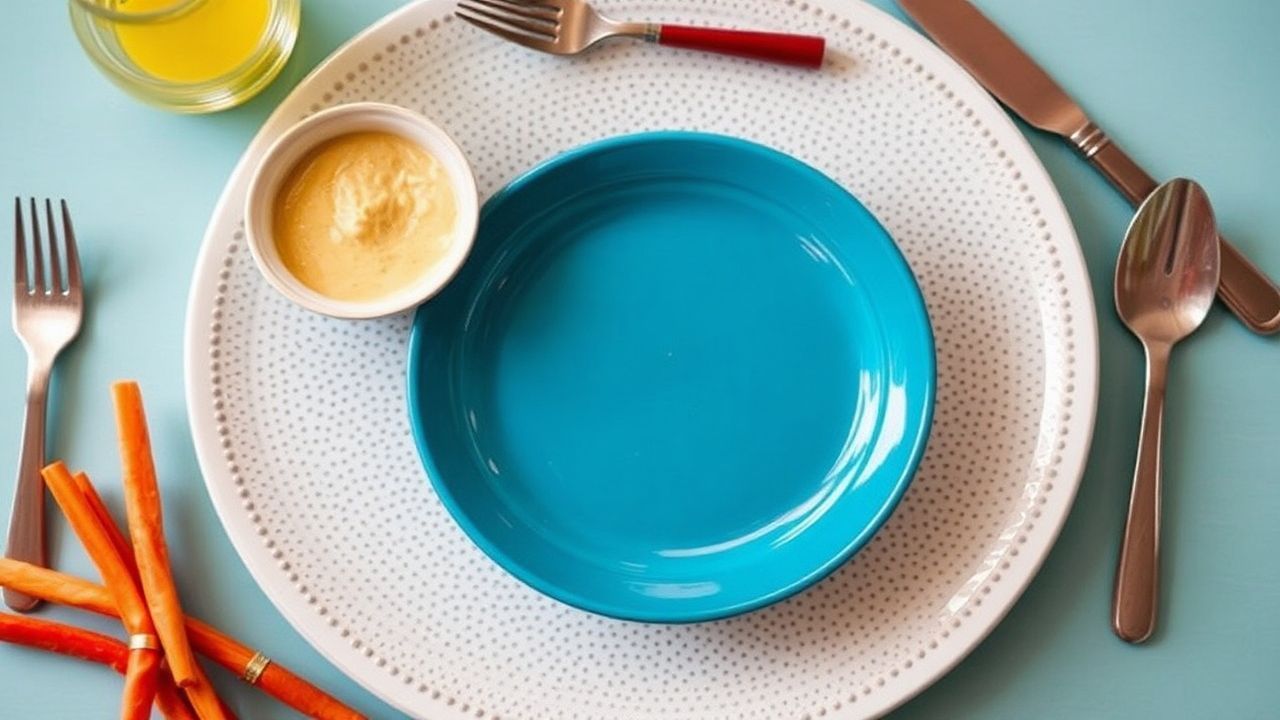
- Picky eater hack: Offer small bowls of dipping sauces such as a mild yogurt ranch or a simple lemon tahini. These can significantly boost fun interaction with vegetables and encourage tasting.
- Texture play: Toasting nuts or seeds like pumpkin seeds provides a delightful crunch that complements the creamy avocado and soft quinoa. This textural contrast is often a hit with children.
Serving Suggestions
Present this vibrant dish family-style on a large platter. Encourage your children to become artists, building their own “food art” with the colorful ingredients. You can also add small bowls of crunchy toppings like shredded cheese or crispy chickpeas.
This offers a “choose-your-own-adventure” element to mealtime fun. A side of chilled cucumber ribbons or homemade fruit pops can perfectly complement this balanced, flavorful experience. This approach taps into children’s natural desire for control and choice.
| Nutrient | Per Serving |
|---|---|
| Calories | 280 kcal |
| Protein | 7 g |
| Carbohydrates | 35 g |
| Fat | 11 g |

Understanding the Psychology of Picky Eating
Understanding why children become picky eaters is the first step toward addressing the challenge effectively. During early childhood, children are developing their sense of autonomy. They learn that refusing food is one of the few ways they can exert control over their environment.
This developmental stage, combined with their naturally sensitive taste buds and the allure of distractions like screens, often turns mealtime into a negotiation. Children often have a limited range of accepted foods, a phenomenon known as “food neophobia,” or fear of new foods. This is an evolutionary trait designed to protect them from potentially harmful substances.
Recognizing these underlying reasons helps parents approach mealtime with patience and understanding, rather than frustration. It shifts the focus from a battle of wills to a guided exploration of new tastes and textures. Learning about developmental psychology can provide further insights into these behaviors.
Creative Strategies for a More Engaging Mealtime
Transforming mealtime into an adventure requires a blend of imagination and practical application. Think of dinner as a storytelling opportunity where each dish has a fun narrative. Use fun, child-friendly shapes for food, vibrant plates, or create “food art” by arranging ingredients into smiley faces or animal figures.
These visual cues can make food more inviting and less intimidating. Involving children in simple food preparation is another powerful strategy. When kids help wash vegetables, stir ingredients, or even just set the table, they develop a sense of ownership over the meal.
This involvement often translates into a greater willingness to taste and enjoy what they helped create. Themes for meals, such as a “Rainbow Dinner” focusing on colorful fruits and vegetables or a “Build Your Own Taco” night, can also turn eating into a playful, interactive event rather than a passive chore. This aligns with principles of experiential learning.
The power of positive language cannot be overstated. Instead of pressuring children to eat, use encouraging words. Compliments like “I love how you’re trying a new flavor!” or open-ended questions such as “What do you think this tastes like?” invite them to engage and express their thoughts and feelings about the food. This fosters a more joyful and interactive dining atmosphere.
The Importance of Routine and Modeling Healthy Habits
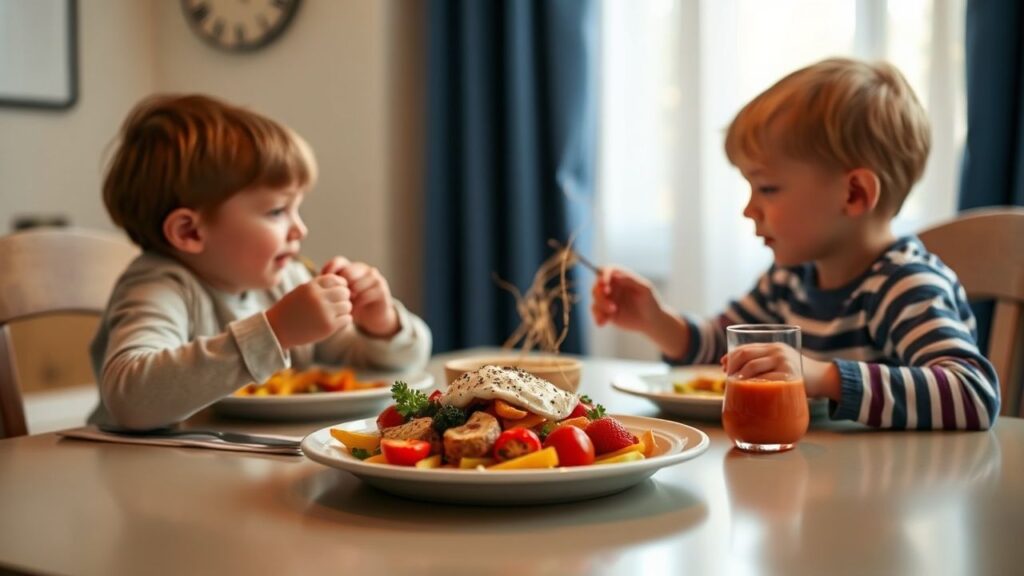
Consistency matters significantly in establishing healthy eating habits. Establishing a predictable dinner routine helps children feel secure and understand what to expect during mealtimes. This routine should ideally include sitting down together as a family, minimizing distractions like television or tablets, and serving balanced meals.
Such predictability can significantly reduce mealtime anxiety for both children and parents. Children are keen observers, and they often mirror their parents’ behaviors. Modeling balanced eating yourself is one of the most effective ways to encourage your children to adopt similar habits.
Show enthusiasm for trying new foods, eat a variety of healthy options, and talk positively about the food you are eating. This demonstrates that healthy eating is enjoyable and a normal part of life. This consistent modeling reinforces positive associations with food and eating practices.
When introducing new foods, patience is key. Offer small portions of unfamiliar items alongside familiar favorites. Respect your child’s pace and avoid any form of pressure. Sometimes, giving vegetables fun, imaginative names, like “superpower spinach” or “x-ray vision carrots,” can spark curiosity and make them seem more appealing.
The goal is to foster a positive and exploratory relationship with food from an early age. This mindful approach helps build a foundation for a healthy relationship with eating that extends well into adulthood. Understanding the impact of behavioral economics can shed light on how subtle nudges influence food choices.
Nurturing Lifelong Healthy Eating Habits Through Creativity
The creativity and positive experiences you cultivate at the dinner table today have a profound impact on your children’s long-term eating habits. Early positive associations with food build a foundation for a lifetime of healthy choices. When mealtimes are characterized by fun, exploration, and a lack of pressure, children are more likely to grow into adventurous eaters who appreciate diversity.
This journey of making food enjoyable is not just about nourishment; it’s about building confidence, encouraging exploration, and creating cherished family memories. By weaving a little “dinner time magic” into your routine, you help your children develop a natural inclination towards healthy, balanced eating, setting them up for a lifetime of well-being.
It’s about making good food a joyful adventure, one delicious bite at a time. To explore more creative family-friendly recipes, visit our Family Meals Collection. For comprehensive insights on flavor pairing and addressing picky eating, the Academy of Nutrition and Dietetics offers excellent guidelines and expert advice.
Q&A: Dinner Time Magic – Creative Tips to Get Kids Eating Well
Q1: Why is getting kids to eat well such a big challenge at dinnertime?
Dinner often turns into a battlefield because kids are developing their own tastes and seeking autonomy. Their taste buds are sensitive, and distractions make focusing on food tricky. It’s a mix of biological, psychological, and social factors that transform mealtime into a challenge.
Q2: How can parents add a sprinkle of creativity to make dinner more appealing?
Think of dinner as a storybook adventure! Use fun shapes, colorful plates, or create “food art” like smiley faces. Involve kids in simple food prep—they’re more likely to eat what they helped create. Themes like “Rainbow Dinner” or “Build Your Own Taco” turn eating into a playful event.
Q3: What role does involvement play in encouraging kids to eat better?
When children help choose recipes, shop for ingredients, or stir the pot, they feel empowered and proud. This sense of ownership transforms their relationship with food from passive eating to active participation, making them more likely to taste and enjoy new foods. This aligns with principles of cognitive development in children, where active engagement leads to better retention and understanding.
Q4: How can parents introduce new foods without stress?
Introduce new foods gradually and without pressure. Pair unfamiliar items with trusted favorites, and respect their pace. Sometimes re-naming veggies with fun names (like “X-ray vision carrots”) or telling a story about the food’s origin can spark curiosity rather than resistance. This strategy taps into a child’s imagination and storytelling capabilities.
Q5: Are there magic words to make mealtime better?
Absolutely! Positive language is key. Compliments like “I love how you’re trying new flavors!” and open-ended questions such as “What do you think this tastes like?” invite kids to engage and express themselves, creating a joyful, interactive atmosphere. This approach encourages verbalization and critical thinking about food.
Q6: What practical tips can make dinner less stressful for the whole family?
Establish a consistent dinner routine to create predictability. Limit distractions by turning off screens. Use small portions to avoid overwhelming little appetites. Finally, model balanced eating yourself—kids often mirror their parents’ habits more than we realize. This modeling is a core component of social learning theory.
Q7: Can creativity in dinner time impact children’s long-term eating habits?
Definitely! Early positive experiences with food build lifelong attitudes. When mealtime is fun, exploratory, and pressure-free, kids grow into adventurous eaters who appreciate variety, making healthy choices feel natural rather than forced. This positive reinforcement shapes their relationship with food well into adulthood.
Transform your dinner table into a magical place where creativity and connection lead to happy, healthy eaters—because every bite can be the start of a delicious adventure!
In Retrospect: Cultivating a Love for Food
As the dinner bell chimes and little faces gather around the table, remember that mealtime is more than just nourishment—it’s a chance to spark imagination, build healthy habits, and create lasting memories. By weaving creativity into your approach, you can transform everyday meals into magical moments where kids eagerly explore flavors, colors, and textures.
This aligns with the principles of experiential learning, where hands-on engagement leads to deeper understanding and enjoyment. So, roll up your sleeves, invite a dash of fun, and watch as your dinner table becomes a place where good food and joyful hearts come together in perfect harmony. Here’s to mealtime magic that nurtures both body and spirit—one bite at a time! Remember, consistency and patience are your most powerful tools in this delightful endeavor.
See also: kids eating well