
“The secret of great cooking lies in the simplicity of good ingredients and the patience to let them shine.” – Thomas Keller
- The Foundation: Selecting and Preparing Your Rice
- The Protein and Produce: Building Flavor and Texture
- Mastering the Heat: The Art of the Wok
- The Flavor Architects: Sauces and Seasonings
- Putting It All Together: The Step-by-Step Method
- Nutritional Information (Per Serving, Approximate)
- Expert Pro-Tips for Fried Rice Perfection
- The Takeout vs. Home Fried Rice Dilemma
- Frequently Asked Questions (FAQ)
- What is the best type of rice for fried rice?
- How do I get that smoky “wok hei” flavor at home?
- Can I make fried rice vegetarian or with other proteins?
- My fried rice is always too greasy. What am I doing wrong?
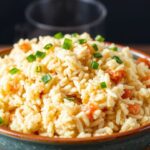
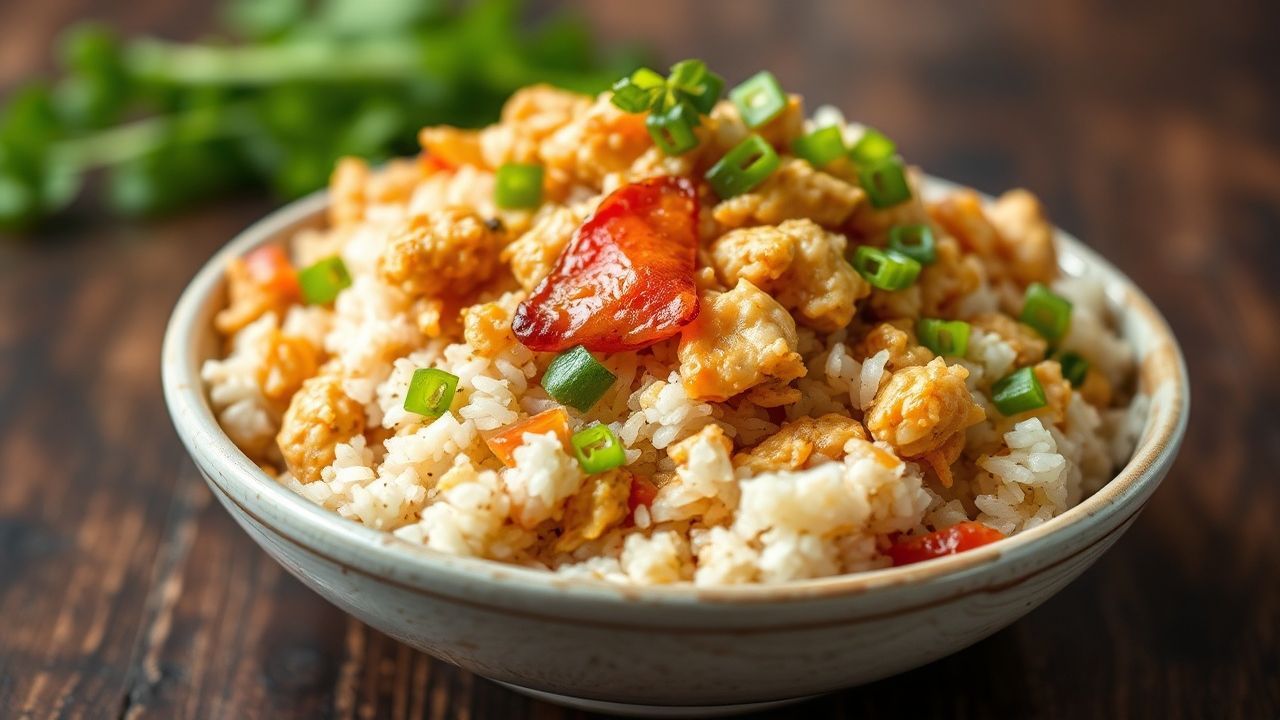
The humble dish of fried rice, particularly its chicken iteration, has become a global comfort food, a staple on takeout menus from bustling metropolises to quiet suburban streets. Yet, for all its ubiquity, achieving that elusive balance of tender chicken, perfectly cooked rice, vibrant vegetables, and that signature wok-kissed char at home can feel like a culinary Everest. With a few fundamental principles and precise techniques, however, you can not only replicate but surpass the quality of your go-to Chinese restaurant’s offering. This isn’t about mere imitation; it’s about understanding the alchemy that transforms simple ingredients into a symphony of flavors and textures.
At a Glance: Elevating Your Home Fried Rice Game
- The Rice is Paramount: Day-old, cold rice is the non-negotiable foundation for authentic texture, preventing gumminess.
- High Heat, Fast Cook: Mimicking the intensity of a professional wok is key to achieving that coveted smoky ‘wok hei’ flavor.
- Mise en Place is Non-Negotiable: Everything must be prepped and ready before the heat hits the pan; there’s no time for chopping mid-stir.
- Flavor Layers, Not Just Salt: Strategic use of soy sauce, oyster sauce, and aromatics builds depth beyond simple seasoning.
This article guides you through the nuances of creating an exceptional chicken fried rice, dissecting the elements that contribute to its success and providing a robust framework for culinary mastery. We’ll explore ingredient selection, the critical role of rice preparation, the art of high-heat cooking, and the subtle flavor enhancers that elevate this dish from good to extraordinary.
The Foundation: Selecting and Preparing Your Rice
The cornerstone of any magnificent fried rice is, unequivocally, the rice itself. Many home cooks falter here, using freshly cooked, warm rice, which inevitably leads to a clumpy, mushy mess. The secret to that desirable, slightly chewy, separate grain texture lies in using day-old, refrigerated cooked rice. This is not a suggestion; it’s a cardinal rule. When rice cools and is refrigerated, its starches undergo retrogradation, a process where they firm up and become less prone to sticking together when reheated. This structural integrity is crucial for the stir-frying process.
When preparing your rice specifically for fried rice, aim for a medium or long-grain variety such as Jasmine or Basmati. These grains tend to be less starchy than short-grain rice, which further aids in achieving distinct, non-clumpy kernels. For two generous servings, you’ll want approximately 3 cups (about 450g) of cooked rice. If you’re not fortunate enough to have leftover rice, cook your rice fresh, spread it thinly on a baking sheet, and refrigerate it for at least 4 hours, or ideally, overnight. This step is so vital that it warrants dedicating time to it before you even think about chopping vegetables.
The Science Behind the Starch
To understand why day-old rice is critical, consider the molecular changes. Freshly cooked rice contains gelatinized starch, which is soft and sticky. Upon cooling, this starch recrystallizes, becoming firmer and less adhesive. This is analogous to how bread stales; the starch molecules align themselves, making the texture firmer and drier. When this firmer, drier rice hits the hot wok, it can withstand the vigorous stirring and high heat without breaking down into a paste. Think of it like using leftover pasta for pasta salad versus trying to make a cold salad with freshly boiled pasta – the former holds its structure beautifully.
The Protein and Produce: Building Flavor and Texture
While rice forms the base, the chicken and vegetables are the supporting cast that bring vibrancy and complexity. For the chicken, boneless, skinless chicken thighs are often preferred over breasts for their superior moisture retention and flavor. Thighs are more forgiving under the intense heat of a stir-fry and are less likely to become dry and tough. Cut them into uniform, bite-sized pieces, approximately ½-inch (1.25cm) cubes, to ensure even cooking. Marinating the chicken beforehand is a worthwhile endeavor, imbuing it with flavor and tenderizing it further. A simple marinade of soy sauce, a touch of Shaoxing wine (or dry sherry), and a pinch of cornstarch can make a significant difference. The cornstarch not only aids in tenderizing but also creates a delicate coating that crisps up beautifully.
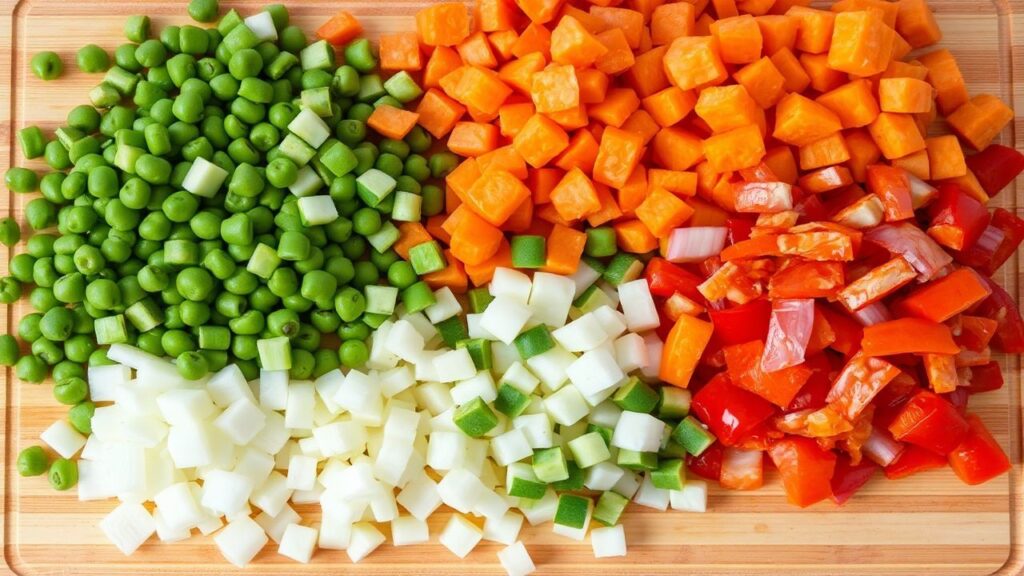
The vegetable component offers an opportunity for customization and textural contrast. A classic combination includes diced carrots, peas, and finely chopped scallions. For added depth, consider finely diced bell peppers (any color), thinly sliced onions, or even a handful of edamame. The key is to cut all vegetables into similarly sized pieces to ensure they cook evenly and quickly. This preparedness, known in culinary circles as mise en place (everything in its place), is absolutely essential for successful stir-frying. You do not want to be fumbling for ingredients while your pan is screaming hot.
Mastering the Heat: The Art of the Wok
The true magic of restaurant-quality fried rice often comes down to the intense heat of a professional wok. While achieving a true restaurant-level ‘wok hei’ – that smoky, slightly charred essence – can be challenging in a home kitchen, you can get remarkably close. The key is to use the highest heat your stovetop can safely provide and to work in batches if necessary. Overcrowding the pan is the enemy of good fried rice; it steams the ingredients instead of stir-frying them, leading to a greasy, unappetizing result.
If you have a powerful gas burner, a carbon steel wok is your best friend. For electric or induction cooktops, a heavy-bottomed skillet or a flat-bottomed wok designed for these surfaces will work. Preheat your wok or skillet until it is smoking hot before adding any oil. A high smoke point oil, such as peanut oil, canola oil, or grapeseed oil, is essential. Swirl the oil around to coat the surface, then add your marinated chicken. Stir-fry quickly until just cooked through, then remove it from the pan and set aside. This ensures the chicken doesn’t overcook while the other ingredients are prepared.
The Sequential Symphony of Stir-Frying
Once the chicken is out, add a little more oil if needed, and then introduce your aromatics: minced garlic and ginger. Stir-fry for mere seconds until fragrant – they burn easily. Immediately add your firmer vegetables, like carrots and onions, and stir-fry for a minute or two. Then, add softer vegetables like peas and bell peppers. The goal is to cook them until they are tender-crisp, retaining a slight bite.
The next crucial step is reintroducing the cooked chicken and then the cold, day-old rice. Break up any clumps of rice with your spatula. Now, the seasoning. This is where the nuanced flavor of great fried rice is built.
The Flavor Architects: Sauces and Seasonings
The sauce is the soul of the fried rice, binding all the elements together. A common mistake is to simply dump a large amount of soy sauce in, which can lead to an overly salty and one-dimensional flavor. A more sophisticated approach involves layering flavors. Your primary seasoning will be a good quality light soy sauce. For umami depth, oyster sauce is indispensable. Its slightly sweet, savory, and rich profile is a breakthrough for fried rice. A touch of sesame oil added at the very end provides its characteristic nutty aroma.
For two servings, a good starting point for the sauce would be:
- 2 tablespoons light soy sauce
- 1 tablespoon oyster sauce
- 1 teaspoon toasted sesame oil (added off the heat)
- Optional: A pinch of sugar to balance the saltiness, or a dash of white pepper for a subtle heat.
When adding the sauce, pour it around the edges of the wok, allowing it to sizzle and caramelize slightly before stirring it into the rice and other ingredients. This small step enhances the complexity of the flavor. Continue to stir-fry vigorously for another 2-3 minutes, ensuring every grain of rice is coated and heated through. The rice should take on a slightly golden hue from the soy sauce and the Maillard reaction occurring at high temperatures.
The Balance of Salty, Sweet, and Savory
Consider the roles of each component. Soy sauce provides the foundational saltiness and a deep, fermented flavor. Oyster sauce offers a more complex umami, a hint of sweetness, and a richer, almost caramelized note. Sesame oil, added post-cooking, is primarily for aroma and a subtle nutty finish, not for contributing significantly to the savory profile. Some chefs also incorporate a touch of Shaoxing wine for its aromatic, slightly malty notes, which can be added with the aromatics or the chicken. Mastering this balance is what separates a decent fried rice from an exceptional one. A well-executed fried rice should be a harmonious interplay of these tastes, not dominated by any single one.
Putting It All Together: The Step-by-Step Method
Here is a comprehensive method for crafting chicken fried rice that will make you question why you ever bothered with takeout.
Ingredients (Serves 2)
- 3 cups (approx. 450g) cooked and chilled day-old rice (Jasmine or Basmati recommended)
- 8 ounces (approx. 225g) boneless, skinless chicken thighs, cut into ½-inch (1.25cm) cubes
- 1 tablespoon soy sauce (for chicken marinade)
- 1 teaspoon Shaoxing wine or dry sherry (for chicken marinade)
- 1 teaspoon cornstarch (for chicken marinade)
- 2 tablespoons high smoke point oil (e.g., peanut, canola, grapeseed), divided
- 2 cloves garlic, minced
- 1 inch (2.5cm) fresh ginger, minced
- ½ cup (approx. 75g) carrots, finely diced
- ½ cup (approx. 75g) frozen peas, thawed
- ¼ cup (approx. 40g) yellow onion, finely diced
- 2 scallions, white and green parts separated, thinly sliced
For the Sauce:
- 2 tablespoons light soy sauce
- 1 tablespoon oyster sauce
- ½ teaspoon sugar (optional)
- 1 teaspoon toasted sesame oil
Preparation Method
1. Marinate the Chicken: In a small bowl, combine chicken cubes with 1 tablespoon soy sauce, Shaoxing wine (or sherry), and cornstarch. Toss to coat evenly. Set aside for at least 15 minutes.
2. Prepare Vegetables: Ensure all vegetables (carrots, onion, scallions) are finely diced and ready. Thaw peas if using frozen.
3. Heat the Wok/Skillet: Place your wok or heavy-bottomed skillet over high heat. Let it get smoking hot. Add 1 tablespoon of oil and swirl to coat.
4. Cook the Chicken: Add the marinated chicken to the hot wok in a single layer. Stir-fry quickly for 2-3 minutes until cooked through and lightly browned. Remove the chicken from the wok and set aside.
5. Sauté Aromatics and Vegetables: Add the remaining 1 tablespoon of oil to the wok. Add the minced garlic and ginger and stir-fry for about 15-30 seconds until fragrant. Be careful not to burn them.
6. Stir-fry Vegetables: Add the diced carrots and onion to the wok. Stir-fry for 2-3 minutes until they begin to soften. Add the thawed peas and the white parts of the scallions. Stir-fry for another minute until the vegetables are tender-crisp.
7. Add Rice and Chicken: Add the chilled, day-old rice to the wok. Break up any clumps with your spatula. Return the cooked chicken to the wok.
8. Season the Fried Rice: In a small bowl, whisk together the 2 tablespoons light soy sauce, 1 tablespoon oyster sauce, and optional sugar. Pour this mixture around the edges of the wok.
9. Stir-fry and Combine: Stir-fry vigorously for 3-5 minutes, ensuring all ingredients are well combined and the rice is heated through and lightly toasted. Use your spatula to continuously toss and mix.
10. Finish with Sesame Oil and Scallions: Remove the wok from the heat. Drizzle with toasted sesame oil and scatter the green parts of the scallions over the top. Toss once more to distribute.
11. Serve Immediately: Plate the chicken fried rice and enjoy its superior flavor and texture.
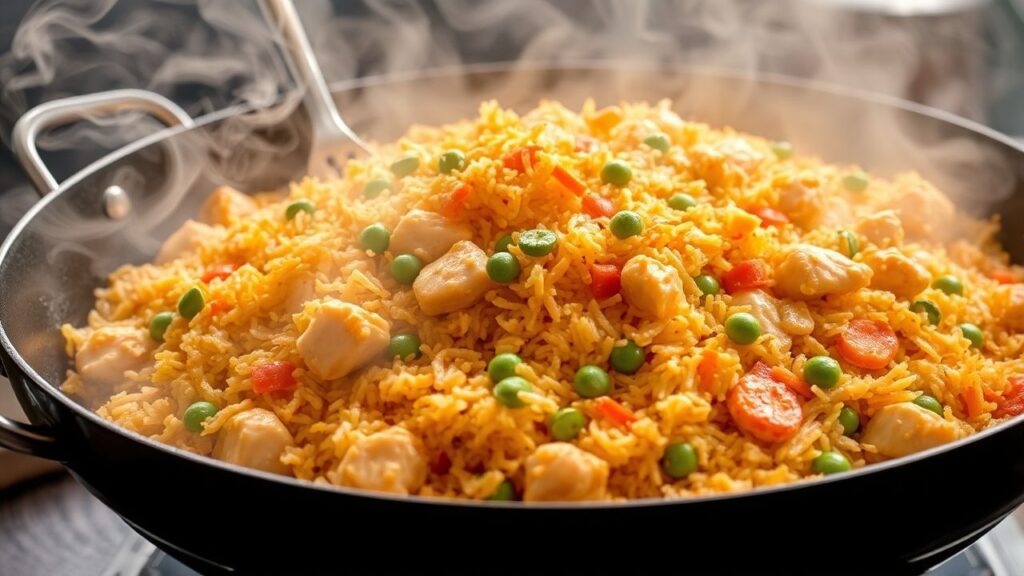
Nutritional Information (Per Serving, Approximate)
- Calories: 550-650 kcal (will vary based on exact ingredients and oil usage)
- Protein: 25-30g
- Fat: 20-25g (largely from cooking oil and chicken thighs)
- Carbohydrates: 60-70g (primarily from rice)
- Fiber: 3-5g
- Sodium: 1000-1500mg (can be reduced by using low-sodium soy sauce)
This information is an estimate. For precise figures, it’s advisable to use a nutritional calculator with your specific ingredient measurements. The inclusion of chicken thighs contributes healthy fats and protein, while the vegetables add fiber and micronutrients. The rice provides complex carbohydrates for energy.
Expert Pro-Tips for Fried Rice Perfection
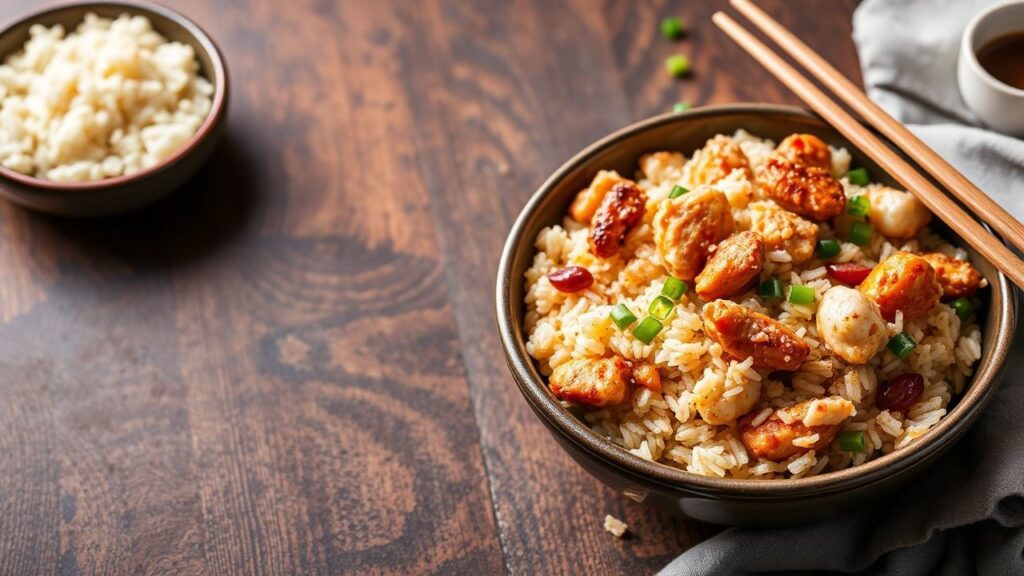
Achieving that elusive restaurant-quality finish often comes down to a few nuanced techniques that are standard practice in professional kitchens. One such technique involves the egg. While not explicitly included in the base recipe above to keep it streamlined, incorporating scrambled eggs can add another layer of flavor and texture.
The Egg Element: A Matter of Technique
To add eggs, push the rice mixture to one side of the wok, add a little more oil to the empty space, and crack in one or two eggs. Scramble them quickly until just set, then break them up and mix them into the fried rice. Alternatively, for a cleaner look and distinct egg pieces, you can scramble the eggs separately before starting the stir-fry, then add them towards the end with the chicken. This method ensures the egg is cooked to a perfect, fluffy texture without becoming rubbery or overcooked by the intense heat of the main stir-fry. Many excellent recipes, such as those found on reciperevelation.com, highlight the importance of egg preparation for fried rice.
Another critical element is the temperature control. While high heat is paramount for that ‘wok hei’, you also need to be able to manage it. If your ingredients start to char too quickly or the pan becomes too hot, don’t hesitate to briefly pull the wok off the heat or lower the burner. This requires a practiced hand, but learning to feel the heat and adjust accordingly is a hallmark of expert stir-frying. The goal is rapid cooking, not burning.
The Takeout vs. Home Fried Rice Dilemma
Comparing homemade chicken fried rice to its takeout counterpart reveals distinct advantages. Takeout versions often rely on MSG (monosodium glutamate) for a quick flavor boost, which some diners prefer to avoid. They may also use less fresh ingredients or older oil to cut costs. Home cooking, on the other hand, grants you complete control over the quality of ingredients, the amount of sodium, and the freshness of the oil.
Consider the sodium content. A typical takeout serving of fried rice can contain upwards of 1500mg of sodium. By using low-sodium soy sauce and controlling the amount of oyster sauce, you can significantly reduce this figure, making your homemade version a healthier option. Furthermore, the texture. Takeout fried rice can sometimes be oily and mushy due to improper cooking temperatures or the use of freshly cooked rice. Your home-cooked version, when following these guidelines, will boast distinct, fluffy grains of rice and perfectly tender chicken and vegetables. The freshness of the aromatics – garlic and ginger – will also shine through, providing a brighter, more vibrant flavor profile than is often found in pre-prepared takeout. The difference is akin to a freshly baked artisan loaf versus mass-produced sliced bread; both serve a purpose, but one offers a superior sensory experience.
Frequently Asked Questions (FAQ)
What is the best type of rice for fried rice?
The undisputed champion for fried rice is day-old, chilled, medium or long-grain rice, such as Jasmine or Basmati. This is because the refrigeration process causes the starch to firm up, preventing the grains from becoming mushy and clumpy when stir-fried. Freshly cooked rice contains too much moisture and soft starch, which will result in a sticky, paste-like consistency. If you don’t have leftovers, cook your rice and spread it on a baking sheet to cool completely, then refrigerate it for at least 4 hours, or overnight, before using.
How do I get that smoky “wok hei” flavor at home?
Achieving authentic “wok hei” (the breath of the wok) is challenging without professional restaurant equipment, primarily a powerful gas burner and a well-seasoned carbon steel wok. However, you can approximate it by using the highest heat your stove can safely produce and not overcrowding the pan. This ensures rapid cooking, caramelization, and some volatilization of compounds that contribute to the smoky aroma. Using a high smoke point oil like peanut oil and ensuring your wok is smoking hot before adding ingredients are crucial steps. While you might not get the exact same depth of flavor, you’ll certainly achieve a superior, well-seared taste. Reading about the science behind it, as detailed on Wikipedia’s Wok page, can offer further insights.
Can I make fried rice vegetarian or with other proteins?
Absolutely! Fried rice is incredibly versatile. For a vegetarian version, simply omit the chicken and increase the amount of vegetables. You can also add firm or extra-firm tofu, pressed and cubed, which can be marinated and stir-fried similarly to chicken. For other proteins, shrimp, pork, or beef can be used. Ensure they are cut into bite-sized pieces and stir-fried until cooked through. Adjust marination and cooking times as needed for the specific protein. The principles of using cold rice, high heat, and proper mise en place remain essential regardless of the protein choice.
My fried rice is always too greasy. What am I doing wrong?
Greasy fried rice is almost always a symptom of overcrowding the pan or not using high enough heat. When the pan is too full, the ingredients steam rather than stir-fry, releasing moisture that then mixes with the oil, making everything greasy. Always cook in batches if necessary, ensuring there’s space between the ingredients for the heat to circulate. Ensure your wok or skillet is smoking hot before adding oil, and use only the amount of oil necessary to coat the pan and prevent sticking. If you find your fried rice consistently greasy, it’s worth examining your heat source and your portion sizes for the pan.
See also: Fried Rice