
Lentil Salad is far more than just a humble bowl of legumes; it’s a culinary cornerstone that has quietly been fueling civilizations for millennia, offering a profound nutritional punch that modern diets often overlook. Its perceived simplicity belies a complex tapestry of health advantages and gastronomic versatility that deserves a spotlight.
- The Undeniable Allure of Lentil Salad: A Nutritional Powerhouse
- Unpacking the Health Benefits: Why Lentil Salad is a Critical Addition to Your Diet
- Crafting the Perfect Lentil Salad: Essential Ingredients and Expert Techniques
- Exploring Diverse Lentil Salad Variations: Beyond the Mediterranean
- The Role of Lentils in Sustainable Eating and Food Security
- Integrating Lentil Salad into Busy Lifestyles: Meal Prep and Quick Fixes
- Frequently Asked Questions about Lentil Salad
- What is the best type of lentil for a salad?
- How long can lentil salad be stored in the refrigerator?
- Can I freeze lentil salad?
- What are some good vegetarian/vegan protein additions to lentil salad?
- Are there any health concerns associated with eating lentils?
- Final Recommendations for Embracing Lentil Salad
The true genius of Lentil Salad lies not in its exotic ingredients, but in its profound, accessible power to nourish and revitalize the body with an efficiency that few other dishes can match.
The Undeniable Allure of Lentil Salad: A Nutritional Powerhouse
Lentil Salad stands as proof of nature’s ability to package immense nutritional value into an unassuming package. These tiny legumes, originating from the Fertile Crescent, have been a staple food for thousands of years, a fact that speaks volumes about their inherent goodness. Their widespread cultivation and consumption across diverse cultures underscore their adaptability and fundamental role in human sustenance. Unlike many processed foods that offer empty calories, lentils provide a dense matrix of essential nutrients, making them a truly foundational foodstuff for a balanced diet. Their inherent fiber content, coupled with a robust protein profile, positions them as a superior choice for those seeking sustained energy and a feeling of satiety.
Moreover, the sheer accessibility and affordability of lentils contribute significantly to their enduring appeal. They are a pantry staple in many households globally, requiring minimal preparation and offering a budget-friendly route to excellent nutrition. This democratizing aspect ensures that the benefits of Lentil Salad are not confined to a select few but are available to a broad spectrum of the population, making them a critical component in public health initiatives and home-cooked meals alike.
Key Takeaways:
- Lentil Salad is a historical dietary staple, demonstrating its long-standing nutritional efficacy.
- Its combination of high fiber and protein content promotes sustained energy and satiety.
- Lentils are exceptionally affordable and accessible, making nutritious eating attainable for many.
- The versatility of Lentil Salad allows for diverse culinary applications, enhancing meal enjoyment and adherence to healthy eating.
Unpacking the Health Benefits: Why Lentil Salad is a Critical Addition to Your Diet
The nutritional profile of lentils is nothing short of remarkable, offering a wide array of benefits that contribute to overall well-being. For individuals looking to bolster their health through dietary choices, incorporating Lentil Salad into their weekly meal rotation is a strategic move. The foundation of these benefits lies in the lentils’ exceptional macronutrient and micronutrient composition. They are one of the most protein-rich plant-based foods available, making them an indispensable option for vegetarians, vegans, and anyone looking to reduce their meat consumption. A single cup of cooked lentils can provide approximately 18 grams of protein, a significant portion of the daily recommended intake.
Beyond protein, lentils are a champion of dietary fiber. They are particularly rich in soluble fiber, which matter significantly in managing blood sugar levels. This type of fiber forms a gel-like substance in the digestive tract, slowing down the absorption of glucose and preventing sharp spikes and crashes in blood sugar. Research published in the journal *Diabetes Care* has consistently highlighted the role of legume consumption, including lentils, in improving glycemic control in individuals with type 2 diabetes. Furthermore, the high fiber content aids in promoting digestive regularity, preventing constipation, and fostering a healthy gut microbiome. A healthy gut is increasingly recognized as central to numerous aspects of health, from immune function to mental well-being.
Beyond fiber and protein, lentils are a treasure trove of essential minerals and vitamins. They are an excellent source of iron, a mineral vital for oxygen transport in the blood and energy production. This is particularly important for individuals at risk of iron deficiency anemia, such as women of childbearing age. Lentils also provide substantial amounts of folate, critical for cell growth and DNA formation, and are a good source of potassium, which helps regulate blood pressure. The presence of antioxidants, such as polyphenols, in lentils also contributes to their health-promoting properties, helping to combat oxidative stress and inflammation in the body. Studies have indicated that these compounds may play a role in reducing the risk of chronic diseases. According to the Food and Agriculture Organization of the United Nations (FAO), lentils are recognized for their significant contribution to human nutrition and food security worldwide.
Crafting the Perfect Lentil Salad: Essential Ingredients and Expert Techniques
Creating a truly exceptional Lentil Salad transcends simply tossing cooked lentils with a few vegetables. It involves understanding the interplay of textures, flavors, and a thoughtful approach to seasoning. The foundation, of course, is the lentil itself. While brown and green lentils hold their shape well, making them ideal for salads, red and yellow lentils tend to break down, lending themselves more to soups and purees. For a salad that maintains its integrity and offers a satisfying bite, opt for Puy lentils, Beluga lentils, or standard green or brown varieties. It’s crucial to rinse lentils thoroughly before cooking to remove any residual dirt or debris. Cooking them until they are tender but still firm, often referred to as “al dente,” is key. Overcooked lentils will result in a mushy, unappealing salad.
Aim for a cooking time of approximately 20-30 minutes, depending on the lentil type, and avoid salting the water until the lentils are nearly cooked, as salt can toughen their skins.
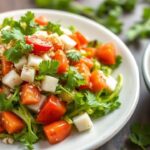
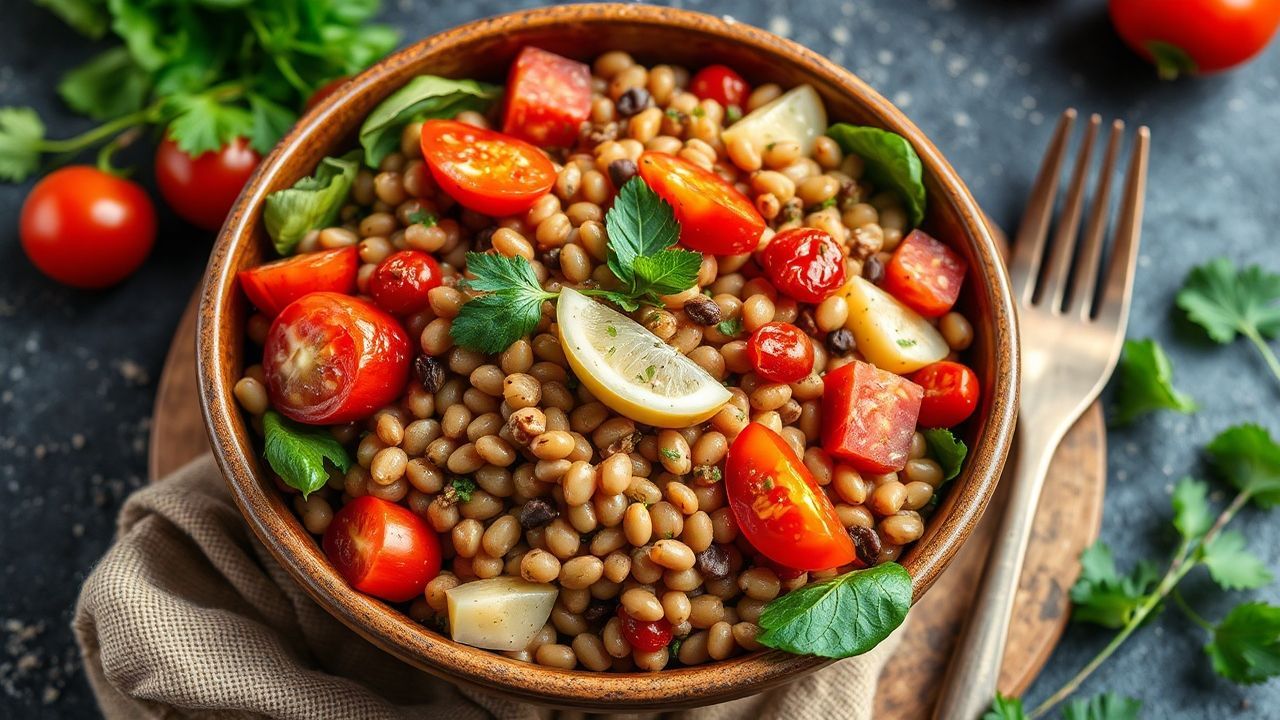
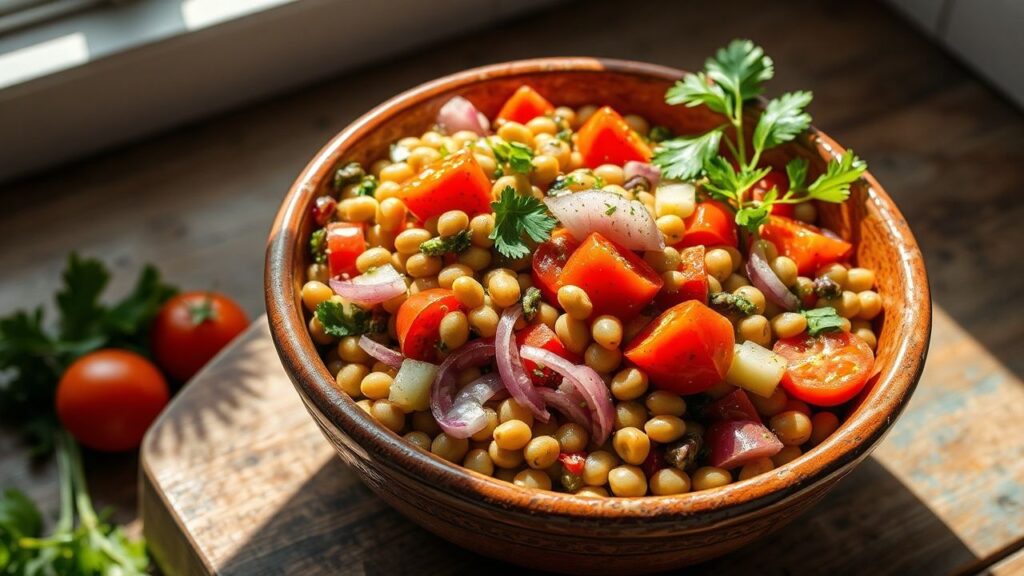
The supporting cast of ingredients in a Mediterranean Lentil Salad is what truly elevates it. The bright acidity of fresh lemon juice and the richness of extra virgin olive oil form the backbone of a classic vinaigrette. Finely chopped red onion or shallots add a pungent sharpness, while crisp cucumber and juicy cherry tomatoes provide refreshing bursts of flavor and moisture. Fresh herbs are non-negotiable; parsley, mint, and dill are particularly well-suited, their herbaceous notes cutting through the earthiness of the lentils. Feta cheese, Kalamata olives, and sun-dried tomatoes can further enhance the Mediterranean character, adding salty, briny, and intensely savory dimensions.
The art of seasoning cannot be overstated. A generous pinch of salt and freshly ground black pepper is essential, but consider adding subtle enhancements. A touch of garlic, either minced raw for a bolder flavor or roasted for a sweeter, mellower profile, can add depth. A pinch of dried oregano or a hint of cumin can introduce warm, earthy undertones that complement the lentils beautifully. The goal is to build layers of flavor, ensuring that each bite offers a complex and satisfying experience. Allowing the salad to sit for at least 15-30 minutes before serving, or even refrigerating it for a few hours, allows the flavors to meld and deepen, transforming a good salad into a truly great one.
Exploring Diverse Lentil Salad Variations: Beyond the Mediterranean
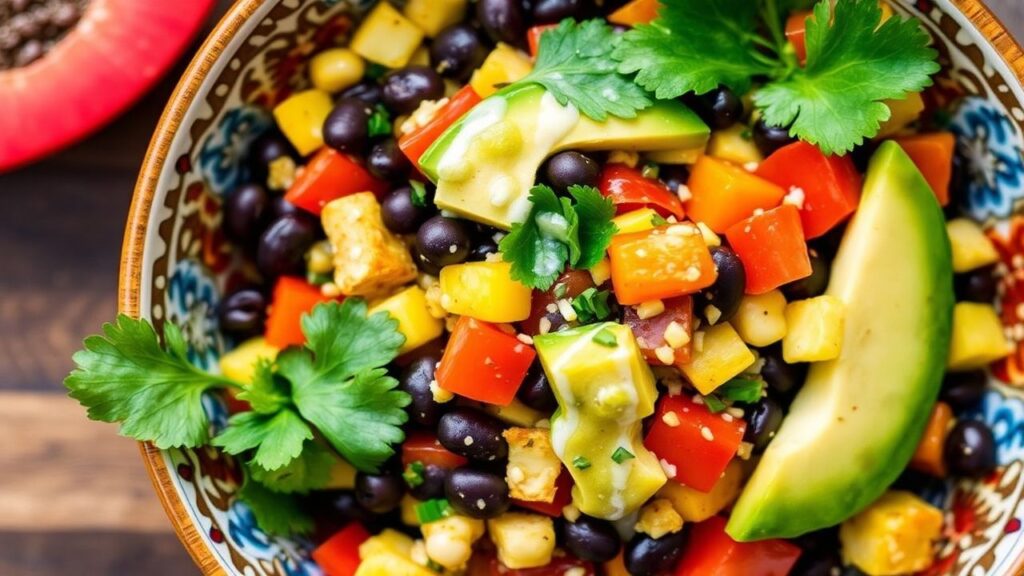
While the Mediterranean Lentil Salad enjoys widespread popularity, the inherent versatility of lentils allows for an almost limitless array of global interpretations. Each variation offers a unique flavor profile and nutritional synergy, demonstrating how this humble legume can adapt to diverse culinary traditions. Consider the vibrant flavors of a Southwestern Lentil Salad. Here, black or pinto beans might be incorporated alongside the lentils, complemented by corn, black beans, diced bell peppers (in various colors for visual appeal), avocado, and a zesty lime-cilantro dressing. A hint of chili powder or a dash of hot sauce can introduce a delightful kick, making it a perfect side dish for grilled meats or a satisfying main course on its own. This adaptation taps into the robust, earthy notes of cumin and chili, creating a dish that is both hearty and invigorating.
Moving eastward, a Curried Lentil Salad offers a fragrant and aromatic experience. Cooked lentils can be tossed with finely diced red onion, celery, and apple for a delightful crunch and sweetness. A creamy dressing made with Greek yogurt or tahini, infused with curry powder, turmeric, ginger, and a touch of honey, provides a rich and complex flavor profile. Raisins or dried cranberries can add bursts of sweetness that balance the spice. This variation is particularly appealing for those who enjoy warmer, more complex spice blends and offers a comforting yet healthy option. The inclusion of ingredients like ginger and turmeric in this style of salad aligns with their well-documented anti-inflammatory properties.
For a taste of Asia, an Asian-Inspired Lentil Salad can be crafted. This might involve using French green lentils or beluga lentils for their texture, combined with edamame, shredded carrots, thinly sliced red cabbage, and scallions. A dressing made with soy sauce (or tamari for a gluten-free option), rice vinegar, sesame oil, a touch of grated ginger, and a hint of maple syrup creates a savory, slightly sweet, and umami-rich flavor. Toasted sesame seeds and chopped peanuts can add a delightful textural contrast. This fusion approach demonstrates the adaptability of lentils to incorporate Asian flavor profiles, offering a lighter yet still satisfying alternative to traditional grain-based salads. The use of ingredients like ginger and sesame oil brings a distinct aromatic quality.
The Role of Lentils in Sustainable Eating and Food Security
Beyond their individual health benefits, lentils play a profoundly important role in global food security and sustainable agriculture. As a legume, lentils have the remarkable ability to fix atmospheric nitrogen into the soil through a symbiotic relationship with bacteria in their root nodules. This natural process significantly reduces the need for synthetic nitrogen fertilizers, which are energy-intensive to produce and can contribute to environmental pollution. By incorporating lentils into crop rotations, farmers can improve soil health, reduce their reliance on chemical inputs, and cultivate more resilient agricultural systems. This not only benefits the environment but also lowers production costs, making food more affordable.
The United Nations has recognized the immense contribution of legumes, including lentils, to sustainable agriculture and food security. In 2016, the UN declared the International Year of Pulses, highlighting their vital role in addressing hunger, malnutrition, and environmental challenges. Lentils are a low-water-footprint crop compared to many other protein sources, requiring significantly less water to produce a kilogram of protein. This makes them an increasingly important crop in regions facing water scarcity, contributing to climate change adaptation strategies. Their efficiency in resource utilization and their nutrient-dense profile make them a cornerstone of a more sustainable and equitable global food system. The FAO estimates that pulses, like lentils, can matter significantly in achieving several of the UN Sustainable Development Goals, particularly those related to zero hunger and responsible consumption and production.
The affordability and long shelf-life of dried lentils also make them an invaluable resource for food banks and humanitarian aid organizations. They provide a nutrient-rich, shelf-stable food source that can be easily transported and distributed to populations in need, helping to combat malnutrition and alleviate hunger crises. This enduring utility underscores the fundamental importance of lentils not just as a food item, but as a tool for building a more food-secure and resilient world.
Integrating Lentil Salad into Busy Lifestyles: Meal Prep and Quick Fixes
For many, the perceived time commitment for preparing healthy meals can be a significant barrier. However, Lentil Salad is remarkably amenable to meal preparation, making it an ideal option for those with demanding schedules. The beauty of lentil salads is that they often improve in flavor as they sit, allowing the ingredients to meld and the dressing to fully infuse. This makes them perfect for batch cooking. On a Sunday afternoon, you can cook a large batch of lentils, chop your vegetables, and prepare your dressing separately. Then, throughout the week, you can assemble individual portions, adding delicate ingredients like avocado or fresh herbs just before serving to maintain their freshness.
A basic lentil salad base can be prepared with cooked lentils, finely diced red onion, and a simple lemon-herb vinaigrette. This forms a neutral canvas that can be customized daily. For a quick lunch, add some chopped cucumber and cherry tomatoes. For a more substantial meal, toss it with some grilled chicken or shrimp, or a dollop of plain Greek yogurt for added protein and creaminess. Another effective strategy is to prepare “lentil salad jars.” Layer your dressing at the bottom of a jar, followed by firmer ingredients like cooked lentils and chopped vegetables, and then more delicate items like greens or herbs at the top. This keeps everything fresh and ready to go when you simply need to shake and eat.
The ease of preparation extends to using pre-cooked or canned lentils. While dried lentils offer superior flavor and texture, canned lentils, when rinsed thoroughly to remove excess sodium, can be a lifesaver for those in a true time crunch. Simply drain and rinse them, and they’re ready to be incorporated into a quick salad. Combining these convenient options with a few fresh additions can yield a healthy and satisfying meal in mere minutes. This adaptability ensures that even the busiest individuals can harness the nutritional power of Lentil Salad without sacrificing time or flavor.
Frequently Asked Questions about Lentil Salad
What is the best type of lentil for a salad?
For salads, it’s generally best to use lentils that hold their shape well after cooking. Varieties like French green lentils (Puy lentils), Beluga lentils (which are small, black, and resemble caviar), and standard green or brown lentils are excellent choices. Red and yellow lentils tend to break down and become mushy, making them more suitable for soups and purees rather than vibrant salads.
How long can lentil salad be stored in the refrigerator?
Properly stored lentil salad can typically last for 3 to 4 days in an airtight container in the refrigerator. It’s often even better on the second day as the flavors have more time to meld. However, if you’ve added ingredients that tend to wilt quickly, like delicate greens or avocado, it’s best to add those just before serving to maintain optimal freshness and texture.
Can I freeze lentil salad?
It is generally not recommended to freeze lentil salad, especially if it contains fresh vegetables or creamy dressings. Freezing can alter the texture of the lentils and vegetables, making them watery and mushy upon thawing. While the cooked lentils themselves might freeze reasonably well, the overall salad composition is best enjoyed fresh or refrigerated.
What are some good vegetarian/vegan protein additions to lentil salad?
To boost the protein content for vegetarian or vegan diets, consider adding ingredients like grilled or baked tofu cubes, tempeh, edamame, chickpeas, or even a sprinkle of toasted nuts and seeds such as pumpkin seeds or sunflower seeds. A tahini-based dressing can also contribute to the protein profile.
Are there any health concerns associated with eating lentils?
Lentils are generally very healthy, but for some individuals, the high fiber content might cause digestive discomfort, such as gas or bloating, especially if their diet is not accustomed to it. It’s advisable to introduce lentils gradually. Additionally, lentils contain purines, which the body converts to uric acid. People with gout or kidney issues should consume them in moderation and consult with their healthcare provider.
Final Recommendations for Embracing Lentil Salad
Lentil Salad is not merely a dish; it’s a philosophy of eating that champions health, sustainability, and culinary creativity. Its accessibility, affordability, and profound nutritional benefits make it an indispensable component of any modern diet. Whether you’re a seasoned home cook or just beginning your journey into healthier eating, embracing Lentil Salad offers a rewarding path. Start with the classic Mediterranean rendition, savoring its bright, fresh flavors, and then allow yourself to explore the diverse global variations. Master the art of simple cooking and smart meal preparation, and you’ll find that this humble legume can become a powerful ally in achieving your wellness goals. The consistent integration of Lentil Salad into your weekly menu is proof of informed dietary choices that nourish both the body and the planet.
See also: Lentil Salad