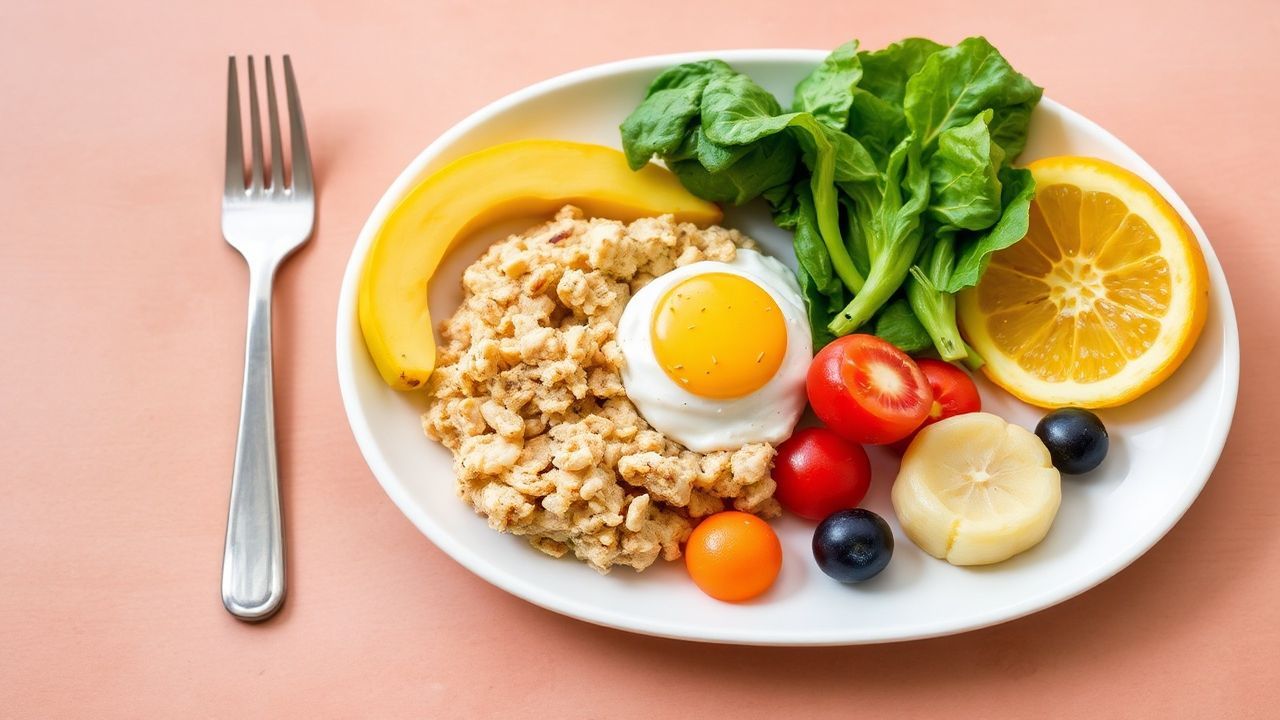

Colorful & Nutritious: Balanced Dinner Plate Ideas for Kids
Vibrant hues on a plate do more than please the eye; they invite little ones on a flavorful adventure that fuels their growth and imagination. Crafting a colorful and nutritious dinner for kids transforms mealtime into a vibrant celebration of health and happiness. From crunchy greens and sunny yellows to rich purples and oranges, a balanced plate sparks curiosity and delight, turning picky eaters into enthusiastic food explorers.
- Colorful & Nutritious: Balanced Dinner Plate Ideas for Kids
- Bright Veggies for Immunity and Taste
- Protein Picks for Growing Bodies
- Wholesome Grains for Energy and Texture
- Creative Plating for Irresistible Meals
- Making Healthy Eating Fun
- Incorporating Variety and Balance
- Nutritional Powerhouses for Growing Bodies
- Q&A
- Q1: Why is it important to have a colorful dinner plate for kids?
- Q2: What are the key components of a balanced dinner plate for children?
- Q3: How can parents creatively introduce new vegetables to picky eaters?
- Q4: Can you suggest a simple balanced dinner plate idea that’s kid-approved?
- Q5: How often should kids be encouraged to try new foods, and how can parents handle refusals?
- The Way Forward
- Vibrant Colors, Vital Nutrients: Different colors in foods signify diverse vitamins, minerals, and antioxidants essential for child development.
- Engaging Mealtime: A visually appealing plate captures a child’s attention, encouraging them to try new foods and enjoy eating.
- Foundation for Healthy Habits: Early exposure to balanced, colorful meals establishes a lifelong appreciation for nutritious eating.
- Simple Strategy: Focusing on a rainbow of foods makes it easy to ensure a broad spectrum of essential nutrients is consumed.
This guide explores inspired ideas to create balanced dinner plates that nourish both body and soul, making healthy eating a colorful, joyful experience for your children every evening. Let’s embark on this culinary adventure together!
Bright Veggies for Immunity and Taste
Introducing a spectrum of vegetables onto a child’s dinner plate is a cornerstone of good nutrition. Each color often represents a unique profile of vitamins, minerals, and antioxidants crucial for a developing immune system and overall well-being. For instance, the beta-carotene in orange carrots supports vision, while the anthocyanins in purple cabbage offer powerful antioxidant benefits. Focusing on a variety of colors ensures a broader intake of these vital nutrients.
Beyond their health benefits, brightly colored vegetables add undeniable appeal to any meal. Think of the vibrant green of broccoli, the sunny yellow of corn, or the deep red of bell peppers. These natural pigments make a dish look more appetizing, encouraging children to explore and taste new flavors. Integrating them creatively overcomes initial hesitations and fosters a positive relationship with vegetables from an early age. Understanding the phytochemicals in vegetables further highlights their importance.
Protein Picks for Growing Bodies
Protein is the fundamental building block for children’s rapidly growing bodies. It’s essential for muscle development, tissue repair, and the production of enzymes and hormones that regulate countless bodily functions. Ensuring adequate protein intake at dinner provides sustained energy and supports the physical growth spurts common in childhood.
Lean meats, poultry, fish, eggs, beans, lentils, and tofu are excellent sources of high-quality protein. Offering a variety of these options helps ensure children receive a full spectrum of essential amino acids. For example, chicken and fish provide complete proteins, while plant-based proteins like beans and lentils offer fiber and other micronutrients. Making these protein sources appealing through preparation and presentation is key to their acceptance. A good example of this is exploring protein synthesis in the body.
Wholesome Grains for Energy and Texture
Whole grains are vital for providing sustained energy throughout the evening and into the next day. Unlike refined grains, they retain their bran and germ, offering a rich source of fiber, B vitamins, and minerals. This fiber content helps regulate digestion and promotes a feeling of fullness, preventing energy crashes and supporting concentration.
Incorporating grains like quinoa, brown rice, or whole wheat pasta adds delightful textures to a meal. Quinoa offers a slightly nutty flavor and a pleasant chew, while brown rice provides a satisfying bite. These grains serve as a foundation for a colorful dish, absorbing flavors and holding other ingredients together. Their versatility allows them to be incorporated in salads, bowls, or as a simple side, making them a valuable component of a balanced plate. Learning about the benefits of whole grains is crucial.
Creative Plating for Irresistible Meals
Presentation truly matters when encouraging children to eat well. Transforming a simple meal into a work of art sparks their imagination and makes them more eager to explore new foods. Simple techniques like arranging food in fun shapes, using colorful cookie cutters, or creating “food faces” turn a mundane dinner into an exciting culinary experience.
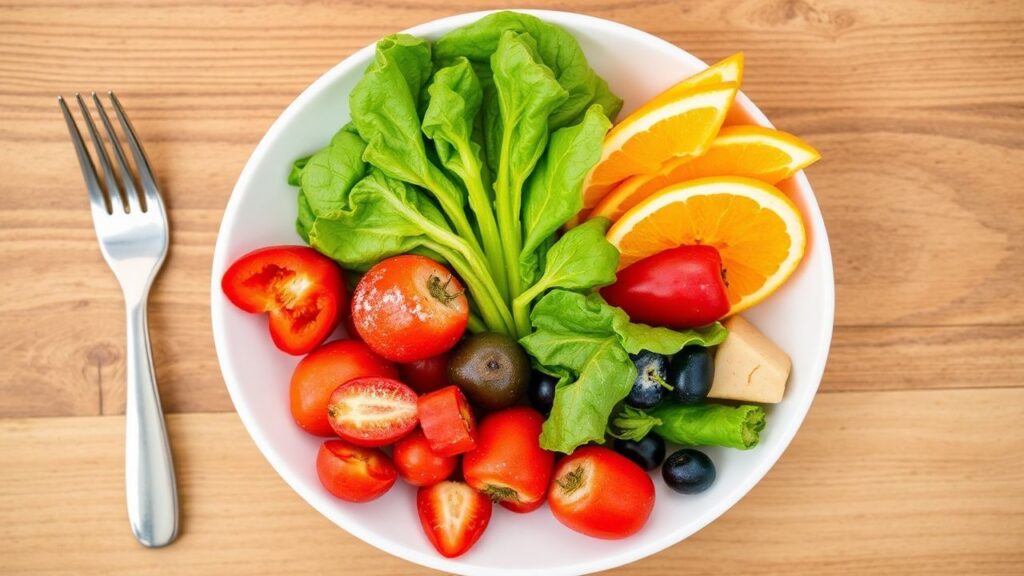
Consider dividing the plate into sections using different food colors and textures. For example, a quarter could be lean protein, another quarter whole grains, and the remaining half a vibrant mix of fruits and vegetables. This visual balance looks appealing and reinforces the principles of a healthy, balanced meal. Small touches, like a sprinkle of fresh herbs or a drizzle of a colorful sauce, elevate the dish further.
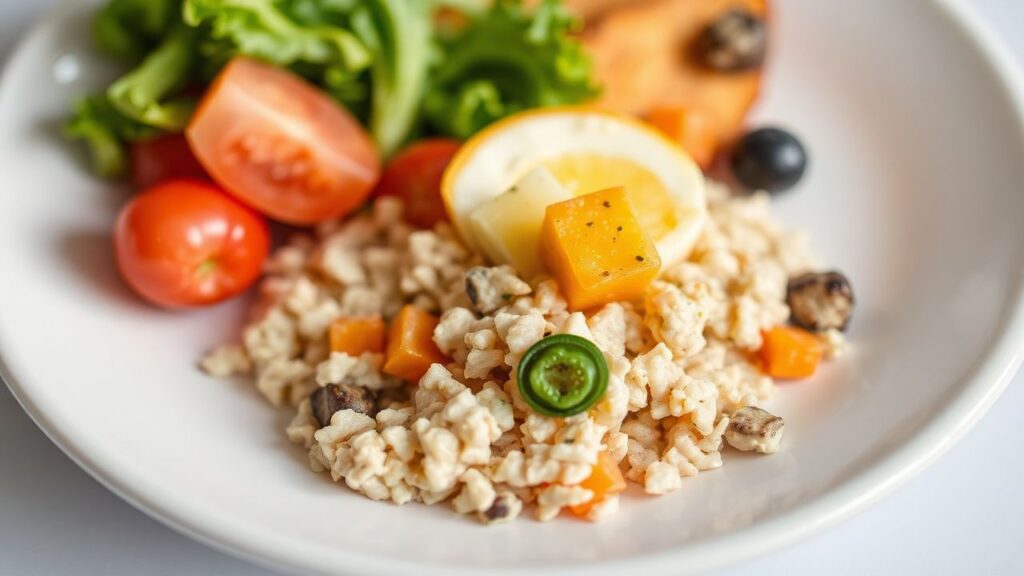
Rainbow Quinoa Chicken Bowl
This recipe is a feast for the eyes and a powerhouse of nutrients. It brings together tender chicken, fluffy quinoa, and a medley of colorful vegetables, making it a complete and satisfying meal. The combination of flavors and textures ensures it appeals to even the most discerning young palates.
A balanced approach ensures children receive a wide spectrum of essential nutrients, including lean protein, whole grains, healthy fats, and an abundance of colorful fruits and vegetables. Variety is key, as different foods provide different benefits. For instance, leafy greens are rich in iron and vitamin K, while citrus fruits offer vitamin C, crucial for immune function. Understanding portion sizes appropriate for different age groups is also important.
The general guideline is to fill half the plate with fruits and vegetables, one-quarter with protein, and one-quarter with whole grains. These proportions can be adjusted based on a child’s age, activity level, and appetite. Offering smaller portions initially and allowing children to ask for more prevents food waste and teaches them to listen to their body’s hunger cues. This mindful approach fosters a healthy relationship with food.
Prep Time: 20 minutes
Cook Time: 25 minutes
Yield: Serves 4 kids
Difficulty Level: Easy
Ingredients
- 1 cup quinoa, rinsed thoroughly
- 1 tablespoon olive oil
- 1 medium carrot, julienned
- 1 red bell pepper, finely diced
- 1 cup cherry tomatoes, halved
- 1 cup steamed broccoli florets
- 2 medium chicken breasts, cut into bite-size pieces
- 1 teaspoon smoked paprika
- 1/2 teaspoon garlic powder
- 1/2 teaspoon ground cumin
- 1 cup cooked black beans, drained and rinsed
- Salt and pepper to taste
- Fresh parsley or cilantro, finely chopped for garnish
- Optional: small cubes of mild cheddar cheese
Instructions
- Cook the quinoa: Combine rinsed quinoa with 2 cups of water and a pinch of salt in a saucepan. Bring to a boil, reduce heat to low, cover, and simmer for 15 minutes, or until water is absorbed. Fluff with a fork and set aside.
- Prepare the chicken: Heat olive oil in a large skillet over medium heat. Toss chicken pieces with paprika, garlic powder, cumin, salt, and pepper. Sauté for 7-8 minutes until golden and cooked through.
- Steam the broccoli: Steam broccoli florets until crisp-tender, about 4 minutes.
- Combine the veggies: Gently toss cooked quinoa with julienned carrots, diced red bell pepper, halved cherry tomatoes, black beans, and steamed broccoli in a large bowl.
- Assemble the plate: Place a scoop of the veggie and quinoa mix on each plate. Top with warm spiced chicken pieces and scatter optional cheese cubes.
- Garnish creatively: Finish with chopped fresh parsley or cilantro for a burst of color and flavor.
Chef’s Notes
- Swap chicken for tofu or cooked lentils to make this recipe vegetarian while maintaining protein richness. This is a great way to introduce plant-based proteins.
- Add toasted sunflower seeds or pine nuts for extra crunch and healthy fats, providing delightful texture.
- Prep quinoa and veggies in advance to reduce cooking time on busy days. Store them separately and combine when ready to serve for quick meal assembly.
- If your kids prefer milder flavors, reduce the smoked paprika or substitute it with sweet paprika. Adjusting spices is key for picky eaters.
Serving Suggestions
Serve this vibrant dinner plate with a small bowl of fresh fruit on the side for a naturally sweet finish, adding an extra layer of color and nutrients. Present the plate like a colorful mosaic, letting the layers of veggies and proteins peek through, to make it visually tempting.
Use small cookie cutters to shape cheese or cooked veggies into stars or hearts, sparking your child’s imagination and excitement for the meal. This playful approach makes even familiar foods feel new and special. Remember, the goal is to make healthy eating an enjoyable adventure for everyone at the table.
| Nutrient | Amount per serving |
|---|---|
| Calories | 350 kcal |
| Protein | 28 g |
| Carbohydrates | 35 g |
| Fat | 8 g |
Making Healthy Eating Fun
Fostering healthy eating habits in children is a marathon, not a sprint, requiring patience, creativity, and consistency. Making meals fun and engaging is a powerful strategy that significantly influences a child’s willingness to explore and accept new foods. When food is presented as an enjoyable experience, it reduces mealtime stress for both parents and children.
Involving children in meal preparation, even in small ways like washing vegetables or stirring ingredients, can increase their interest in what they are eating. This hands-on approach teaches valuable kitchen skills and gives them a sense of ownership over their food. Understanding where food comes from, whether from a garden or a grocery store, builds a deeper appreciation for healthy ingredients. This process mirrors the principles of food systems and sustainability.
The journey to building positive eating habits involves understanding children’s developmental stages and preferences. Offering choices, while maintaining healthy boundaries, empowers them to feel in control. For example, presenting two healthy options allows them to select what appeals most, increasing their likelihood of consumption.
Moreover, creating a positive mealtime environment free from distractions like screens is crucial. Family conversations and shared experiences at the table foster connection and model healthy eating behaviors. This creates a supportive atmosphere where trying new foods is encouraged and celebrated, rather than feared or forced. This approach aligns with the concept of family meals promoting bonding.
Incorporating Variety and Balance
A truly balanced meal for children encompasses a variety of food groups, ensuring they receive a wide spectrum of essential nutrients. This means aiming for a plate that includes lean protein, whole grains, healthy fats, and an abundance of colorful fruits and vegetables. Variety is key, as different foods provide different nutritional benefits. For instance, leafy greens are rich in iron and vitamin K, while citrus fruits offer vitamin C, crucial for immune function.
Understanding portion sizes appropriate for different age groups is also important. While a general guideline is to fill half the plate with fruits and vegetables, one-quarter with protein, and one-quarter with whole grains, these proportions can be adjusted based on a child’s age, activity level, and appetite. Offering smaller portions initially and allowing children to ask for more can prevent food waste and teach them to listen to their body’s hunger cues.
The benefits of a varied diet extend beyond immediate nutritional needs. Exposure to a wide range of flavors and textures helps children develop a more adventurous palate. This can prevent nutrient deficiencies and lay the groundwork for a healthy relationship with food throughout their lives. Embracing diversity on the plate is a simple yet powerful strategy, contributing to overall nutritional balance.
Moreover, balance ensures that all essential macronutrients and micronutrients are adequately met. A plate lacking in healthy fats, for instance, might not support optimal brain development. Similarly, insufficient protein can hinder muscle growth. Therefore, a thoughtful combination of food groups is paramount for holistic child development and well-being.
Nutritional Powerhouses for Growing Bodies
Certain foods stand out for their exceptional nutritional density, making them ideal additions to a child’s dinner plate. For example, salmon is rich in omega-3 fatty acids, which are crucial for brain development and function. Sweet potatoes provide ample vitamin A and fiber, supporting vision and digestion. Lentils and beans are excellent sources of plant-based protein and iron, essential for energy levels and cognitive function.
Incorporating these nutritional powerhouses doesn’t have to be complicated. Salmon can be baked or grilled and served alongside a colorful vegetable medley. Sweet potatoes can be mashed or roasted into crispy fries. Lentils can be added to soups, stews, or even formed into small patties. By strategically including these nutrient-dense foods, parents ensure their children receive the building blocks they need for optimal growth and development.
These nutrient-dense foods provide a concentrated dose of vitamins, minerals, and beneficial compounds. For instance, the vibrant orange of sweet potatoes signals a high content of beta-carotene, which the body converts to Vitamin A. This vitamin is vital for maintaining healthy eyesight, immune function, and skin integrity. Similarly, the omega-3 fatty acids found in fatty fish like salmon are critical for cognitive development and reducing inflammation.
Beyond their intrinsic nutritional value, these foods often offer appealing textures and flavors that children can enjoy. Roasted sweet potato fries offer a satisfying crunch, while mashed sweet potatoes provide a smooth, comforting texture. Incorporating these powerhouses into familiar dishes makes them more accessible and enjoyable for young eaters, reinforcing positive associations with healthy eating.
Q&A
Q1: Why is it important to have a colorful dinner plate for kids?
A colorful dinner plate isn’t just visually appealing; it’s a simple way to ensure a variety of nutrients. Different colors in fruits and vegetables often indicate different vitamins, minerals, and antioxidants that support growing bodies and minds. Plus, kids are naturally drawn to bright, fun colors, making mealtime more exciting and encouraging them to try new foods.
Q2: What are the key components of a balanced dinner plate for children?
A balanced dinner plate typically includes: Proteins (lean meats, beans, tofu, or fish), Whole Grains (brown rice, quinoa, or whole wheat pasta), Vegetables (a rainbow of colorful options), Fruits (sweet and satisfying additions), and Dairy or Alternatives (cheese, yogurt, or fortified plant-based options for calcium and vitamin D). This composition supports overall dietary guidelines.
Q3: How can parents creatively introduce new vegetables to picky eaters?
Creativity is key! Try turning veggies into fun shapes with cookie cutters, serving vibrant vegetable dips, or incorporating veggies into favorite dishes like pizza or smoothies. Offering variety consistently without pressure helps kids develop a positive connection over time. Exposure is crucial, even if they don’t eat it immediately.
Q4: Can you suggest a simple balanced dinner plate idea that’s kid-approved?
Absolutely! Consider a plate featuring grilled chicken strips, a colorful quinoa salad with diced tomatoes, cucumbers, and corn, steamed carrot sticks, a handful of sweet grape tomatoes, and a small cup of mixed berry yogurt. It’s easy to eat, fun to look at, and packed with nourishment.
Q5: How often should kids be encouraged to try new foods, and how can parents handle refusals?
Experts suggest offering new foods repeatedly; sometimes it takes 10-15 times before a child accepts a new taste! Parents should stay patient and positive, avoiding pressure or bribery. Celebrating small wins, like even smelling or touching a new food, builds curiosity and openness.
The Way Forward
As you embark on the delightful journey of crafting colorful and balanced dinner plates for your kids, remember that nutrition doesn’t have to be dull or daunting. Each vibrant bite is an opportunity to nourish growing bodies and curious minds while sparking a love for wholesome foods. By blending a rainbow of fruits, veggies, proteins, and grains in playful, inviting ways, you’re not only feeding their hunger but also fueling their imagination and health for years to come.
So, let your creativity run wild, and watch mealtime transform into a joyful celebration of taste, color, and wellness—one plate at a time. The effort you invest now in establishing these healthy habits will pay dividends in your child’s overall well-being and development.
See also: dinner plate ideas for kids