
Cracking the Code: Smart Tips for Feeding Picky Eaters
Mealtimes with picky eaters often feel like navigating a minefield. Their selective palates can leave parents feeling frustrated, and children feeling pressured. However, transforming these challenging moments into opportunities for exploration and healthy eating is achievable. This guide offers practical, expert-backed strategies to help you decode picky eating habits and foster a more positive relationship with food.
- Cracking the Code: Smart Tips for Feeding Picky Eaters
- Understanding the Picky Eater’s Mindset
- Creative Meal Planning to Spark Curiosity and Appetite
- Q&A: Cracking the Code: Smart Tips for Feeding Picky Eaters
- Q1: Why do some kids become picky eaters in the first place?
- Q2: How can parents make mealtime less of a battle?
- Q3: What are some creative ways to introduce new foods?
- Q4: Is it okay to offer kids alternatives if they refuse a certain food?
- Q5: How often should parents reintroduce a food that a child initially rejects?
- Q6: Can picky eating impact a child’s nutrition long-term?
- Q7: What role do routines play in managing picky eating?
- Q8: How can parents stay motivated during this challenging phase?
- Insights and Conclusions
At a Glance: Key Takeaways for Picky Eaters
- Creative Presentation: Make food visually appealing with fun shapes, colors, and arrangements.
- Involve Children: Let kids participate in meal prep to foster ownership and curiosity.
- Patience is Key: Repeated exposure (10-15 times) is often needed for acceptance.
- Positive Environment: Keep mealtimes low-stress and avoid pressure or force.
Understanding the Picky Eater’s Mindset
Picky eating is a common developmental stage, often rooted in a child’s natural caution towards new experiences. Sensory sensitivities play a significant role; textures, smells, and even the appearance of food can be overwhelming. Furthermore, asserting independence is a crucial part of a child’s growth, and food choices can become a primary avenue for this.
Recognizing these underlying reasons helps parents approach mealtimes with empathy. Instead of viewing it as defiance, understand it as a phase influenced by biology and development. This perspective shift is the first step toward effective strategies. For more on child development stages, consult resources on child development.
Creative Meal Planning to Spark Curiosity and Appetite
Feeding picky eaters begins with a foundation of understanding, leading into creative meal planning that sparks curiosity and appetite. Young diners often resist foods due to unfamiliarity—be it textures, flavors, or presentation. By incorporating vibrant colors, playful shapes, and familiar favorites, you can craft meals that intrigue and invite exploration.
Offer fun finger foods and bite-sized portions to reduce overwhelm and provide a sense of choice. This autonomy encourages tasting and engagement during meals. Remember, the goal is to make food an adventure, not a chore. Small, manageable steps build confidence for both child and parent alike.
Recipe: Rainbow Vegetable Quinoa Scramble
Prep and Cook Time
- Prep Time: 20 minutes
- Cook Time: 25 minutes
Yield
- Serves 4 adventurous little eaters
Difficulty Level
- Easy to Medium
Ingredients
- 1 cup cooked quinoa (cooled, for a nutty texture)
- 1 cup finely chopped colorful bell peppers (red, yellow, orange)
- 1 medium carrot, grated (adds sweetness and crunch)
- 1/2 cup peas (fresh or frozen, lightly steamed)
- 2 large eggs (beaten)
- 1/4 cup shredded cheese (mild cheddar or mozzarella)
- 1 tsp olive oil (for sautéing)
- 1/2 tsp garlic powder
- 1/2 tsp mild smoked paprika (optional for subtle flavor)
- Salt and pepper to taste
- Fresh parsley (for garnish)
Instructions
- Heat olive oil in a non-stick skillet over medium heat. This helps prevent sticking and ensures even cooking for a better texture.
- Add the chopped bell peppers, peas, and grated carrot. Sauté until they are tender-crisp, about 5-6 minutes, stirring occasionally. The vibrant colors signal freshness and visual appeal.
- In a medium bowl, whisk the eggs with garlic powder, smoked paprika, salt, and pepper until smooth. This mixture forms the binding agent for the scramble.
- Stir in the cooked quinoa and shredded cheese into the sautéed vegetables. Then, pour the egg mixture evenly over them in the skillet. Combining these elements creates a cohesive and nutritious dish.
- Cook on low heat, gently stirring and folding occasionally, allowing the eggs to set but remain tender—about 8 minutes. Low heat is crucial for a tender texture without overcooking.
- Once cooked through, transfer the mixture to a serving plate. Garnish with fresh parsley to brighten the dish visually and aromatically. Presentation matters immensely with picky eaters.
- Serve slightly warm to entice little palates with its inviting colors, textures, and mild flavors. The slight warmth enhances the aroma and taste.
Tips for Success
- Use a non-stick skillet to ensure easy stirring without sticking or burning the eggs. This simplifies the cooking process considerably.
- Try swapping quinoa with couscous or small pasta shapes to vary textures and keep meals exciting. Variety keeps things novel and engaging for children.
- Customize vegetables by adding sweet corn kernels or finely chopped zucchini for added variety. Tailor ingredients to what your child might tolerate best.
- For very young or hesitant eaters, cut the cooked dish into fun shapes using cookie cutters to boost interest. Playful shapes transform food into fun experiences.
- Prepare the dish ahead and simply reheat gently; it holds flavor and texture well. This saves valuable time on busy days.
Serving Suggestions
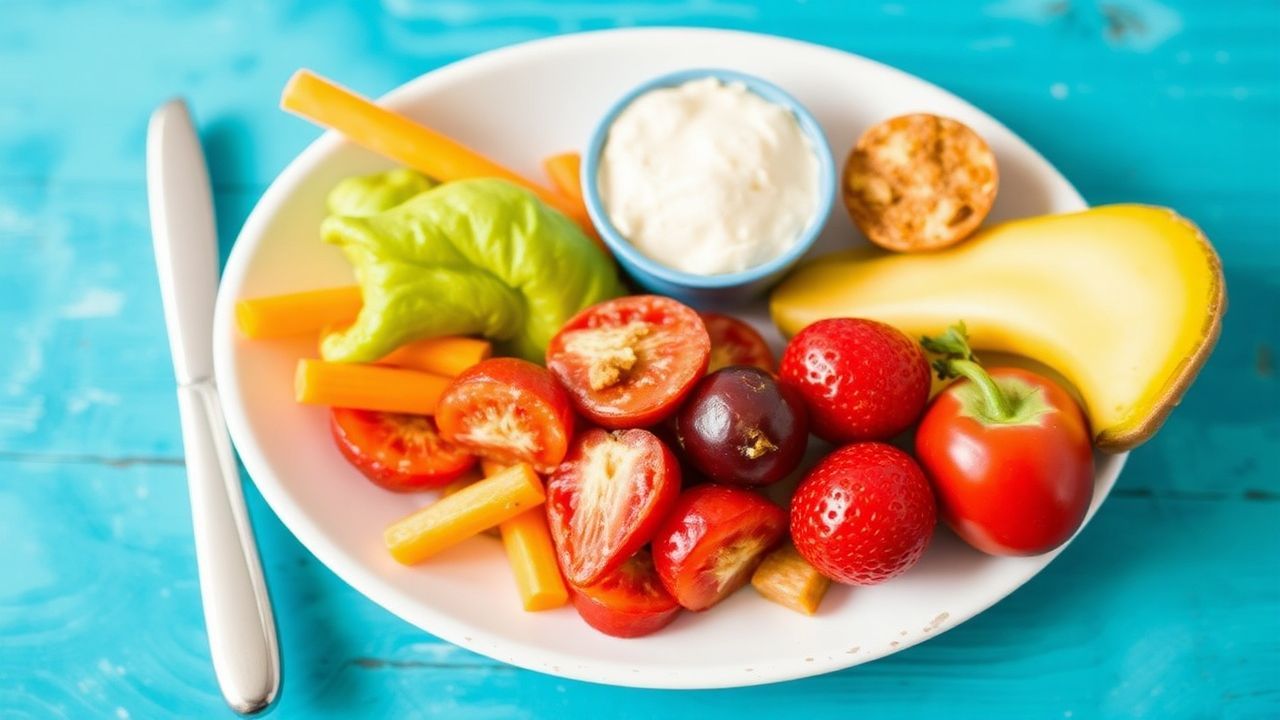
This colorful vegetable quinoa scramble pairs beautifully with crunchy cucumber sticks or soft pita wedges. Serve with a small bowl of mild yogurt or hummus for dipping, encouraging interactive and playful eating. The act of dipping can make trying new foods feel less intimidating for hesitant children.
Add a side of fresh fruit, such as sliced strawberries or apple wedges, for a refreshing finish. This rounds out the meal’s nutrition and taste diversity. A balance of flavors and textures is key to a well-rounded meal for growing bodies.
| Nutrient | Amount per Serving |
|---|---|
| Calories | 180 kcal |
| Protein | 9 g |
| Carbohydrates | 20 g |
| Fat | 6 g |
For more creative toddler-friendly meals and tips, explore our related article on Snack Ideas That Picky Eaters Love. Also, visit HealthyChildren.org for expert insights on childhood nutrition and feeding challenges. These resources offer further guidance for parents navigating these common issues.

Q&A: Cracking the Code: Smart Tips for Feeding Picky Eaters
Q1: Why do some kids become picky eaters in the first place?
Picky eating often sprouts from a mix of natural caution, sensory sensitivities, and the desire for control. For little ones, unfamiliar textures, colors, or even smells can be intimidating. Sometimes, it’s a phase of asserting independence, and other times, it’s simply about taste preferences still in bloom. Understanding these roots helps parents approach mealtime with empathy rather than frustration.
Q2: How can parents make mealtime less of a battle?
Turn the table—literally and figuratively—into a playground! Involve kids in grocery shopping, meal prepping, or even naming dishes. When children feel like partners, they’re more curious and eager to taste what they helped create. Also, keep mealtime stress-free by steering clear of battles; patience and gentle encouragement work wonders. A relaxed atmosphere promotes a more positive eating experience.
Q3: What are some creative ways to introduce new foods?
Think outside the plate! Create “food art” by arranging veggies into fun shapes, use dips like hummus or yogurt to make flavors friendly, or tell stories about the food’s origin—turn broccoli into a tiny forest or carrots into crunchy dragons. Sneak new ingredients into familiar favorites, like adding pureed spinach to pasta sauce, so children slowly adjust to new tastes. This gradual exposure is often more effective than direct confrontation.
Q4: Is it okay to offer kids alternatives if they refuse a certain food?
Absolutely, with a twist! Offering options like an apple or a handful of nuts alongside the main meal respects a child’s appetite and preferences. However, avoid always substituting refused foods with less nutritious snacks. The goal is to gently expand their palate without going to war—think of it as fuel for an adventurous taste journey. This maintains nutritional integrity while offering some choice.
Q5: How often should parents reintroduce a food that a child initially rejects?
Patience is your secret weapon. Studies suggest it can take 10 to 15 tries before a child warms up to a new flavor. Reintroduce foods in small doses during different meals, always paired with positive reinforcement and without pressure. Celebrate tiny victories to build confidence and curiosity. This persistence is key to expanding a child’s diet and their willingness to try new things.
Q6: Can picky eating impact a child’s nutrition long-term?
If left unchecked, limited food variety can lead to nutritional gaps, but early intervention and creative strategies help balance the diet. Focus on variety over perfection—offer a rainbow of fruits, vegetables, grains, and proteins over time. Consulting a pediatric nutritionist can be a guiding light if concerns arise. Professional guidance ensures optimal development and addresses any potential deficiencies.
Q7: What role do routines play in managing picky eating?
Routines are meals’ unsung heroes. Consistent meal and snack times create a rhythm that encourages hunger cues and reduces grazing on less nutritious options. Establishing a calm, distraction-free environment signals to children that mealtime is important and helps them focus on tasting and exploring food. Predictability reduces anxiety for children and makes mealtimes more manageable.
Q8: How can parents stay motivated during this challenging phase?
Remember: you’re planting seeds, not fetching ripe fruit overnight. Celebrate small steps, enlist support from friends or online communities, and don’t hesitate to take a break from the pressure. Sometimes, a deep breath and a playful approach are all it takes to reignite mealtime joy. Your resilience is an inspiration to your child during this developmental phase.
Feeding picky eaters can feel like cracking a complex code, but with patience, creativity, and a sprinkle of fun, parents can transform mealtime battles into delightful discoveries! This journey requires consistency and a positive outlook to foster healthy eating habits.
Insights and Conclusions
Ultimately, cracking the code to feeding picky eaters is less about magic and more about sustained patience, creativity, and understanding. With these smart tips in your culinary toolkit, mealtimes can transform from a battleground into a playground of flavors and fun. Remember, every bite is a small victory on the journey to nourishing both body and curiosity.
So, embrace the twists and turns of picky eating with confidence—because feeding little food critics just got a little less daunting and a lot more delicious. The long-term benefits of establishing healthy eating habits are immense for a child’s overall well-being.

See also: picky eaters