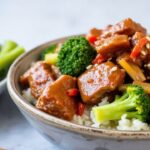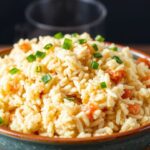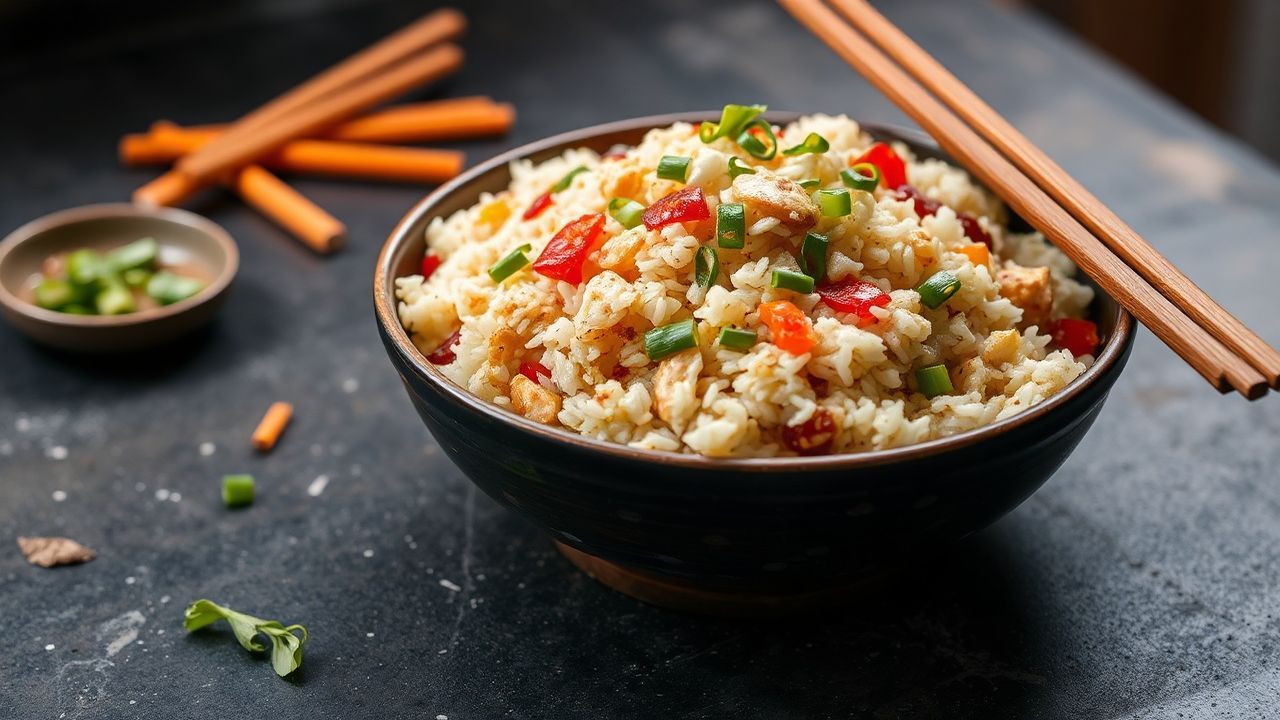

The aroma of sizzling garlic and ginger, the gentle clatter of a wok, the vibrant confetti of vegetables and protein – these are the sensory hallmarks of truly exceptional fried rice. For many, it’s a comforting, familiar dish, a weeknight savior, or a nostalgic reminder of bustling Asian markets. Yet, the humble fried rice often gets a bad rap, relegated to the realm of quick, uninspired meals. This perception, however, belies its rich culinary heritage and the nuanced techniques that elevate it from mere sustenance to a gastronomic delight. When approached with intention and understanding, it can rival any restaurant’s offering.
- The Genesis and Evolution of Fried Rice
- The Cornerstone: Selecting and Preparing Your Rice
- Crafting the Flavor Profile: Essential Ingredients and Their Roles
- The Art of the Stir-Fry: Technique for Perfection
- The Recipe: Classic Chicken Fried Rice
- Nutritional Information (Per Serving – approximate, based on 4 servings)
- Elevating Your Fried Rice to Restaurant Status
- Conclusion: A Blank Canvas for Culinary Expression
- Frequently Asked Questions about Fried Rice
- The true art of fried rice lies in the precise balance of textures and flavors, achieved through careful ingredient selection and cooking methodology.
- Understanding the science of day-old rice is paramount to achieving the perfect fluffy, non-clumped grains.
- A well-executed fried rice is proof of efficient wok cooking, harnessing high heat to impart essential ‘wok hei’ – that elusive smoky char.
- Customization is key; this foundational recipe serves as a canvas for countless variations, allowing personal preference to shine.
The Genesis and Evolution of Fried Rice
The origins of fried rice are as deeply rooted in practicality as they are in flavor. Historically, it emerged as a resourceful way to repurpose leftover cooked rice, a staple carbohydrate across many East and Southeast Asian cultures. This practice dates back centuries, with early forms likely existing in China before becoming a widespread culinary phenomenon. The concept is simple: transform starchy, sometimes dry, leftover rice into a more palatable and flavorful dish by stir-frying it with other ingredients. Over time, as trade and cultural exchange flourished, the dish traveled and adapted. Variations emerged, influenced by regional ingredients and culinary traditions. From the soy sauce-centric flavors of Chinese fried rice to the fragrant turmeric-infused versions found in Southeast Asia, its adaptability is proof of its enduring appeal. The global spread of Asian cuisine in the 20th century further cemented its status, making it a ubiquitous item on menus worldwide, though often in simplified forms.
Consider Nasi Goreng, the Indonesian take on fried rice. It’s not merely stir-fried rice; it’s a national dish, often featuring ingredients like shrimp paste (terasi), chili, and a sweet soy sauce (kecap manis), served with a fried egg and sometimes accompanied by satay. This highlights how fried rice, far from being a monolithic entity, is a dynamic culinary concept shaped by diverse cultural palates and ingredient availability. The evolution continues, with modern chefs and home cooks experimenting with global ingredients and fusion techniques, demonstrating the dish’s inherent flexibility.
The Cornerstone: Selecting and Preparing Your Rice
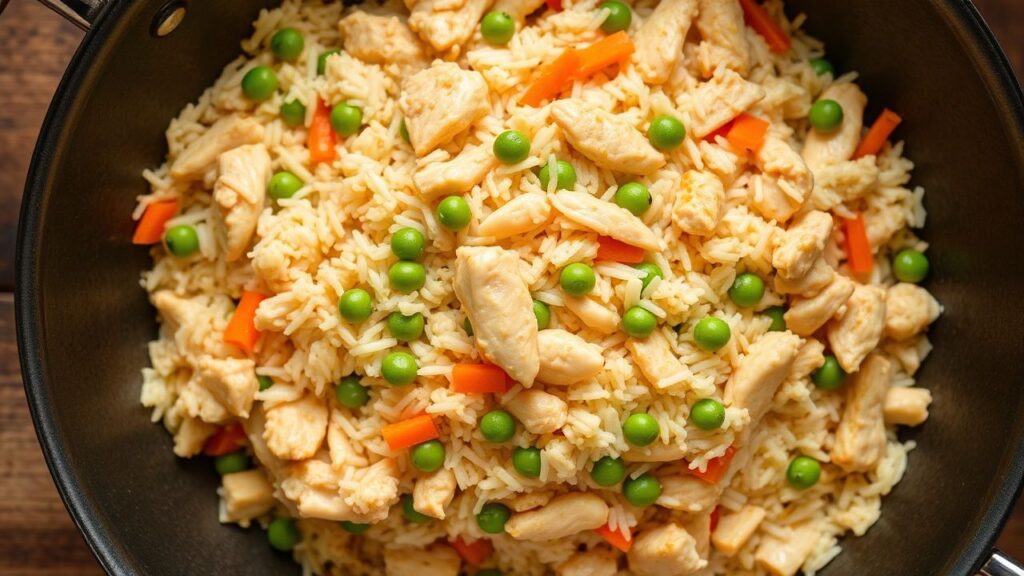
The single most crucial element for successful fried rice is the rice itself. Forget freshly cooked, fluffy, and moist grains. For fried rice, we require day-old, refrigerated cooked rice. This might sound counterintuitive, but there’s a sound scientific reason behind it. During the cooling and refrigeration process, excess moisture in the rice grains evaporates, and the starches undergo retrogradation, becoming firmer and less sticky. This allows each grain to cook independently in the wok, preventing the dreaded clumping that plagues poorly made fried rice. Jasmine or basmati rice are excellent choices for their aromatic qualities and medium-grain structure, which holds up well to stir-frying. Long-grain varieties like basmati are often preferred for their ability to remain distinct.
When preparing your rice specifically for fried rice, aim for a slightly drier consistency. If you’ve just cooked rice, spread it thinly on a baking sheet and allow it to cool completely before refrigerating it, uncovered, for at least several hours, or ideally, overnight. This pre-drying step is a small but significant commitment to achieving that perfect texture. When you’re ready to cook, break up any clumps gently with your fingers or a fork. This attention to detail in the rice preparation phase sets the foundation for a superior dish. The goal is for each grain to be distinct, coated in sauce, and infused with flavor, rather than forming a sticky mass.
Crafting the Flavor Profile: Essential Ingredients and Their Roles
A classic chicken fried rice is a harmonious symphony of flavors and textures. While recipes can be infinitely customized, a core set of ingredients forms the backbone of this beloved dish. The protein, typically chicken, should be cut into small, bite-sized pieces for even cooking and distribution. Marinating the chicken briefly can add an extra layer of tenderness and flavor. Aromatics – garlic, ginger, and often scallions – are the soul of the stir-fry, providing an indispensable fragrant base. Their pungent notes awaken the palate and provide crucial depth that defines the dish.
Vegetables add not only color and nutritional value but also crucial textural contrast. Peas and carrots are traditional, offering sweetness and a slight bite. Diced onions or shallots can also contribute to the aromatic base. For binding and richness, eggs are indispensable. Scrambled separately or cooked directly in the wok, they add a creamy element. The umami-rich sauce is where much of the flavor magic happens. A good quality soy sauce, preferably light soy sauce for its saltiness without excessive color, is paramount. A touch of sesame oil, added towards the end of cooking for its potent aroma, rounds out the flavor profile. Some recipes also benefit from a splash of oyster sauce for added depth and a hint of sweetness, or a pinch of white pepper for subtle warmth.
The Supporting Cast: Enhancements and Variations
Beyond the foundational elements, the beauty of fried rice lies in its adaptability. For those seeking a more robust flavor, incorporating ingredients like diced bell peppers, broccoli florets, mushrooms, or even water chestnuts can elevate the dish. Protein variations are endless: shrimp, pork, beef, or tofu can be substituted or added. For a spicier kick, fresh chilies, chili garlic sauce, or a drizzle of Sriracha can be incorporated. The addition of a protein like char siu (Chinese barbecued pork) can imbue the fried rice with a distinct, caramelized sweetness.
Consider regional variations. Japanese Omurice, for instance, features fried rice (often seasoned with ketchup) wrapped in a thin omelet, a delightful fusion. In Thailand, Khao Pad often includes pineapple and cashews, offering a sweet and nutty counterpoint. These examples underscore that while a core technique exists, the spirit of fried rice is one of creative adaptation. Exploring these variations can lead to fascinating culinary discoveries. For those looking for a refined touch, a drizzle of fish sauce can add a complex umami note that transcends simple saltiness, a technique often employed in Vietnamese cuisine.
The Art of the Stir-Fry: Technique for Perfection
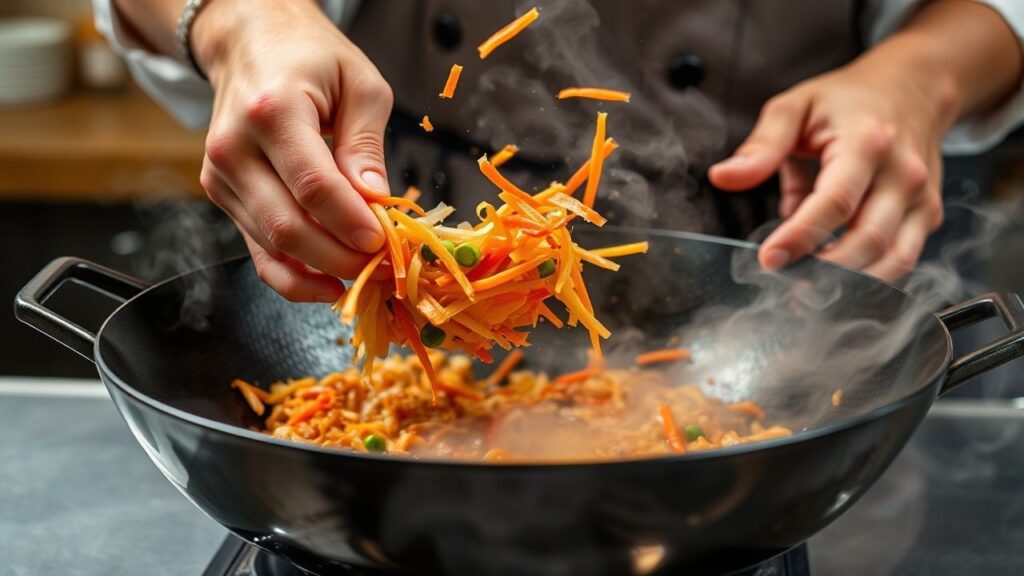
Achieving that coveted restaurant-quality fried rice hinges on mastering the stir-fry technique. High heat is your greatest ally. A wok, with its curved shape and superior heat distribution, is the ideal vessel. If a wok isn’t available, a large, heavy-bottomed skillet will suffice, but ensure it’s preheated thoroughly. The key is to cook in batches if necessary, to avoid overcrowding the pan, which will steam the ingredients rather than fry them. This is a common pitfall that leads to soggy fried rice.
The order of operations is critical. Begin by heating your oil (a high smoke point oil like peanut, canola, or vegetable oil is best) until it shimmers. Add your aromatics – garlic, ginger, and white parts of the scallions – and stir-fry them briefly until fragrant, being careful not to burn them. Next, add your protein (chicken), stir-frying until it’s almost cooked through. Push the ingredients to the side of the wok, add a little more oil if needed, and then crack in your eggs. Scramble them quickly until just set, then break them up and mix them with the other ingredients. Now comes the rice. Add the cold, day-old rice and break it up with your spatula, stir-frying to heat it through and separate the grains. This is where patience and constant movement are key. Finally, add your vegetables and the sauce ingredients, tossing everything vigorously to ensure an even coating. The final addition of sesame oil and the green parts of the scallions should be done just before serving to preserve their fresh aroma and flavor. The entire process, when executed correctly, should be swift and efficient, often taking no more than 10-15 minutes once the ingredients are prepped.
The Recipe: Classic Chicken Fried Rice
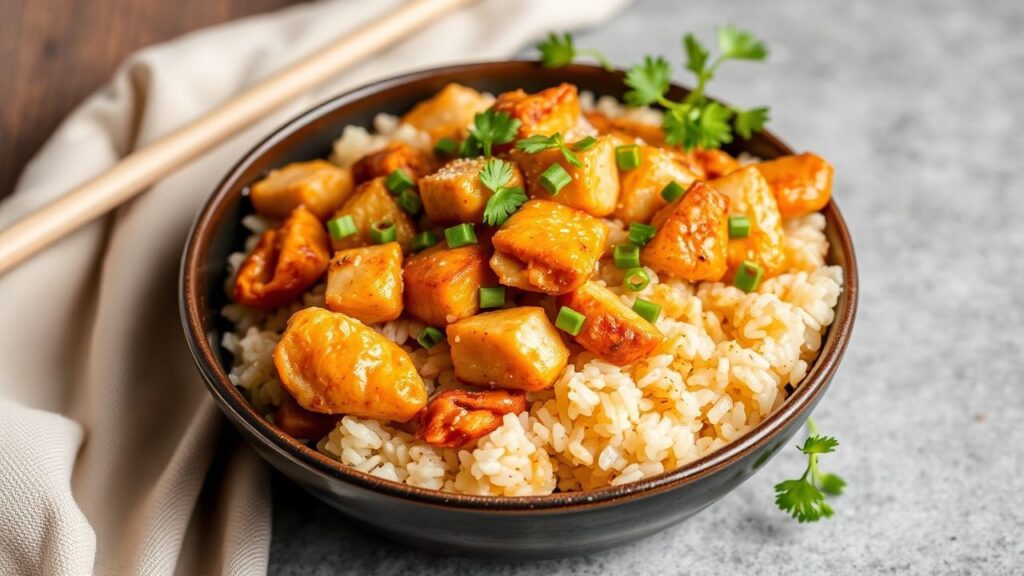
This recipe aims for a balanced, classic flavor profile, serving as an excellent starting point for your own culinary explorations. It’s designed to be accessible for home cooks while delivering restaurant-quality results.
Ingredients:
- For the Rice:
- 3 cups (approx. 600g) cooked, day-old, refrigerated rice (jasmine or basmati recommended)
- 1 tablespoon neutral oil (e.g., canola, vegetable, peanut)
- For the Chicken & Marinade:
- 8 ounces (approx. 225g) boneless, skinless chicken breast or thighs, cut into ½-inch pieces
- 1 tablespoon soy sauce
- 1 teaspoon cornstarch
- ½ teaspoon sesame oil
- For the Stir-Fry:
- 2 tablespoons neutral oil, divided
- 2 cloves garlic, minced
- 1 teaspoon grated fresh ginger
- ½ cup (approx. 75g) frozen peas and carrots, thawed
- 2 large eggs
- 2-3 scallions, thinly sliced (whites and greens separated)
- For the Sauce:
- 2 tablespoons soy sauce
- 1 tablespoon oyster sauce (optional, for deeper flavor)
- 1 teaspoon sesame oil
- ½ teaspoon sugar (optional, to balance saltiness)
- Pinch of white pepper
Equipment:
- Wok or large, heavy-bottomed skillet
- Spatula
- Small bowls for marinating and sauce
Preparation Method:
- Prepare the Rice: If your day-old rice is clumped, gently break it apart with your fingers or a fork to separate the grains. Ensure it’s at room temperature or slightly cool before adding to the wok.
- Marinate the Chicken: In a small bowl, combine the chicken pieces with 1 tablespoon soy sauce, 1 teaspoon cornstarch, and ½ teaspoon sesame oil. Toss to coat evenly. Let it marinate for at least 10 minutes while you prepare other ingredients.
- Prepare the Sauce: In another small bowl, whisk together 2 tablespoons soy sauce, 1 tablespoon oyster sauce (if using), 1 teaspoon sesame oil, ½ teaspoon sugar (if using), and a pinch of white pepper. Set aside.
- Scramble the Eggs: Heat ½ tablespoon of neutral oil in your wok or skillet over medium-high heat. Crack in the eggs and scramble them quickly until just set but still slightly moist. Remove from the wok and set aside.
- Stir-Fry the Aromatics and Chicken: Add the remaining 1 tablespoon of neutral oil to the hot wok. Add the minced garlic, grated ginger, and the white parts of the sliced scallions. Stir-fry for about 30 seconds until fragrant, being careful not to burn the garlic. Add the marinated chicken and stir-fry until it’s almost cooked through and lightly browned, about 3-4 minutes.
- Add the Rice and Vegetables: Push the chicken and aromatics to one side of the wok. Add the prepared rice to the empty side. Break up any remaining clumps with your spatula and stir-fry the rice for 2-3 minutes until heated through and slightly toasted. Add the thawed peas and carrots.
- Combine and Sauce: Add the scrambled eggs back into the wok. Pour the prepared sauce over the entire mixture. Toss everything vigorously with your spatula, ensuring the rice and ingredients are evenly coated with the sauce. Continue to stir-fry for another 2-3 minutes, allowing the flavors to meld and the rice to become slightly crisp.
- Finish and Serve: Stir in the green parts of the scallions. Taste and adjust seasoning if necessary. Serve immediately, garnished with extra scallions if desired.
Nutritional Information (Per Serving – approximate, based on 4 servings)
This is an approximate nutritional breakdown and can vary based on specific ingredients and portion sizes. For precise calculations, consult a nutrition calculator.
| Nutrient | Amount |
|---|---|
| Calories | ~450-550 kcal |
| Protein | ~25-30g |
| Fat | ~15-20g |
| Saturated Fat | ~3-5g |
| Carbohydrates | ~50-60g |
| Fiber | ~2-4g |
| Sodium | ~800-1200mg (can vary significantly based on soy sauce) |
To reduce sodium, consider using low-sodium soy sauce. The inclusion of vegetables contributes fiber and vitamins, making this a more balanced meal than often perceived. For a leaner option, opt for chicken breast and reduce the amount of oil used. The protein content from the chicken and eggs makes it a satisfying and complete meal, as demonstrated by its widespread popularity across cultures for centuries, proof of its inherent nutritional viability. A study on dietary patterns in East Asia consistently shows rice-based dishes forming a significant portion of daily caloric intake, highlighting their role in sustenance.
Elevating Your Fried Rice to Restaurant Status
Beyond the fundamental steps, several nuanced techniques can elevate your homemade fried rice from good to sublime. One such technique, often overlooked, is the use of MSG (monosodium glutamate). While controversial for some, in judicious amounts, MSG is a flavor enhancer that amplifies the natural umami in ingredients, contributing significantly to that sought-after restaurant taste. A tiny pinch, no more than ¼ teaspoon, can make a noticeable difference. For those who prefer to avoid it, a small amount of mushroom powder or a dash of fish sauce can offer similar umami depth. Another key is the quality of your soy sauce. Investing in a good quality, unadulterated light soy sauce from a reputable Asian brand will pay dividends in flavor. Brands like Lee Kum Kee or Kikkoman (their premium lines) are excellent starting points. Furthermore, the final toss with a few drops of toasted sesame oil *after* the heat has been turned off is crucial; this preserves its delicate, nutty aroma, which can dissipate if cooked for too long.
Don’t underestimate the power of a perfectly cooked egg. Instead of scrambling it into the main mixture, consider cooking a thin omelet separately, slicing it, and then gently folding it into the fried rice just before serving. This adds a distinct textural element and visual appeal. For an extra layer of richness, some chefs swear by a tiny amount of rendered pork fat or even a small knob of butter added towards the end of cooking, infusing the rice with unparalleled depth of flavor. The goal is to create layers of flavor and texture that excite the palate with every bite, moving beyond a simple stir-fry to a truly harmonious dish. The precise execution of these small details, much like in the intricate art of sushi preparation, separates the ordinary from the extraordinary.
Conclusion: A Blank Canvas for Culinary Expression
The journey through the creation of chicken fried rice reveals a dish far more complex and rewarding than its humble reputation might suggest. From the historical roots of resourcefulness to the scientific principles behind perfectly cooked grains, every element matter significantly. By understanding the nuances of ingredient selection, the art of the stir-fry, and the subtle techniques for flavor enhancement, you can transform a simple weeknight meal into a culinary masterpiece. This recipe serves not as a rigid dogma, but as a foundational blueprint, an invitation to explore, experiment, and imbue this classic dish with your own personal touch. The next time you find yourself with leftover rice, remember the potential held within those humble grains, and embark on creating your own perfect bowl of fried rice, proof of the enduring power of simple, well-executed cooking.
Frequently Asked Questions about Fried Rice
H3: What is the secret to not having mushy fried rice?
The absolute key to preventing mushy fried rice is using day-old, refrigerated cooked rice. Freshly cooked rice is too moist and sticky. Refrigeration dries out the grains and firms up the starches, ensuring they remain separate when stir-fried. Additionally, avoid overcrowding the wok; cook in batches if necessary. Ensure your wok or pan is sufficiently hot to properly sear and fry the ingredients rather than steam them.
H3: Can I make fried rice with fresh rice?
While it’s possible to make fried rice with fresh rice, the results will almost invariably be less satisfactory, often leading to a clumpy, mushy texture. If you absolutely must use fresh rice, spread it thinly on a baking sheet and allow it to cool and dry out as much as possible before cooking. However, the texture and flavor will still be inferior to using day-old, refrigerated rice. For best results, plan ahead and cook your rice the day before.
H3: What kind of oil is best for fried rice?
The best oils for fried rice are those with a high smoke point, meaning they can withstand high cooking temperatures without burning and imparting an unpleasant flavor. Neutral oils like canola oil, vegetable oil, peanut oil, or grapeseed oil are excellent choices. Avoid delicate oils like extra virgin olive oil, which will burn at the high temperatures required for stir-frying and can negatively affect the flavor profile.
H3: How can I add more flavor to my fried rice?
Flavor can be enhanced in several ways. Firstly, ensure you have a robust aromatic base with fresh garlic, ginger, and scallions. Secondly, use a well-balanced sauce. Beyond soy sauce, consider adding oyster sauce for umami depth, a touch of fish sauce for complexity, or even a dash of chili garlic sauce for heat. For that signature restaurant taste, a tiny pinch of MSG can amplify existing flavors. Finally, don’t forget the finishing touches: a good quality toasted sesame oil added at the very end, and the green parts of fresh scallions for brightness.
See also: Fried rice