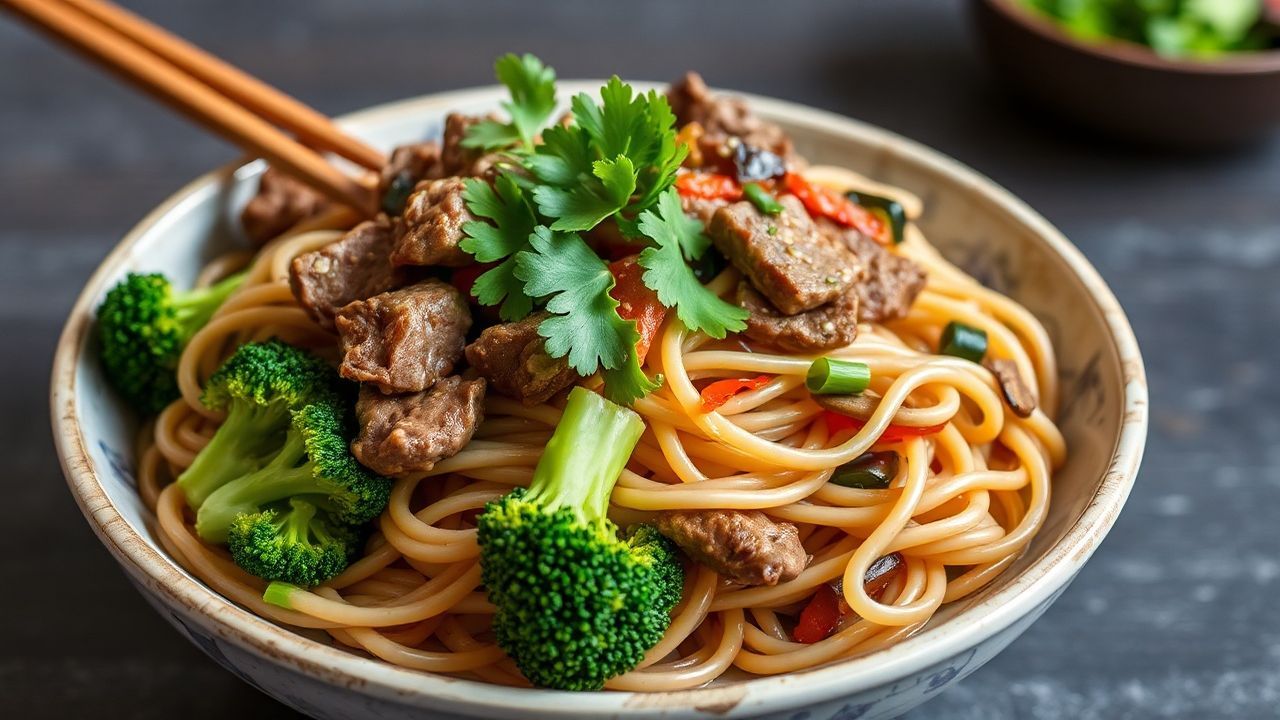

The Allure of the Wok’s Embrace: Mastering Pad See Ew with Beef and Chinese Broccoli
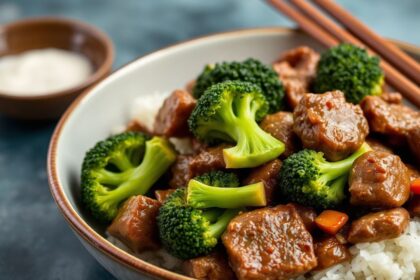
What truly elevates a seemingly simple noodle dish to the realm of culinary art? Have you ever experienced a dish where the char of the wok, the subtle sweetness of soy, and the satisfying chew of noodles converge in a symphony of flavors? Pad See Ew, a cornerstone of Thai street food and home cooking, embodies this very magic. Far more than just stir-fried noodles, this dish is proof of the power of elemental ingredients and precise technique, a culinary dance orchestrated by the intense heat of the wok. At its heart, Pad See Ew is a celebration of contrasting textures and deeply savory notes, where tender slices of beef meld with the slightly bitter crunch of Chinese broccoli (gai lan) and the distinctive, chewy width of fresh rice noodles. Achieving that coveted “wok hei” – the breath of the wok – is the elusive goal, a smoky, caramelized essence that transforms ordinary ingredients into something extraordinary. This is not merely a recipe; it is an exploration into the soul of a beloved Thai classic, an invitation to unlock its secrets and bring its vibrant, comforting essence to your own kitchen.
- The Allure of the Wok’s Embrace: Mastering Pad See Ew with Beef and Chinese Broccoli
- Deconstructing the Essence: Essential Ingredients
- For the Savory Beef & Marinade:
- For the Noodles & Vegetables:
- For the Signature Sauce:
- For Stir-Frying:
- The Art of Preparation: A Step-by-Step Journey to Wok Perfection
- Step-by-Step Method:
- Marinate the Beef:
- Prepare the Noodles:
- Mix the Sauce:
- Prepare the Vegetables and Aromatics:
- Heat the Wok:
- Sear the Beef:
- Sauté Aromatics and Vegetables:
- Cook the Egg:
- Combine and Sauce:
- Final Assembly and Serve:
- Nutritional Profile: A Glimpse into the Plate
- Elevating the Experience: Pro-Tips for Restaurant-Quality Pad See Ew
- Conclusion: A Bowl of Comfort and Culinary Mastery
- Frequently Asked Questions (FAQ)
At a Glance: Key Takeaways for Perfect Pad See Ew
- Wok Hei is paramount: Achieving high heat and rapid cooking is crucial for that signature smoky char.
- Noodle Preparation is key: Fresh, wide rice noodles are ideal; proper separation prevents clumping.
- Ingredient Balance: The interplay between savory, sweet, and slightly bitter elements is essential.
- Beef Marinade: Tenderizing and flavoring the beef beforehand elevates the entire dish.
The history of Pad See Ew is deeply rooted in the vibrant street food culture of Thailand, a dish born out of necessity and ingenuity. Its name, literally translating to “fried with soy sauce,” hints at its fundamental components. While its origins are intertwined with Chinese culinary influences, particularly the stir-frying techniques and use of soy sauce, Pad See Ew has evolved into a distinctly Thai creation, adapted to local palates and available ingredients. The use of wide, flat rice noodles, known as sen yai, is a defining characteristic, providing a satisfyingly chewy texture that readily absorbs the rich sauce. This dish, often found alongside Pad Thai and Khao Pad (fried rice) at bustling night markets, offers a comforting, hearty meal that is both accessible and deeply satisfying. Its widespread popularity is proof of its enduring appeal, a simple yet profound expression of Thai culinary philosophy.
Deconstructing the Essence: Essential Ingredients
Crafting an authentic and delicious Pad See Ew hinges on the quality and specific characteristics of each ingredient. This is not a dish where substitutions are always advisable, as each component matter significantly in the final flavor and texture profile. The goal is to achieve a harmonious balance, where no single element overpowers the others, but rather contributes to a complex and satisfying whole. Understanding the nuances of each ingredient is the first step towards mastering this beloved stir-fry.
For the Savory Beef & Marinade:
- Beef Sirloin or Flank Steak: 250 grams (approx. 8.8 oz), thinly sliced against the grain. This cut offers a good balance of tenderness and flavor.
- Soy Sauce (Light): 1 tablespoon. Provides the foundational salty, umami base.
- Dark Soy Sauce: 1 teaspoon. Adds a deeper color and a hint of molasses-like sweetness.
- Oyster Sauce: 1 tablespoon. Crucial for its complex savory notes and slight thickening property.
- White Pepper: ½ teaspoon. A subtle warmth that complements the beef.
- Cornstarch: 1 teaspoon. Helps to tenderize the beef and create a velvety coating.
- Sesame Oil: ½ teaspoon. For an aromatic finish.
For the Noodles & Vegetables:
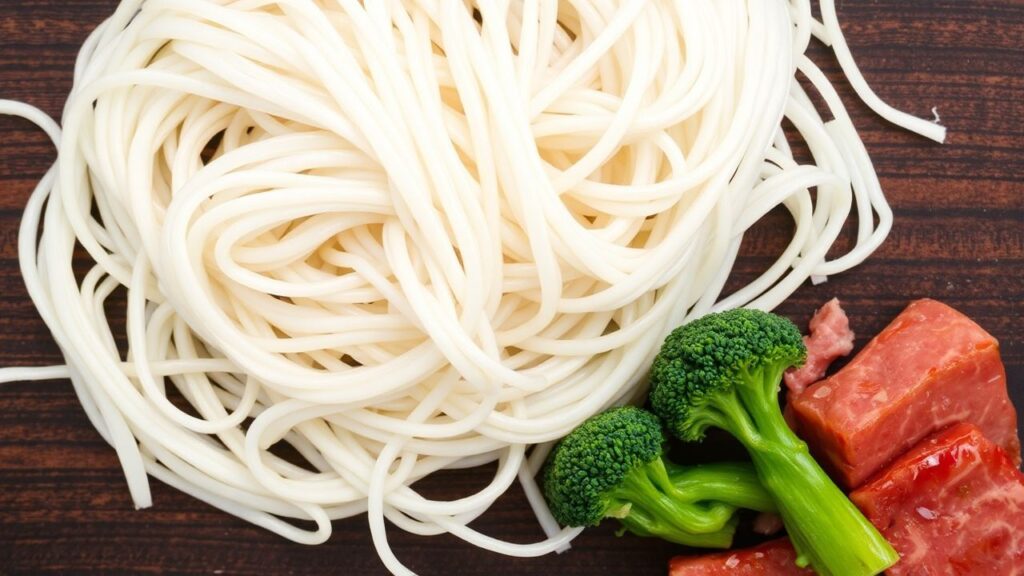
- Fresh Wide Rice Noodles (Sen Yai): 400 grams (approx. 14 oz). These are crucial for the signature chewy texture. If using dried, prepare according to package instructions, ensuring they are still slightly firm to the bite.
- Chinese Broccoli (Gai Lan): 250 grams (approx. 8.8 oz), trimmed and cut into bite-sized pieces. The stalks should be separated from the leaves, as they require slightly different cooking times.
- Garlic: 3-4 cloves, minced. The aromatic backbone of many stir-fries.
- Egg: 1 large, lightly beaten. Adds richness and binds some of the ingredients together.
For the Signature Sauce:
- Soy Sauce (Light): 2 tablespoons.
- Dark Soy Sauce: 1 tablespoon. For color and depth.
- Oyster Sauce: 2 tablespoons.
- Sugar: 1-2 teaspoons (adjust to taste). Balances the saltiness and adds a touch of sweetness.
- White Vinegar: 1 teaspoon. A subtle acidity to cut through the richness.
For Stir-Frying:
- Vegetable Oil or Lard: 2-3 tablespoons. Lard can impart a wonderful richness, reminiscent of traditional street food.
The choice of beef is paramount. While sirloin or flank steak are excellent, a well-marbled chuck roast, thinly sliced, can also yield tender results if cooked quickly over high heat. The key is to slice against the grain to ensure maximum tenderness. For the noodles, fresh sen yai are undeniably superior. Their inherent moisture and elasticity contribute significantly to the dish’s characteristic chew. If fresh noodles are unavailable, reconstituting dried wide rice noodles requires careful attention; they should be slightly undercooked to prevent them from becoming mushy during the stir-fry. Chinese broccoli, or gai lan, provides a welcome textural contrast with its crisp stalks and tender leaves, offering a pleasant, mild bitterness that balances the sweetness of the sauce. Its slightly earthy notes are a perfect counterpoint to the richness of the beef and noodles.
The Art of Preparation: A Step-by-Step Journey to Wok Perfection
Achieving restaurant-quality Pad See Ew at home is a journey that demands precision, speed, and an understanding of heat management. The preparation of each component must be meticulously organized, as the actual stir-frying process is remarkably swift. A well-executed Pad See Ew is proof of the cook’s ability to harmonize these elements in a matter of minutes, transforming raw ingredients into a cohesive and deeply flavorful masterpiece. The intensity of the wok is the conductor of this culinary orchestra, and each step is designed to contribute to its crescendo.
Step-by-Step Method:
-
Marinate the Beef:
In a medium bowl, combine the thinly sliced beef with light soy sauce, dark soy sauce, oyster sauce, white pepper, cornstarch, and sesame oil. Toss thoroughly to ensure each slice is coated. Let it marinate for at least 15 minutes at room temperature, or up to 30 minutes in the refrigerator. This step is crucial for tenderizing the beef and infusing it with flavor.
-
Prepare the Noodles:
If using fresh rice noodles, gently separate them. They can sometimes clump together. If they are slightly stiff, you can briefly microwave them for 15-20 seconds or steam them for a minute to make them more pliable. If using dried noodles, cook them according to package directions until they are al dente (firm to the bite). Drain them thoroughly and toss with a teaspoon of oil to prevent sticking. This ensures they don’t break apart during the stir-fry.
-
Mix the Sauce:
In a small bowl, whisk together the light soy sauce, dark soy sauce, oyster sauce, sugar, and white vinegar. Set aside. Having the sauce pre-mixed is vital for the rapid stir-frying process.
-
Prepare the Vegetables and Aromatics:
Ensure your Chinese broccoli is washed, trimmed, and cut into bite-sized pieces, separating the tougher stalks from the more tender leaves. Mince the garlic finely. Lightly beat the egg in a small bowl.
-
Heat the Wok:
Place a wok or a large, heavy-bottomed skillet over high heat. Allow it to become smoking hot. This is the most critical step for achieving “wok hei.” Add 1-2 tablespoons of oil (or lard) and swirl to coat the surface. The oil should shimmer and begin to smoke lightly.
-
Sear the Beef:
Carefully add the marinated beef to the searing hot wok in a single layer. Do not overcrowd the wok; cook in batches if necessary. Stir-fry for 1-2 minutes until the beef is just browned and cooked through. Remove the beef from the wok and set aside. Overcooking at this stage will result in tough meat.
-
Sauté Aromatics and Vegetables:
Add another tablespoon of oil to the wok if needed. Add the minced garlic and stir-fry for about 15-20 seconds until fragrant, being careful not to burn it. Add the Chinese broccoli stalks and stir-fry for 1-2 minutes until they begin to soften. Then, add the Chinese broccoli leaves and stir-fry for another minute until they are wilted but still vibrant green.
-
Cook the Egg:
Push the vegetables to one side of the wok. Pour the beaten egg into the empty space. Let it cook for about 30 seconds until it begins to set, then scramble it lightly with your spatula. Once cooked, break it up and mix it with the vegetables.
-
Combine and Sauce:
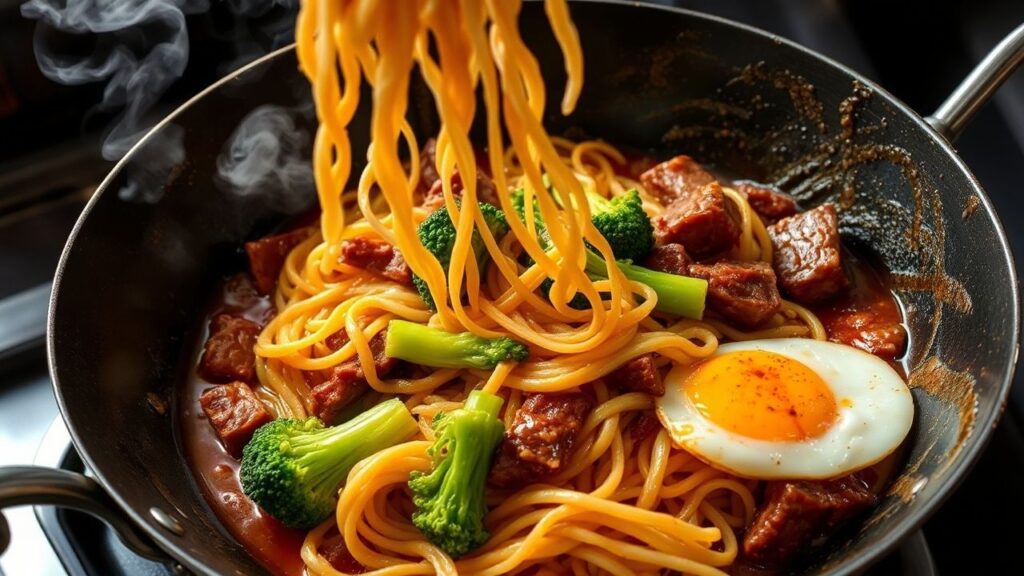
Add the separated rice noodles to the wok. Pour the pre-mixed sauce evenly over the noodles. Gently toss and stir-fry for 2-3 minutes, ensuring the noodles are well coated and beginning to caramelize. The sauce should thicken and cling to the noodles. This is where the magic happens, as the noodles begin to absorb the flavors and develop that characteristic char.
-
Final Assembly and Serve:
Return the seared beef to the wok. Toss everything together for another minute to heat through. Taste and adjust seasoning if necessary – a splash more soy sauce for saltiness or a pinch of sugar for sweetness. Serve immediately, piping hot, garnished with a sprinkle of white pepper if desired.
The separation of the Chinese broccoli into stalks and leaves is a subtle but significant detail. The tougher stalks require a head start in the wok to ensure they achieve the perfect tender-crisp texture without becoming mushy. The leaves, which cook much faster, are added later to retain their vibrant color and slight crunch. This methodical approach to vegetable cooking mirrors the precision found in many high-end Asian cuisines, where even the simplest dishes benefit from careful attention to detail. The technique of pushing ingredients to the side to cook the egg is a classic stir-fry maneuver, allowing the egg to cook quickly and evenly without being overwhelmed by the other components.
Nutritional Profile: A Glimpse into the Plate
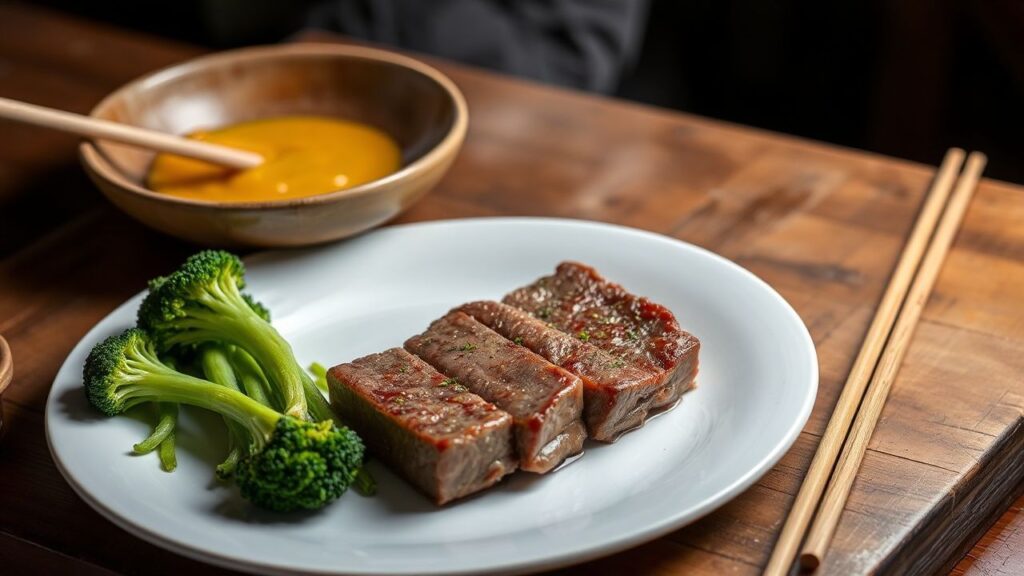
While Pad See Ew is undeniably a treat for the senses, understanding its nutritional composition offers valuable insight for those mindful of their dietary intake. Keep in mind that variations in ingredients and portion sizes can significantly alter these figures. This analysis provides a general overview, assuming a standard serving of the beef and Chinese broccoli variation.
Approximate Nutritional Information Per Serving (1/2 of recipe):
| Nutrient | Amount |
|---|---|
| Calories | 650-750 kcal |
| Protein | 25-30g |
| Fat | 30-40g |
| Saturated Fat | 8-12g |
| Carbohydrates | 60-70g |
| Fiber | 3-5g |
| Sugar | 8-12g |
| Sodium | 1200-1800mg (can vary greatly depending on soy sauce) |
The calorie count for Pad See Ew is primarily derived from the combination of rice noodles, beef, and the oils used for stir-frying. The protein content is substantial, thanks to the inclusion of beef, which also contributes iron and other essential micronutrients. The fat content, while seemingly high, is largely influenced by the cooking oil and the natural fats present in the beef. Opting for leaner cuts of beef and being judicious with oil can help manage this aspect. Carbohydrates come predominantly from the rice noodles, providing essential energy. The sugar content, though present, is typically balanced by the savory elements, and its amount can be further controlled by adjusting the sugar in the sauce. Sodium levels can be a concern due to the generous use of soy sauce; using reduced-sodium soy sauce is a practical strategy for those monitoring their intake.
The Chinese broccoli contributes valuable vitamins and minerals, including Vitamin C, Vitamin K, and folate, along with dietary fiber. While not a primary source of micronutrients, its inclusion adds a healthy dimension to the dish. The egg provides a good source of protein and choline. When considering the overall healthfulness of Pad See Ew, it’s a dish that offers a satisfying balance of macronutrients, with the potential for refinement through ingredient selection and portion control. For instance, a study published in the *Journal of the Academy of Nutrition and Dietetics* highlighted how traditional street food dishes, when prepared with mindful ingredient choices (e.g., reduced sodium, leaner proteins), can be integrated into a balanced diet.
Elevating the Experience: Pro-Tips for Restaurant-Quality Pad See Ew
Transforming your home-cooked Pad See Ew from good to exceptional requires an understanding of the subtle techniques that chefs employ. These are the nuances that separate a competent stir-fry from a truly memorable one, the elements that capture the essence of authentic Thai street food. Mastering these tips will elevate your dish, imbuing it with that elusive “wow” factor.
The quality of your sauces is paramount. While store-bought options are convenient, exploring artisanal soy sauces and oyster sauces can make a significant difference. Many Thai home cooks and street vendors use specific brands that contribute a unique flavor profile. Furthermore, consider the ratio of sweet to salty in your sauce. Pad See Ew traditionally leans towards a savory-sweet balance, with the dark soy sauce providing both color and a mellow sweetness that complements the saltiness of the light soy and oyster sauce. Tasting and adjusting the sauce before adding it to the wok is a non-negotiable step for achieving perfect flavor harmony.
The texture of the noodles is another critical element. Fresh, wide rice noodles are the gold standard, offering a delightful chewiness. However, if you must use dried, ensure they are only par-cooked. Overcooked noodles will break apart and become mushy during the stir-fry, ruining the dish’s characteristic texture. A common mistake is to overcook them in the initial boiling stage. They should still have a firm bite, as they will continue to cook in the wok with the sauce. Think of it as a gentle finishing process rather than a primary cooking stage.
The addition of a small amount of sugar is not merely for sweetness; it matter significantly in caramelization. As the sugar hits the hot wok, it melts and caramelizes, contributing to the glossy sheen and the slightly smoky, toasty notes that define Pad See Ew. Experiment with different types of sugar; palm sugar can add a more complex, caramel-like depth. When the noodles are added, allow them to sit in the wok for a moment or two before tossing, enabling them to develop a slight char. This is where the magic of the “wok hei” truly manifests, creating those delightful crispy edges that are so sought after.
For an authentic touch, consider adding a small amount of Chinese cooking wine (Shaoxing wine) to the beef marinade. It adds another layer of aromatic complexity. While not strictly traditional in all Pad See Ew recipes, it’s a technique that can enhance the overall flavor profile. Similarly, a tiny pinch of MSG (monosodium glutamate) can amplify the umami notes, a practice common in many authentic Asian cuisines, though it’s entirely optional based on personal preference.
Conclusion: A Bowl of Comfort and Culinary Mastery
Pad See Ew, with its comforting blend of textures and deeply satisfying savory flavors, is more than just a meal; it’s an experience. It’s a dish that embodies the spirit of Thai street food – accessible, flavorful, and profoundly comforting. By understanding the role of each ingredient, mastering the high-heat technique of the wok, and paying attention to the subtle nuances of flavor and texture, you can recreate this beloved classic in your own kitchen with remarkable authenticity. The journey from raw ingredients to a perfectly wok-kissed plate of Pad See Ew is a rewarding one, proof of the power of simple elements brought together with skill and passion. It’s a dish that invites you to explore the vibrant culinary landscape of Thailand, one delicious bite at a time.
Frequently Asked Questions (FAQ)
What are the best noodles to use for Pad See Ew?
The ideal noodles for Pad See Ew are fresh, wide, flat rice noodles, known in Thai as sen yai. Their soft, chewy texture is crucial for the dish’s signature mouthfeel. They absorb the sauce beautifully and develop a slight char when stir-fried at high heat. If fresh noodles are unavailable, you can use dried wide rice noodles, but they must be cooked carefully according to package directions until they are al dente (firm to the bite). Overcooking dried noodles will result in them breaking apart and becoming mushy during the stir-fry.
How can I achieve “wok hei” at home?
“Wok hei,” the elusive smoky aroma and flavor imparted by a searing hot wok, is the hallmark of great stir-fried dishes. To achieve this at home: use a carbon steel wok if possible, as it heats quickly and evenly. Ensure your stove can produce high heat. Preheat the wok until it’s smoking hot before adding oil. Do not overcrowd the wok; cook in batches to maintain high temperatures. Allow ingredients to sear without excessive stirring, letting them develop that characteristic char. The rapid cooking process at high heat creates the flavorful Maillard reaction and slight charring that defines wok hei.
Can I make Pad See Ew with different proteins or vegetables?
Absolutely! While beef and Chinese broccoli are a classic combination, Pad See Ew is incredibly versatile. You can substitute the beef with thinly sliced chicken, pork, shrimp, or even firm tofu for a vegetarian option. For vegetables, besides Chinese broccoli, you can incorporate other sturdy greens like bok choy, gai lan’s cousin, or even broccolini. The key is to ensure that your protein is tender and your vegetables retain some crispness after stir-frying. Always adjust cooking times accordingly for different proteins and vegetables.
See also: Pad See Ew