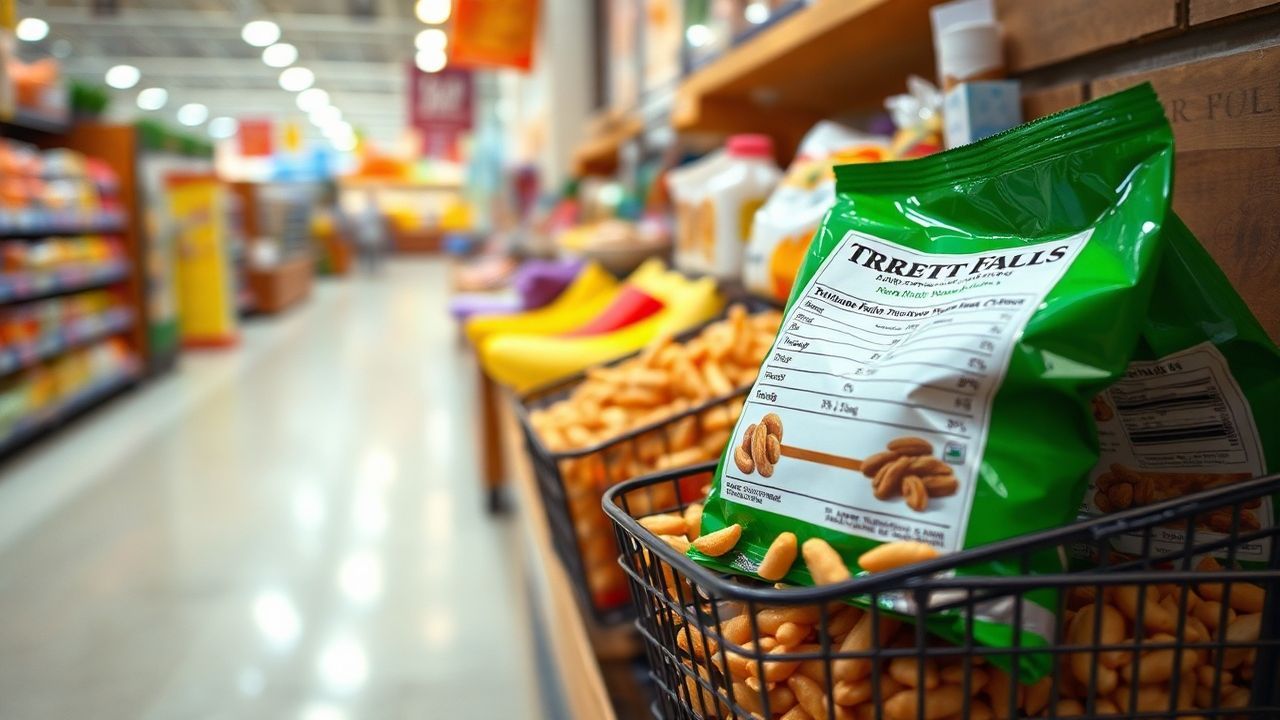

Navigating grocery aisles with tree nut allergies requires a sharp eye and informed decision-making. Every package tells a story, and for those with allergies, understanding its narrative is paramount. This guide empowers you to decode food labels, transforming them from potential minefields into reliable allies. Mastering this skill is your first line of defense, ensuring every meal is safe and enjoyable. Welcome to your essential toolkit for allergy safety.
- Understanding the Basics of Tree Nut Allergies
- The Importance of Label Reading for Allergy Safety
- Common Tree Nuts to Identify
- Decoding Less Obvious Nut Ingredients
- Understanding Cross-Contamination Warnings
- Strategies for Effective Label Decoding
- Step 1: Prioritize the “Contains” Statement
- Step 2: Scrutinize the Full Ingredient List
- Step 3: Recognize Hidden Nut Ingredients
- Step 4: Evaluate Cross-Contamination Notices Carefully
- Step 5: Master Ingredient Aliases and Related Terms
- Practical Tips for Allergy-Safe Shopping and Eating
- Nutritional Snapshot of Common Tree Nuts
- Q&A: Mastering Food Labels for Allergy Safety
- Q1: Why is mastering food labels so important for people with tree nut allergies?
- Q2: What are tree nuts, and how do they differ from peanuts?
- Q3: What should I look for on food labels to identify tree nuts?
- Q4: Are “natural flavors” or “spices” safe terms for those with tree nut allergies?
- Q5: How reliable are precautionary allergen labels like “may contain”?
- Q6: Can cross-contact happen even if tree nuts are not listed as ingredients?
- Q7: What tips can help turn food label reading into a quick and effective habit?
- Q8: Are there apps or tools that can help allergy sufferers decode labels?
- Q9: What should you do if you’re unsure about a label?
- Q10: How can parents and caregivers teach children to master food labels?
- Wrapping Up: Your Guide to Allergy-Safe Eating
For individuals managing tree nut allergies, the grocery store becomes a complex landscape. Each food label is a critical piece of information, dictating safety and well-being. This guide, Tree Nut Alert: Mastering Food Labels for Allergy Safety, is designed to equip you with the knowledge to confidently identify hidden allergens and mitigate risks. Whether you’re a parent safeguarding your child or an individual managing your own health, understanding label nuances is key.
- Core Principle: Always scrutinize ingredient lists and allergen statements.
- Hidden Dangers: Be aware of less common names for tree nuts and cross-contamination warnings.
- Proactive Approach: Contact manufacturers when in doubt to confirm ingredient safety.
- Empowerment: Label mastery turns food anxiety into confident, safe eating.
Understanding the Basics of Tree Nut Allergies
Tree nut allergies affect a significant portion of the population, with reactions ranging from mild discomfort to life-threatening anaphylaxis. Unlike common food allergies, tree nuts encompass a broad category of ingredients derived from trees. This necessitates a thorough understanding of what constitutes a tree nut and how it might appear on a food label.
Recognizing the diverse forms tree nuts can take is fundamental. Common culprits like almonds, walnuts, and cashews are often explicitly listed, but less obvious derivatives and processed forms require diligent attention. This foundational knowledge is the first step in building a robust allergy management strategy.
The Importance of Label Reading for Allergy Safety
Food labels are legally mandated to declare major allergens. For tree nut allergies, this means specific ingredients must be highlighted. However, the complexity arises from various naming conventions and the potential for cross-contamination, making vigilant label reading non-negotiable.
This vigilance protects against accidental ingestion, which can have severe health consequences. By consistently applying label-reading skills, individuals can significantly reduce their exposure risk and gain greater control over their dietary choices. It’s a proactive measure that ensures well-being and peace of mind.
Common Tree Nuts to Identify
Identifying the most prevalent tree nuts is crucial for immediate recognition on ingredient lists. These are the nuts most frequently encountered in food products and are subject to specific labeling requirements in many regions.
Familiarizing yourself with this core group—almonds, walnuts, cashews, pistachios, hazelnuts, pecans, Brazil nuts, and macadamia nuts—forms the bedrock of your label-reading strategy. Knowing these names allows for quick scanning of ingredient panels.
Decoding Less Obvious Nut Ingredients
Beyond the whole nuts, many processed ingredients can contain tree nut derivatives. These require a deeper dive into ingredient lists, as they might not be immediately recognizable as nut-based.
Look out for terms like marzipan (almond paste), praline, baklava, and various nut butters. These often imply the presence of specific tree nuts and should be treated with the same caution as direct nut listings. Understanding these aliases is key to comprehensive label interpretation.
Understanding Cross-Contamination Warnings
Perhaps one of the most critical aspects of label reading involves precautionary statements. These are designed to inform consumers about potential, unintentional exposure to allergens.
Phrases such as “May contain traces of nuts,” “Processed in a facility that also processes tree nuts,” or “Made on equipment shared with tree nuts” are vital warnings. They indicate a risk of cross-contact, even if the nut is not an intended ingredient.
Strategies for Effective Label Decoding
Effective label decoding involves a systematic approach. It’s not just about spotting keywords but understanding the context and potential implications of each ingredient and statement.
Develop a routine for checking labels every time you purchase a product, even if you’ve bought it before, as formulations can change. This consistent practice builds a strong habit for allergy safety.
Step 1: Prioritize the “Contains” Statement
Most regulatory bodies mandate a clear allergen declaration, often in a dedicated “Contains” statement. This is your quickest reference point for major allergens.
Look for explicit mentions of “tree nuts” or specific tree nut names. This statement is designed for rapid identification and should always be the first element you check on any packaged food.
Step 2: Scrutinize the Full Ingredient List
While the “Contains” statement is helpful, it’s not exhaustive. The full ingredient list provides a more detailed breakdown of all components, including those that might be less obvious.
Scan this list meticulously for any mention of tree nuts, even under less common or technical names. This thoroughness ensures no potential allergen is overlooked.
Step 3: Recognize Hidden Nut Ingredients
Certain ingredients can mask the presence of tree nuts. These are often used for flavor, texture, or as emulsifiers and binders.
Be wary of terms like “natural flavors,” “hydrolyzed vegetable protein,” or “nut oils” (e.g., almond oil). If a label includes these and you are unsure, it is always best to contact the manufacturer directly to clarify the source of these ingredients.
Step 4: Evaluate Cross-Contamination Notices Carefully
The statements regarding shared facilities or equipment are crucial for understanding indirect risks. These notices are not to be ignored, as cross-contact can be a significant threat.
When faced with such warnings, assess your personal risk tolerance and the severity of your allergy. For highly sensitive individuals, products with clear “nut-free” certifications may be the safest choice.
Step 5: Master Ingredient Aliases and Related Terms
Beyond direct nut names, be aware of ingredients that are derived from or closely associated with tree nuts. These might include certain extracts or flavorings.
For instance, while peanuts are legumes, their potential for cross-contamination with tree nuts means vigilance is still necessary. Similarly, though coconut is botanically a fruit, it can sometimes trigger reactions in individuals with tree nut allergies, necessitating careful consideration.
Practical Tips for Allergy-Safe Shopping and Eating
Implementing label-reading skills in real-world scenarios makes a significant difference. Practical strategies can streamline the process and enhance safety.
This includes planning your shopping trips, organizing your pantry, and communicating your needs effectively when dining out.
Shopping Strategies for Allergy Safety
When grocery shopping, stick to familiar brands whose labels you have thoroughly reviewed and trust. This reduces the need for constant re-evaluation of well-known products.
Avoid bulk bins or unpackaged goods where cross-contamination is highly probable. Opt for pre-packaged items with clear sealing, ensuring product integrity from the manufacturer to your home.
Meal Planning and Preparation
Planning your meals in advance allows you to research ingredients and recipes thoroughly. This proactive approach minimizes last-minute decisions that could lead to accidental exposure.
When preparing food, dedicate separate utensils, cutting boards, and storage containers for allergy-safe meals to prevent cross-contact within your own kitchen.
Dining Out with Confidence
Communicating your allergy needs clearly and confidently to restaurant staff is essential. Don’t hesitate to ask detailed questions about ingredients and preparation methods.
Understand that even seemingly simple dishes can contain hidden nuts in sauces, dressings, or marinades. Empower yourself with knowledge to make informed choices when eating outside the home.
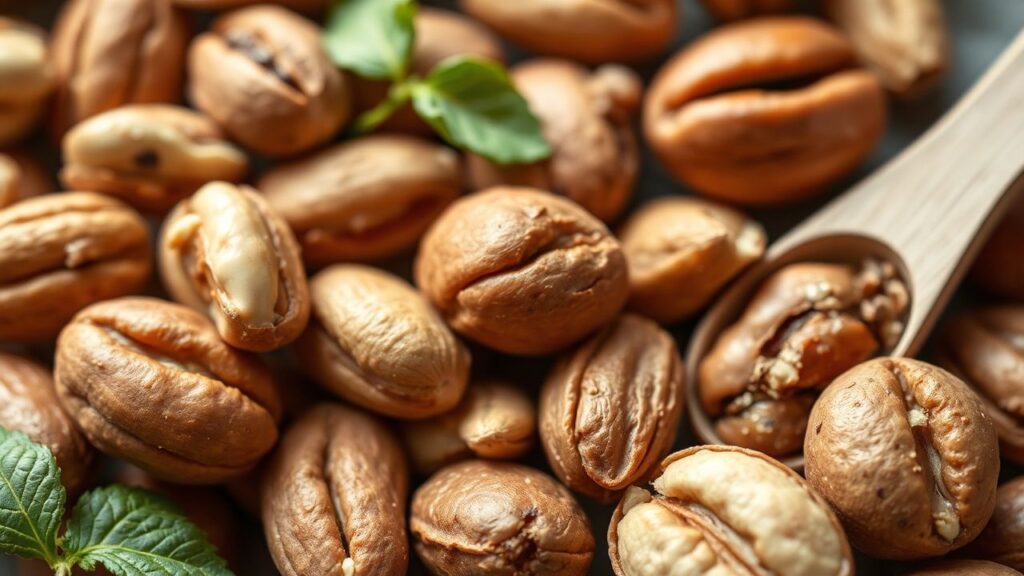
Nutritional Snapshot of Common Tree Nuts
While the primary concern is allergy, understanding the general nutritional profile of tree nuts can be informative. This data is typically found on nutrition facts labels and provides context about macronutrient content.
However, for individuals with tree nut allergies, this nutritional information is secondary to allergen declarations. The focus must remain on identifying and avoiding the allergenic components.
| Nut Type | Calories (per oz) | Protein (g) | Carbs (g) | Fat (g) |
|---|---|---|---|---|
| Almonds | 164 | 6 | 6 | 14 |
| Cashews | 157 | 5 | 9 | 12 |
| Walnuts | 185 | 4 | 4 | 18 |
| Pistachios | 159 | 6 | 8 | 13 |
For comprehensive resources on managing food allergies, consult the FDA’s Food Allergens Guidance, which provides detailed information on labeling laws and allergen control.
Q&A: Mastering Food Labels for Allergy Safety
Q1: Why is mastering food labels so important for people with tree nut allergies?
For those with tree nut allergies, even a tiny trace can trigger serious reactions. Food labels are the frontline defense, offering crucial clues about hidden ingredients and cross-contamination risks. Mastering them means transforming label-reading from a chore into a superpower that ensures safety and peace of mind. It’s about proactively managing health.
Q2: What are tree nuts, and how do they differ from peanuts?
Tree nuts grow on trees—think almonds, walnuts, cashews, and pecans. Peanuts, however, are legumes that grow underground. Both can cause severe allergic reactions, but labels often differentiate between them. Knowing this distinction helps accurately interpret allergen warnings and ensure appropriate precautions are taken.
Q3: What should I look for on food labels to identify tree nuts?
Scan the ingredient list for common tree nuts by name: almond, brazil nut, cashew, hazelnut, macadamia, pecan, pine nut, pistachio, and walnut. Also, watch for phrases like “may contain tree nuts” or “processed in a facility that also processes tree nuts,” which signal potential cross-contact. These statements are critical for risk assessment.
Q4: Are “natural flavors” or “spices” safe terms for those with tree nut allergies?
Not always. These umbrella terms can sometimes hide allergens because manufacturers aren’t required to specify exact components. If you spot vague descriptions like “natural flavors” or “spices,” proceed with caution and consider reaching out to the manufacturer for clarity. Transparency is key when managing severe allergies.
Q5: How reliable are precautionary allergen labels like “may contain”?
Precautionary labels are voluntary and inconsistent, so they can’t always be trusted blindly. Some brands use them sparingly and meaningfully, while others apply them broadly to avoid liability. Building a relationship with trusted brands and doing a little research can improve safety decisions. Always cross-reference with manufacturer contact if possible.
Q6: Can cross-contact happen even if tree nuts are not listed as ingredients?
Absolutely. Cross-contact occurs when tree nuts accidentally mix with other foods during processing or packaging. That’s why statements about shared equipment or facilities matter—they warn you about unseen risks lurking behind the scenes. Vigilance extends beyond the explicit ingredient list.
Q7: What tips can help turn food label reading into a quick and effective habit?
Develop a checklist: identify tree nut names, glance for precautionary statements, spot ambiguous terms, and know your trusted brands. Keep scanning consistent and patient—your safety depends on it. Over time, label reading becomes as instinctive as scanning a barcode, a vital skill for daily life.
Q8: Are there apps or tools that can help allergy sufferers decode labels?
Yes! Several apps allow you to scan barcodes and instantly see allergen alerts, including tree nuts. These tools can be lifesavers, especially when navigating new or unfamiliar products, but always double-check and stay informed—technology supplements, not replaces, vigilance. They are excellent aids.
Q9: What should you do if you’re unsure about a label?
When in doubt, don’t risk it. Contact the manufacturer for information, avoid consuming the product, or choose a clearly labeled alternative. Your health and safety are worth the extra caution. This principle of “when in doubt, go without” is paramount.
Q10: How can parents and caregivers teach children to master food labels?
Start early with simple, fun lessons identifying tree nuts on labels. Use games and real-life shopping practice to build confidence. Empower kids by explaining the importance and equipping them with questions to ask adults if unsure. Mastering labels becomes a lifelong skill that encourages independence and safety.
Wrapping Up: Your Guide to Allergy-Safe Eating
Mastering food labels is an art and a science—a vital skill that transforms anxiety into empowerment for anyone navigating tree nut allergies. With practice, vigilance, and a dash of curiosity, you’ll turn every label into a trusted guide on your safe eating journey.
Navigating the world of food labels can feel like decoding a secret language, especially when tree nuts are involved. But with a keen eye and a bit of savvy, mastering these labels turns from a challenge into a powerful tool for allergy safety. Remember, each ingredient list is a map guiding you away from hidden dangers and toward peace of mind. Armed with knowledge and vigilance, you can confidently enjoy your meals while keeping tree nut allergies firmly in check. Stay informed, stay safe, and let every label be a stepping stone to worry-free eating.

See also: tree nut allergy