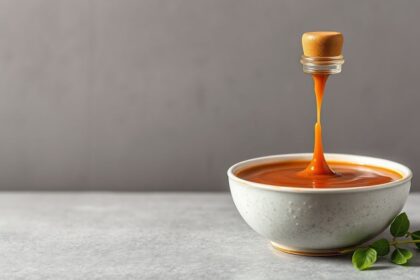

“The magic of tahini lies not just in its earthy depth, but in its transformative power. It’s the alchemical bridge between simple ingredients and culinary brilliance.” – Yotam Ottolenghi
- The Genesis of Tahini: From Seed to Sauce
- The Essential Foundation: A Master Tahini Sauce Recipe
- Unlocking Versatility: 7 Essential Tahini Sauce Applications
- 1. The Classic Dip for Falafel and Mezze Platters
- 2. A Luscious Dressing for Salads and Grain Bowls
- 3. A Flavorful Marinade for Grilled Meats and Vegetables
- 4. A Creamy Spread for Sandwiches and Wraps
- 5. The Secret Ingredient in Soups and Stews
- 6. A Binder for Veggie Burgers and Patties
- 7. A Versatile Drizzle for Roasted and Grilled Vegetables
- Expert Insights: Elevating Your Tahini Sauce Game
- Troubleshooting Common Tahini Sauce Issues
- Nutritional Profile of Tahini Sauce
- Beyond the Basics: Flavor Variations to Explore
- Spicy Tahini Sauce
- Herbed Tahini Sauce
- Sweetened Tahini Sauce
- Garlic-Heavy Tahini Sauce
- Smoky Tahini Sauce
- The Cultural Significance of Tahini
- Frequently Asked Questions
Tahini sauce, a staple in Middle Eastern and Mediterranean cuisines, is far more than just a condiment; it’s a flavor foundation, a culinary chameleon capable of elevating everything from humble falafel to sophisticated roasted vegetables. Its creamy texture and distinct nutty profile, derived from ground sesame seeds, offer a depth of flavor that is both comforting and complex. While readily available in stores, mastering the homemade version unlocks a new dimension of taste and control over ingredients, allowing for subtle customization that store-bought alternatives simply cannot match. This guide explores the art and science of creating the perfect tahini sauce, its core components, essential techniques, and versatile applications.
The true beauty of tahini sauce is its inherent adaptability. It is proof of how a few fundamental ingredients, when treated with respect and understanding, can yield infinite culinary possibilities.
The Genesis of Tahini: From Seed to Sauce
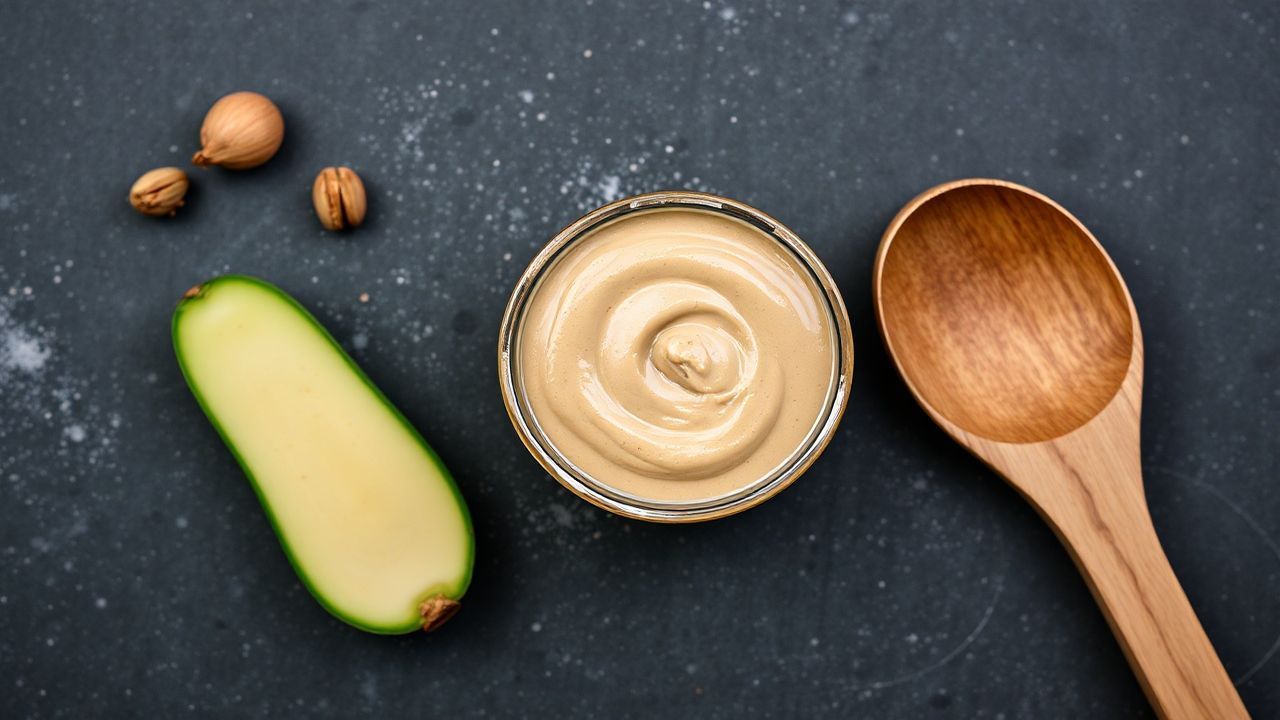
Before we can craft the perfect tahini sauce, it’s crucial to understand its primary ingredient: tahini itself. Tahini is essentially a paste made from hulled, toasted sesame seeds that have been ground to an ultra-smooth consistency. The quality of your tahini paste will directly impact the final sauce. High-quality tahini is typically pale beige, smooth, and has a rich, slightly bitter, nutty aroma. The toasting process of the sesame seeds is a critical step; it develops the characteristic depth of flavor. Unhulled sesame seeds yield a coarser, darker, and more bitter tahini, often referred to as whole tahini, which can be used for different culinary purposes but is generally not the preferred base for a delicate sauce.
The transformation of tahini paste into a sauce involves a few key additions: liquid, acid, and seasoning. Water is the most common liquid, used to achieve the desired consistency. Lemon juice provides the essential tang, cutting through the richness of the sesame and brightening the overall flavor profile. Garlic, minced or grated, adds a pungent warmth, while salt is indispensable for enhancing all the other flavors. These core components form the bedrock of almost every tahini sauce recipe, but their proportions and the addition of other elements allow for incredible variation.
The Essential Foundation: A Master Tahini Sauce Recipe
Achieving an exceptional tahini sauce is straightforward when you understand the fundamental ratios and techniques. This recipe provides a robust starting point, designed for maximum flavor and a luxurious texture.
Ingredients:
- 1 cup (240ml) high-quality tahini paste
- 1/2 cup (120ml) cold water, plus more as needed
- 1/4 cup (60ml) fresh lemon juice (from about 1-2 lemons)
- 1-2 cloves garlic, finely minced or grated into a paste
- 1/2 teaspoon sea salt, or to taste
- Optional: Pinch of cumin for added warmth
Preparation Method:
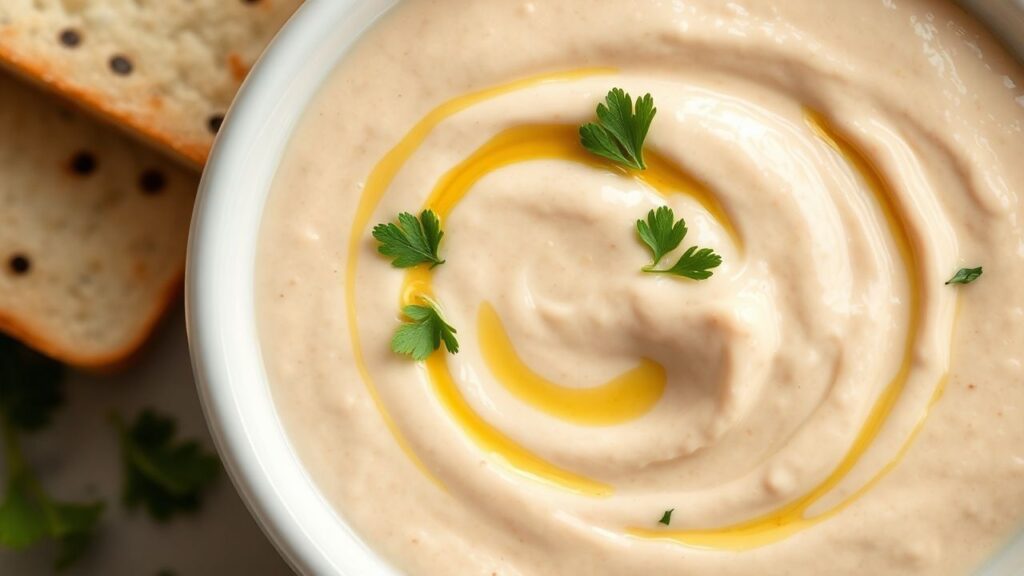
1. Combine the Paste and Aromatics: In a medium bowl, combine the tahini paste, minced garlic, and salt. If using cumin, add it now. Stir vigorously with a whisk or fork to combine. The mixture will likely thicken considerably at this stage, becoming quite stiff. This is normal. 2. Introduce the Acid: Add the fresh lemon juice to the bowl. Continue to stir. The mixture may seize up further and become even thicker or crumbly. Keep stirring; the acid helps to emulsify the tahini. 3. Emulsify with Water: Gradually add the cold water, about 1-2 tablespoons at a time, while whisking continuously. Patience and consistent whisking are key. As you incorporate the water, the sauce will begin to transform from a thick paste into a smooth, creamy emulsion. Continue adding water until you reach your desired consistency.
For a dipping sauce, a thicker consistency is ideal, while for dressing, you might prefer it thinner. 4. Taste and Adjust: Once the sauce is smooth and has reached your preferred consistency, taste it. Adjust the salt and lemon juice as needed. If you prefer a stronger garlic flavor, add more minced garlic or a touch of garlic powder. If the sauce tastes too sharp, a tiny pinch of sugar or a bit more water can temper the acidity.
Chef’s Notes on Technique:
- Cold Water is Key: Using cold water helps emulsify the tahini paste and prevents it from becoming oily. Warm liquids can cause the oils in the sesame seeds to separate more readily.
- Garlic Paste: For a more subtle and even garlic flavor, mash the garlic cloves with a pinch of salt and a tiny bit of lemon juice using the side of your knife or a mortar and pestle to create a smooth paste before adding it to the tahini. This breaks down the garlic’s structure and distributes its flavor more uniformly.
- Whisking Power: A good whisk is essential. Vigorous and consistent whisking creates a beautiful, stable emulsion. If you find it difficult to achieve the desired smoothness, a small immersion blender or a food processor can be used briefly, but be careful not to over-process, which can make the sauce gummy.
Unlocking Versatility: 7 Essential Tahini Sauce Applications
The beauty of homemade tahini sauce lies in its remarkable versatility. It’s a foundational element that can be adapted to a vast array of culinary creations.
1. The Classic Dip for Falafel and Mezze Platters
This is perhaps the most iconic use of tahini sauce. Its creamy, tangy profile perfectly complements crispy, savory falafel. It also serves as an excellent accompaniment to a diverse mezze spread, including hummus, baba ghanoush, tabbouleh, and stuffed grape leaves. The richness of the tahini sauce cuts through the often-oily nature of fried mezze items, providing a refreshing counterpoint.
2. A Luscious Dressing for Salads and Grain Bowls
Thinned with a little extra water or olive oil, tahini sauce transforms into a vibrant and nutrient-dense salad dressing. It pairs exceptionally well with hearty greens, roasted vegetables like sweet potatoes and cauliflower, and grains such as quinoa or farro. Its protein and healthy fat content also make it a satisfying dressing that can turn a simple salad into a complete meal. Research published in the *Journal of Nutrition* has highlighted the health benefits of sesame seed consumption, noting their contribution of beneficial fatty acids and antioxidants.
3. A Flavorful Marinade for Grilled Meats and Vegetables
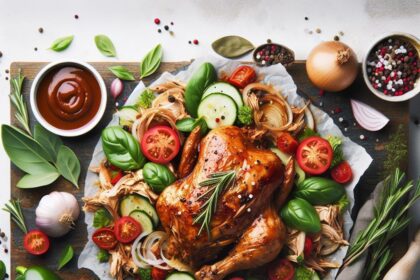
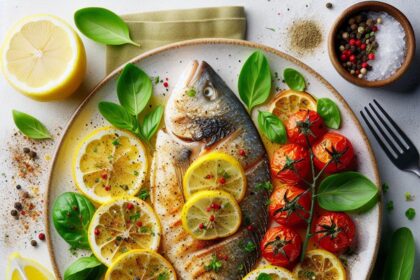
The acidity from the lemon juice in tahini sauce makes it an effective marinade. It tenderizes proteins and infuses them with a delightful nutty, zesty flavor. Marinate chicken, fish, lamb, or firm vegetables like eggplant and zucchini for at least 30 minutes before grilling or roasting. The toasted sesame notes add a unique complexity that sets it apart from traditional marinades.
4. A Creamy Spread for Sandwiches and Wraps
Forget bland mayonnaise. A generous smear of tahini sauce on your sandwich or wrap adds a sophisticated flavor dimension. It’s particularly delicious with grilled chicken, roasted vegetables, or even a simple falafel sandwich. It provides moisture and a rich, savory base that enhances other fillings.
5. The Secret Ingredient in Soups and Stews
A spoonful or two of tahini sauce stirred into the end of a hearty lentil soup, a vegetable stew, or even a creamy tomato soup can add incredible depth of flavor and a velvety texture. It imparts a subtle nuttiness and a luxurious mouthfeel without overpowering the other ingredients. This technique is common in many North African cuisines, where tahini is often used to enrich stews.
6. A Binder for Veggie Burgers and Patties
When creating homemade vegetarian or vegan burgers, tahini sauce can act as an excellent binder. It helps hold together ingredients like mashed beans, grains, and vegetables, while also contributing to a delicious flavor profile. It’s a healthier and more flavorful alternative to eggs or commercial binders.
7. A Versatile Drizzle for Roasted and Grilled Vegetables
Simply drizzled over roasted Brussels sprouts, broccoli, asparagus, or grilled corn, tahini sauce adds a final flourish of flavor and creaminess. It elevates simple side dishes into something truly special. The heat from roasting or grilling caramelizes the sugars in the vegetables, creating a beautiful contrast with the cool, tangy tahini sauce.
Expert Insights: Elevating Your Tahini Sauce Game
To truly master tahini sauce, moving beyond the basic recipe requires an understanding of nuanced techniques and ingredient pairings.
Troubleshooting Common Tahini Sauce Issues
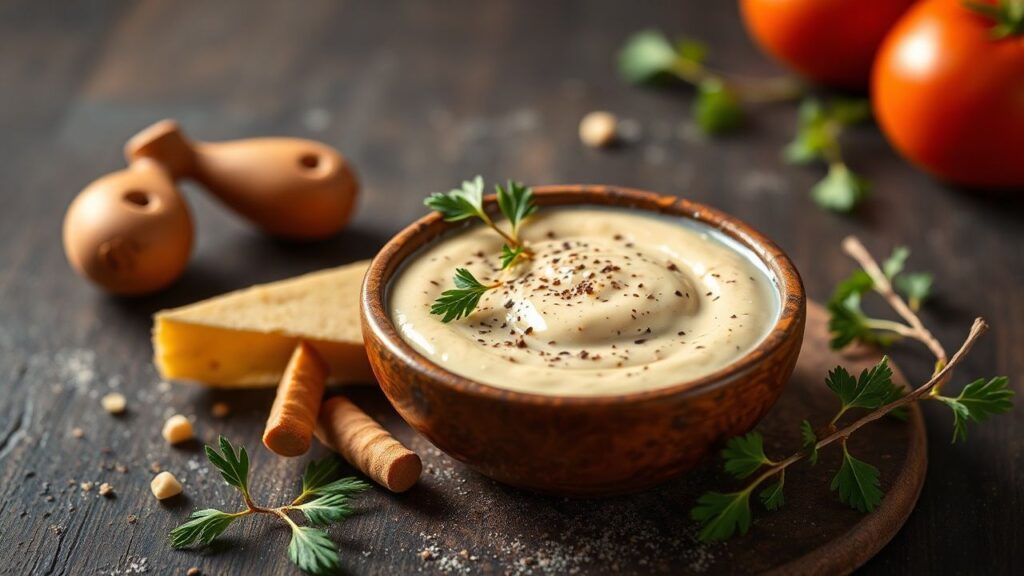
Even with the best intentions, sometimes tahini sauce doesn’t turn out quite right. Understanding common pitfalls can help you achieve perfection.
The Sauce is Too Thick or Seized Up
This is often due to adding liquid too quickly or not whisking enough. If your sauce is too thick, continue to add cold water, a teaspoon at a time, whisking vigorously after each addition until it reaches your desired consistency. Patience is key. Sometimes, the tahini itself can be particularly thick, requiring a bit more liquid than usual.
The Sauce is Oily or Separated
Separation usually occurs when the oil from the sesame seeds rises to the surface. This can happen if the water used was too warm, or if the sauce wasn’t emulsified properly. If this happens, try whisking vigorously again. You can also try adding a tiny bit more lemon juice or a small splash of water while whisking. If the separation is significant, you might need to start over with fresh tahini, ensuring you use cold water and whisk consistently from the beginning. A study in *Food Chemistry* explored the emulsification properties of tahini, highlighting the importance of the protein and polysaccharide content in stabilizing the oil-in-water emulsion.
Nutritional Profile of Tahini Sauce
Tahini sauce, when made with its core ingredients, offers a decent nutritional profile. Sesame seeds are a good source of healthy fats, protein, fiber, and various micronutrients, including calcium, iron, and magnesium.
Per Serving (approx. 2 tablespoons, based on master recipe):
- Calories: 120-150 (depending on exact quantities and tahini brand)
- Fat: 10-13g (primarily monounsaturated and polyunsaturated)
- Saturated Fat: 1-2g
- Cholesterol: 0mg
- Sodium: 150-250mg (adjustable with salt)
- Carbohydrates: 4-6g
- Fiber: 1-2g
- Protein: 3-5g
- Calcium: May provide a small percentage of daily recommended intake.
- Iron: May provide a small percentage of daily recommended intake.
Keep in mind that these are approximate values. The nutritional content can vary significantly based on the specific brand of tahini used, the amount of water and lemon juice, and the addition of any optional ingredients. For individuals managing specific dietary needs, it’s advisable to calculate the nutritional information based on the exact ingredients and quantities used.
Beyond the Basics: Flavor Variations to Explore
Once you’ve mastered the foundational tahini sauce, the world of flavor combinations opens up. Experimenting with additions can lead to unique and delightful sauces.
Spicy Tahini Sauce
Add a pinch of cayenne pepper, a dash of hot sauce, or a finely minced jalapeño pepper to the basic recipe. This adds a pleasant kick that pairs wonderfully with grilled meats or as a dip for spicy snacks.
Herbed Tahini Sauce
Incorporate finely chopped fresh herbs like parsley, cilantro, mint, or dill. This adds a fresh, aromatic dimension. This variation is fantastic drizzled over grilled fish or as a vibrant dressing for a summer salad.
Sweetened Tahini Sauce
For a dessert application or a sweet-savory balance, a touch of honey, maple syrup, or agave nectar can be added. This is excellent drizzled over fruit salads, pancakes, or even as a glaze for roasted sweet potatoes.
Garlic-Heavy Tahini Sauce
If you’re a garlic aficionado, double the amount of garlic or consider roasting the garlic cloves before mincing them. Roasted garlic offers a sweeter, mellower, yet still potent garlic flavor.
Smoky Tahini Sauce
Add a teaspoon of smoked paprika or a few drops of liquid smoke for a deep, smoky undertone. This variation is particularly good with grilled vegetables or as a marinade for plant-based proteins.
The Cultural Significance of Tahini
Tahini is deeply woven into the culinary tapestry of the Middle East and North Africa, with its origins tracing back thousands of years. Sesame cultivation in the region is ancient, and the practice of grinding sesame seeds into a paste for culinary use likely emerged alongside it. Historical texts and archaeological findings suggest that tahini-like pastes were consumed by ancient civilizations. Its widespread adoption is proof of its versatility, nutritional value, and the ease with which it can be cultivated in the region’s climate. In many cultures, tahini is not just food; it’s a symbol of hospitality and a cornerstone of celebratory meals. The United Nations’ Food and Agriculture Organization (FAO) recognizes sesame as one of the world’s oldest cultivated oilseed crops, underscoring its long-standing importance.
Frequently Asked Questions
H3: What is the difference between tahini and tahini sauce?
Tahini is the base ingredient, a paste made from ground sesame seeds. Tahini sauce is a preparation that uses tahini as its primary component, mixed with liquids (like water), acid (like lemon juice), and seasonings (like garlic and salt) to create a creamy, pourable condiment. Think of tahini as flour, and tahini sauce as bread – one is the essential building block for the other.
H3: How long does homemade tahini sauce last in the refrigerator?
Properly stored homemade tahini sauce can last in an airtight container in the refrigerator for about 5 to 7 days. The lemon juice and salt act as natural preservatives, but it’s always best to check for any signs of spoilage, such as an off smell or changes in texture, before consuming it after a few days.
H3: Can I make tahini sauce without lemon juice?
While lemon juice is essential for the classic tang and emulsification of tahini sauce, you can substitute it with other acids if necessary. White vinegar or apple cider vinegar can be used, but start with a smaller amount as they can be more potent. The flavor profile will be slightly different, but it will still provide the necessary acidity to balance the richness of the tahini.
H3: Why is my tahini sauce bitter?
Bitterness in tahini sauce can stem from a few sources. Firstly, the quality of your tahini paste is paramount. If the sesame seeds were over-toasted during production, or if the tahini is old, it can develop a bitter taste. Secondly, using unhulled sesame seeds will result in a more bitter tahini. Lastly, sometimes the ratio of ingredients can contribute; a very high concentration of tahini relative to liquid and acid can sometimes accentuate its natural bitterness. Adjusting with a touch more lemon juice or a tiny pinch of sugar can sometimes help, but the best solution is usually to start with high-quality tahini.
H3: Can I freeze tahini sauce?
While technically possible, freezing tahini sauce is generally not recommended as it can negatively affect its texture. The emulsion may break upon thawing, resulting in an oily or separated sauce that can be difficult to re-emulsify. It’s best to make smaller batches of tahini sauce and store it fresh in the refrigerator.
See also: Tahini