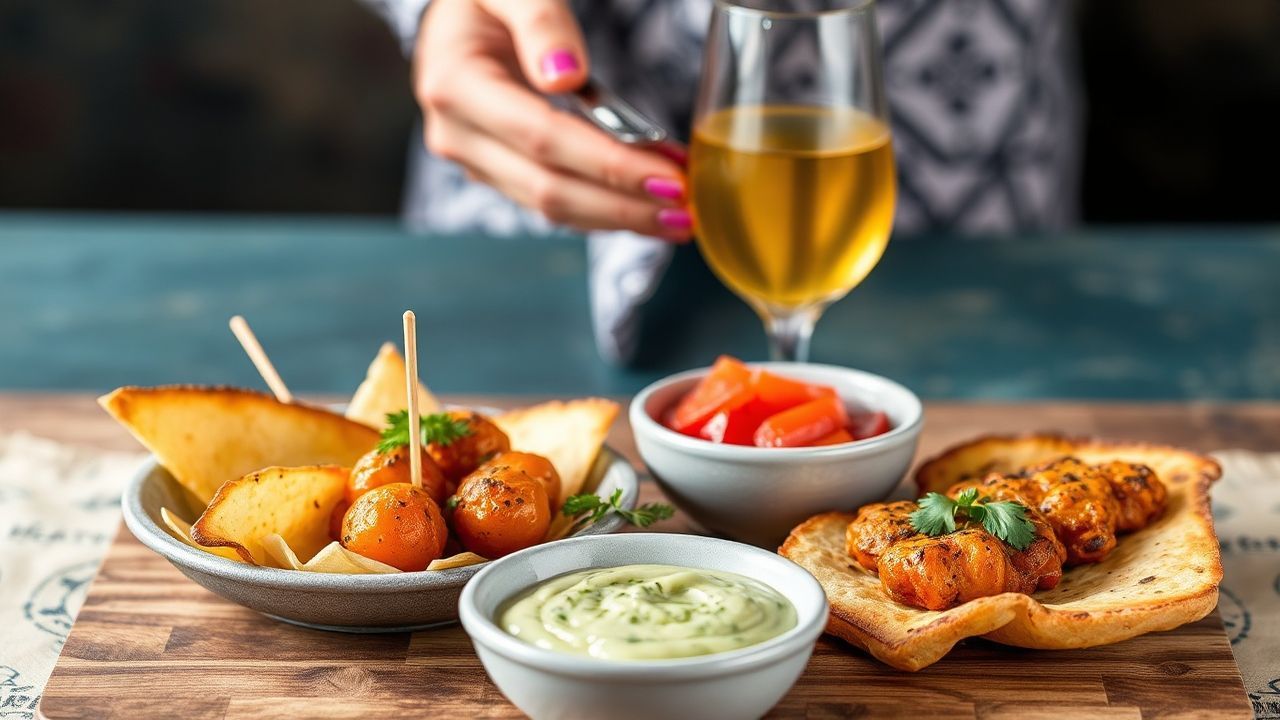

Appetizers are the overture to any memorable meal, setting the tone and sparking anticipation. In the vibrant tapestry of Middle Eastern cuisine, these small bites are not mere preludes; they are protagonists in their own right, bursting with centuries of history, regional diversity, and unparalleled flavor. From the bustling souks of Marrakech to the elegant dinner tables of Beirut, these culinary gems offer a passport to a world of taste.
- The Allure of Middle Eastern Appetizers
- 1. Hummus: The Undisputed King
- 2. Baba Ghanoush: The Smoky Sibling
- 3. Tabbouleh: The Refreshing Herb Salad
- 4. Falafel: The Crispy Delight
- 5. Kibbeh: The Stuffed Semolina Jewel
- 6. Muammara: The Spicy Pepper Delight
- 7. Stuffed Grape Leaves (Dolmades/Warak Enab)
- 8. Fattoush: The Crusty Bread Salad
- 9. Labneh Balls: The Tangy Cheese Bites
- 10. Spicy Roasted Almonds with Za’atar
- Elevating Your Middle Eastern Appetizer Spread
- Frequently Asked Questions
- What are the key ingredients in most Middle Eastern appetizers?
- How can I make my hummus smoother?
- Can I prepare these appetizers in advance?
- What is za’atar and how is it used?
- What is the best way to serve a Middle Eastern appetizer spread?
The art of the *mezze* – a selection of small dishes served as appetizers or a light meal – is deeply ingrained in Middle Eastern hospitality. It’s a tradition that fosters conviviality, encouraging guests to share, converse, and savor a symphony of textures and aromas. For anyone looking to host a party that transcends the ordinary, mastering a selection of authentic Middle Eastern appetizers is transformative. This guide explores ten indispensable offerings, each proof of the region’s rich culinary heritage, designed to impress your guests and elevate your gathering.
Middle Eastern appetizers are more than just starters; they are a celebration of shared culinary heritage, a vibrant prelude that sets the stage for conviviality and delight.
The Allure of Middle Eastern Appetizers
The intrinsic appeal of Middle Eastern appetizers lies in their remarkable diversity and the balance of flavors they achieve. They often showcase a masterful interplay of fresh herbs, warming spices, tangy citrus, creamy dairy, and savory legumes. Unlike Western appetizers that might lean towards single, dominant flavors, Middle Eastern small plates excel in offering a complex yet harmonious palette. This complexity is rooted in the region’s historical trade routes, which brought together ingredients and culinary techniques from across Asia, Africa, and Europe. The emphasis on fresh, seasonal ingredients, coupled with time-honored preparation methods, results in dishes that are both comforting and exotic.
A 2019 study published in the *Journal of Ethnic Foods* highlighted the increasing global popularity of Middle Eastern cuisine, attributing it to its perceived health benefits and complex flavor profiles. This growing interest underscores the perfect timing for hosts to incorporate these dishes into their entertaining repertoire. The sheer variety ensures that there’s something to tantalize every palate, from the adventurous eater to the more discerning guest.
1. Hummus: The Undisputed King
No discussion of Middle Eastern appetizers is complete without paying homage to hummus. This creamy, chickpea-based dip is a global phenomenon for good reason. Its smooth texture, subtle garlicky undertones, and nutty tahini base make it incredibly versatile. The key to exceptional hummus lies in the quality of its ingredients and meticulous preparation.
Ingredients:
- 2 cups (400g) cooked chickpeas, drained (reserve liquid)
- 1/4 cup (60ml) tahini (sesame paste)
- 2-3 cloves garlic, minced
- 1/4 cup (60ml) fresh lemon juice (adjust to taste)
- 2 tablespoons extra virgin olive oil, plus more for drizzling
- 1/2 teaspoon ground cumin
- Salt to taste
- Pinch of paprika or sumac for garnish
- Fresh parsley, chopped, for garnish
Preparation Method:
1. Puree Tahini and Garlic: In a food processor, combine the tahini and minced garlic. Process for 1 minute until smooth and creamy. Scrape down the sides of the bowl. 2. Add Lemon Juice and Olive Oil: Add the lemon juice and 2 tablespoons of olive oil to the tahini mixture. Process for another minute until well combined. 3. Incorporate Chickpeas: Add half of the cooked chickpeas to the food processor. Process until smooth, scraping down the sides as needed. Add the remaining chickpeas and continue processing until the hummus is exceptionally smooth and creamy. If the hummus is too thick, add a tablespoon or two of the reserved chickpea liquid or cold water until the desired consistency is reached. 4. Season: Stir in the cumin and salt to taste. Process briefly to combine. 5. Serve: Spoon the hummus into a shallow serving bowl.
Create a well in the center and drizzle generously with extra virgin olive oil. Garnish with a pinch of paprika or sumac and chopped fresh parsley.
Nutritional Info (per serving, approx. 1/4 cup): Calories: 180-200, Protein: 6-8g, Fat: 10-12g, Carbohydrates: 15-18g.
2. Baba Ghanoush: The Smoky Sibling
Baba Ghanoush, or eggplant caviar, offers a delightful smoky counterpoint to hummus. Its rich, velvety texture and deep, earthy flavor are achieved through the roasting of eggplant until tender and slightly charred. This charring is crucial for developing its signature smoky aroma.
Ingredients:
- 2 large eggplants (about 1.5 lbs / 700g total)
- 1/4 cup (60ml) tahini
- 2 cloves garlic, minced
- 1/4 cup (60ml) fresh lemon juice
- 2 tablespoons extra virgin olive oil, plus more for drizzling
- Salt to taste
- Pomegranate seeds for garnish (optional)
- Fresh parsley, chopped, for garnish
Preparation Method:
1. Roast Eggplant: Preheat your oven to 400°F (200°C). Pierce the eggplants several times with a fork. Place them directly on the oven rack or on a baking sheet lined with parchment paper. Roast for 45-60 minutes, or until the skins are blackened and the flesh is very soft and collapsed. 2. Steam and Peel: Once roasted, carefully remove the eggplants from the oven. Place them in a bowl, cover tightly with plastic wrap, and let them steam for about 15 minutes. This helps loosen the skins. When cool enough to handle, halve the eggplants and scoop out the flesh, discarding the skins. Drain the flesh in a sieve for about 10-15 minutes to remove excess moisture. 3. Puree Eggplant: Transfer the drained eggplant flesh to a food processor. Add the tahini, minced garlic, lemon juice, 2 tablespoons of olive oil, and salt to taste. Process until smooth and creamy.
If the mixture is too thick, add a tablespoon of water or reserved chickpea liquid (if you also made hummus). 4. Serve: Spoon the baba ghanoush into a serving dish. Drizzle generously with olive oil and garnish with pomegranate seeds and chopped parsley.
Nutritional Info (per serving, approx. 1/4 cup): Calories: 170-190, Protein: 4-6g, Fat: 10-12g, Carbohydrates: 10-12g.
3. Tabbouleh: The Refreshing Herb Salad
Tabbouleh is a quintessential Levantine salad, celebrated for its vibrant freshness and herbaceous punch. Far from being just a side dish, it stands proudly as a star appetizer, its finely chopped parsley and mint offering a palate-cleansing contrast to richer dips. The bulgur wheat provides a delightful textural element.
Ingredients:
- 1 cup (180g) fine bulgur wheat
- 2 cups (480ml) boiling water
- 3 bunches fresh parsley, finely chopped (about 3 cups packed)
- 1 bunch fresh mint, finely chopped (about 1 cup packed)
- 1/2 cup (120ml) fresh lemon juice
- 1/4 cup (60ml) extra virgin olive oil
- 1/2 cup (80g) finely diced tomatoes
- 1/4 cup (40g) finely diced red onion
- Salt and freshly ground black pepper to taste
Preparation Method:
1. Soak Bulgur: Place the fine bulgur in a medium bowl. Pour the boiling water over it, stir, cover, and let it stand for 20-30 minutes, or until the water is absorbed and the bulgur is tender. Drain any excess water by pressing the bulgur against the side of the bowl with a spoon or by transferring it to a fine-mesh sieve.
2. Combine Ingredients: In a large bowl, combine the soaked bulgur with the finely chopped parsley, mint, diced tomatoes, and diced red onion.
3. Dress the Salad: In a small bowl, whisk together the lemon juice, olive oil, salt, and pepper. Pour the dressing over the bulgur mixture and toss gently to combine.
4. Chill and Serve: For best flavor, cover and refrigerate for at least 30 minutes to allow the flavors to meld. Taste and adjust seasoning before serving.
Nutritional Info (per serving, approx. 1/2 cup): Calories: 150-170, Protein: 3-4g, Fat: 8-10g, Carbohydrates: 15-18g.
4. Falafel: The Crispy Delight
These deep-fried chickpea fritters are a beloved street food and a party favorite. Their crispy exterior gives way to a fluffy, herb-infused interior, making them utterly irresistible. The secret to perfect falafel lies in using dried chickpeas (soaked overnight) rather than canned, which contain too much moisture.
Ingredients:
- 2 cups (360g) dried chickpeas, soaked overnight and drained
- 1/2 cup (75g) chopped fresh parsley
- 1/2 cup (75g) chopped fresh cilantro
- 1/4 cup (40g) finely chopped yellow onion
- 2 cloves garlic, minced
- 1 teaspoon ground cumin
- 1 teaspoon ground coriander
- 1/2 teaspoon baking soda
- Salt and freshly ground black pepper to taste
- Vegetable oil for frying
Preparation Method:
1. Process Chickpea Mixture: In a food processor, combine the drained, soaked chickpeas with parsley, cilantro, onion, garlic, cumin, coriander, salt, and pepper. Pulse until the mixture is finely ground but not a paste – it should have some texture. 2. Chill the Dough: Transfer the mixture to a bowl, stir in the baking soda, cover, and refrigerate for at least 30 minutes (or up to 2 hours). This chilling step is crucial for the falafel to hold their shape during frying. 3. Fry the Falafel: Heat about 2 inches of vegetable oil in a deep pot or Dutch oven to 350°F (175°C). Using a falafel scoop or two spoons, shape the mixture into small patties or balls. Carefully place 4-5 falafel into the hot oil, being careful not to overcrowd the pot. Fry for 3-5 minutes per side, or until golden brown and cooked through. 4.
Drain and Serve: Remove the falafel with a slotted spoon and drain on a wire rack set over paper towels. Serve hot.
Nutritional Info (per serving, 3 falafel): Calories: 250-300, Protein: 8-10g, Fat: 15-20g, Carbohydrates: 20-25g.
5. Kibbeh: The Stuffed Semolina Jewel
Kibbeh is a complex and deeply satisfying dish, often considered the national dish of Lebanon and Syria. It involves a delicate shell made from bulgur and fine meat, encasing a spiced, savory filling. While traditionally fried, baked versions are also popular for parties.
Ingredients:
- For the Shell:
- 2 cups (360g) fine bulgur wheat
- 1 lb (450g) lean ground lamb or beef
- 1/2 cup (120ml) ice water
- 1/4 cup (30g) finely chopped yellow onion
- 1 teaspoon salt
- 1/2 teaspoon black pepper
- 1/4 teaspoon allspice
- For the Filling:
- 1 lb (450g) ground lamb or beef
- 1 large yellow onion, finely chopped
- 2 tablespoons olive oil
- 1/2 teaspoon allspice
- 1/2 teaspoon cinnamon
- 1/4 teaspoon nutmeg
- Salt and pepper to taste
- 1/4 cup (30g) toasted pine nuts (optional)
Preparation Method:
1. Prepare the Filling: Heat olive oil in a skillet over medium heat. Add the chopped onion and sauté until softened and translucent. Add the ground meat and cook, breaking it up with a spoon, until browned. Drain off any excess fat. Stir in the allspice, cinnamon, nutmeg, salt, and pepper. Cook for another 2 minutes. If using, stir in the toasted pine nuts. Let the filling cool completely. 2. Prepare the Shell: Rinse the bulgur wheat in a fine-mesh sieve under cold water. Place it in a large bowl and cover with cold water. Let it soak for 20-30 minutes, then drain thoroughly by squeezing out as much water as possible. 3. Make the Kibbeh Dough: In a food processor, combine the drained bulgur, lean ground meat, finely chopped onion, salt, pepper, and allspice. Process until a smooth, cohesive dough forms. You may need to do this in batches.
The consistency should be like a firm dough. If it’s too dry, add a tablespoon of ice water at a time; if too wet, add a little more bulgur. 4. Shape the Kibbeh: Divide the dough into equal portions. Take one portion and flatten it in your palm. Create a hollow in the center. Fill with about 1-2 tablespoons of the cooled meat filling. Carefully seal the dough around the filling, shaping it into a football or oval shape. Ensure there are no cracks. Repeat with the remaining dough and filling. 5. Cook the Kibbeh: For fried kibbeh, heat 2-3 inches of vegetable oil in a deep pot to 350°F (175°C). Fry the kibbeh in batches for 5-7 minutes, or until golden brown and cooked through. For baked kibbeh, preheat your oven to 400°F (200°C). Arrange the shaped kibbeh in a greased baking dish. Score the tops lightly.
Bake for 25-30 minutes, or until golden brown and cooked through.
Nutritional Info (per serving, 2 fried kibbeh): Calories: 350-400, Protein: 20-25g, Fat: 20-25g, Carbohydrates: 20-25g.
6. Muammara: The Spicy Pepper Delight
Muammara is a flavorful dip from Aleppo, characterized by its vibrant red hue and a delightful balance of sweet, spicy, and nutty notes. It’s made primarily from roasted red peppers and walnuts, enhanced with pomegranate molasses and a hint of chili.
Ingredients:
- 2 large red bell peppers, roasted, peeled, and seeded
- 1 cup (120g) walnuts, toasted
- 1/4 cup (30g) breadcrumbs
- 2 tablespoons pomegranate molasses
- 1 tablespoon extra virgin olive oil
- 1 teaspoon red pepper flakes (adjust to taste)
- 1/2 teaspoon ground cumin
- Salt to taste
Preparation Method:
1. Process Ingredients: In a food processor, combine the roasted red peppers, toasted walnuts, breadcrumbs, pomegranate molasses, olive oil, red pepper flakes, cumin, and salt.
2. Puree to Desired Consistency: Process until the mixture is well combined and reaches your desired consistency. Some prefer it slightly chunky, while others like it smoother.
3. Chill and Serve: Transfer the muammara to a serving bowl. Drizzle with a little extra olive oil and garnish with a few whole walnuts or a sprinkle of red pepper flakes. Serve chilled or at room temperature.
Nutritional Info (per serving, approx. 1/4 cup): Calories: 180-200, Protein: 5-7g, Fat: 12-15g, Carbohydrates: 10-12g.
7. Stuffed Grape Leaves (Dolmades/Warak Enab)
These delicate parcels, often made with rice and herbs, are proof of the meticulous artistry of Middle Eastern cooking. The briny tang of the grape leaves perfectly complements the savory, slightly tart filling.
Ingredients:
- 1 jar (approx. 1 lb / 450g) brine-cured grape leaves, rinsed and drained
- 1 cup (180g) medium-grain rice, rinsed
- 1/4 cup (60ml) extra virgin olive oil, plus more for drizzling
- 1/4 cup (60ml) fresh lemon juice, plus more for serving
- 1/2 cup (75g) finely chopped fresh parsley
- 1/4 cup (40g) finely chopped fresh dill
- 1/4 cup (40g) finely chopped fresh mint
- 1/4 cup (40g) finely chopped yellow onion
- 1/2 teaspoon ground allspice
- Salt and freshly ground black pepper to taste
- Optional: 1/2 lb (225g) ground lamb or beef for a meatier version
Preparation Method:
1. Prepare the Filling: In a large bowl, combine the rinsed rice, olive oil, lemon juice, parsley, dill, mint, onion, allspice, salt, and pepper. If using meat, add it now and mix thoroughly. 2. Stuff the Grape Leaves: Lay a grape leaf flat, shiny side down, with the stem end towards you. Place about 1-2 tablespoons of the filling near the stem end. Fold the sides of the leaf inward over the filling, then tightly roll from the stem end upwards to form a neat, compact cylinder. 3. Arrange in Pot: Line the bottom of a heavy-bottomed pot or Dutch oven with any torn or imperfect grape leaves. Arrange the stuffed grape leaves snugly in layers, seam-side down, in the pot. 4. Cook the Dolmades: Pour enough water or a mixture of water and vegetable broth to just cover the grape leaves.
Place a heatproof plate directly on top of the stuffed leaves to keep them from unravelling during cooking. Bring to a simmer, then reduce heat to low, cover, and cook for 45-60 minutes, or until the rice is tender and the leaves are soft. 5. Chill and Serve: Let the dolmades cool in the pot for at least 30 minutes before serving. This allows them to firm up. Serve at room temperature or chilled, drizzled with a little extra olive oil and lemon juice.
Nutritional Info (per serving, 3 dolmades, vegetarian): Calories: 100-120, Protein: 2-3g, Fat: 6-8g, Carbohydrates: 10-12g.
8. Fattoush: The Crusty Bread Salad
Fattoush is a vibrant, refreshing salad that ingeniously incorporates toasted or fried pieces of pita bread. It’s a delightful mix of crisp lettuce, fresh vegetables, and a zesty sumac-lemon dressing, offering a wonderful textural contrast.
Ingredients:
- 1 head romaine lettuce, chopped
- 1 cucumber, diced
- 2 tomatoes, diced
- 1 green bell pepper, diced
- 1/2 red onion, thinly sliced
- 1/4 cup (30g) fresh mint, chopped
- 1/4 cup (30g) fresh parsley, chopped
- 1 piece of pita bread, cut into bite-sized pieces and toasted or fried until crisp
- For the Dressing:
- 1/4 cup (60ml) extra virgin olive oil
- 3 tablespoons fresh lemon juice
- 1 tablespoon sumac
- 1 teaspoon pomegranate molasses (optional)
- Salt and freshly ground black pepper to taste
Preparation Method:
1. Prepare the Salad Base: In a large bowl, combine the chopped romaine lettuce, diced cucumber, tomatoes, green bell pepper, sliced red onion, chopped mint, and parsley.
2. Make the Dressing: In a small bowl or jar, whisk together the olive oil, lemon juice, sumac, pomegranate molasses (if using), salt, and pepper until well combined.
3. Assemble: Just before serving, add the toasted or fried pita bread pieces to the salad. Pour the dressing over the salad and toss gently to coat. Serve immediately to prevent the pita from becoming soggy.
Nutritional Info (per serving, approx. 1 cup): Calories: 150-170, Protein: 3-4g, Fat: 9-11g, Carbohydrates: 15-18g.
9. Labneh Balls: The Tangy Cheese Bites
Labneh, a strained yogurt cheese, is a staple in Middle Eastern kitchens. When rolled into small balls and preserved in olive oil with herbs and spices, it transforms into an elegant and incredibly flavorful appetizer that’s both tangy and creamy.
Ingredients:
- 2 cups (480g) plain whole milk yogurt
- 1/2 teaspoon salt
- 1/4 cup (60ml) extra virgin olive oil, plus more for covering
- Optional additions for rolling: dried thyme, za’atar, chili flakes, crushed peppercorns, chopped fresh herbs
Preparation Method:
1. Strain the Yogurt: Line a fine-mesh sieve with cheesecloth or a clean kitchen towel. Place the sieve over a bowl. Spoon the yogurt into the lined sieve and stir in the salt. Cover and refrigerate for 24-48 hours, or until the yogurt has thickened considerably and most of the whey has drained out. The resulting strained yogurt is labneh. 2. Form the Balls: Once the labneh is thick, scoop it out into a clean bowl. If desired, mix in any optional additions like herbs or spices. Wet your hands slightly to prevent sticking. Roll small portions of the labneh into bite-sized balls. 3. Preserve in Olive Oil: Place the labneh balls into a clean glass jar. Pour enough extra virgin olive oil over them to completely cover. Ensure the balls are submerged. You can add more herbs or garlic cloves to the oil for extra flavor. 4.
Store and Serve: Seal the jar tightly and refrigerate. The labneh balls will keep for up to 2 weeks. Allow them to come to room temperature for about 15-20 minutes before serving. They are delicious served with bread or crackers.
Nutritional Info (per serving, 2 balls): Calories: 100-130, Protein: 5-7g, Fat: 8-10g, Carbohydrates: 3-5g.
10. Spicy Roasted Almonds with Za’atar
Sometimes, the simplest appetizers are the most impactful. These spiced almonds offer a delightful crunch and a burst of aromatic flavor from za’atar, a classic Middle Eastern herb blend.
Ingredients:
- 2 cups (250g) whole raw almonds
- 2 tablespoons extra virgin olive oil
- 1 tablespoon za’atar
- 1/2 teaspoon smoked paprika
- 1/4 teaspoon cayenne pepper (or to taste)
- Salt to taste
Preparation Method:
1. Preheat Oven: Preheat your oven to 350°F (175°C).
2. Season Almonds: In a bowl, toss the almonds with olive oil, za’atar, smoked paprika, cayenne pepper, and salt until evenly coated.
3. Roast: Spread the seasoned almonds in a single layer on a baking sheet. Roast for 10-15 minutes, stirring halfway through, until fragrant and lightly toasted. Be careful not to burn them.
4. Cool and Serve: Let the almonds cool completely on the baking sheet. They will become crispier as they cool. Serve at room temperature.
Nutritional Info (per serving, 1/4 cup): Calories: 200-220, Protein: 7-8g, Fat: 16-18g, Carbohydrates: 8-10g.
Elevating Your Middle Eastern Appetizer Spread
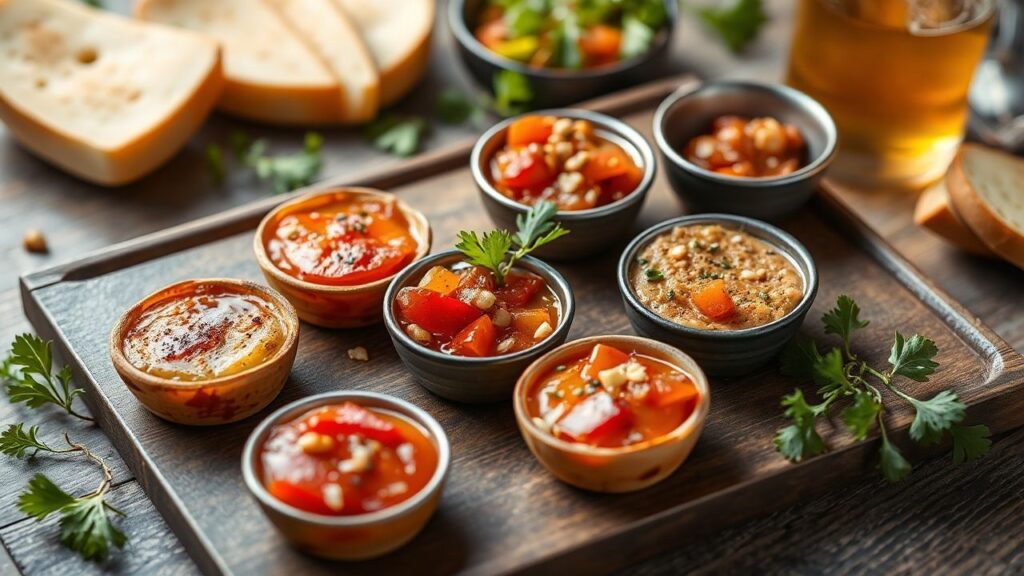
To truly capture the spirit of Middle Eastern hospitality, consider presenting a *mezze* style spread. This involves arranging a variety of these appetizers on platters, allowing guests to graze and sample different flavors. Ensure you provide ample fresh pita bread, both warm and soft, as well as crusty versions for dipping and scooping. A selection of olives, pickles, and a vibrant salad can further enhance the spread. Don’t forget a refreshing beverage; mint lemonade or iced hibiscus tea are excellent pairings.
The success of a Middle Eastern appetizer party lies not just in the recipes themselves, but in the abundance and generosity of the presentation. It’s about creating an atmosphere of warmth and shared enjoyment, where every bite tells a story.
Frequently Asked Questions
What are the key ingredients in most Middle Eastern appetizers?
Common staples include chickpeas, tahini, olive oil, fresh lemon juice, garlic, a variety of fresh herbs like parsley and mint, and warm spices such as cumin, coriander, and allspice. Vegetables like eggplant, tomatoes, cucumbers, and onions are also fundamental.
How can I make my hummus smoother?
For exceptionally smooth hummus, ensure you peel the chickpeas after cooking. Using a high-powered blender or food processor and gradually adding a little reserved chickpea liquid or cold water can also achieve a creamier texture.
Can I prepare these appetizers in advance?
Many Middle Eastern appetizers, such as hummus, baba ghanoush, muammara, and labneh balls, can be made a day or two in advance and stored in the refrigerator. Tabbouleh and fattoush are best assembled closer to serving time, though the components can be prepped. Falafel and kibbeh are best served fresh, but the dough for both can be prepared ahead and refrigerated.
What is za’atar and how is it used?
Za’atar is a Middle Eastern spice blend typically containing dried thyme, oregano, marjoram, sumac, and toasted sesame seeds. It has a tangy, herbaceous flavor and is used in dips, on bread, in marinades, and sprinkled over roasted dishes and appetizers like the spiced almonds.
What is the best way to serve a Middle Eastern appetizer spread?
The most authentic way is to present a *mezze* style spread with multiple small dishes. Arrange a variety of dips, salads, and small bites on platters, accompanied by plenty of fresh pita bread, olives, and pickles. This encourages interaction and allows guests to explore different flavors and textures.

See also: Appetizers