
As the summer sun ripens a bounty of vegetables, the desire for dishes that are both elegant and deeply satisfying intensifies. Among these culinary creations, the Vegetable Tian stands out, proof of the art of transforming simple ingredients into a visually stunning and flavor-packed masterpiece. This classic French gratin, often mistakenly conflated with its more rustic cousin, the ratatouille, is a celebration of thin, concentric slices of summer produce, artfully arranged and baked to tender perfection. It’s more than just a side dish; it’s a culinary canvas where the season’s finest ingredients are showcased in their most appealing form.
- The Enduring Appeal of the Vegetable Tian
- Understanding the Anatomy of a Perfect Vegetable Tian
- Essential Techniques for Vegetable Tian Mastery
- Variations on a Theme: Beyond the Classic Summer Vegetables
- The Nutritional Powerhouse: Health Benefits of Vegetable Tian
- Troubleshooting Your Tian: Common Pitfalls and Solutions
- Serving Suggestions: Elevating Your Vegetable Tian Experience
- The Ultimate Guide to Vegetable Tian: Key Takeaways
- Frequently Asked Questions
- Final Recommendations
“The simplest ingredients, when treated with respect and skill, can yield the most extraordinary results. This is the essence of the Vegetable Tian.” – Chef Alain Ducasse
The allure of the Vegetable Tian lies in its deceptive simplicity and its profound capacity for variation. While the foundation often includes zucchini, eggplant, and tomatoes, the possibilities are as endless as the summer harvest itself. Mastering this dish requires an understanding of technique, a keen eye for presentation, and an appreciation for how different vegetables interact when baked. It’s a dish that rewards patience and precision, offering a deeply rewarding experience for both the cook and the diner.
The Vegetable Tian is not merely a recipe; it’s a philosophy of summer cooking—celebrating the peak of freshness with elegant simplicity and vibrant visual appeal.
The Enduring Appeal of the Vegetable Tian
Vegetable Tian has captivated palates for generations, its roots firmly planted in the sun-drenched kitchens of Provence. Its enduring popularity stems from several key factors: its visual artistry, its healthful composition, and its remarkable versatility. Unlike many complex dishes, the Tian’s beauty lies in its unfussy elegance. The meticulously arranged vegetable slices create a mosaic of color and texture that is as pleasing to the eye as it is to the palate. Furthermore, in an era increasingly focused on wellness, the Tian emerges as a champion of plant-based eating, packed with vitamins, fiber, and antioxidants. Its ability to adapt to seasonal availability means it can be a staple throughout the warmer months, offering a fresh perspective with each iteration.
The dish’s inherent adaptability allows it to be a star attraction or a sophisticated accompaniment, fitting seamlessly into any dining occasion, from a casual al fresco lunch to a formal dinner party.
Understanding the Anatomy of a Perfect Vegetable Tian
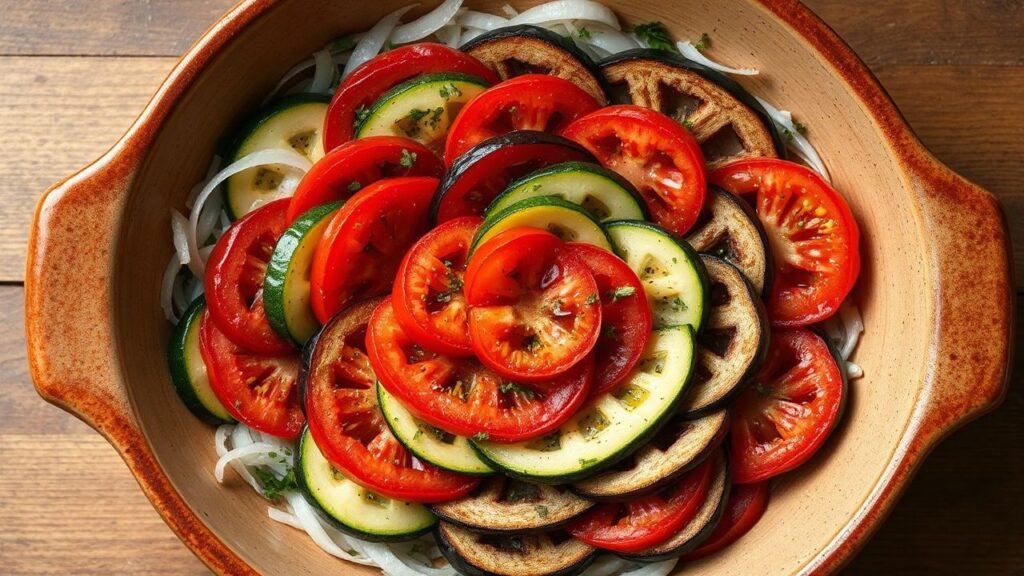
At its core, a Vegetable Tian is a layered arrangement of thinly sliced vegetables, typically nestled in a baking dish, often with a flavorful sauce or base. The foundation of any great Tian is the quality of the vegetables. For a quintessential summer Tian, select firm, ripe produce that holds its shape well when sliced and baked.
Key Vegetable Components
- Tomatoes: Roma or plum tomatoes are ideal due to their lower water content and firm flesh.
- Zucchini and Summer Squash: Uniform in size, these provide a delicate sweetness and a tender texture.
- Eggplant: Japanese or Italian varieties work well, offering a slightly richer, earthier flavor.
- Onions and Garlic: These form the aromatic base, adding depth and complexity.
The arrangement is as crucial as the ingredients themselves. The vegetables are typically sliced thinly and evenly, often using a mandoline for precision. These slices are then arranged in a circular or overlapping pattern, creating a visually stunning effect once baked. The baking process allows the natural sugars in the vegetables to caramelize, intensifying their flavors and creating a cohesive, delectable dish.
Essential Techniques for Vegetable Tian Mastery
Achieving a superior Vegetable Tian is not solely about the ingredients; it’s about the meticulous application of technique. These methods ensure that each component is cooked to perfection, contributing to the overall harmony of the dish.
1. Precise Vegetable Slicing
The uniform thinness of the vegetable slices is paramount. A mandoline slicer is an indispensable tool for achieving this consistency, typically aiming for slices between 1/16 and 1/8 inch thick. This ensures even cooking and allows the vegetables to become tender without becoming mushy. Overly thick slices will not cook through properly, while excessively thin ones can disintegrate. The goal is a delicate balance that allows for both tenderness and structural integrity.
2. Strategic Layering and Arrangement
The visual appeal of a Tian is directly linked to its arrangement. While concentric circles are classic, other patterns, such as overlapping rows or a more freeform mosaic, can also be effective. The key is to ensure that each slice is visible and contributes to the overall aesthetic. For concentric arrangements, begin from the outer edge of the baking dish and work inward, overlapping each slice slightly. This creates a beautiful, fan-like effect.
3. The Aromatic Base
A well-seasoned base is critical. Finely minced onions, shallots, and garlic, sautéed until softened, provide a foundational layer of flavor. This can be enhanced with herbs like thyme, rosemary, or basil, and a generous drizzle of high-quality olive oil. Some recipes incorporate a thin layer of tomato sauce or a creamy béchamel for added richness, though purists often prefer to let the vegetables shine with minimal accompaniment.
4. Seasoning Throughout
Seasoning is not a last-minute affair. Salt and freshly ground black pepper should be applied between layers of vegetables. This ensures that each slice is seasoned from within, allowing the flavors to permeate the entire dish. A light hand is often best, as the vegetables will concentrate as they cook, and over-salting can become overpowering.
5. The Importance of Baking Temperature and Time
The baking process is where the magic truly happens. A moderate oven temperature, typically between 375°F (190°C) and 400°F (200°C), is ideal. This allows the vegetables to soften and meld their flavors without burning the edges. The cooking time can vary significantly depending on the thickness of the slices and the depth of the dish, usually ranging from 45 minutes to over an hour. The Tian is ready when the vegetables are tender when pierced with a fork and the juices have slightly thickened.
6. Resting Period
Allowing the Tian to rest for at least 10-15 minutes after it comes out of the oven is a crucial, often overlooked, step. This resting period allows the juices to redistribute, the flavors to meld further, and the structure of the dish to set, making it easier to serve.
Variations on a Theme: Beyond the Classic Summer Vegetables
While zucchini, eggplant, and tomatoes form the bedrock of the classic Vegetable Tian, its adaptability allows for countless exciting variations. Embracing seasonal produce and personal preference can lead to truly unique and delightful creations.
7. Root Vegetable Tian for Cooler Months
When summer wanes, the Tian concept can be beautifully translated to heartier root vegetables. Thinly sliced potatoes (Yukon Gold or red potatoes work well), sweet potatoes, parsnips, and carrots can be layered with aromatic herbs and a rich stock or cream base. These Tians offer a comforting and substantial alternative, perfect for autumn and winter. The starchier nature of root vegetables often requires slightly longer baking times and sometimes pre-boiling to ensure tenderness.
8. Adding Protein and Cheese
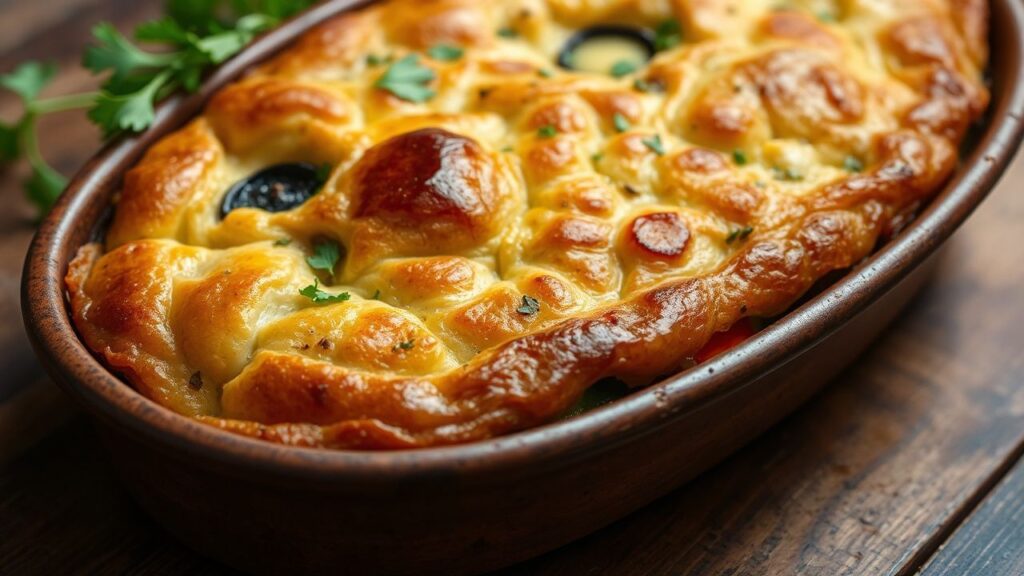
For a more substantial meal, incorporating elements like thinly sliced ham, prosciutto, or even cooked chicken or fish can elevate the Tian. A sprinkle of cheese between layers or as a topping—such as Gruyère, Parmesan, or goat cheese—adds a delightful savory richness and a pleasingly browned crust. Be mindful not to overpower the delicate vegetable flavors with too much cheese.
9. Herbaceous Infusions and Spiced Twists
The flavor profile of a Tian can be dramatically altered with the strategic use of herbs and spices. Beyond the traditional Provençal herbs, consider adding fresh dill and mint for a lighter, brighter taste, or a pinch of smoked paprika and chili flakes for a subtle warmth and smoky depth. A hint of lemon zest can also provide a welcome brightness.
10. Sweet and Savory Combinations
For the adventurous palate, explore sweet and savory pairings. Thinly sliced apples or pears, layered with firmer vegetables like butternut squash and a hint of cinnamon or nutmeg, can create a surprisingly harmonious dessert-like Tian. This approach pushes the boundaries of the traditional dish, offering a unique culinary experience.
The Nutritional Powerhouse: Health Benefits of Vegetable Tian
Beyond its culinary merits, the Vegetable Tian is a significant contributor to a healthy diet, especially when prepared with mindful choices. The abundance of fresh vegetables provides a rich source of essential vitamins, minerals, and dietary fiber.
According to the U.S. Department of Agriculture (USDA), a single cup of sliced zucchini contains approximately 1.5 grams of fiber and is a good source of Vitamin C and Vitamin A. Tomatoes, rich in lycopene, an antioxidant linked to various health benefits, further enhance the nutritional profile. Eggplant contributes dietary fiber and antioxidants like nasunin, which is believed to protect brain cells.
The preparation method itself is also conducive to healthy eating. Baking, steaming, or gentle sautéing are generally healthier than deep-frying. By minimizing added fats and sugars, a Vegetable Tian can be a cornerstone of a balanced, nutrient-dense meal. Research published in the *Journal of Nutrition* highlights the importance of a diet rich in diverse vegetables for promoting gut health and reducing the risk of chronic diseases.
Troubleshooting Your Tian: Common Pitfalls and Solutions
Even with the best intentions, culinary endeavors can sometimes present challenges. Understanding common issues and their solutions can help ensure your Vegetable Tian is always a triumph.
Watery Tian Syndrome
One of the most frequent complaints is a watery Tian. This often occurs when vegetables with high water content, like zucchini and tomatoes, are not properly prepared.
- Solution: Salting the sliced zucchini and eggplant beforehand and letting them drain for 20-30 minutes can draw out excess moisture. Pat them thoroughly dry before layering. Using firmer varieties of tomatoes, such as Roma, also helps.
Mushy Texture
Conversely, overcooking or uneven slicing can lead to a mushy, undefined texture.
- Solution: Ensure your slices are consistently thin. Use a mandoline for precision. Monitor the baking time carefully; the vegetables should be tender but still hold their shape.
Bland Flavor Profile
A Tian can sometimes lack the “wow” factor if seasoning is insufficient or the base flavors are underdeveloped.
- Solution: Don’t shy away from seasoning between layers. A well-sautéed aromatic base of onions and garlic, along with fresh herbs, is crucial. A drizzle of balsamic glaze or a sprinkle of flaky sea salt just before serving can also amplify the flavors.
Serving Suggestions: Elevating Your Vegetable Tian Experience
A well-executed Vegetable Tian is a versatile dish that can be presented in numerous ways, adapting to various occasions and accompanying meals.
As a Sophisticated Side Dish
The Tian’s visual appeal makes it an ideal accompaniment to grilled meats, poultry, or fish. Its layered structure and tender texture complement the robustness of proteins beautifully. Consider serving it alongside grilled lamb chops, roasted chicken, or pan-seared salmon for an elegant meal.
As a Vegetarian Main Course
When made with a richer base, ample cheese, or a protein addition, the Vegetable Tian can stand proudly as a vegetarian main course. Serve it with a light green salad and some crusty bread for a complete and satisfying meal.
In Individual Portions
For a more refined presentation, prepare individual Tians in ramekins or small gratin dishes. This allows for precise portion control and adds a touch of elegance to any table setting. These can be prepared ahead of time and baked just before serving.
The Art of Presentation
Garnish is key to completing the visual narrative of your Tian. Freshly chopped parsley, chives, or basil add a burst of color and freshness. A final drizzle of high-quality olive oil or a scattering of toasted pine nuts can further enhance its appeal.
The Ultimate Guide to Vegetable Tian: Key Takeaways
The Vegetable Tian is a culinary masterpiece that celebrates the bounty of summer produce through elegant simplicity and meticulous technique. Its visual allure, coupled with its healthful composition, makes it a standout dish for any occasion. By understanding the fundamental principles of slicing, layering, seasoning, and baking, you can consistently create a Tian that is both delicious and stunning. Experimentation with different vegetables, herbs, and flavor profiles will unlock even greater potential, ensuring this classic dish remains a vibrant and cherished part of your culinary repertoire for years to come.
Key Takeaways
- Master the art of uniform slicing using a mandoline for even cooking and aesthetic appeal.
- Build a flavorful foundation with sautéed aromatics and fresh herbs.
- Season generously between layers to ensure depth of flavor throughout the dish.
- Embrace variations by exploring root vegetables, cheeses, and alternative flavorings for year-round enjoyment.
Frequently Asked Questions
What are the best vegetables to use for a Vegetable Tian?
The most traditional and highly recommended vegetables for a summer Vegetable Tian include zucchini, summer squash, eggplant, and a variety of tomatoes (such as Roma or plum). These vegetables have a good balance of firmness and moisture that allows them to cook down beautifully without becoming overly watery or mushy. For variations, consider thinly sliced potatoes, sweet potatoes, bell peppers, or even thinly sliced firm pears or apples. The key is to select vegetables that can be sliced thinly and consistently.
How do I prevent my Vegetable Tian from becoming watery?
The primary culprit for a watery Tian is excess moisture from the vegetables. To combat this, it’s highly effective to salt sliced zucchini and eggplant approximately 20-30 minutes before assembling your Tian. Place the salted slices in a colander over a bowl to allow the moisture to drain out. After draining, gently rinse the slices and pat them thoroughly dry with paper towels before layering them into the dish. Using tomatoes with lower water content, like Roma tomatoes, also helps significantly.
Can I make a Vegetable Tian ahead of time?
Yes, a Vegetable Tian can be prepared ahead of time, which is a great advantage for entertaining. You can assemble the Tian up to 24 hours in advance and store it, covered, in the refrigerator. When you’re ready to bake, allow it to sit at room temperature for about 30 minutes before placing it in the oven. You may need to add a few extra minutes to the baking time if it’s still quite cold from the refrigerator. The resting period after baking is still crucial even if prepared ahead.
What is the difference between a Vegetable Tian and Ratatouille?
While both are celebrated Provençal vegetable dishes, the primary distinction lies in their preparation and presentation. Ratatouille typically involves dicing the vegetables and stewing them together, often resulting in a softer, more blended texture. A Vegetable Tian, on the other hand, features thinly sliced vegetables meticulously arranged in concentric circles or overlapping rows, baked to showcase their individual shapes and colors. The Tian is often considered more visually elegant, while ratatouille is more rustic and stew-like.
How can I add more flavor to my Vegetable Tian?
Beyond the fresh vegetables, flavor can be significantly enhanced through several methods. Start with a robust aromatic base, such as finely minced onions, garlic, and shallots, sautéed in olive oil until softened and fragrant. Incorporate a variety of fresh herbs like thyme, rosemary, basil, or oregano, either in the base or layered with the vegetables. Consider adding a drizzle of balsamic glaze or a sprinkle of grated Parmesan or Gruyère cheese for a savory depth. A touch of lemon zest or a pinch of red pepper flakes can also introduce interesting flavor dimensions.
Final Recommendations
The Vegetable Tian is proof of the power of simplicity and the beauty of fresh, seasonal ingredients. By embracing these techniques and understanding the nuances of its preparation, you are well-equipped to create a dish that is not only a feast for the eyes but also a profound delight for the palate. Whether you are a seasoned chef or a burgeoning home cook, the Vegetable Tian offers a rewarding culinary journey. Don’t be afraid to experiment with the suggested variations; your garden’s bounty is your guide. With each Tian you create, you will refine your technique and discover new dimensions of flavor, solidifying this classic gratin as a beloved staple in your kitchen.
See also: Vegetable Tian