
Tagine beckons with the promise of slow-cooked perfection, a culinary tapestry woven with fragrant spices and tender ingredients. This iconic North African dish, more than just a meal, is an invitation to a communal dining experience, proof of generations of culinary wisdom. But what elevates a simple potato tagine from good to truly unforgettable? It’s in the nuanced understanding of ingredients, the patient dance of heat, and the secrets whispered through the steam of the conical pot.
- The Soul of the Tagine: Understanding the Vessel and the Base
- The Star of the Show: Mastering the Potato
- The Art of the Liquid and the Slow Simmer
- Serving Traditions and Modern Adaptations
- Key Insights & Takeaways
- Frequently Asked Questions
- What is the best type of potato for a Moroccan potato tagine?
- Can I make a potato tagine without a traditional tagine pot?
- How do I achieve a truly authentic Moroccan flavor in my potato tagine?
- What are some common mistakes to avoid when making a potato tagine?
- Final Recommendations
The humble potato, often relegated to a supporting role, takes center stage in a well-executed Moroccan potato tagine, revealing layers of flavor and texture that are nothing short of revelatory.
This article explores the heart of crafting an exceptional Moroccan potato tagine, moving beyond basic recipes to uncover expert techniques and ingredient synergies that unlock its full potential. We’ll explore the nuances of spice blending, the art of achieving perfect potato tenderness, and the subtle additions that transform this dish into a culinary masterpiece worthy of any table.
The Soul of the Tagine: Understanding the Vessel and the Base
Before we even think about potatoes, understanding the tagine itself is paramount. This distinctive conical earthenware pot, often glazed, is designed for slow, moist cooking. Its shape allows steam to circulate, condensing on the lid and dripping back onto the ingredients, ensuring incredible tenderness and locking in flavors. While modern stovetop adaptations exist, the traditional clay tagine imbues the dish with a unique earthiness. The base of any tagine, especially one featuring potatoes, is built upon aromatics. A generous sautéing of onions, garlic, and sometimes ginger forms the foundational layer of flavor. This isn’t a hurried step; allowing the onions to soften and caramelize gently releases their inherent sweetness, creating a rich, complex base that will permeate every element of the dish.
The quality of the olive oil used here is also not to be overlooked. A robust, extra virgin olive oil will contribute its own fruity notes, further enhancing the overall profile. Many recipes call for a simple onion base, but for a truly elevated tagine, consider adding finely chopped leeks or even a touch of shallots for a more refined sweetness. The key is patience; a properly softened aromatic base is the bedrock upon which all other flavors are built.
The foundation of any great tagine isn’t just about the ingredients; it’s about the patience to coax out their inherent sweetness and depth before the main stars even enter the pot.
The Spice Symphony: Crafting an Authentic Moroccan Flavor Profile
Moroccan cuisine is celebrated for its masterful use of spices, and a potato tagine is no exception. The blend is crucial, creating a warm, aromatic, and slightly sweet profile. The core spices typically include turmeric, ginger, cumin, and paprika. Turmeric provides a vibrant golden hue and an earthy undertone, while ginger offers a warming spice. Cumin brings its characteristic nutty, savory depth, and paprika, often sweet or a mild smoked variety, adds color and a subtle sweetness. Cinnamon is another vital player, lending a warm, sweet aroma that beautifully complements the earthy potatoes and savory spices. A pinch of cayenne pepper can provide a gentle warmth without overpowering the dish.
Beyond these staples, expert cooks often introduce less common but highly impactful spices. A whisper of saffron, bloomed in warm water, can impart an unparalleled floral aroma and a luxurious golden hue. Coriander seeds, toasted and ground, add a citrusy, slightly floral dimension. Some traditional recipes might also include a touch of Ras el Hanout, a complex Moroccan spice blend that can vary but often includes dozens of ingredients, offering an intricate and deeply aromatic layer. The art lies in the balance; no single spice should dominate, but rather they should harmonize, creating a complex yet cohesive flavor profile.
The Star of the Show: Mastering the Potato
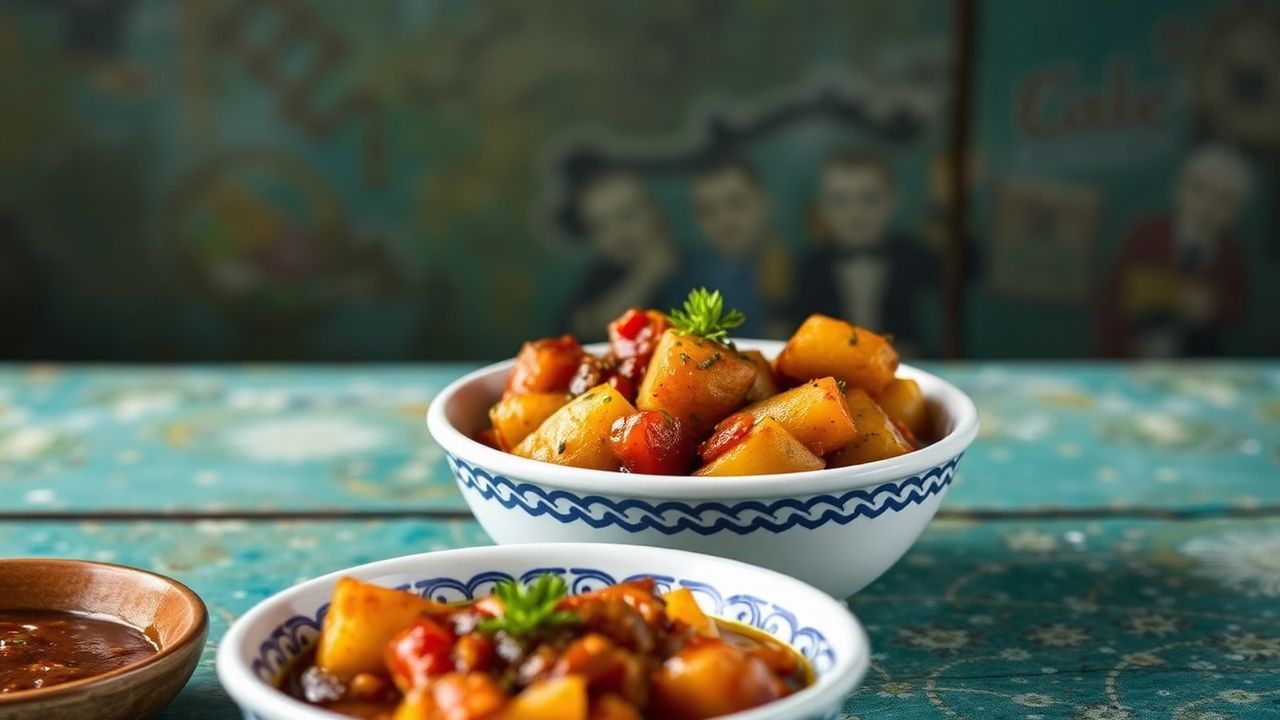
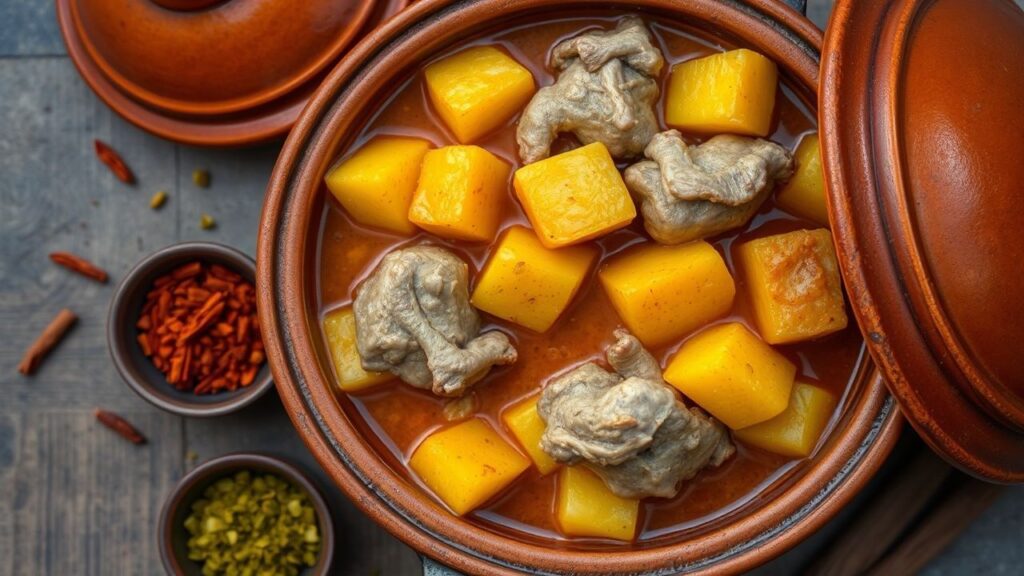
The potato in a tagine is not merely a filler; it’s a canvas for flavor. The type of potato chosen significantly impacts the final texture. Waxy potatoes, such as Yukon Gold or red potatoes, hold their shape well and don’t become overly mushy, making them ideal for tagines. Starchy potatoes like Russets can break down too much, thickening the sauce excessively and losing their distinct form. The potatoes should be cut into substantial, uniform pieces, typically 1.5- to 2-inch cubes, to ensure even cooking.
Pre-cooking the potatoes slightly, either by parboiling or roasting them briefly, can help them absorb the tagine’s flavors more effectively without turning to mush. Some chefs advocate for searing the potato cubes in the tagine base before adding liquid, creating a slightly crispy exterior that holds its integrity during the long cooking process. This step also contributes a subtle depth of flavor through the Maillard reaction. The goal is tender, yielding potatoes that have absorbed the rich broth, offering a satisfying bite that’s neither too firm nor too soft.
Beyond the Spices: Elevating with Fruits and Preserved Elements
While potatoes and spices form the heart of a Moroccan potato tagine, the true masters of this dish understand the power of contrast and complexity. Dried fruits, such as apricots or prunes, are frequently incorporated, their natural sweetness and chewy texture providing a delightful counterpoint to the savory spices and tender potatoes. These fruits, rehydrated in the tagine’s juices, release a delightful tang and sweetness that balances the earthy notes.
Preserved lemons are another indispensable element in authentic Moroccan cuisine, and their inclusion in a potato tagine can be transformative. The salty, intensely lemony, and slightly fermented rind adds a bright, piquant acidity that cuts through richness and adds an unparalleled depth of flavor. It’s a taste that is both familiar and exotic, offering a sophisticated umami note that is hard to replicate. Only the rind is typically used, finely chopped, as the pulp can be too bitter.
The Art of the Liquid and the Slow Simmer
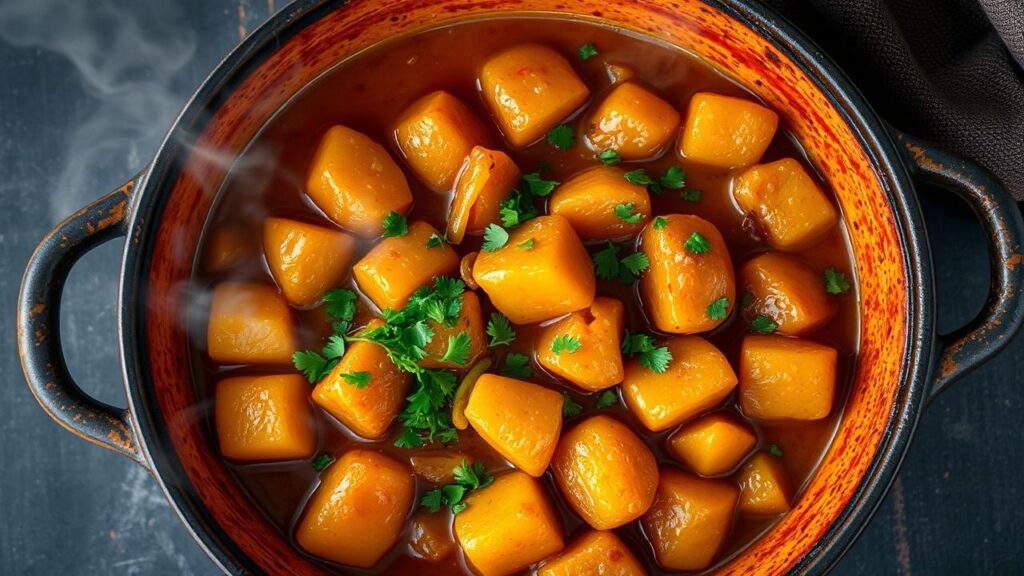
The liquid component of a tagine is crucial for creating that signature moist, tender result. While water can be used, a good quality vegetable or chicken broth will lend a more profound flavor. Some recipes incorporate a small amount of tomato paste or diced tomatoes, adding a touch of acidity and color, but it’s important not to let the tomato flavor dominate the delicate spice profile.
The simmer is where the magic truly happens. A tagine is designed for low, slow cooking. This allows the flavors to meld and deepen over several hours. The conical lid ensures that moisture is continuously recirculated, preventing the dish from drying out. The heat should be kept at a gentle simmer, just enough to keep the contents bubbling softly. Rushing this process by increasing the heat will result in uneven cooking and a less flavorful dish. It’s proof of the dish’s heritage – a meal that signifies patience and communal gathering, its preparation often a leisurely process.
💡 Expert Insight
Expert Insight: The Patience of the Simmer
The slow simmering process is arguably the most critical phase in achieving an exceptional tagine. Resist the urge to stir too frequently, as this can break down the potatoes prematurely. Instead, allow the heat to work its magic, gently coaxing the flavors to meld. A gentle shake of the tagine occasionally can help prevent sticking without disturbing the delicate structure of the ingredients. The aroma that fills your kitchen during this slow dance of heat and spice is a preview of the exquisite flavors to come.
Serving Traditions and Modern Adaptations
Traditionally, tagine is served directly from the cooking vessel, often placed in the center of the table for communal sharing. It is typically accompanied by crusty Moroccan bread (khobz) for scooping up the flavorful sauce, or fluffy couscous. A simple side salad of chopped tomatoes and cucumbers with a light vinaigrette can provide a refreshing contrast. Fresh herbs, such as cilantro and parsley, are often sprinkled over the top just before serving, adding a burst of freshness and vibrant color.
Modern interpretations might see variations like adding preserved olives, a touch of harissa for extra heat, or even incorporating different root vegetables alongside the potatoes. Some chefs experiment with braised lamb shanks or chicken thighs in their potato tagines, creating a heartier, more substantial meal. Regardless of the additions, the core principle remains: a slow-cooked, aromatic, and deeply flavorful dish that celebrates the richness of Moroccan culinary heritage.
⚠️ Pro-Caution
Pro-Caution: Over-Spicing and Under-Simmering Pitfalls
A common mistake in preparing tagine, especially for those new to its intricacies, is the tendency to over-spice or, conversely, under-simmer. Over-spicing can lead to a muddled, overpowering flavor where individual spice notes are lost. It’s often better to start with a slightly more conservative amount of spices and adjust towards the end of cooking. Conversely, insufficient simmering time means the ingredients won’t have had adequate opportunity to tenderize and meld their flavors. This results in a dish that feels disconnected, with distinct textures and flavors rather than a harmonious whole. Always aim for a slow, gentle simmer that allows time for the culinary alchemy to occur.
Key Insights & Takeaways
The true essence of a Moroccan potato tagine lies not just in the recipe, but in the mindful layering of flavors, the patient application of heat, and the embrace of its rich culinary heritage.
- The Foundation Matters: A slow-cooked, caramelized onion and garlic base is non-negotiable for developing a rich, complex flavor profile.
- Spice Harmony is Key: Master the art of balancing traditional Moroccan spices like turmeric, cumin, ginger, paprika, and cinnamon, with subtle additions like saffron or Ras el Hanout for depth.
- Potato Perfection: Opt for waxy potatoes, cut into uniform pieces, and consider par-boiling or searing them to ensure they hold their shape and absorb flavors beautifully.
- The Contrast Element: Incorporate dried fruits (apricots, prunes) and preserved lemons to add layers of sweetness, tang, and piquant acidity, elevating the dish beyond the ordinary.
- Patience is a Virtue: The slow, gentle simmer is critical for tenderizing ingredients and allowing flavors to meld into a cohesive, aromatic masterpiece.
Frequently Asked Questions
What is the best type of potato for a Moroccan potato tagine?
For a Moroccan potato tagine, waxy potato varieties are generally preferred. Potatoes like Yukon Gold, red potatoes, or fingerlings hold their shape well during the long, slow cooking process, preventing them from becoming overly mushy. Starchy potatoes, such as Russets, tend to break down more easily and can thicken the sauce excessively, which might not be the desired texture. The key is to have potato pieces that are tender yet still retain their distinct form, absorbing the rich flavors of the tagine without disintegrating.
Can I make a potato tagine without a traditional tagine pot?
Yes, you absolutely can make a delicious potato tagine without a traditional tagine pot. A Dutch oven or a heavy-bottomed pot with a tight-fitting lid works wonderfully. The principle of slow, moist cooking is what’s essential. Ensure your pot can maintain a low, consistent simmer on the stovetop or in the oven. The conical shape of a traditional tagine aids in steam circulation, but a well-sealed Dutch oven can achieve very similar results, ensuring your ingredients cook evenly and remain tender.
How do I achieve a truly authentic Moroccan flavor in my potato tagine?
Authenticity in a Moroccan potato tagine comes from the careful selection and balance of spices, as well as the inclusion of traditional flavor enhancers. Key spices include turmeric, ginger, cumin, paprika, and cinnamon. Don’t shy away from a pinch of saffron for its unique aroma and color. The inclusion of dried fruits like apricots or prunes, and especially preserved lemons, is crucial for that signature sweet-salty-tangy Moroccan profile. Slow cooking is also vital; it allows these complex flavors to meld and deepen over time.
What are some common mistakes to avoid when making a potato tagine?
Several common mistakes can detract from the quality of a potato tagine. Over-spicing can lead to an overwhelming, unbalanced flavor. Under-simmering will result in undercooked ingredients and a lack of flavor fusion. Using the wrong type of potato, such as a very starchy variety, can lead to a mushy texture. Additionally, rushing the initial sautéing of aromatics means the foundational flavors won’t be as developed. Finally, forgetting the subtle but impactful additions like preserved lemon or dried fruits can mean missing out on crucial layers of complexity.
Final Recommendations
To truly master the Moroccan potato tagine, approach it as a journey of flavor layering and patient execution. Start with the aromatic base, allowing onions to soften and sweeten thoroughly. Select your potatoes wisely and prepare them to best absorb the forthcoming flavors. Embrace the traditional spice palette, but don’t hesitate to experiment with subtle additions that speak to your palate. Incorporate the transformative magic of dried fruits and preserved lemons for that quintessential Moroccan touch. Most importantly, grant the dish the time it needs to simmer slowly, allowing the ingredients to meld into a symphony of taste and texture. Serve it with pride, accompanied by fresh bread or couscous, and share the warmth and richness of this exceptional dish.
See also: Tagine