
Arabic dinners have long been a cornerstone of culinary tradition, weaving together a diverse mix of flavors, aromas, and textures that speak of hospitality, family, and shared moments. For the uninitiated, recreating these vibrant meals might seem daunting, conjuring images of complex spice blends and intricate techniques. Yet, the truth is far more accessible. Many authentic and deeply satisfying Arabic dinners are surprisingly straightforward, relying on fresh ingredients and intuitive cooking methods that even a beginner can master. This guide demystifies Arabic cuisine, offering a curated selection of seven essential dishes that are not only delicious but also remarkably easy to prepare, paving the way for your own culinary adventures.
- The Foundation: Hummus and Pita Bread
- Hearty & Simple: Lentil Soup (Shorbat Adas)
- A Flavorful Main: Chicken Shawarma Skewers
- A Vegetarian Gem: Mujaddara
- A Taste of Home: Baked Kofta with Tomatoes
- A Fragrant Rice Dish: Chicken and Rice Pilaf
- A Sweet Finish: Easy Rice Pudding (Roz Bel Laban)
- Frequently Asked Questions
The allure of Arabic cuisine lies in its harmonious balance of sweet, savory, and aromatic notes, often achieved through a thoughtful combination of spices like cumin, coriander, cinnamon, and cardamom, alongside fresh herbs such as parsley and mint. These flavors are not merely ingredients; they are storytellers, each dish a narrative of regional heritage and cultural exchange. From the bustling souks of the Levant to the sun-drenched shores of North Africa, the foundational principles of these easy Arabic dinners remain consistent: respect for the ingredients and a generous spirit.
“Embarking on the journey of cooking Arabic dinners is not about mastering complexity, but about unlocking the inherent beauty of simple, wholesome ingredients prepared with intention and warmth.”
The following recipes have been chosen for their accessibility, their delicious outcomes, and their ability to introduce core Arabic culinary concepts without overwhelming the novice cook. Each dish is a building block, designed to foster confidence and a deeper appreciation for this diverse and flavorful cuisine.
The Foundation: Hummus and Pita Bread
Before diving into main courses, it’s crucial to understand the building blocks of any Arabic meal: dips and bread. Hummus, a creamy chickpea purée, and soft, pillowy pita bread are ubiquitous across the Arabic-speaking world and form the perfect gentle introduction to these flavors.
Classic Hummus: A Creamy Delight
Hummus is more than just a dip; it’s a symbol of hospitality. Its preparation is remarkably simple, relying on the emulsification of tahini (sesame paste), chickpeas, lemon juice, and garlic. The key to a silky-smooth texture lies in processing the ingredients thoroughly.
Ingredients:
- 2 cans (15 oz each) chickpeas, drained and rinsed (reserve some liquid)
- 1/2 cup tahini (sesame paste)
- 1/4 cup fresh lemon juice (from about 1-2 lemons)
- 2-3 cloves garlic, minced
- 1/4 cup ice-cold water (or reserved chickpea liquid)
- 1/2 teaspoon salt, or to taste
- For Garnish: Olive oil, paprika, fresh parsley
Preparation Method:
1. Prepare Chickpeas: For the smoothest hummus, you can optionally peel the chickpeas by rubbing them between your hands after rinsing. This is a bit time-consuming but yields a superior texture. If skipping this step, ensure the chickpeas are very well-rinsed. 2. Process Tahini and Lemon: In a food processor, combine the tahini and lemon juice. Process for about 1 minute until the mixture becomes pale and creamy. This step helps to “whip” the tahini. 3. Add Garlic and Salt: Add the minced garlic and salt to the food processor and process for another 30 seconds. 4. Incorporate Chickpeas: Add half of the drained chickpeas to the food processor. Process until a thick paste forms. 5. Achieve Smoothness: Gradually add the remaining chickpeas while the processor is running.
Then, slowly drizzle in the ice-cold water (or reserved chickpea liquid) a tablespoon at a time, processing continuously until the hummus reaches your desired creamy consistency. You may need more or less liquid. 6. Taste and Adjust: Taste the hummus and adjust seasoning with more salt or lemon juice as needed. 7. Serve: Spoon the hummus into a serving bowl. Create a swirl with the back of a spoon and drizzle generously with good quality olive oil. Sprinkle with paprika and chopped fresh parsley.
Nutritional Information (per serving, approximate): Calories: 250, Protein: 8g, Fat: 14g, Carbohydrates: 25g.
Quick Pita Bread: The Perfect Accompaniment
While store-bought pita is convenient, making your own is surprisingly easy and rewarding. This recipe focuses on a simple, no-knead approach.
Ingredients:
- 2 cups all-purpose flour
- 1 teaspoon active dry yeast
- 1 teaspoon sugar
- 1/2 teaspoon salt
- 3/4 cup warm water (105-115°F or 40-46°C)
- 1 tablespoon olive oil, plus more for greasing
Preparation Method:
1. Activate Yeast: In a small bowl, combine the warm water, yeast, and sugar. Let it sit for 5-10 minutes until foamy. 2. Combine Dry Ingredients: In a large bowl, whisk together the flour and salt. 3. Form Dough: Pour the yeast mixture and olive oil into the flour mixture. Stir with a wooden spoon or spatula until a shaggy dough forms. 4. Rest Dough: Cover the bowl with plastic wrap and let it rest in a warm place for at least 30 minutes, or until it has puffed up slightly. 5. Divide and Shape: Turn the dough out onto a lightly floured surface. Divide it into 6-8 equal portions. Roll each portion into a ball, then flatten and roll each ball into a thin circle (about 6-7 inches in diameter). 6. Cook Pita: Heat a cast-iron skillet or griddle over medium-high heat.
Cook each pita for 1-2 minutes per side, or until it puffs up and develops golden-brown spots. 7. Keep Warm: Stack the cooked pitas and wrap them in a clean kitchen towel to keep them warm and soft.
Hearty & Simple: Lentil Soup (Shorbat Adas)
Shorbat Adas is a comforting and nutritious staple, especially popular during cooler months. Its rich flavor and satisfying texture come from simple ingredients and a relatively short cooking time. This is a perfect example of how humble ingredients can create something truly magnificent.
Ingredients:
- 1 cup red lentils, rinsed well
- 1 tablespoon olive oil
- 1 medium onion, finely chopped
- 2 carrots, peeled and chopped
- 2 celery stalks, chopped
- 4 cups vegetable or chicken broth
- 1 teaspoon ground cumin
- 1/2 teaspoon ground coriander
- Salt and freshly ground black pepper to taste
- For Serving: Lemon wedges, fresh parsley
Preparation Method:
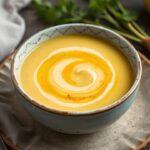
1. Sauté Aromatics: Heat the olive oil in a large pot or Dutch oven over medium heat. Add the chopped onion, carrots, and celery. Sauté until the vegetables begin to soften, about 5-7 minutes. 2. Add Lentils and Spices: Stir in the rinsed red lentils, cumin, and coriander. Cook for 1 minute, stirring constantly, until fragrant. 3. Simmer: Pour in the broth. Bring the mixture to a boil, then reduce the heat to low, cover, and simmer for 20-25 minutes, or until the lentils are very tender and have broken down. 4. Blend (Optional): For a smoother soup, you can use an immersion blender to partially or fully blend the soup. Alternatively, carefully transfer batches to a regular blender (vent the lid and cover with a towel to avoid steam buildup). 5. Season: Season generously with salt and freshly ground black pepper. 6. Serve: Ladle the hot soup into bowls.
Serve with lemon wedges for squeezing over the soup and a garnish of fresh parsley.
Nutritional Information (per serving, approximate): Calories: 200, Protein: 10g, Fat: 5g, Carbohydrates: 30g.
A Flavorful Main: Chicken Shawarma Skewers
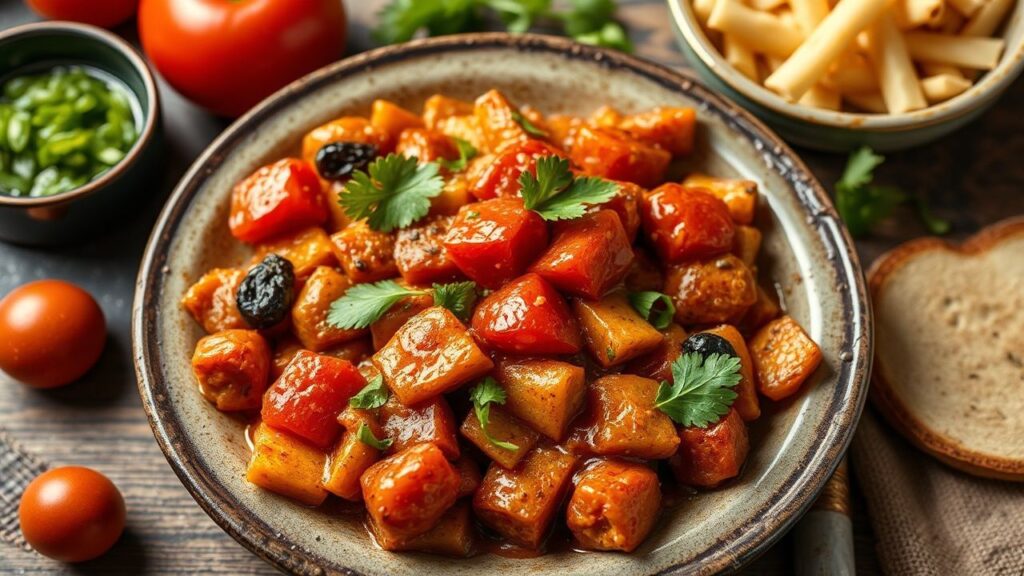
Shawarma, the iconic marinated meat preparation, can be simplified for home cooks without sacrificing its signature taste. These chicken shawarma skewers offer all the vibrant flavors in an easy-to-manage format.
Ingredients:
- 1.5 lbs boneless, skinless chicken thighs or breasts, cut into 1-inch cubes
- 1/4 cup plain yogurt
- 2 tablespoons olive oil
- 2 tablespoons lemon juice
- 2 cloves garlic, minced
- 1 teaspoon ground cumin
- 1 teaspoon ground coriander
- 1 teaspoon paprika
- 1/2 teaspoon ground cinnamon
- 1/4 teaspoon ground cloves
- 1/4 teaspoon cayenne pepper (optional)
- Salt and freshly ground black pepper to taste
- Wooden or metal skewers, soaked if wooden
Preparation Method:
1. Marinate Chicken: In a large bowl, whisk together the yogurt, olive oil, lemon juice, minced garlic, cumin, coriander, paprika, cinnamon, cloves, cayenne (if using), salt, and pepper. Add the chicken cubes and toss to coat evenly. Cover and refrigerate for at least 30 minutes, or preferably 2-4 hours.
2. Assemble Skewers: Thread the marinated chicken cubes onto the skewers, leaving a small space between each piece to ensure even cooking.
3. Cook Skewers:
- Grill: Preheat your grill to medium-high heat. Grill the skewers for 8-12 minutes, turning occasionally, until the chicken is cooked through and lightly charred.
- Pan-Sear: Heat a tablespoon of oil in a large skillet over medium-high heat. Sear the skewers in batches for 8-10 minutes, turning regularly, until golden brown and cooked through.
- Broil: Place skewers on a baking sheet lined with foil. Broil on high for 8-10 minutes, turning halfway, until cooked through and nicely browned.
4. Serve: Serve the chicken shawarma skewers hot, alongside pita bread, hummus, and a simple salad.
Nutritional Information (per serving, approximate): Calories: 300, Protein: 25g, Fat: 18g, Carbohydrates: 8g.
A Vegetarian Gem: Mujaddara
Mujaddara is a deeply satisfying and economical dish that perfectly embodies the principle of transforming simple ingredients into a flavorful meal. It’s a humble yet profoundly delicious rice and lentil pilaf, often topped with caramelized onions.
Ingredients:
- 1 cup brown or green lentils, rinsed
- 1 cup medium-grain rice, rinsed
- 4 cups water or vegetable broth
- 1 large onion, thinly sliced
- 3 tablespoons olive oil, divided
- 1 teaspoon ground cumin
- Salt and freshly ground black pepper to taste
Preparation Method:
1. Cook Lentils: In a medium saucepan, combine the rinsed lentils with 2 cups of water or broth. Bring to a boil, then reduce heat, cover, and simmer for about 20 minutes, or until tender but not mushy. Drain any excess liquid. 2. Caramelize Onions: While the lentils are cooking, heat 2 tablespoons of olive oil in a large skillet over medium-low heat. Add the thinly sliced onion and cook slowly, stirring occasionally, for 20-30 minutes, until deeply golden brown and caramelized. This slow cooking is key to developing their sweetness. Remove half of the caramelized onions from the skillet and set aside for garnish. 3. Cook Rice: In a separate pot, combine the rinsed rice with the remaining 2 cups of water or broth, 1 tablespoon of olive oil, cumin, salt, and pepper.
Bring to a boil, then reduce heat, cover, and simmer for 15-20 minutes, or until the rice is tender and the liquid is absorbed. 4. Combine: Gently fold the cooked lentils and the caramelized onions (that were left in the skillet) into the cooked rice. Stir to combine. 5. Serve: Serve the mujaddara hot, topped with the reserved caramelized onions.
Nutritional Information (per serving, approximate): Calories: 350, Protein: 15g, Fat: 12g, Carbohydrates: 50g.
A Taste of Home: Baked Kofta with Tomatoes
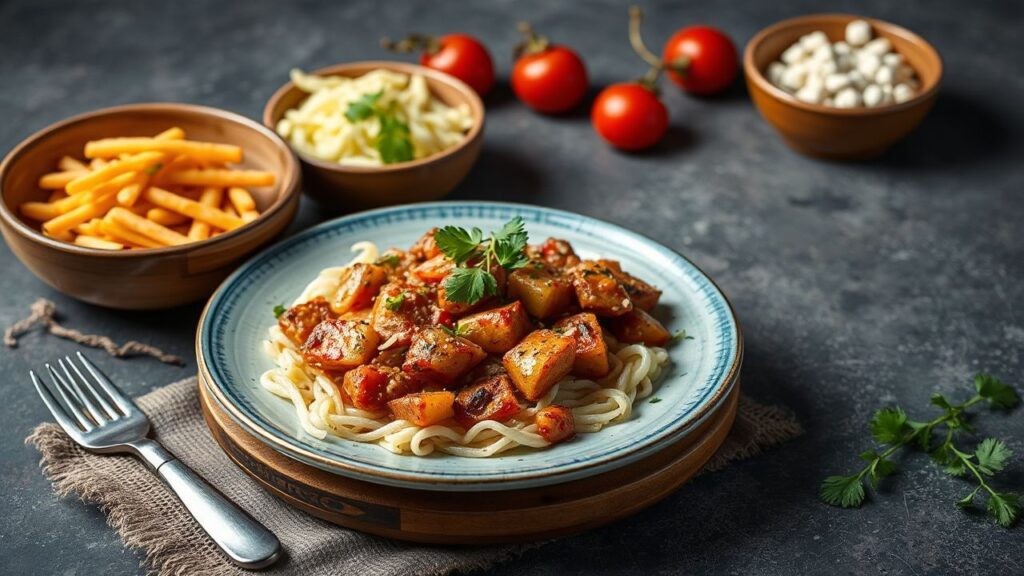
Kofta, seasoned ground meat, is a versatile dish found across the Middle East. This baked version is incredibly forgiving and results in tender, flavorful meatballs nestled in a rich tomato sauce.
Ingredients:
- 1 lb ground lamb or beef (or a mix)
- 1/2 cup finely chopped onion
- 1/4 cup finely chopped fresh parsley
- 2 cloves garlic, minced
- 1 teaspoon ground cumin
- 1 teaspoon ground coriander
- 1/2 teaspoon allspice
- Salt and freshly ground black pepper to taste
- For the Sauce:
- 1 tablespoon olive oil
- 1 medium onion, chopped
- 2 cloves garlic, minced
- 1 can (28 oz) crushed tomatoes
- 1/2 cup water or broth
- Salt and pepper to taste
Preparation Method:
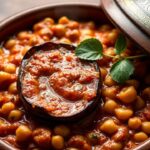
1. Prepare Kofta Mixture: In a large bowl, combine the ground meat, finely chopped onion, parsley, minced garlic, cumin, coriander, allspice, salt, and pepper. Mix gently with your hands until just combined. Do not overmix, as this can make the kofta tough. 2. Form Kofta: Roll the mixture into small meatballs, about 1-1.5 inches in diameter. 3. Prepare Sauce: Heat olive oil in a large oven-safe skillet or Dutch oven over medium heat. Add the chopped onion and sauté until softened, about 5 minutes. Add the minced garlic and cook for another minute until fragrant. 4. Add Tomatoes and Liquid: Pour in the crushed tomatoes and water or broth. Season with salt and pepper. Bring to a simmer. 5. Add Kofta: Carefully place the formed kofta meatballs into the simmering tomato sauce, ensuring they are mostly submerged. 6. Bake: Preheat your oven to 375°F (190°C).
Cover the skillet or Dutch oven with a lid or foil and bake for 30-40 minutes, or until the kofta are cooked through and the sauce has thickened slightly. 7. Serve: Serve the baked kofta hot, directly from the skillet, with rice or crusty bread to soak up the delicious sauce.
Nutritional Information (per serving, approximate): Calories: 400, Protein: 30g, Fat: 25g, Carbohydrates: 15g.
A Fragrant Rice Dish: Chicken and Rice Pilaf
This one-pot wonder is proof of the simplicity and elegance of Arabic dinners. It’s a flavorful rice dish infused with aromatic spices, tender chicken, and often studded with nuts and dried fruits for added texture and sweetness.
Ingredients:
- 1.5 lbs boneless, skinless chicken thighs, cut into 1-inch pieces
- 2 tablespoons olive oil
- 1 large onion, thinly sliced
- 2 cloves garlic, minced
- 1.5 cups basmati rice, rinsed
- 3 cups chicken broth
- 1 teaspoon ground cumin
- 1 teaspoon ground turmeric
- 1/2 teaspoon ground cardamom
- 1/4 teaspoon ground cinnamon
- Salt and freshly ground black pepper to taste
- Optional Add-ins: 1/4 cup slivered almonds or pistachios, toasted; 1/4 cup dried cranberries or raisins
Preparation Method:
1. Brown Chicken: Heat olive oil in a large pot or Dutch oven over medium-high heat. Add the chicken pieces and cook until browned on all sides. Remove chicken from the pot and set aside. 2. Sauté Aromatics: Add the thinly sliced onion to the same pot and cook until softened and lightly golden, about 5-7 minutes. Add the minced garlic and cook for 1 minute more until fragrant. 3. Toast Spices and Rice: Add the rinsed basmati rice to the pot and stir for 1-2 minutes to lightly toast it. Stir in the cumin, turmeric, cardamom, and cinnamon. 4. Add Liquids and Chicken: Pour in the chicken broth and return the browned chicken pieces to the pot. Season with salt and pepper. 5.
Simmer: Bring the mixture to a boil, then reduce the heat to low, cover tightly, and simmer for 15-20 minutes, or until the rice is tender and the liquid has been absorbed. 6. Rest and Fluff: Let the pot sit, covered, off the heat for 5 minutes. Then, fluff the rice with a fork. 7. Serve: Stir in the toasted nuts and dried fruits (if using). Serve the chicken and rice pilaf hot.
Nutritional Information (per serving, approximate): Calories: 450, Protein: 30g, Fat: 20g, Carbohydrates: 40g.
A Sweet Finish: Easy Rice Pudding (Roz Bel Laban)
No Arabic dinner is truly complete without a touch of sweetness. Roz Bel Laban, a creamy and comforting rice pudding, is the perfect, simple dessert that requires minimal effort for maximum delight.
Ingredients:
- 1/2 cup short-grain rice, rinsed
- 4 cups milk
- 1/2 cup granulated sugar (or to taste)
- 1 teaspoon rose water or orange blossom water (optional, but highly recommended)
- Pinch of salt
- For Garnish: Ground cinnamon, chopped pistachios
Preparation Method:
1. Cook Rice: In a medium saucepan, combine the rinsed rice with 2 cups of milk and the pinch of salt. Bring to a gentle simmer over medium heat, stirring frequently to prevent sticking. Cook for about 10-15 minutes, until the rice is partially cooked and has softened.
2. Add Remaining Milk and Sugar: Pour in the remaining 2 cups of milk and the sugar. Stir well to dissolve the sugar.
3. Simmer and Thicken: Continue to simmer over medium-low heat, stirring very frequently, for another 15-20 minutes, or until the pudding has thickened to your desired consistency. It should coat the back of a spoon.
4. Add Flavoring: Stir in the rose water or orange blossom water (if using).
5. Serve: Ladle the warm rice pudding into individual serving bowls. Garnish with a sprinkle of ground cinnamon and chopped pistachios. It can be served warm or chilled.
Nutritional Information (per serving, approximate): Calories: 300, Protein: 10g, Fat: 10g, Carbohydrates: 45g.
Frequently Asked Questions
What are the most common spices used in Arabic dinners?
Commonly used spices include cumin, coriander, cinnamon, cardamom, cloves, allspice, turmeric, paprika, and cayenne pepper. Fresh herbs like parsley, mint, and cilantro are also frequently incorporated to add brightness and depth of flavor.
Can I prepare some elements of these Arabic dinners in advance?
Absolutely. Many components can be prepped ahead of time. For instance, you can chop vegetables for soups or stews, marinate chicken for skewers, or even make the hummus a day in advance. This significantly reduces cooking time on the day of serving and makes hosting much more relaxed.
Are there any common vegetarian or vegan Arabic dinners?
Yes, many Arabic dishes are naturally vegetarian or can be easily adapted. Mujaddara, as featured, is a fantastic vegetarian staple. Other popular options include various lentil stews, stuffed vegetables (like bell peppers or zucchini), and a wide array of salads and dips like baba ghanoush (eggplant dip) and tabbouleh. For vegan adaptations, simply ensure you use vegetable broth and avoid dairy products like yogurt or milk where specified.
What is the significance of serving food family-style in Arabic culture?
Serving Arabic dinners family-style, often from large platters placed in the center of the table, is a deeply ingrained cultural practice that emphasizes togetherness, sharing, and community. It fosters a sense of connection and generosity, reflecting the warm hospitality that is central to Arabic culture. It encourages conversation and shared enjoyment of the meal.
How can I make my Arabic dinners more authentic?
Authenticity in Arabic dinners comes from using fresh, high-quality ingredients, respecting the traditional spice combinations, and cooking with patience and intention. Don’t be afraid to experiment with flavors, but start with classic recipes and understand the role each ingredient plays. Paying attention to presentation, like garnishing with fresh herbs and a drizzle of olive oil, also enhances the authentic feel.
See also: Arabic dinners