
Mastering Mealtime: Getting Kids to Love What You Cook
Mealtime can often feel like a battlefield, where picky tastes clash with good intentions and every bite becomes a negotiation. But what if the kitchen could transform from a zone of resistance into a stage for discovery, joy, and shared moments? This guide dives into the art and science of turning meals into more than just nutrition. We’re making them an adventure that excites little palates and invites eager appetites.
- Mastering Mealtime: Getting Kids to Love What You Cook
- Engaging Kids in the Kitchen: A Simple and Savory Veggie Quesadilla
- Q&A
- Q1: Why do kids often reject the meals parents prepare, even if they’re nutritious?
- Q2: How can parents make nutritious meals more appealing to picky eaters?
- Q3: Is it okay to bribe kids with dessert or screen time to finish their veggies?
- Q4: What role does mealtime routine play in kids’ eating habits?
- Q5: How can parents introduce new foods without a mealtime meltdown?
- Q6: Any tips for turning leftovers into kid-friendly dishes?
- Q7: How important is parental attitude toward food in shaping kids’ eating habits?
- The Way Forward
At a Glance: Key Takeaways
- Involve children in food preparation to foster ownership and excitement.
- Introduce new flavors gradually alongside familiar favorites.
- Create a positive and consistent mealtime environment.
- Presentation matters: make food visually appealing and fun.
From clever tricks to understand cravings to creative ways of introducing new flavors, this guide is your secret recipe for mealtime triumphs and happy, healthy kids who truly savor what’s on their plates. Let’s transform your kitchen into a hub of culinary happiness.
Engaging Kids in the Kitchen: A Simple and Savory Veggie Quesadilla
Transforming humble ingredients into a vibrant, irresistible meal is key to getting kids excited about food. This Veggie Quesadilla recipe is designed to be child-friendly, allowing little ones to help assemble it. This process boosts their enthusiasm for new tastes and strengthens family bonding at the dinner table.
Prep and Cook Time
Prep: 10 minutes | Cook: 8 minutes | Total: 18 minutes
Yield
Serves 4 (8 quesadilla wedges)
Difficulty Level
Easy – perfect for little hands and novice cooks.
Ingredients
- 4 large flour tortillas
- 1 cup shredded mild cheddar cheese
- 1 cup shredded mozzarella cheese
- 1 cup finely diced bell peppers (red, yellow, green for color and sweetness)
- 1 cup corn kernels (fresh or thawed frozen)
- 1/2 cup finely chopped fresh spinach
- 1 small onion, finely diced
- 1 tablespoon olive oil
- 1 teaspoon ground cumin
- 1/2 teaspoon smoked paprika
- Salt and pepper, to taste
- Sour cream or guacamole, for serving (optional)
- Fresh cilantro leaves, for garnish
Instructions
- Prepare the vegetable filling: Heat olive oil in a medium skillet over medium heat. Add the diced onion and sauté for 2-3 minutes until soft and translucent. This gentle cooking process softens the onion without making it mushy.
- Add diced bell peppers, corn, and spinach to the skillet. Stir well and season with cumin, smoked paprika, salt, and pepper. Sauté until vegetables are tender but retain a slight bite, about 5 minutes. Removing from heat and letting it cool slightly prevents the cheese from melting too quickly during assembly.
- Assemble the quesadillas: Lay one tortilla flat on a clean surface. Sprinkle evenly with 1/4 cup each of cheddar and mozzarella cheese. Spoon a generous 1/2 cup of the vegetable mixture over half the tortilla. Sprinkle another 1/4 cup each of both cheeses on top of the filling. Fold the tortilla over to cover the filling, forming a half-moon shape.
- Cook the quesadillas: Heat a clean skillet over medium heat. Place the folded quesadilla in the skillet and cook until the bottom is golden brown and cheese begins to melt, about 3-4 minutes. Carefully flip and cook the other side until lightly browned and the cheese is fully melted, another 3-4 minutes.
- Slice and serve: Remove cooked quesadilla to a cutting board and let rest for a minute. Cut into wedges and garnish with fresh cilantro. Serve warm with sour cream or guacamole, if desired. This step ensures the cheese is perfectly gooey and the quesadilla holds its shape.
Tips for Success
- Allow children to mix and choose their preferred veggies to increase excitement and ownership. Giving them a sense of control can significantly impact their willingness to try the final dish.
- For a gluten-free option, swap out flour tortillas for corn or gluten-free tortillas. This accommodates dietary needs without sacrificing flavor or texture.
- If cheese isn’t melting well, cover the skillet with a lid during cooking to trap heat. This simple trick ensures maximum meltiness and gooeyness.
- Make ahead: Prepare and refrigerate veggie filling up to 2 days before cooking; assemble and cook quesadillas fresh for best texture. This saves time on busy weeknights.
- Introduce mild spices gradually-start with just cumin-and experiment as your child’s palate expands. This builds tolerance and adventurousness without overwhelming them.
Serving Suggestions
Serve these quesadillas as a delightful lunch or simple dinner paired with a side of fresh fruit or crunchy veggie sticks. Consider a dollop of creamy avocado or salsa on the side for dipping. This adds extra flavor and fun to the meal.
Present on a bright, colorful plate to enhance visual appeal and invite curiosity. Add fun toothpicks or cute plates to engage kids further and invite sharing to strengthen mealtime bonds. The visual aspect of food is as important as its taste for young eaters.
| Nutrient | Per Serving (2 wedges) |
|---|---|
| Calories | 275 |
| Protein | 12g |
| Carbohydrates | 28g |
| Fat | 12g |
Discover More Kid-Friendly Veggie Recipes | USDA’s Guide to Vegetables and Healthy Eating

Q&A
Q1: Why do kids often reject the meals parents prepare, even if they’re nutritious?
Kids are naturally curious but also cautious eaters. Their taste buds are more sensitive than adults’, making bitter or unfamiliar flavors less appealing. Additionally, mealtime is about more than just food-textures, colors, and presentation play huge roles in acceptance. Sometimes, it’s less about the nutrition and more about the emotional experience around the plate.
Q2: How can parents make nutritious meals more appealing to picky eaters?
Creativity is key! Think of meals as a colorful canvas: use vibrant fruits and veggies to paint the plate, add fun shapes with cookie cutters, or create themed dinners-like “under the sea” with fish-shaped pancakes. When kids help in the kitchen, their curiosity grows and they feel pride in eating what they helped create. Mixing familiar tastes with tiny new twists gently expands their palate, fostering a sense of adventure.
Q3: Is it okay to bribe kids with dessert or screen time to finish their veggies?
A consistent, positive approach is far more effective than short-term bribes. Children learn by example and by experiencing a calm, enjoyable mealtime atmosphere. This builds intrinsic motivation towards healthy eating.
Q4: What role does mealtime routine play in kids’ eating habits?
Children thrive on consistency. Having regular meal and snack times reduces grazing, which can spoil appetites and lead to irregular eating patterns. A predictable routine also helps kids feel secure and understand what to expect, making them more willing to try new foods during designated eating periods.
Keep mealtimes distraction-free – turn off screens and make it a family event to connect and enjoy. This focused environment allows children to better tune into their hunger and fullness cues, promoting mindful eating habits that can last a lifetime.
Q5: How can parents introduce new foods without a mealtime meltdown?
Introduce new foods slowly and without pressure. Pair unfamiliar flavors with favorites to create a safety net-for example, broccoli sprinkled with a bit of cheese or served with a familiar dipping sauce. This makes the new food feel less intimidating.
Remember, exposure is key, and it often takes multiple introductions before a child accepts a new food.
Q6: Any tips for turning leftovers into kid-friendly dishes?
Absolutely! Leftovers can be secret stars when reimagined. Transform roasted veggies into colorful fritters or mash cooked meats into fillings for quesadillas or wraps. This is a fantastic way to reduce food waste and offer familiar formats.
Use leftover rice or pasta to stir up a “rainbow bowl” with a drizzle of kid-friendly sauce. The trick is to reinvent with familiar flavors and fun formats that keep mealtime exciting and unpredictable, even with pre-cooked ingredients.
Q7: How important is parental attitude toward food in shaping kids’ eating habits?
Parents set the tone for the entire family’s relationship with food. Showing excitement about trying new foods and speaking positively about meals encourages children to do the same. Your enthusiasm is contagious and can directly influence their willingness to explore new tastes.
Avoid showing frustration if a child rejects a dish. Instead, calmly offer choices and keep mealtimes pleasant and pressure-free. Remember, your attitude is the secret sauce to getting kids on board with what you cook, fostering a positive food environment.
The Way Forward
As the final bite is savored and the plates are cleared, remember that mastering mealtime is less about perfection and more about the journey. Cultivating a love for the foods you prepare is a flavorful adventure-one that blends patience, creativity, and a sprinkle of fun. This process is an ongoing exploration, not a final destination.
By involving your kids, honoring their tastes, and turning each meal into an opportunity for discovery, you’re not just filling bellies-you’re nourishing a lifelong appreciation for good food. So, don your apron, stir in a dash of encouragement, and watch mealtimes transform from chore to cherished chapter in your family story. Bon appétit to happy, healthy eating!
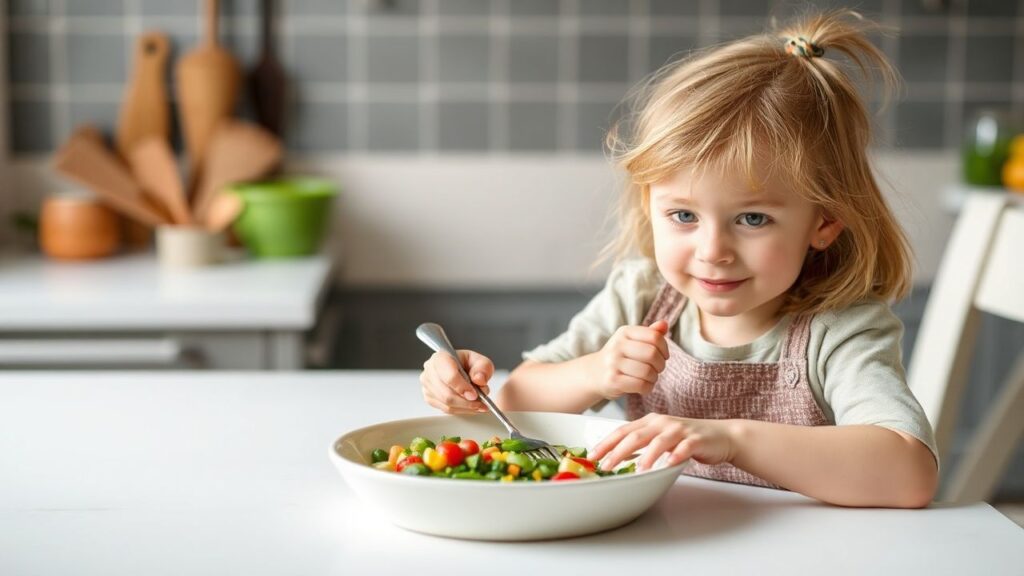
Building positive eating habits is a cornerstone of a child’s healthy development. This approach not only benefits their physical well-being but also their emotional and social growth. Remember that consistency and a positive attitude are your most powerful tools in this endeavor.
Exploring different cuisines and ingredients can also be a fantastic way to broaden horizons. Encourage your children to help choose recipes or shop for ingredients. This active participation makes them invested in the outcome and more likely to enjoy the meal. It’s about creating shared experiences centered around food.
When introducing new foods, consider the fear of new foods, known as food neophobia. This is a normal developmental stage for many children. Offering new items alongside familiar favorites, without pressure, is the most effective strategy. Repeated exposure is crucial, and it may take 10-15 tries before a child accepts a new taste or texture.
Furthermore, understanding the nutritional value of what we eat is important. The MyPlate program from the USDA provides excellent guidance on building balanced meals. Incorporating a variety of food groups ensures children receive the essential vitamins and minerals they need to grow and thrive. Aim for a colorful plate that represents different food types.
Don’t underestimate the power of presentation. Simple things like using cookie cutters for sandwiches, arranging food in fun patterns, or naming dishes creatively can make a huge difference. These playful touches transform a meal from mundane to exciting, capturing a child’s imagination and encouraging them to try what’s offered.
Finally, remember that mealtime is a fantastic opportunity for family connection. Put away distractions, engage in conversation, and enjoy the shared experience. This quality time strengthens family bonds and reinforces the idea that meals are a positive, communal event, rather than a chore. It’s about creating lasting memories.
See also: getting kids to love