
The Science of Soft: Mastering Tender Broccoli Cooking
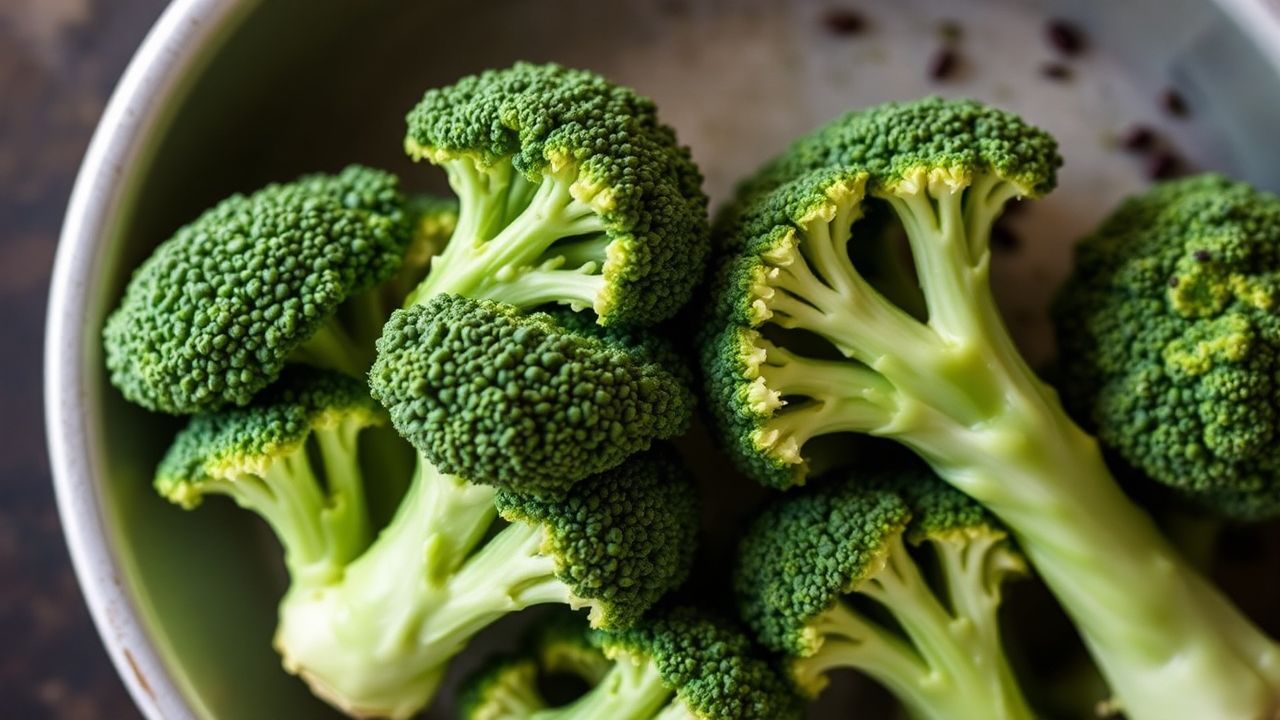
in vegetables, broccoli often straddles a fine line between crunchy delight and fibrous frustration. Achieving that perfect fork-tender bite—where the florets hold a gentle snap and the stalks yield easily without turning mushy—is nothing short of culinary alchemy. Welcome to the science of soft, where heat meets hydration and timing transforms vibrant green florets into a tender masterpiece.
- The Science of Soft: Mastering Tender Broccoli Cooking
- Understanding Broccoli’s Cellular Structure
- The Role of Heat and Timing in Achieving Perfect Tenderness
- Choosing the Right Cooking Methods for Soft Yet Flavorful Broccoli
- Expert Tips for Retaining Nutrients While Cooking Broccoli to Tender Perfection
- Uniform Cutting for Even Cooking
- The Power of Acidity
- Prep and Cook Time
- Yield
- Difficulty Level
- Ingredients
- Instructions
- Chef’s Notes
- Serving Suggestions
- Q&A: The Science of Soft – Mastering Tender Broccoli Cooking
- Q1: Why does broccoli sometimes turn out tough or bitter instead of tender and delicious?
- Q2: What’s happening at the cellular level when broccoli becomes tender?
- Q3: How does cooking method influence the texture of broccoli?
- Q4: Is there an optimal temperature or time to cook broccoli for perfect tenderness?
- Q5: Can marinating or pre-treatment improve broccoli softness and flavor?
- To Wrap It Up
- Unlock the secrets to perfectly tender broccoli, focusing on cellular breakdown for optimal texture.
- Discover the ideal heat and timing balance to prevent mushiness and retain vibrant color.
- Learn the best cooking methods for nutrient-rich, soft broccoli.
- Master simple techniques to elevate broccoli from side dish to star.
This article unlocks the secrets behind mastering tender broccoli cooking, diving deep into scientific principles and practical techniques that ensure every bite embodies both softness and flavor. Prepare to elevate your broccoli from overlooked side dish to star ingredient, all through the transformative power of thoughtful science and cooking craft.
Understanding Broccoli’s Cellular Structure
Understanding broccoli’s cellular structure is fundamental to mastering the art of cooking it to tender perfection without sacrificing its vibrant flavor or nutritional integrity. At the microscopic level, broccoli’s tightly packed plant cells are surrounded by rigid cell walls composed primarily of cellulose and pectin. These walls lend broccoli its characteristic crunch but can quickly turn fibrous and tough if not cooked mindfully.
Heat acts as the key to gently breaking down these walls, turning crisp florets into soft, luscious bites that still hold their shape and essence. The structural integrity of broccoli relies heavily on these cell walls, which are essentially plant scaffolding. When subjected to heat, the bonds within these walls begin to loosen.
The Role of Heat and Timing in Achieving Perfect Tenderness
When heat is applied thoughtfully, the pectin within broccoli softens gradually, allowing the texture to transform from stubborn firmness to tender without becoming mushy. Overcooking rapidly degrades the cell walls, causing a loss of structure and a dull flavor experience. The secret lies in striking the perfect balance between temperature and timing—just enough to coax out broccoli’s natural sweetness while preserving its vibrant green color.
This delicate dance between heat and time is critical. Pectin, a complex carbohydrate, acts as a cementing agent between plant cells. As it softens with heat, the cells become less rigid, and the vegetable yields. However, too much heat or time causes excessive pectin dissolution, leading to the breakdown of cell structures and the dreaded mushy texture.
The Science of Softening Pectin
Pectin’s behavior is central to achieving tender vegetables. In broccoli, pectin forms part of the middle lamella, the layer that binds plant cells together. When heated in the presence of water, pectin molecules begin to break down and become more soluble.
This process is accelerated by acidity and specific temperatures. Understanding this allows us to control the rate of softening, ensuring the broccoli becomes tender without disintegrating. This scientific principle forms the bedrock of successful tender vegetable preparation.
Choosing the Right Cooking Methods for Soft Yet Flavorful Broccoli
Steaming, blanching, and sautéing top the list for preserving broccoli’s nutritional goodness while achieving tender softness. Steaming envelops the broccoli in gentle, moist heat, loosening the cellular bonds without washing away vital vitamins. Blanching involves a quick dip in boiling water followed by an ice bath, halting the cooking process to lock in texture and color.
For a flavor-forward approach, sautéing in a touch of olive oil with garlic offers both tenderness and a caramelized depth, allowing you to customize seasoning effortlessly. Each method offers a unique pathway to delicious, tender broccoli, catering to different taste preferences and dietary needs.
Steaming for Delicate Tenderness
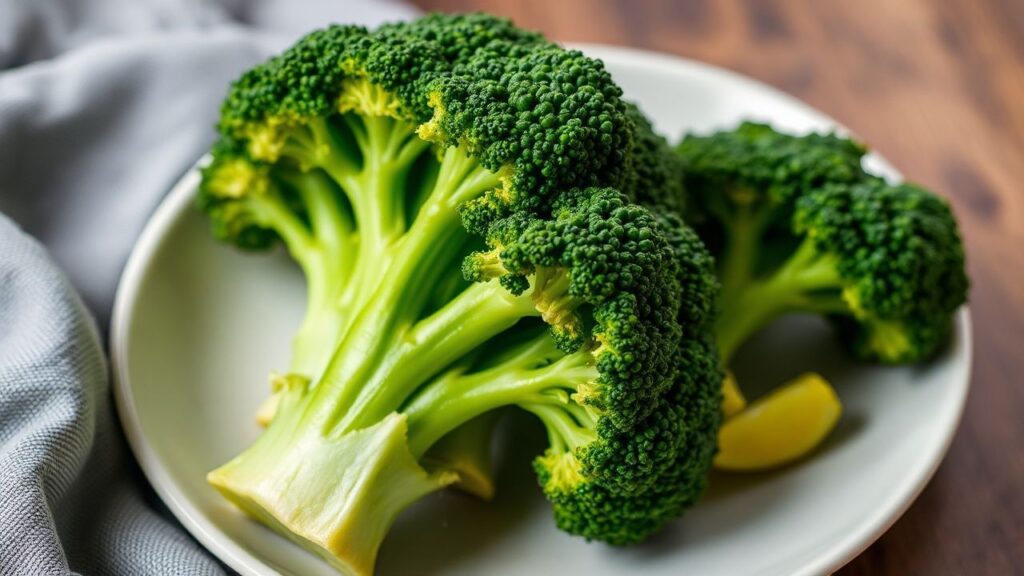
Steaming is often considered the gold standard for tender broccoli. The moist heat gently penetrates the florets and stems, allowing for even cooking. This method is excellent for retaining nutrients because the broccoli isn’t submerged in water, which can leach out water-soluble vitamins.
The steam, typically around 100°C (212°F), effectively softens the cell walls over a short period. The key is to monitor it closely to avoid overcooking, which can quickly turn that delicate tenderness into an unappealing mush.
Sautéing for Flavorful Caramelization
Sautéing introduces a different dimension of flavor and texture. By cooking broccoli in a hot pan with a bit of fat, like olive oil, you achieve a slight caramelization on the exterior. This not only enhances taste but can also contribute to a desirable tender-crisp texture.
Garlic and other aromatics can be added to infuse the broccoli with more flavor. The high heat of sautéing quickly breaks down some of the tougher fibers, making the broccoli tender relatively fast, especially when cut into smaller pieces.
Expert Tips for Retaining Nutrients While Cooking Broccoli to Tender Perfection
To maximize broccoli’s health benefits, avoid prolonged cooking and large volumes of water, which leach water-soluble vitamins like vitamin C and folate. Instead, opt for steaming or quick sautéing to reduce nutrient loss. Cutting broccoli into uniform florets ensures even cooking, while adding a splash of lemon juice just before serving brightens the dish and preserves antioxidants.
Remember, the texture you create influences not only the mouthfeel but the overall enjoyment—tender, nutrient-rich broccoli is a celebration of nature’s bounty in every bite. Adhering to these principles ensures you get the most nutritional value and the best possible taste from your cooked broccoli.
Uniform Cutting for Even Cooking
One of the most critical preparatory steps for perfectly cooked broccoli is ensuring all pieces are roughly the same size. This uniformity is crucial for even heat distribution and consistent tenderness throughout the dish.
When florets are cut to a similar size, they will all reach that ideal tender-crisp stage simultaneously. This prevents some pieces from being too hard while others have turned to mush, a common pitfall in broccoli preparation.
The Power of Acidity
Adding a touch of acidity, such as lemon juice, right at the end of the cooking process offers several benefits. It brightens the flavor profile, cutting through any slight bitterness that might linger. Scientifically, the ascorbic acid in lemon juice also acts as an antioxidant.
This antioxidant property can help preserve other beneficial compounds in the broccoli. It’s a simple yet effective way to enhance both taste and nutritional value, making the final dish more satisfying and healthy.
Prep and Cook Time
- Preparation: 10 minutes
- Cooking: 7 minutes (variable by method)
Yield
Serves 4 as a delightful side dish
Difficulty Level
Easy – perfect for both novice and experienced home cooks
Ingredients
- 1 large head broccoli, cut into uniform florets
- 2 tablespoons extra virgin olive oil
- 2 cloves garlic, thinly sliced
- 1 teaspoon sea salt, or to taste
- 1/4 teaspoon freshly ground black pepper
- 1 tablespoon fresh lemon juice
- Optional: pinch of red chili flakes for a subtle kick
Instructions
- Prepare the broccoli: Rinse broccoli thoroughly and pat dry. Cut the head into evenly sized florets for uniform tenderness.
- Choose your cooking method:
- Steaming: Bring 1 inch of water to boil in a pot fitted with a steamer basket. Add broccoli florets, cover, and steam for 5-6 minutes until tender but still bright green.
- Sautéing: Heat olive oil over medium heat in a wide skillet. Add garlic and sauté until fragrant, about 1 minute. Add broccoli, season with salt and pepper, and sauté, stirring often, for 5-7 minutes until tender-crisp and lightly caramelized.
- Blanching: Boil a large pot of water with salt. Add broccoli florets and cook for 2-3 minutes. Immediately transfer to a bowl of ice water to stop cooking. Drain thoroughly before serving.
- Finish and flavor: Drizzle with fresh lemon juice, toss gently, and adjust seasoning with additional salt and pepper. Add chili flakes if desired for warmth and complexity.
- Serve immediately for best texture and flavor, garnished with lemon zest or toasted nuts for an extra layer of interest.
Chef’s Notes
- For a creamier texture, after steaming, toss broccoli with a tablespoon of butter and sprinkle with Parmesan cheese.
- If blanching, ensure the ice bath is ready beforehand to preserve vibrant color and texture.
- Experiment with herbs like thyme or oregano during sautéing to deepen flavor profiles.
- Overcooking can cause a bitter taste—always test tenderness by piercing the stem with a fork; it should yield with slight resistance.
- Make-ahead tip: Cook broccoli using your preferred method, cool completely, then store in an airtight container for up to two days. Refresh by quickly sautéing before serving.
Serving Suggestions
Present tender broccoli as a vibrant side to grilled chicken or pan-seared fish, or mix into warm pasta tossed with garlic and olive oil. Elevate with toasted almonds or pine nuts sprinkled on top for crunch, and garnish with fresh herbs like parsley or basil for a fragrant finish. A generous squeeze of lemon brightens every bite, encouraging guests to savor the harmonious blend of flavor and texture you’ve meticulously crafted.
| Nutrient | Per Serving |
|---|---|
| Calories | 65 |
| Protein | 4.5g |
| Carbohydrates | 7g |
| Fat | 4.5g (mostly healthy fats) |
Explore our guide to vegetable steaming for more tips on retaining nutrients when cooking greens. For detailed science behind broccoli’s cellular makeup, visit ScienceDaily’s broccoli cellular structure insights.
Q&A: The Science of Soft – Mastering Tender Broccoli Cooking
Q1: Why does broccoli sometimes turn out tough or bitter instead of tender and delicious?
Broccoli’s texture and flavor hinge on the way its cell walls and compounds respond to heat. Overcooking breaks down fibers too much, leading to mushiness and loss of nutrients, while undercooking leaves it fibrous and bitter. The bitter taste often comes from glucosinolates, sulfur-containing compounds that release when broccoli is damaged or cooked improperly.
Q2: What’s happening at the cellular level when broccoli becomes tender?
Broccoli’s tenderness blossoms as heat gently breaks down its cellulose and hemicellulose in the cell walls. This softens the structure without liquefying it. Additionally, pectins—the natural “glue” between plant cells—begin to dissolve just enough to let the florets yield to your fork without turning to mush.
Q3: How does cooking method influence the texture of broccoli?
Steaming and blanching use moist heat that softens broccoli evenly and preserves its vibrant color and nutrients. Boiling can leach water-soluble vitamins and cause a limp texture, while roasting caramelizes the sugars, offering a tender yet crispy bite. Each method applies heat differently, impacting texture and flavor in unique ways.
Q4: Is there an optimal temperature or time to cook broccoli for perfect tenderness?
Yes! Cooking broccoli to a tender-crisp stage—usually around 3 to 5 minutes of steaming or blanching—is ideal. At approximately 212°F (100°C), this timeframe allows for cell wall softening without excessive nutrient loss or flavor change. Timing is key; seconds can shift broccoli from perfect to mushy.
Q5: Can marinating or pre-treatment improve broccoli softness and flavor?
Absolutely! Marinating broccoli in acidic mediums like lemon juice or vinegar can slightly break down tough fibers before cooking. Additionally, a brief massage with oil or salt can tenderize and enhance flavor absorption. These simple techniques complement the science of cooking and elevate both texture and taste.
This creative Q&A unpacks the fascinating chemistry behind tender broccoli, empowering cooks to master softness without sacrificing flavor or nutrition. With science as your sous-chef, even the simplest vegetable can become a culinary gem!
To Wrap It Up
As we close the chapter on the art and science of tender broccoli, remember that mastering softness is more than just a cooking technique—it’s an invitation to elevate everyday meals into sensory experiences. By understanding how heat, moisture, and time coax those vibrant green florets into tender perfection, you unlock a new dimension of flavor and texture that transforms broccoli from a humble side dish into a culinary star.
So next time you approach your broccoli batch, embrace the science with curiosity and care, and let each bite be proof of the beautiful balance between nature’s chemistry and your kitchen mastery. Here’s to broccoli, tenderly cooked and joyfully savored.
See also: tender broccoli