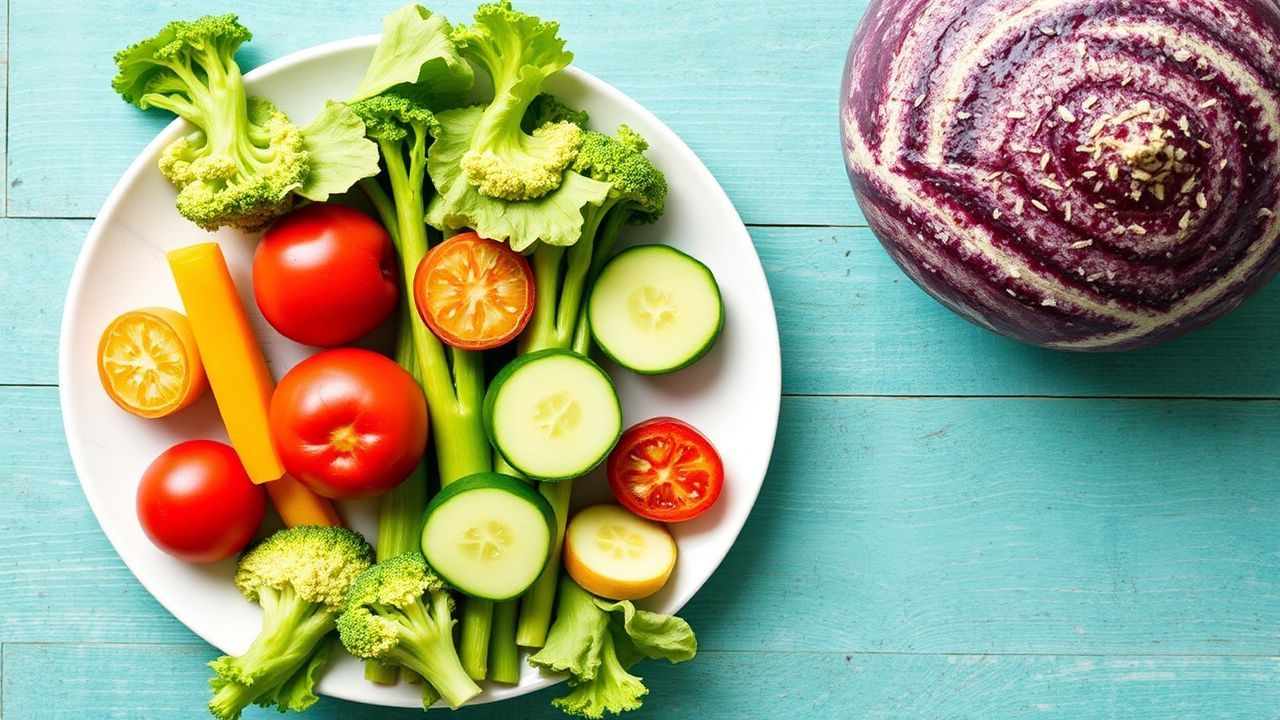

Transforming Picky Eaters: Fun Veggie Strategies for Toddlers
Getting picky toddlers to embrace vegetables can feel like navigating a culinary minefield. Tiny food critics often exhibit a strong preference for familiar, milder tastes, making broccoli or carrots a tough sell. Yet, a world of creative possibilities exists to transform these nutritious powerhouses into irresistible bites.
- Transforming Picky Eaters: Fun Veggie Strategies for Toddlers
- Mastering the Art of Veggie Introduction
- Creative Veggie Patty Recipe: A Step-by-Step Guide
- Chef’s Notes for Enhanced Veggie Success
- Frequently Asked Questions About Feeding Picky Toddlers
- Q1: Why do toddlers often reject vegetables?
- Q2: How can I make vegetables more appealing to a picky toddler?
- Q3: Are there foolproof veggie disguises that work every time?
- Q4: Can games or storytelling help encourage veggie consumption?
- Q5: How important is patience in turning veggies into fun?
- Q6: What are some creative serving ideas to entice toddlers?
- Q7: Should I be concerned if my toddler still resists veggies after trying these tricks?
- Q8: Can involving toddlers in growing vegetables help?
- Nurturing Healthy Habits Through Playful Eating
From playful presentations to cleverly disguised recipes, making vegetables fun not only nourishes growing bodies but also cultivates a lifelong appreciation for healthy eating. This guide unlocks inventive tricks and tips to turn mealtime into a joyous adventure, ensuring even the fussiest eaters ask for seconds. Feeding vegetables doesn’t have to be a struggle; it can be a delightful challenge filled with flavor and discovery.
At a Glance: Fun Veggie Feeding
- Playful Presentation: Shape veggies into fun forms and characters.
- Sneaky Integration: Blend or grate veggies into favorite dishes.
- Involvement is Key: Let toddlers participate in prep and cooking.
- Patience & Positivity: Repeated exposure and a good attitude win.
Mastering the Art of Veggie Introduction
As a Culinary Content Creator and Food Stylist, I’ve witnessed firsthand how presentation and engagement can reshape a child’s perception of food. Turning vegetables into an experience rather than a chore is a transformative approach. It shifts mealtime from a potential battleground into a period of exploration and enjoyment for both parents and toddlers.
These playful techniques aim to make vegetables intriguing, sparking curiosity and encouraging little ones to explore new tastes and textures without immediate resistance. Understanding toddler development is key here. Their neophobia, or fear of new things, often peaks during the toddler years. This is a natural evolutionary response, but it presents a challenge for parents aiming to build healthy eating habits. By reframing vegetables as exciting and non-threatening, we can gradually expand their palates. This concept of neophobia is a well-documented aspect of child development, as explored in psychology resources.
The Foundation: Preparation and Ingredients
Success hinges on thoughtful preparation and selecting the right ingredients. Focusing on nutrient-dense, toddler-friendly vegetables forms the base of many successful dishes. The goal is to make them appealing in both form and flavor, ensuring they are easy for little hands to manage and enjoy.
- Preparation: 15 minutes
- Cooking: 20 minutes
- Total Time: 35 minutes
Serves: 4 toddlers
Difficulty Level: Easy
Essential Ingredients for Veggie Fun
Building a versatile recipe requires a blend of vegetables, binders, and flavor enhancers that appeal to young palates. These ingredients are chosen for their ability to combine well and create a palatable, nutritious outcome. This recipe focuses on creating delightful veggie patties, a fantastic vehicle for introducing a variety of vegetables.
- 1 cup finely grated carrots
- 1 cup finely chopped zucchini, squeezed dry
- 1/2 cup steamed and mashed cauliflower
- 1/2 cup cooked quinoa, cooled
- 2 large eggs, beaten
- 1/2 cup whole wheat breadcrumbs
- 1/4 cup shredded cheddar cheese (optional, for richness and flavor)
- 1 tablespoon olive oil
- 1 teaspoon garlic powder
- 1 teaspoon mild paprika
- Pinch of salt (optional)
- A few sprigs of fresh parsley or chives for garnish
Creative Veggie Patty Recipe: A Step-by-Step Guide
This recipe offers a foundation for creating delicious, fun veggie patties that can be customized to your toddler’s preferences. The key is in the preparation and the playful shaping. These patties are soft enough for little mouths and can be made into various engaging shapes.
- Prepare the Veggies: Finely grate carrots and chop zucchini. It is crucial to squeeze out excess moisture from the zucchini using a clean kitchen towel or cheesecloth. This step prevents the patties from becoming soggy and ensures they hold their shape during cooking.
- Combine Base Ingredients: In a large mixing bowl, combine the grated carrots, finely chopped zucchini, mashed cauliflower, and cooked quinoa. Gently mix these components to create a cohesive base for the patties.
- Incorporate Binders and Flavor: Stir in the beaten eggs, whole wheat breadcrumbs, shredded cheddar cheese (if using), garlic powder, paprika, and a pinch of salt. The mixture should be firm enough to hold together when pressed. If it seems too wet, gradually add more breadcrumbs, one tablespoon at a time, until the desired consistency is achieved.
- Shape into Fun Forms: With clean hands, gently form the mixture into small, bite-sized patties. Encourage creativity by shaping them into fun animal figures, stars, or even simple veggie faces. These playful forms can significantly increase a toddler’s interest in trying them.
- Cook with Care: Heat olive oil in a non-stick skillet over medium heat. Carefully place the shaped patties into the skillet. Sauté for approximately 4-5 minutes on each side, until they are golden brown and cooked through. Flip them gently to maintain their unique shapes.
- Drain and Cool: Transfer the cooked patties to a plate lined with paper towels to absorb any excess oil. Allow them to cool slightly before serving. This ensures they are at a safe temperature for your toddler to enjoy.
The science of taste perception in children is fascinating. Toddlers often have more sensitive taste buds than adults, which can make them more reactive to strong or bitter flavors often found in vegetables. Repeated, gentle exposure to a variety of vegetables in different forms is crucial for them to develop an acceptance of these tastes. This gradual exposure is a cornerstone of building healthy eating habits.
Chef’s Notes for Enhanced Veggie Success
These additional tips and tricks can elevate your veggie-feeding strategy, offering flexibility and ensuring consistent success even with challenging eaters. Adapting recipes and presentation can make a significant difference.
- Vegetable Swaps: Feel free to substitute or add other finely chopped or pureed vegetables. Options like spinach, sweet potato, or peas can increase nutrient variety and flavor profiles. Ensure they are finely processed to integrate well into the patty mixture.
- Make-Ahead Convenience: These patties can be prepared ahead of time. Refrigerate them in an airtight container for up to 2 days or freeze individual patties for a quick, healthy snack option anytime. This saves precious time during busy mealtimes.
- Texture Perfection: Thoroughly squeezing moisture from vegetables like zucchini and ensuring cauliflower is well-mashed are critical steps. This guarantees the patties hold together well and achieve a pleasant, non-mushy texture. Achieving the right consistency prevents them from falling apart.
- Allergy Alternatives: For families managing egg allergies, a simple flaxseed egg substitute works wonders. Mix 1 tablespoon of flaxseed meal with 3 tablespoons of water and let it sit for a few minutes; this combination equals one egg. This ensures the recipe is adaptable for various dietary needs.
Serving Suggestions for Maximum Appeal
Presentation is paramount when enticing toddlers. The way food is served can dramatically influence their willingness to try it. Think vibrant colors, interactive elements, and familiar accompaniments.
Present these vibrant veggie patties on a colorful toddler plate. Consider pairing them with a small cup of a mild yogurt-based dip or a touch of ketchup. Garnish with fresh parsley or chives to add pops of green that capture a child’s attention. Arranging the shapes to create a playful “veggie garden” scene can invite little hands to explore their meal. Serving them alongside soft whole grain bread or cut into bite-sized pieces enhances the finger food experience. Remember, celebrating curiosity at mealtime builds positive eating habits that can last a lifetime. This approach taps into the psychological aspect of food enjoyment, making it less about obligation and more about discovery.
Involving toddlers in the mealtime experience itself can be a powerful tool. Let them use child-safe cookie cutters to shape their patties or arrange them into fun pictures on their plates. Sometimes, a simple name change can work wonders; call broccoli “tiny trees” or peas “green jewels.” These playful associations can shift their perception from a dreaded food to an exciting discovery. This strategy taps into a child’s natural inclination towards imagination and play.
| Nutrient | Per Serving |
|---|---|
| Calories | 140 |
| Protein | 6g |
| Carbohydrates | 15g |
| Fat | 6g |
Explore more creative ways to make kids love vegetables. For expert guidance on toddler nutrition, visit the CDC Infant and Toddler Nutrition resources.
Frequently Asked Questions About Feeding Picky Toddlers
Q1: Why do toddlers often reject vegetables?
Toddlers can be naturally wary of new flavors, textures, and colors. Their developing palates are often drawn to sweet and salty tastes, making the bitter or earthy notes of many vegetables seem unfamiliar or unpleasant. Additionally, certain textures can feel unusual or even off-putting in their mouths, further contributing to their reluctance. This is a normal developmental stage, often linked to evolutionary protective mechanisms.
Q2: How can I make vegetables more appealing to a picky toddler?
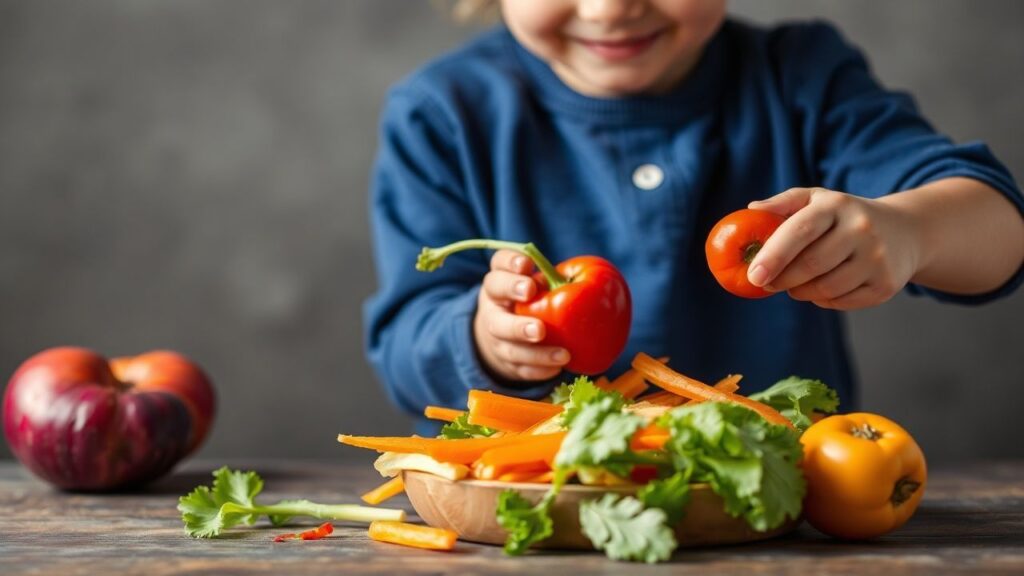
The key is to transform vegetables into an engaging experience. Employ bright colors and playful shapes – think carrot sticks as “magic wands” or cucumber slices as “little wheels.” Involving your toddler in the preparation process is also highly effective; children often show greater enthusiasm for tasting foods they helped create. This fosters a sense of ownership and curiosity, making them more open to trying new foods.
Q3: Are there foolproof veggie disguises that work every time?
While no single method guarantees success for every child, several classic strategies tend to be effective. Blending spinach or kale into smoothies, hiding pureed carrots or sweet potatoes within sauces or muffins, and finely grating vegetables into meatballs or pancakes are popular choices. The overarching principle is subtlety – your child enjoys familiar favorites enhanced with a hidden nutritional boost. Understanding the psychology of neophobia can help parents approach this challenge with more insight.
Q4: Can games or storytelling help encourage veggie consumption?
Absolutely. Creating narratives around vegetables can spark imagination and reduce apprehension. For instance, you could say, “Broccoli trees give us superhero strength!” or “Tomato treasures make us bright and healthy!” Mealtimes can become playful quests or “veggie hunts,” where the act of eating transforms into enjoyable play, often dissolving resistance. This playful approach leverages a child’s natural inclination towards imaginative activities, making food less intimidating.
Q5: How important is patience in turning veggies into fun?
Patience is an essential ingredient in this process. Taste buds require time to adapt, and toddlers might need multiple exposures to a vegetable before they accept it. Celebrate small victories, consistently offer variety, and maintain a positive attitude. Your enthusiasm and calm demeanor are contagious and play a significant role in shaping their eating habits. Remember, building new preferences takes time and consistent effort.
Q6: What are some creative serving ideas to entice toddlers?
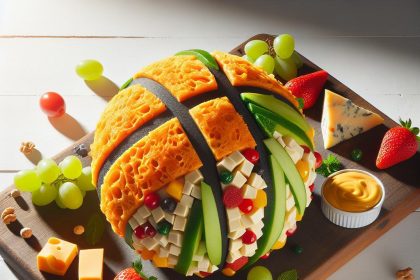
Serve vegetables with appealing dips like hummus, yogurt ranch, or guacamole. Construct colorful veggie faces on plates, or create vibrant mini kebabs. Using cookie cutters to make vegetable stars or hearts adds a whimsical touch. Effective presentation can turn a simple carrot into an exciting, crunchy delight that a child is eager to explore. The visual appeal of food is a significant factor for young children, directly influencing their willingness to try something new.
Q7: Should I be concerned if my toddler still resists veggies after trying these tricks?
It’s quite normal for toddlers to go through phases of food refusal. Continue to offer vegetables without pressure, as forcing can lead to negative associations with food. If concerns about your child’s nutrition persist, it’s always advisable to consult with a pediatrician or a registered dietitian. In the meantime, keep the mealtime atmosphere light and loving; persistence is key. Understanding the nuances of child nutrition is vital for long-term health.
Q8: Can involving toddlers in growing vegetables help?
Gardening can be a remarkable tool for encouraging vegetable consumption. Witnessing a seed sprout and grow into a harvest builds excitement and a sense of ownership over the food. Furthermore, fresh-from-the-garden vegetables often possess superior flavor, inspiring pride in trying what they helped cultivate. This connection to the source of food is incredibly powerful, fostering a deeper appreciation.
Feeding picky toddlers vegetables doesn’t need to be an uphill battle. With a blend of creativity, playfulness, and unwavering patience, you can transform mealtime into a fun, veggie-filled adventure!
Nurturing Healthy Habits Through Playful Eating
In the journey of nurturing young eaters, the art of turning vegetables into fun is more than just a clever tactic; it’s a vital bridge to establishing healthy habits and fostering joyful mealtimes. By infusing creativity, vibrant colors, and a generous sprinkle of play into your vegetable offerings, you can transform ordinary greens into exciting culinary quests on your toddler’s plate.
Remember that patience and persistence are your most valuable allies. Every small bite accepted is a victory worth celebrating. So, embrace the fun: let carrots dance, allow peas to play peekaboo, and observe as previously picky eaters blossom into curious culinary explorers. Ultimately, when vegetables become a source of enjoyment, healthy eating naturally evolves into a happy, lifelong habit. This approach lays a strong foundation for nutritional well-being.
Introducing a variety of textures and preparation methods is also key. Some toddlers may prefer crunchy raw vegetables, while others might enjoy them softened through steaming or roasting. Experimenting with different approaches can unlock new possibilities and help identify your child’s preferences. Offering a range of options ensures that you are consistently providing opportunities for them to engage with vegetables.
Consider the power of peer influence, even at a young age. If your toddler sees other children enthusiastically eating vegetables, they may be more inclined to try them. Family mealtimes, where everyone is encouraged to eat a variety of foods, can create a positive social environment for healthy eating. This creates a supportive atmosphere where trying new things is the norm, normalizing vegetable consumption.
The principle of “no pressure” is fundamental. Forcing a child to eat something often backfires, creating negative associations. Instead, focus on making the food available and appealing. Your role is to provide healthy options; their role is to decide how much to eat from what is offered. This respects their autonomy and reduces mealtime stress for everyone involved. Remember that consistent exposure, even if they don’t eat it immediately, is building familiarity and acceptance over time, a concept explored in behavioral psychology.
Incorporating vegetables into snacks, not just meals, can also be a smart strategy. Veggie sticks with a favorite dip, small portions of steamed broccoli, or even a small smoothie with hidden greens can be great ways to boost their intake. Snacks are often less formal and can be an easier entry point for reluctant eaters. This provides additional opportunities for them to experience vegetables in a low-stakes setting, reducing performance anxiety around food.
Finally, celebrate every small step. A lick, a nibble, or even just exploring the food with their hands is progress. Positive reinforcement, without overdoing it, can encourage further exploration. A simple “Wow, you touched the carrot!” can be more effective than a big fuss. This acknowledges their effort and encourages continued engagement with healthy foods, building confidence in their ability to try new things.
See also: picky toddlers