
The Undeniable Allure of Authentic Jerk Marinade
The notion that achieving truly transcendent jerk flavor requires obscure, unattainable ingredients is a fallacy. While the iconic Scotch bonnet pepper and pimento wood are indeed crucial, the true magic of a profound jerk marinade lies not in rarity, but in its meticulous balance and the understanding of its foundational elements. It’s a symphony of heat, aromatics, and a subtle, earthy sweetness, a flavor profile so potent it has transcended its island origins to become a global culinary phenomenon. Creating this magic in your own kitchen offers a deeply satisfying, intensely flavorful experience, and honors the vibrant culinary heritage it represents.
- The Undeniable Allure of Authentic Jerk Marinade
- Deconstructing the Jerk Marinade: The Pillars of Flavor
- The Fiery Heart: Peppers and Their Kin
- Aromatic Architects: The Herbaceous Backbone
- The Soul of Spice: Pimento and Beyond
- The Umami & Sweetness Foundation: Soy, Sweeteners, and Acids
- Crafting Your Master Jerk Marinade: A Step-by-Step Ritual
- Ingredients: The Architect’s Blueprint
- The Method: A Symphony of Blending and Infusion
- Cooking the Jerk: The Fiery Finish
- Nutritional Snapshot: A Flavorful Indulgence
- Expert Insights and Pro-Cautions
- Elevating Your Jerk Marinade: Beyond the Basics
- The Cultural Significance of Jerk
- FAQ: Your Jerk Marinade Queries Answered
Key Takeaways:
- Authenticity in jerk marinade hinges on understanding the interplay of heat, aromatics, and umami, rather than relying on exoticism.
- The foundational elements of pimento (allspice), thyme, and scallions are non-negotiable for genuine Jamaican jerk flavor.
- Mastering the heat level is paramount; Scotch bonnet peppers are the traditional choice, but judicious substitutions can be made with careful consideration.
- Patience during the marinating process is as vital as ingredient selection, allowing flavors to deeply permeate the protein.
The journey to an exceptional jerk marinade begins with respect for its roots. For centuries, enslaved Africans in Jamaica developed the “jerk” method, utilizing native spices and the smoking properties of pimento wood to preserve and flavor their food. This culinary ingenuity, born out of necessity, evolved into a sophisticated cooking technique and a complex flavor profile. This is about understanding the cultural narrative woven into every molecule of flavor.
Deconstructing the Jerk Marinade: The Pillars of Flavor
To craft a superior jerk marinade from scratch, one must dissect its essential components. These are not mere ingredients; they are the very soul of the dish.
The Fiery Heart: Peppers and Their Kin
The indisputable king of the jerk world is the Scotch bonnet pepper. Its ferocious heat is matched only by its distinctive fruity undertones, a complex profile that differentiates it from the more one-dimensional heat of many other chiles. Its presence is non-negotiable for true authenticity. However, its sheer potency can be intimidating, and access can be a challenge for some.
Heat Management: A Delicate Dance
For those who find the Scotch bonnet overwhelming, or if it’s unavailable, a blend can be employed. Habanero peppers, while similar, often lack the subtle sweetness. Bird’s eye chilies offer a clean, sharp heat but miss the fruity nuance. A judicious combination, perhaps two-thirds habanero and one-third a milder, fruitier chile like a Fresno or even a red bell pepper (for color and a whisper of sweetness without heat), can offer a more approachable, yet still compelling, heat profile. The key is to understand the *type* of heat and flavor you are trying to replicate, not just the Scoville units.
Aromatic Architects: The Herbaceous Backbone
Beyond the fire, a robust aromatic foundation is laid. Fresh thyme, with its earthy, slightly floral notes, is paramount. It’s a lead vocalist in the flavor symphony. Scallions (green onions) provide a pungent, oniony bite that cuts through richness.
The Piquant Trio: Garlic, Ginger, and Onion
Fresh garlic is indispensable, offering its pungent depth. Fresh ginger adds a zesty, warming counterpoint to the heat and aromatics. A small amount of yellow onion, finely minced or grated, can add a subtle sweetness and complexity that raw scallions alone might not achieve.
The Soul of Spice: Pimento and Beyond
The defining spice of jerk is allspice, or pimento, derived from the berries of the *Pimenta dioica* tree. Its name hints at its complexity, possessing notes of clove, cinnamon, and nutmeg. The aroma alone is transportive. Freshly ground allspice is vastly superior to pre-ground.
Supporting Cast of Spices
Beyond allspice, a few other spices play crucial supporting roles:
- Black Peppercorns: For a sharp, pungent bite that complements the allspice.
- Cinnamon: A small pinch can enhance the warmth and sweetness, echoing the allspice’s profile.
- Nutmeg: Used sparingly, it adds a layer of earthy complexity.
- Coriander Seeds: Offer a citrusy, slightly floral note that brightens the marinade.
The Umami & Sweetness Foundation: Soy, Sweeteners, and Acids
A truly balanced jerk marinade requires more than just spice and aromatics. It needs depth and a touch of sweetness to temper the heat and meld the flavors.
Umami Boosters
Traditionally, soy sauce or tamari provides a significant umami punch, along with saltiness. While some argue that a more traditional approach would rely on salt alone, the ubiquity and deliciousness of soy sauce in contemporary jerk marinades are undeniable. A splash of Worcestershire sauce can also add a complex layer of fermented umami.
The Sweet Counterpoint
Brown sugar or molasses is essential for a touch of sweetness, which caramelizes beautifully when cooked, creating a delightful crust and balancing the aggressive heat. Honey can also be used, though it imparts a distinct flavor.
Acidity for Balance
A splash of lime juice or vinegar (white or apple cider) provides acidity, which brightens the flavors and helps to tenderize the meat, allowing the marinade to penetrate more effectively.
Crafting Your Master Jerk Marinade: A Step-by-Step Ritual
This recipe aims for a balance that is both authentic and adaptable, a template for your own culinary exploration.
Ingredients: The Architect’s Blueprint
This recipe yields approximately 2 cups (475 ml) of marinade, enough for 2-3 pounds (approx. 1-1.4 kg) of protein.
For the Heat and Aromatics:
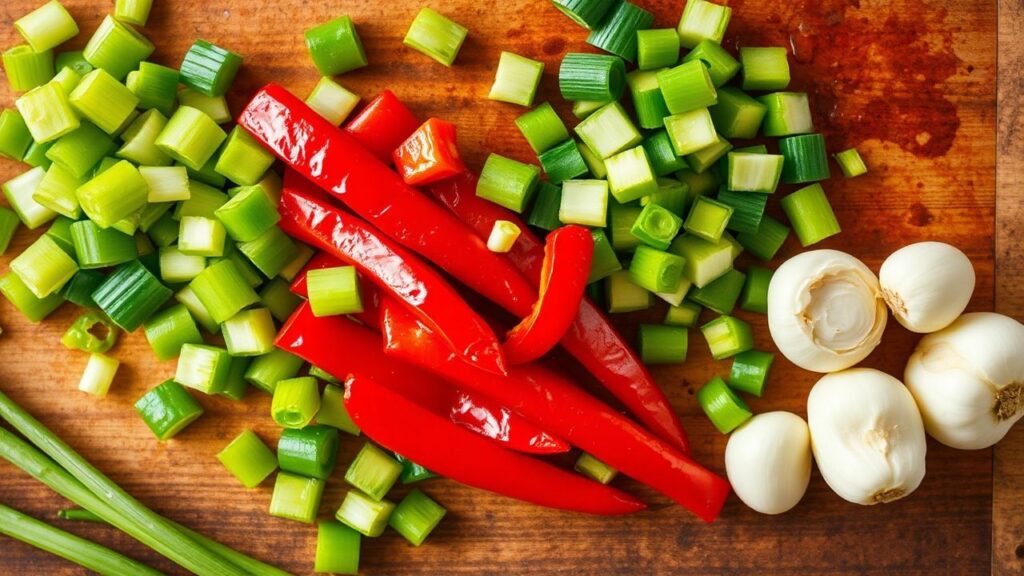
- 6-8 Scotch bonnet peppers, stemmed and roughly chopped (adjust to heat preference; see notes on substitutions)
- 1 large bunch scallions (about 6-8 stalks), roughly chopped
- 8 cloves garlic, peeled
- 1 inch (2.5 cm) piece of fresh ginger, peeled and roughly chopped
- 1/2 medium yellow onion, roughly chopped
For the Spice Blend:
- 2 tablespoons whole allspice berries
- 1 tablespoon black peppercorns
- 1 teaspoon coriander seeds
- 1/2 teaspoon ground cinnamon (or a 1-inch piece of cinnamon stick)
- Pinch of freshly grated nutmeg
For the Umami, Sweetness, and Acidity:
- 1/2 cup (120 ml) soy sauce (or tamari for gluten-free)
- 1/4 cup (60 ml) dark brown sugar (or molasses)
- 2 tablespoons fresh lime juice
- 1 tablespoon olive oil (optional, for smoother blending)
- 1 teaspoon salt (adjust to taste, especially if using low-sodium soy sauce)
The Method: A Symphony of Blending and Infusion
The preparation of jerk marinade is a culinary alchemy, requiring patience and a keen sense for texture and aroma.
Step 1: Toasting the Spices (The Aroma Awakens)**
In a dry skillet over medium heat, toast the allspice berries, black peppercorns, and coriander seeds until fragrant, about 2-3 minutes. Swirl the pan constantly to prevent burning. If using a cinnamon stick, add it in the last minute. Once toasted, transfer to a spice grinder or mortar and pestle. Grind to a fine powder. If using pre-ground spices, skip this step, but be aware that fresh grinding yields superior flavor.
Step 2: Building the Aromatic Paste (The Foundation)**
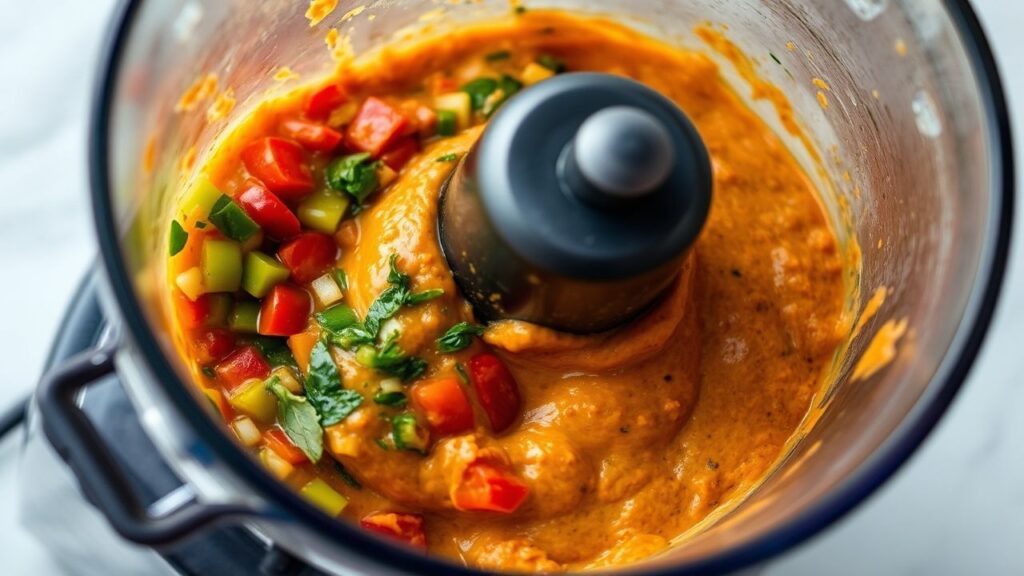
In a high-powered blender or food processor, combine the Scotch bonnet peppers, scallions, garlic, ginger, and yellow onion. Pulse until a coarse paste forms. If the mixture is too dry, add a tablespoon of water or lime juice to help it blend.
Step 3: Introducing the Spice and Umami (The Depth)**
Add the freshly ground spice blend to the blender. Pour in the soy sauce, brown sugar, lime juice, and olive oil (if using). Add the salt.
Step 4: The Final Blend (The Harmony)**
Blend the mixture until it forms a smooth, thick paste. This might take a few minutes, depending on your blender. Scrape down the sides as needed. The consistency should be like a thick pesto or a smooth chutney. Taste and adjust seasoning – more salt for savoriness, more sugar for sweetness, or a touch more lime for brightness.
In a high-powered blender or food processor, combine the Scotch bonnet peppers, scallions, garlic, ginger, and yellow onion. Pulse until a coarse paste forms. If the mixture is too dry, add a tablespoon of water or lime juice to help it blend.
Step 3: Introducing the Spice and Umami (The Depth)**
Add the freshly ground spice blend to the blender. Pour in the soy sauce, brown sugar, lime juice, and olive oil (if using). Add the salt.
Step 4: The Final Blend (The Harmony)**
Blend the mixture until it forms a smooth, thick paste. This might take a few minutes, depending on your blender. Scrape down the sides as needed. The consistency should be like a thick pesto or a smooth chutney. Taste and adjust seasoning – more salt for savoriness, more sugar for sweetness, or a touch more lime for brightness.
Blend the mixture until it forms a smooth, thick paste. This might take a few minutes, depending on your blender. Scrape down the sides as needed. The consistency should be like a thick pesto or a smooth chutney. Taste and adjust seasoning – more salt for savoriness, more sugar for sweetness, or a touch more lime for brightness.
Marinating: The Patience of Flavor
This is where the true magic happens. The marinade needs time to work its way into the protein.
For Chicken or Pork:
- Place your chicken pieces (thighs, wings, or a whole bird) or pork cuts (ribs, shoulder) in a large bowl or resealable plastic bag.
- Pour the jerk marinade over the protein, ensuring every piece is thoroughly coated. Use your hands to really work the marinade into crevices and under the skin.
- Marinate in the refrigerator for at least 4 hours, but ideally overnight (12-24 hours) for maximum flavor penetration. For larger cuts like pork shoulder, a longer marination time can be beneficial.
For Fish or Shrimp:
- Fish and shrimp are more delicate. Marinate for a shorter period, typically 30 minutes to 2 hours, depending on the thickness of the fish. Over-marinating can “cook” the fish with the acidity.
Cooking the Jerk: The Fiery Finish
Traditionally, jerk is cooked over pimento wood on an open grill, imparting a unique smoky flavor. While this is the ideal, adaptations are necessary for home kitchens.
- Grilling: Grill over medium-high heat, turning frequently to prevent burning. Aim for charred edges and a smoky aroma.
- Baking/Roasting: Place marinated protein on a baking sheet lined with parchment paper. Roast at 375°F (190°C) until cooked through, basting occasionally with any remaining marinade (ensure it’s cooked safely).
- Pan-Searing: For smaller pieces like chicken thighs or fish fillets, pan-sear in a hot skillet until caramelized and cooked through.
Nutritional Snapshot: A Flavorful Indulgence
While a precise nutritional breakdown depends heavily on the protein and cooking method used, the jerk marinade itself contributes significant flavor and some nutritional value. A typical 2-tablespoon serving (approximately 30g) of the marinade itself would be:
| Nutrient | Amount (approx.) |
|---|
| :————- | :————— |
| Calories | 30-50 kcal |
|---|
| Carbohydrates | 5-10g |
| Sugars | 4-8g |
|---|
| Protein | 1-2g |
| Fat | 0-1g |
|---|
| Sodium | 300-500mg |
*Note: These are approximate values and can vary based on specific ingredient brands and quantities. The high sodium content is largely due to the soy sauce.*
Expert Insights and Pro-Cautions
The depth of flavor in a truly great jerk marinade is directly proportional to the quality of your ingredients and the time you allow for the marination process. Rushing these steps will result in a superficial flavor, lacking the complex, layered experience that defines authentic jerk.
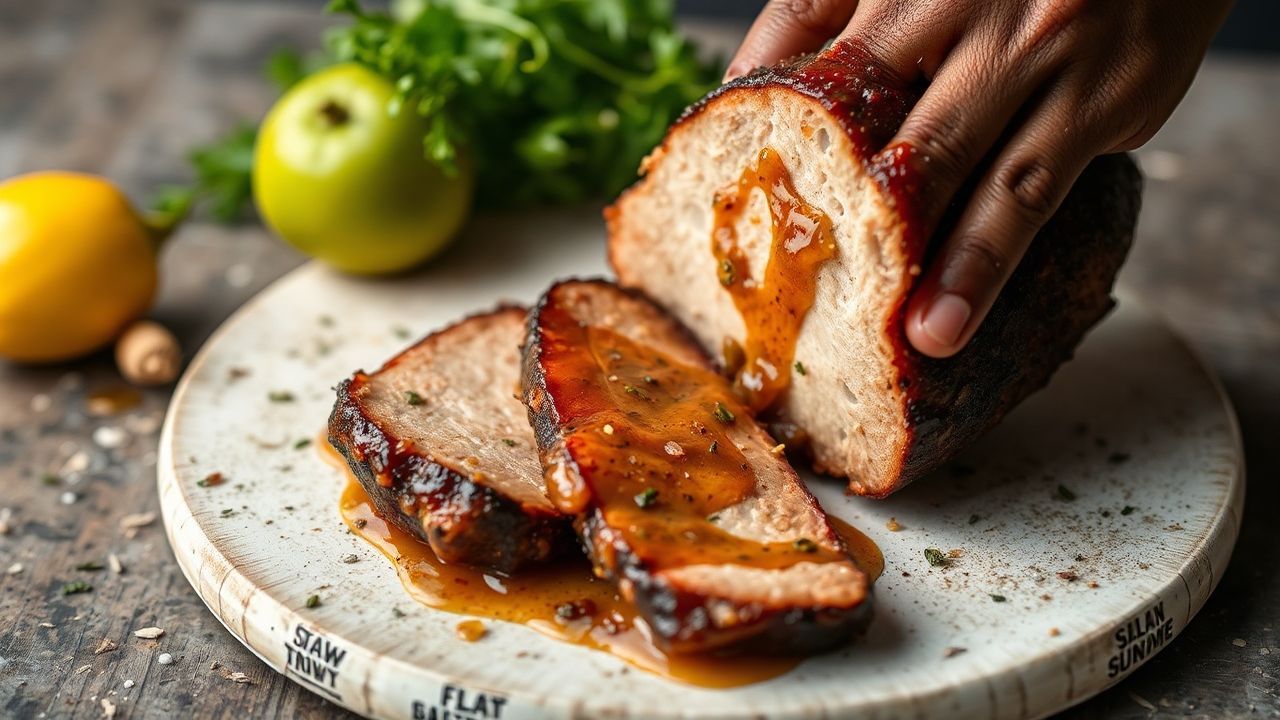
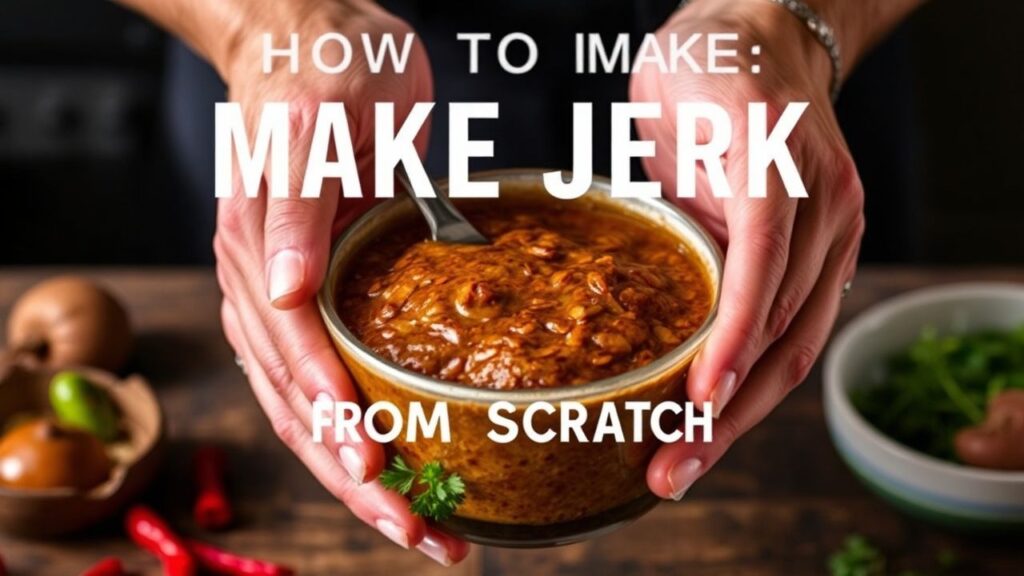
The visual appeal of the marinade is also part of the experience. The vibrant reds and greens, flecked with dark spices, are proof of the potent natural ingredients at play. The aroma that fills your kitchen during preparation is an intoxicating prelude to the feast to come.
Elevating Your Jerk Marinade: Beyond the Basics
Once you’ve mastered the fundamental recipe, there are avenues for refinement and personalization.
The Pimento Wood Question
The true, traditional jerk flavor is inextricably linked to cooking over pimento wood. This aromatic wood imparts a unique, sweet, and pungent smoke that cannot be replicated by other woods. If you have access to pimento wood, even in small quantities to add to your charcoal grill, it will elevate your jerk to an entirely new level. If not, a blend of fruitwoods like apple or cherry, combined with a few chunks of hickory for a robust smokiness, can be a decent substitute.
The Fermentation Factor
Some older, more rustic jerk recipes incorporate a degree of fermentation, often by allowing the pepper paste to sit for a day or two before mixing with other ingredients. This process develops a deeper, more complex, and slightly tangy flavor profile. This is an advanced technique, and requires careful attention to sanitation to avoid spoilage.
Umami Enhancements
For an even deeper umami profile, consider adding a small amount of fermented shrimp paste (belacan or shrimp paste), a staple in many Southeast Asian cuisines. Used sparingly, it can add an incredible depth of flavor that complements the spices beautifully. However, this is a significant departure from traditional Jamaican jerk and should be approached with experimentation.
The Cultural Significance of Jerk
Jerk is more than just a flavor; it’s a cultural touchstone in Jamaica. The communal act of preparing and sharing jerk, often at weekend gatherings or festivals, reinforces social bonds and celebrates national identity. The vibrant street food culture surrounding jerk, from roadside stands to established restaurants, speaks to its enduring popularity. Understanding this context enriches the appreciation of the dish. The iconic “jerk center” in Montego Bay, for instance, has become a pilgrimage site for food enthusiasts worldwide, proof of the global appeal of this culinary tradition.
FAQ: Your Jerk Marinade Queries Answered
What are the absolute essential ingredients for an authentic jerk marinade?
The non-negotiable pillars of an authentic jerk marinade are Scotch bonnet peppers for heat and fruity notes, allspice (pimento) for its complex warm spice profile, fresh thyme for its herbaceous depth, and scallions for their pungent aroma. Without these core components, you are venturing away from true Jamaican jerk flavor.
Can I make jerk marinade without Scotch bonnet peppers?
Yes, you can, but it will be a departure from strict authenticity. If Scotch bonnets are unavailable or too hot for your preference, you can substitute with a blend of habanero peppers (for similar heat and fruitiness, though often less sweet) and milder chilies like Fresno or even red bell peppers to retain color and some sweetness. The key is to understand the flavor profile you are trying to achieve – a balance of intense heat, fruitiness, and complex aromatics.
How long should I marinate meat in jerk marinade?
The marinating time is crucial for flavor penetration. For chicken and pork, a minimum of 4 hours is recommended, but overnight (12-24 hours) will yield the most profound flavor. For delicate proteins like fish or shrimp, marinate for a much shorter period, typically 30 minutes to 2 hours, as the acidity in the marinade can begin to “cook” them.
Can I freeze jerk marinade?
Absolutely. Jerk marinade freezes exceptionally well. Store it in an airtight container or heavy-duty freezer bag. It can be kept in the freezer for up to 3-6 months. When ready to use, thaw it in the refrigerator overnight. The flavor may be slightly less vibrant after prolonged freezing, but it will still be delicious.
See also: Jerk marinade