
The Siren Song of Takeout: Why We Crave Beef and Broccoli
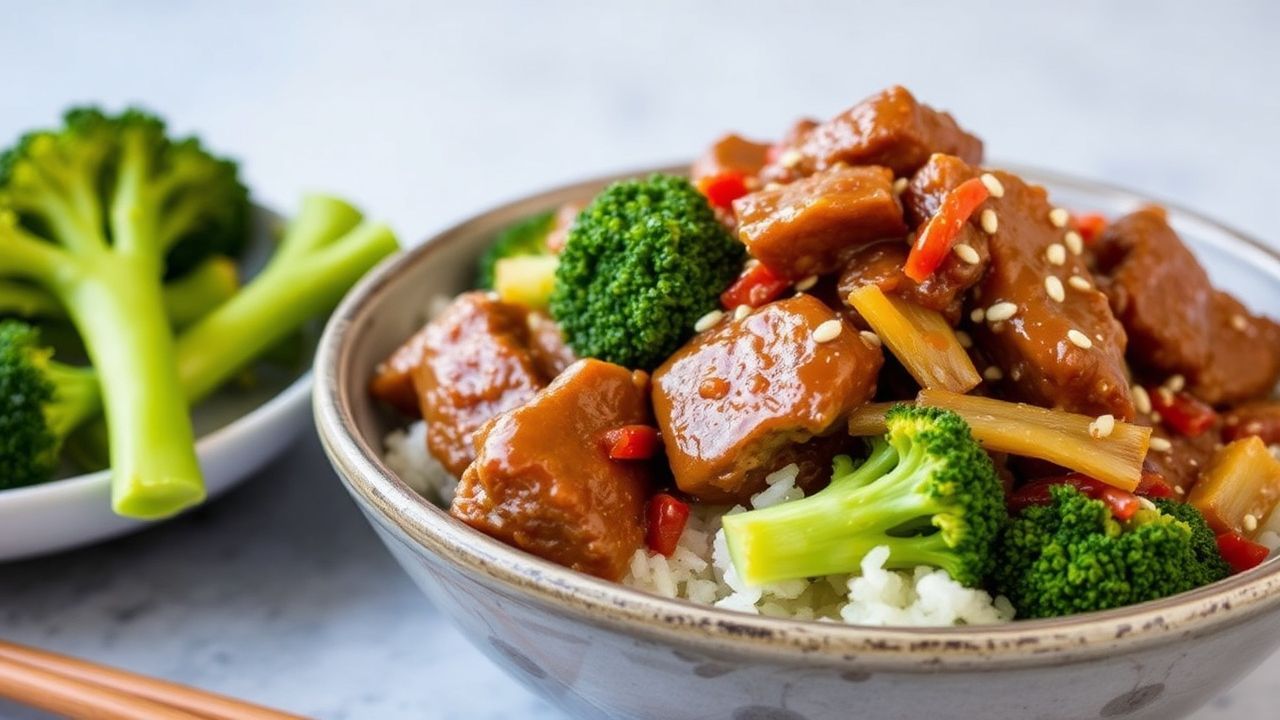
The allure of a steaming carton of beef and broccoli is undeniable. It’s a culinary comfort, a weeknight savior, and a dish that has transcended its Chinese-American origins to become a global phenomenon. But what if you could create a version at home that surpasses even your most beloved takeout? The seemingly effortless perfection of your favorite takeout beef broccoli is, in fact, achievable – and surpassable – in your own kitchen. Consider this: the average American household spends upwards of $1,200 annually on takeout and delivery, a significant portion of which likely goes towards familiar favorites like this. The true magic lies not in exotic ingredients, but in understanding fundamental culinary principles and elevating them with fresh, quality components. This guide will demystify the process, transforming you from a passive consumer into a confident creator of beef broccoli that will make you question why you ever bothered with the delivery app.
- The Siren Song of Takeout: Why We Crave Beef and Broccoli
- Deconstructing the Perfect Beef and Broccoli: The Foundation of Flavor
- The Art of Beef Selection and Preparation
- The Broccoli: Crispness is King
- Crafting the Irresistible Sauce: The Unifying Element
- The Masterful Method: Bringing it All Together
- Step-by-Step to Takeout Nirvana
- The Mise en Place: Your Culinary Blueprint
- The High-Heat Sear: Unlocking Beef’s Potential
- Infusing the Aromatics and Building the Sauce
- The Final Assembly: A Quick, Glorious Union
- Nutritional Snapshot: A Healthier Indulgence
- Elevating Your Beef Broccoli: Pro-Tips for Culinary Excellence
- The Umami Boost: A Whisper of MSG (Optional)
- The Sizzle Factor: Wok Hei Magic
- The Sauce Consistency Dance
- Beyond Broccoli: Variations to Explore
- Frequently Asked Questions
- What is the best way to ensure the beef is tender?
- Why is my homemade beef and broccoli sauce watery?
- Can I make beef and broccoli ahead of time?
- What are common pitfalls to avoid when making beef and broccoli?
- Conclusion: The Takeout Conqueror
At a Glance: Mastering Homemade Beef Broccoli
- Flavor Infusion: Marinating beef properly is paramount for tenderness and taste, a step often rushed or omitted in commercial kitchens.
- Texture Harmony: Achieving the perfect balance between tender beef, crisp-tender broccoli, and a glossy, well-emulsified sauce is key.
- Ingredient Purity: Opting for fresh, high-quality ingredients over pre-packaged or preserved alternatives yields a significantly superior result.
- Customization Control: Home cooking allows for precise control over sodium, sugar, and spice levels, catering precisely to your palate.
The very essence of a superior beef and broccoli lies in its ability to deliver contrasting yet complementary sensations: the yielding tenderness of the beef, the slight resistance of perfectly cooked broccoli florets, and the savory, subtly sweet embrace of a well-balanced sauce. Takeout versions often rely on shortcuts like over-marinating or using less-than-ideal cuts of meat, which can result in a mushy texture or an overly salty, one-dimensional flavor profile. We’re going to go beyond the superficial, dissecting each component to build a dish that is not merely a substitute, but a revelation.
Deconstructing the Perfect Beef and Broccoli: The Foundation of Flavor
The Art of Beef Selection and Preparation
The foundation of any exceptional beef and broccoli dish is, naturally, the beef. Forget the pre-sliced, often dry, and questionable cuts that populate many takeout containers. For a truly restaurant-quality experience, we must select wisely and prepare meticulously. The goal is a cut that offers both flavor and tenderness, capable of absorbing marinades and cooking quickly without becoming tough.
Choosing the Right Cut
For consistently spectacular results, flank steak is an excellent choice. Its inherent chewiness, when sliced against the grain, transforms into delightful tenderness. Other excellent options include skirt steak, sirloin, or even a well-trimmed ribeye for an indulgent twist. The critical factor is the grain of the meat; understanding and respecting it will dictate the final texture.
The Marinade: A Symphony of Umami and Tenderness
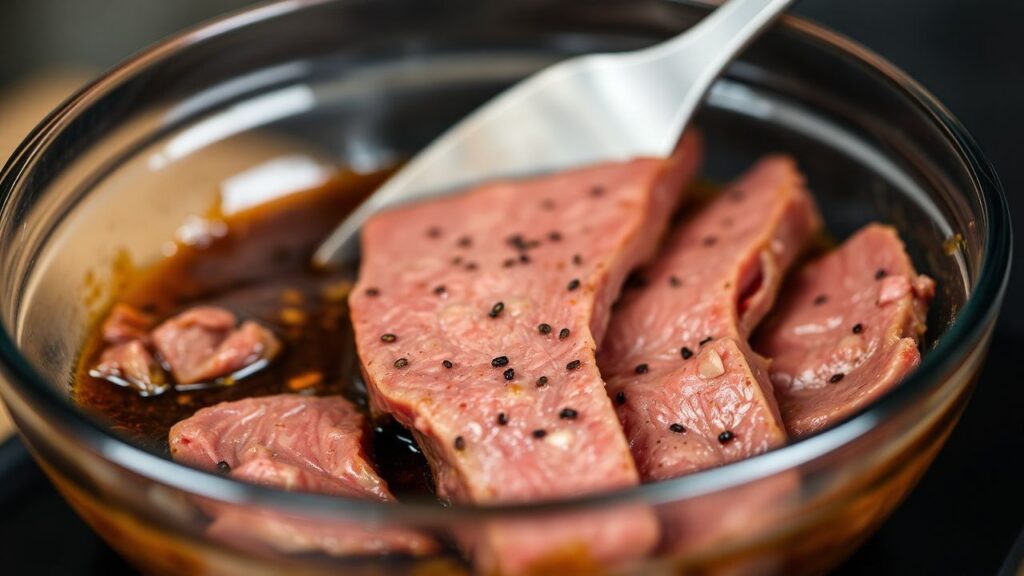
The marinade is where we impart foundational flavor and begin the tenderization process. A truly effective marinade for beef broccoli balances savory, sweet, and acidic elements. It’s not just about adding soy sauce; it’s about creating a complex flavor profile that penetrates the meat. We’ll be using a combination of ingredients designed to work synergistically.
Key Marinade Components and Their Roles
- Soy Sauce/Tamari: The cornerstone of umami, providing saltiness and depth. Use a good quality, low-sodium soy sauce to control saltiness.
- Shaoxing Wine (or Dry Sherry): Essential for authentic Chinese cooking, it adds a subtle nutty aroma and helps to deglaze the pan later.
- Cornstarch: A crucial tenderizer and thickening agent. It coats the meat, creating a barrier that locks in moisture during cooking and contributes to that signature velvety texture.
- Sesame Oil: Adds a fragrant, nutty aroma characteristic of Asian cuisine.
- A touch of Sugar (or Honey/Maple Syrup): Balances the saltiness and aids in caramelization.
- Freshly Ground Black Pepper: Adds a subtle warmth and complexity.
The Broccoli: Crispness is King
Broccoli, in the wrong hands, can become a sad, limp, and unappetizing green mush. Our mission is to ensure it remains vibrant, crisp-tender, and visually appealing, offering a delightful textural contrast to the beef. This requires precise cooking techniques.
Selecting and Preparing the Florets
Opt for fresh, firm broccoli florets. Avoid any that appear yellowed or bruised. Cut the broccoli into bite-sized florets, ensuring uniformity for even cooking. Separating smaller florets from larger ones can also help with even cooking, as they cook at slightly different rates.
The Blanching Technique: A Chef’s Secret Weapon
While simply steaming or stir-frying broccoli is an option, a brief blanching step elevates the dish considerably. Blanching involves quickly submerging the broccoli in boiling water for a short period, followed by an immediate plunge into an ice bath. This process does several things:
- Sets the Color: It locks in that vibrant green hue, making the dish visually more appetizing.
- Par-cooks: It begins the cooking process, ensuring the broccoli is tender without becoming overcooked when it hits the hot wok or pan later.
- Preserves Nutrients: Compared to prolonged boiling, blanching retains more of the broccoli’s nutritional value.
Crafting the Irresistible Sauce: The Unifying Element
The sauce is the conductor of this culinary orchestra, bringing together the beef and broccoli in a harmonious, flavorful embrace. It needs to be glossy, savory, slightly sweet, and possess a depth that belies its apparent simplicity. This is where many takeout versions falter, often being too thin, too sweet, or too one-note.
The Anatomy of a Superior Sauce
Our sauce will be built on a base of savory elements, balanced with a touch of sweetness and a thickening agent that provides that signature sheen and cling. It’s a delicate balance that requires attention to detail.
Essential Sauce Ingredients
- Chicken or Beef Broth: Provides a savory liquid base. Low-sodium is preferred to control saltiness.
- Soy Sauce: For that essential umami.
- Oyster Sauce: A secret weapon for many Asian chefs, it adds a complex, savory-sweet depth that is difficult to replicate. It’s a key ingredient in achieving that authentic takeout flavor, but with superior quality.
- Sesame Oil: For aroma and flavor.
- Garlic and Ginger: Freshly minced, these aromatics are non-negotiable for building layers of flavor.
- Cornstarch Slurry: A mixture of cornstarch and water, used to thicken the sauce to the perfect consistency.
- A touch of Sugar (or Honey): To round out the flavors.
The key to a perfect sauce is its emulsification and thickening. A properly made cornstarch slurry, added gradually and whisked vigorously, will transform a thin liquid into a glossy, clinging sauce that coats every piece of beef and broccoli. This is a technique you can practice and perfect, leading to consistently excellent results. For more insights into sauce-making techniques, exploring resources on sauce construction can be incredibly beneficial.
The Masterful Method: Bringing it All Together
Step-by-Step to Takeout Nirvana
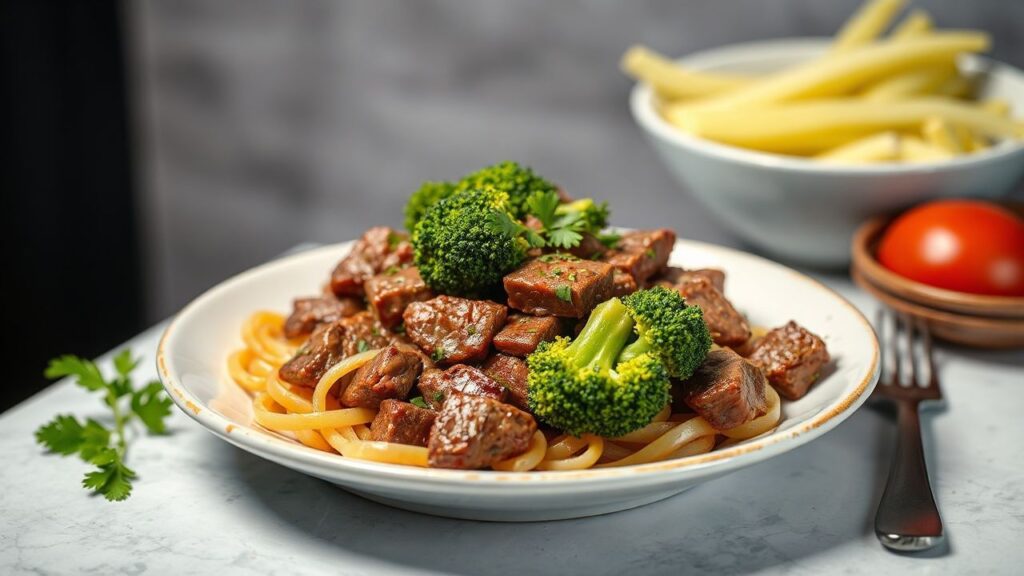
With our components meticulously prepared, the final assembly is a rapid dance of high heat and precise timing. This is where the magic truly happens, transforming individual ingredients into a cohesive and utterly delicious dish.
The Mise en Place: Your Culinary Blueprint
Before you even think about turning on the stove, ensure all your ingredients are prepped and within easy reach. This includes marinated beef, blanched broccoli, minced aromatics, and your pre-mixed sauce ingredients. Stir-frying is a fast process, and you won’t have time to chop an onion once the wok is screaming hot.
The High-Heat Sear: Unlocking Beef’s Potential
We will cook the beef in batches to ensure a proper sear, not a steam. Overcrowding the pan leads to lower temperatures and, consequently, to boiled, not seared, meat. This step is critical for developing the Maillard reaction, the complex chemical process responsible for those deeply savory, browned flavors.
Cooking the Beef
- Heat a wok or a large, heavy-bottomed skillet over high heat until smoking.
- Add a tablespoon of high-smoke-point oil (like peanut or canola).
- Add half of the marinated beef in a single layer. Do not overcrowd.
- Sear for 1-2 minutes per side until browned. Remove from the pan and set aside.
- Repeat with the remaining beef.
Infusing the Aromatics and Building the Sauce
Once the beef is seared and removed, we leverage the residual heat and flavor in the pan to build our sauce base.
- Reduce heat slightly to medium-high. Add another teaspoon of oil if needed.
- Add the minced garlic and ginger to the pan. Stir-fry for about 30 seconds until fragrant, being careful not to burn them.
- Pour in the pre-mixed sauce ingredients (broth, soy sauce, oyster sauce, sugar, sesame oil). Bring to a simmer.
- Whisk in the cornstarch slurry gradually until the sauce thickens to your desired consistency. It should be glossy and coat the back of a spoon.
The Final Assembly: A Quick, Glorious Union
Now, we bring everything together in a swift, decisive movement.
- Return the seared beef to the pan. Toss to coat in the sauce.
- Add the blanched broccoli florets.
- Toss everything together gently for another 1-2 minutes, just until the broccoli is heated through and everything is well combined and coated in the luscious sauce.
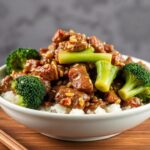
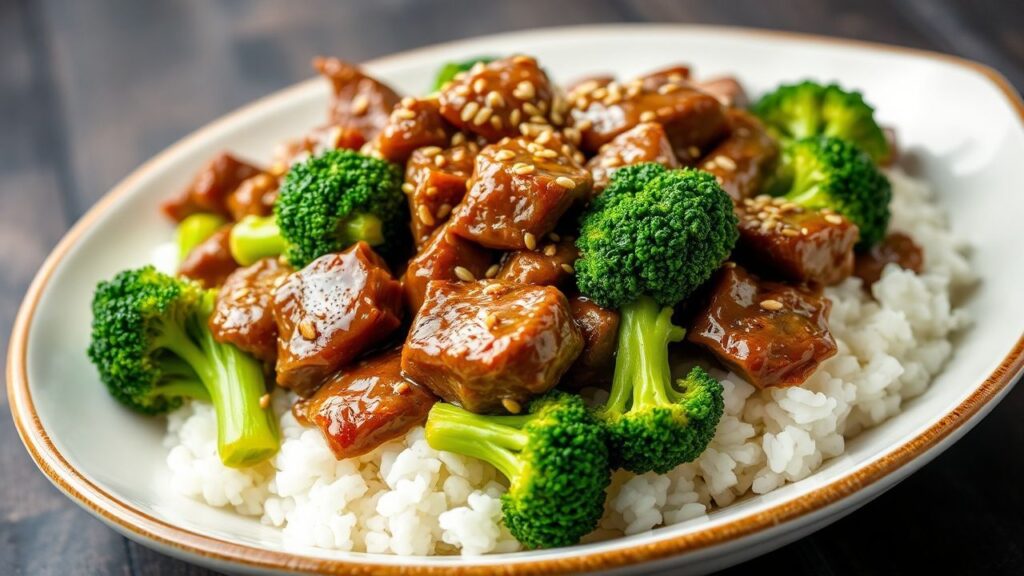
- Serve immediately over steamed rice.
Nutritional Snapshot: A Healthier Indulgence
While takeout often comes with hidden sodium and sugar bombs, our homemade beef and broccoli offers a more transparent nutritional profile. By controlling the ingredients, we can significantly reduce the sodium content and tailor the sweetness. This version emphasizes lean protein and nutrient-rich vegetables.
Approximate Nutritional Information (per serving, assuming 4 servings):
- Calories: 350-450 kcal
- Protein: 25-35g
- Fat: 15-25g (depending on cut of beef and oil used)
- Carbohydrates: 15-25g (primarily from broccoli and cornstarch)
- Sodium: Varies significantly based on soy sauce used (aim for < 800mg per serving)
- Sugar: Varies based on added sweetener (aim for < 10g per serving)
This breakdown highlights the potential for a healthier meal. For instance, a study published in the Journal of the Academy of Nutrition and Dietetics found that home-cooked meals, on average, contained less sodium and saturated fat than restaurant meals. By making beef broccoli at home, you are actively participating in a healthier eating pattern. For more insights into healthy cooking, explore DinnerCook.com.
Elevating Your Beef Broccoli: Pro-Tips for Culinary Excellence
To truly transcend the ordinary and achieve that sought-after restaurant-quality flavor and texture, consider these expert nuances. These are the subtle adjustments that separate the good from the truly exceptional.
The Umami Boost: A Whisper of MSG (Optional)
While controversial for some, a tiny pinch of MSG (monosodium glutamate) can undeniably amplify the savory depth of a dish, particularly in stir-fries. If you are comfortable using it, a minuscule amount, no more than 1/8 teaspoon, can provide that elusive “restaurant taste.” However, the careful use of soy sauce and oyster sauce, as outlined, will achieve excellent results without it. Many commercially prepared sauces rely on it for that punch.
The Sizzle Factor: Wok Hei Magic
The smoky aroma and distinct flavor imparted by a searing hot wok, known as “wok hei,” is notoriously difficult to replicate in a home kitchen. However, maximizing your pan’s heat is crucial. Ensure your pan is smoking hot *before* adding oil and ingredients. A good cast-iron skillet or a carbon steel wok is an investment that pays dividends in stir-fry performance.
The Sauce Consistency Dance
The thickness of your sauce is a matter of personal preference, but it should be just enough to coat, not drown, the ingredients. If your sauce is too thin, add a little more cornstarch slurry. If it’s too thick, a splash of broth or water can loosen it. The goal is a glossy, clinging sauce that adheres beautifully to the beef and broccoli. For more sauce-making inspiration, visit WhimRecipes.com.
Beyond Broccoli: Variations to Explore
While classic broccoli is king, don’t be afraid to experiment. Snow peas, bell peppers, onions, or even snap peas can add delightful variations in color, texture, and flavor. Each addition brings its own subtle nuances to the dish. For a broader culinary perspective, resources like recipesfoodie.com offer a wealth of ideas.
Frequently Asked Questions
What is the best way to ensure the beef is tender?
The tenderness of the beef is a multi-faceted outcome. Firstly, choosing the right cut, such as flank or skirt steak, is paramount. Secondly, slicing the meat *against* the grain is non-negotiable; this shortens the muscle fibers, making them easier to chew. Thirdly, the marinade plays a critical role. The cornstarch in the marinade acts as a tenderizer, and the acidic components (if any are used) also contribute. Finally, cooking the beef quickly over high heat prevents it from becoming tough and rubbery. Avoid overcooking; the meat should still have a hint of pinkness inside when removed from the heat. For more on perfect meat preparation, Spaceofcooking.com is an excellent resource.
Why is my homemade beef and broccoli sauce watery?
A watery sauce is typically a result of an improperly thickened cornstarch slurry. Ensure you are using a sufficient amount of cornstarch mixed with cold water (a slurry). The mixture should be smooth, with no lumps. When adding it to the simmering sauce, do so gradually, whisking constantly, and allow it to simmer for at least 30-60 seconds after adding to activate the thickening properties of the starch. If the sauce is still too thin after this, you can create another small slurry and add it. Using hot liquid to mix your cornstarch can also lead to a lumpy, ineffective sauce.
Can I make beef and broccoli ahead of time?
While the components can be prepped in advance, the ideal way to enjoy beef and broccoli is freshly made. The vegetables will lose their crispness if stored in the sauce for too long, and the beef can become less tender. However, you can marinate the beef and blanch the broccoli a day in advance. Store them separately in airtight containers in the refrigerator. When ready to cook, proceed with the stir-frying and sauce-making steps, combining them at the last minute. This allows for a quicker assembly when you’re ready to eat.
What are common pitfalls to avoid when making beef and broccoli?
Several common pitfalls can detract from your homemade beef and broccoli. Overcrowding the pan when searing the beef is a primary offender, leading to steaming rather than searing and resulting in tough meat. Under-seasoning or over-seasoning the sauce is another frequent issue; tasting and adjusting is crucial. Furthermore, overcooking the broccoli, turning it mushy, is a disappointment. Finally, not having all your ingredients prepped (mise en place) before you begin stir-frying can lead to burnt aromatics or unevenly cooked components. Paying attention to these details ensures a superior outcome.
Conclusion: The Takeout Conqueror
The journey from takeout devotee to home-cooking hero for beef and broccoli is not arduous; it is empowering. By understanding the fundamentals of marinating, proper vegetable preparation, and sauce construction, you can consistently create a dish that not only rivals but surpasses your favorite restaurant version. The satisfaction of serving a vibrant, flavorful, and perfectly textured beef and broccoli, knowing you crafted it with care and quality ingredients, is a reward in itself. So, banish the delivery apps and embrace the delightful challenge – your taste buds will thank you.
See also: Beef broccoli