
“The secret to great cooking is not just about following a recipe; it’s about understanding the soul of the ingredients.” – Julia Child
- The Pillars of Perfection: Selecting Your Ingredients
- The Art of Preparation: Marinating and Pre-Cooking
- Mastering the Stir-Fry: Heat, Speed, and Technique
- The Harmonizing Sauce: Balancing Flavors for Ultimate Satisfaction
- Serving and Presentation: The Final Flourish
- Nutritional Snapshot: A Wholesome Choice
- Expert Pro-Tips for Restaurant-Quality Results
- Frequently Asked Questions
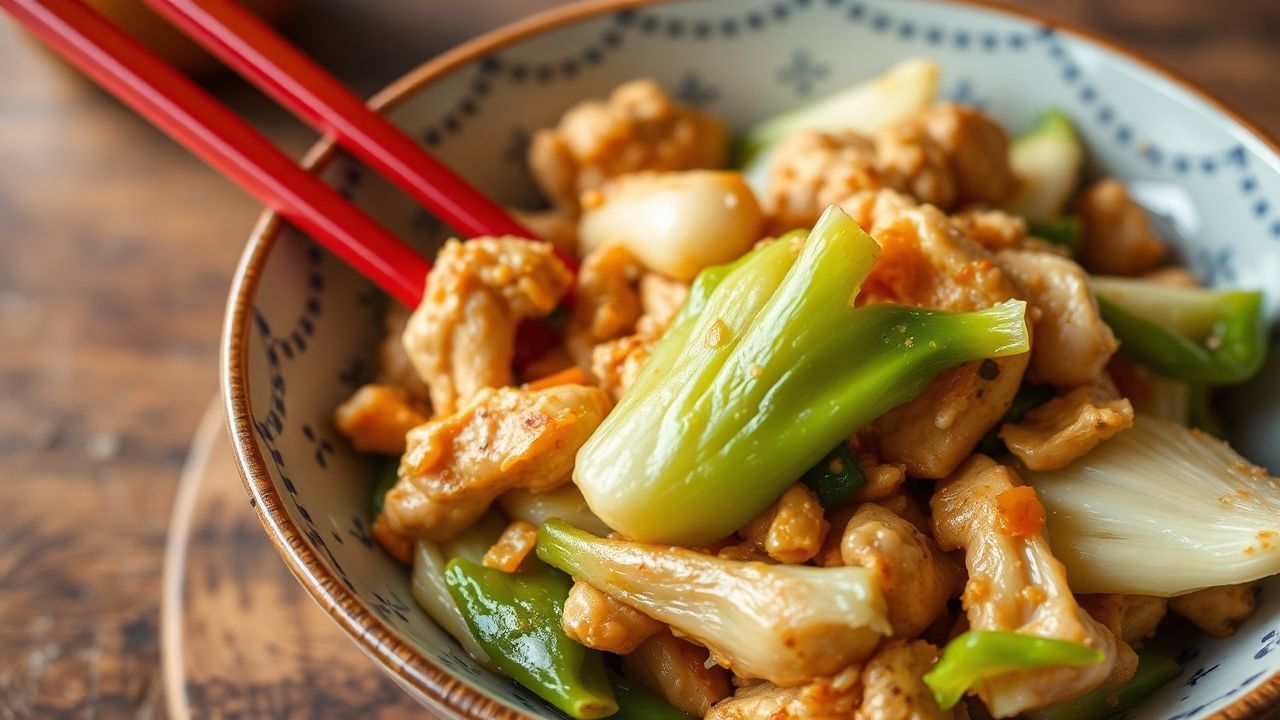
The humble chicken and cabbage stir-fry, a dish often found gracing the tables of homes and casual eateries worldwide, belies a surprising depth of culinary artistry. Far from being a mere utilitarian assembly of protein and greens, a truly exceptional *ji rou bai cai* (鸡肉白菜) is proof of the meticulous balance of textures, aromatics, and the subtle nuances of Chinese cooking techniques. When executed with precision, it offers a symphony of savory, sweet, and umami notes, punctuated by the satisfying crunch of perfectly cooked vegetables. Achieving this level of culinary excellence requires more than just a cursory glance at a recipe; it demands an appreciation for the fundamental principles that underpin this seemingly simple preparation. This article demystifies the process, offering a comprehensive guide to crafting a chicken cabbage stir-fry that transcends the ordinary, elevating it to a truly memorable dining experience.
At a Glance: Elevating Your Chicken Cabbage Stir-Fry
- The Foundation: Quality ingredients are paramount; selecting the right cuts of chicken and the freshest cabbage sets the stage for success.
- The Technique: Mastering the high-heat, rapid stir-fry method is crucial for achieving optimal texture and flavor development.
- The Marinade: A well-balanced marinade not only tenderizes the chicken but also infuses it with essential aromatics.
- The Sauce: The interplay of savory, sweet, and umami in the sauce is the soul of the dish, requiring careful calibration.
The genesis of stir-frying as a culinary technique is deeply rooted in the agricultural practices and resourcefulness of ancient China. With limited fuel availability, cooks developed methods to prepare food quickly over high heat, preserving nutrients and developing unique flavors. The *wok*, with its rounded shape and excellent heat conductivity, became the quintessential tool, allowing for rapid tossing and even cooking. Chicken and cabbage, being readily available and economical staples across many regions of China, naturally found their place in this dynamic cooking style. Over centuries, regional variations emerged, each imbuing the dish with its own characteristic flavor profile, from the delicate sweetness of Cantonese versions to the bolder, spicier notes found in Sichuanese interpretations. Understanding this historical context enriches appreciation for the dish and informs the approach to recreating it authentically.
The Pillars of Perfection: Selecting Your Ingredients
The success of any stir-fry hinges on the quality and preparation of its components. For a stellar chicken cabbage stir-fry, this means a discerning eye for the finest ingredients and a methodical approach to their pre-treatment.
Choosing the Right Chicken
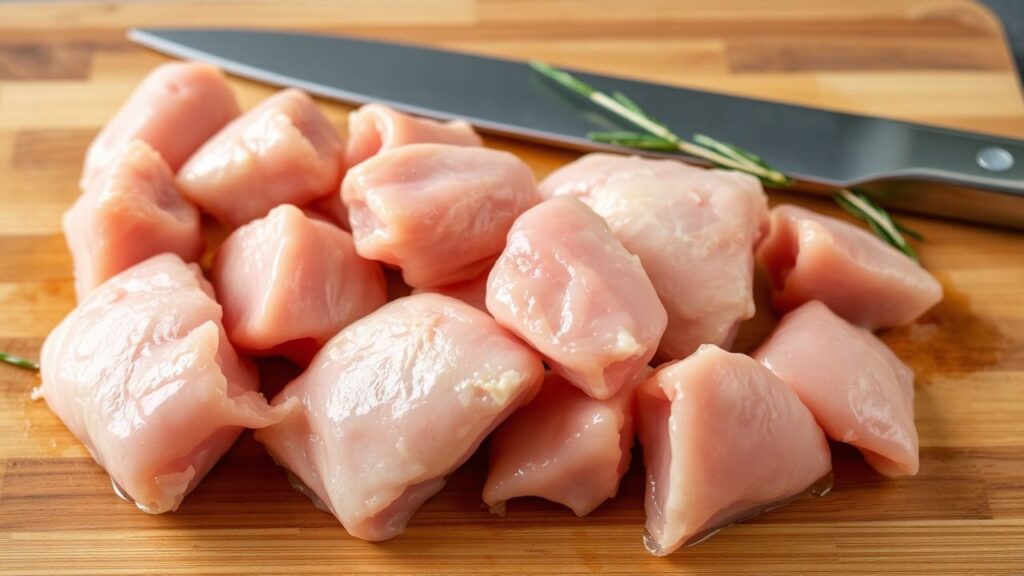
The cut of chicken you select will significantly impact the final texture and flavor. While boneless, skinless chicken thighs are often preferred for their succulence and ability to withstand high heat without drying out, lean chicken breast can also be used if handled carefully.
- Chicken Thighs: Offering superior moisture and a richer flavor, thighs are forgiving and tend to remain tender even with slight overcooking. Aim for about 450-500 grams (1-1.1 lbs) of boneless, skinless thighs, cut into bite-sized pieces, approximately 1-inch cubes.
- Chicken Breast: For a lighter option, use boneless, skinless chicken breast. It cooks very quickly but can become dry if overcooked. Slicing it thinly against the grain will help maintain tenderness. Use approximately 450-500 grams (1-1.1 lbs).
The Crucial Role of Cabbage
The type and preparation of cabbage are equally vital. Napa cabbage, with its tender leaves and slightly sweet core, is the classic choice for its ability to absorb flavors and soften beautifully without becoming mushy.
- Napa Cabbage: Select a firm, heavy head of Napa cabbage, about 450-500 grams (1-1.1 lbs). Discard the outer wilted leaves. Separate the leaves and slice them into 1-inch wide pieces, keeping the tender inner leaves separate from the tougher outer leaves and core. The core can be sliced thinly and added to the stir-fry slightly earlier than the leaves.
- Alternative: While Napa is preferred, firm green cabbage can be used in a pinch. However, it will require more cooking time and may result in a less delicate texture.
Aromatic Foundations and Essential Enhancers
Beyond the primary ingredients, a symphony of aromatics and supporting players elevates the dish from simple to sublime. These are the building blocks that infuse the stir-fry with its characteristic depth and complexity.
- Garlic: 3-4 cloves, minced. Fresh garlic is non-negotiable for its pungent aroma and flavor.
- Ginger: A 1-inch piece, peeled and minced or grated. Fresh ginger provides a warm, spicy counterpoint.
- Scallions (Green Onions): 2-3, white and light green parts sliced into 1-inch segments, dark green tops reserved for garnish.
- Soy Sauce: 2 tablespoons (low-sodium preferred). This is the foundational umami element.
- Shaoxing Wine (or Dry Sherry): 1 tablespoon. This Chinese cooking wine adds a distinct depth and helps tenderize the chicken.
- Sesame Oil: 1 teaspoon, for finishing. Toasted sesame oil imparts a nutty aroma and rich flavor.
- Cornstarch: 1 tablespoon, for velveting the chicken.
- Neutral Oil: 2-3 tablespoons (e.g., canola, vegetable, or peanut oil) for stir-frying. High smoke point oils are essential for achieving the necessary heat.
The Art of Preparation: Marinating and Pre-Cooking
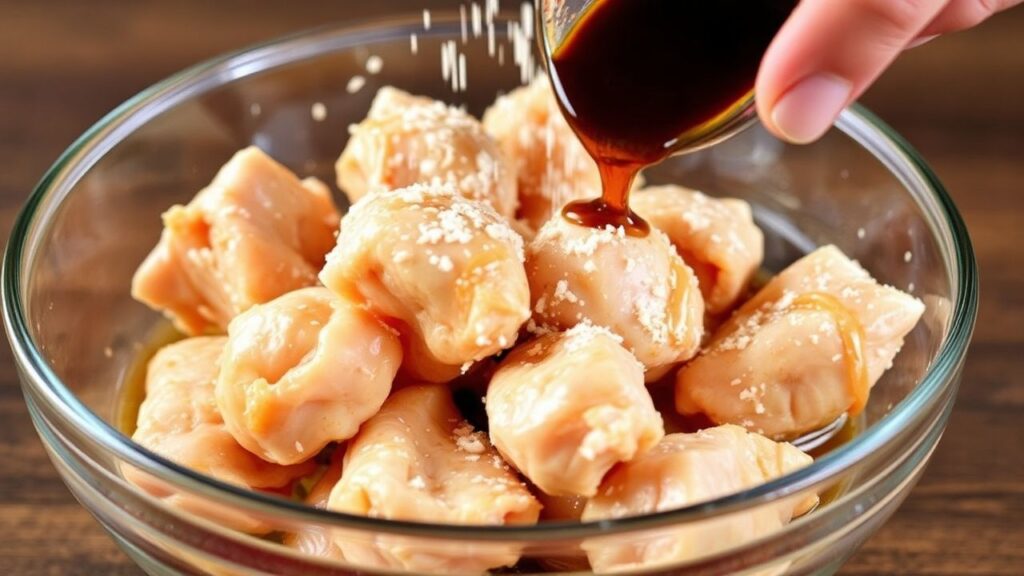
Before the wok even sees heat, meticulous preparation of the chicken is crucial. This “velveting” technique, common in Chinese cuisine, ensures the chicken remains incredibly tender and moist during the high-heat cooking process.
Velveting the Chicken: A Technique for Ultimate Tenderness
Velveting involves coating the chicken pieces in a mixture that includes cornstarch and often egg white, which creates a protective layer that seals in juices during cooking.
1. Marinade Base: In a medium bowl, combine the chicken pieces with 1 tablespoon of soy sauce, 1 tablespoon of Shaoxing wine, and 1 teaspoon of cornstarch.
2. The Mix: Gently toss the chicken to ensure each piece is evenly coated. Let it marinate for at least 15-20 minutes at room temperature, or up to 30 minutes in the refrigerator. This process allows the cornstarch to hydrate and form a smooth coating.
Mastering the Stir-Fry: Heat, Speed, and Technique
The heart of any great stir-fry lies in the cooking method itself. High heat and rapid movement are paramount to achieving the signature textures and flavors. This is where the magic truly happens.
The Symphony of the Wok
A well-seasoned wok is indispensable. The curved surface allows ingredients to be tossed effortlessly, and its ability to retain and distribute intense heat is key.
1. Preheating the Wok: Place your wok over high heat. Allow it to heat up until it just begins to smoke. This initial searing is critical for developing that characteristic *wok hei*, or “breath of the wok.”
2. Adding Oil: Swirl 1-2 tablespoons of neutral oil around the wok. It should shimmer almost immediately.
3. Searing the Chicken: Add the marinated chicken in a single layer. Do not overcrowd the wok; cook in batches if necessary to ensure proper searing rather than steaming. Stir-fry for 1-2 minutes until lightly browned on all sides but not fully cooked through. Remove the chicken from the wok and set aside. This partial cooking ensures it finishes perfectly later.
Building Layers of Flavor
With the chicken seared, it’s time to introduce the aromatics and vegetables. This stage requires speed and precision to prevent burning.
1. Aromatic Infusion: Add another tablespoon of oil to the wok if needed. Add the minced garlic and ginger. Stir-fry for about 15-20 seconds until fragrant, being careful not to burn them.
2. Adding the Cabbage: Add the tougher, outer leaves and the sliced core of the Napa cabbage to the wok. Stir-fry for 1-2 minutes, allowing them to soften slightly.
3. Incorporating Tender Leaves: Add the more tender inner leaves of the cabbage. Continue to stir-fry for another 1-2 minutes until the cabbage is crisp-tender. You want it to retain a slight bite.
The Harmonizing Sauce: Balancing Flavors for Ultimate Satisfaction
The sauce is the conductor of this culinary orchestra, bringing together all the elements into a cohesive and delicious whole. A perfectly balanced sauce for chicken cabbage stir-fry should offer a delightful interplay of savory, sweet, and a hint of acidity.
Crafting the Signature Sauce
For this recipe, a simple yet effective sauce is prepared that complements, rather than overpowers, the natural flavors of the chicken and cabbage.
1. Sauce Base: In a small bowl, whisk together 1 tablespoon of soy sauce, 1 teaspoon of dark soy sauce (for color and depth, optional), 1 teaspoon of sugar, 1 teaspoon of cornstarch, and 2 tablespoons of water.
2. The Return: Add the seared chicken back into the wok with the cabbage.
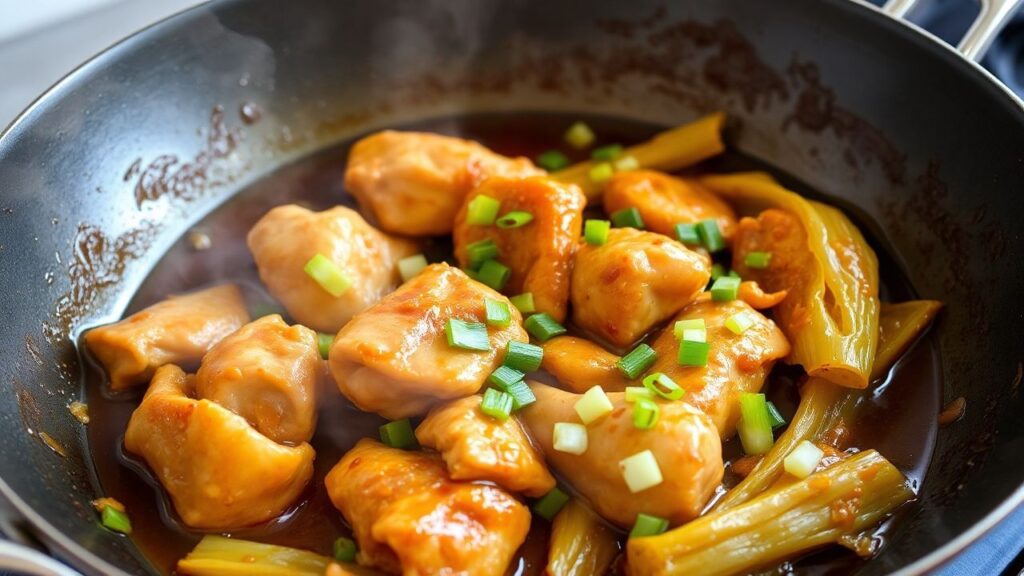
3. The Unification: Pour the prepared sauce mixture over the chicken and cabbage. Stir and toss continuously for 1-2 minutes until the sauce thickens and coats all the ingredients evenly. The residual heat will finish cooking the chicken.
Serving and Presentation: The Final Flourish
The final presentation of your chicken cabbage stir-fry is as important as its preparation. A few thoughtful touches can transform a home-cooked meal into a restaurant-quality experience.
Garnishes and Accompaniments
The dark green tops of the scallions, thinly sliced, provide a fresh, visual contrast and a mild oniony bite. A drizzle of toasted sesame oil just before serving adds that irresistible nutty aroma.
- Garnish: Sprinkle with reserved dark green scallion tops.
- Sesame Oil Drizzle: Finish with a light drizzle of toasted sesame oil.
This dish is traditionally served immediately, piping hot, over a bed of steamed white rice. The fluffy rice acts as a perfect canvas to soak up the flavorful sauce. For a more comprehensive meal, consider pairing it with other Chinese classics, such as a simple egg drop soup or some steamed dumplings. The simplicity of the chicken cabbage stir-fry allows it to harmonize beautifully with a wide array of complementary dishes, making it a versatile centerpiece for any Asian-inspired meal. For those seeking to explore further, resources like Wikipedia’s article on stir-frying offer a deeper understanding of this ancient and dynamic cooking method.
Nutritional Snapshot: A Wholesome Choice
This chicken cabbage stir-fry is not only delicious but also a relatively healthy option, offering a good balance of protein and fiber.
Nutritional information is an estimate per serving (assuming 4 servings) and can vary based on specific ingredients and portion sizes.
- Calories: Approximately 250-300 kcal
- Protein: 25-30g
- Fat: 10-15g
- Saturated Fat: 2-3g
- Carbohydrates: 8-12g
- Fiber: 2-3g
- Sugars: 4-6g
- Sodium: Varies significantly based on soy sauce used (recommendation: use low-sodium).
The use of lean chicken and the fibrous cabbage contributes to a satisfying meal that is relatively low in calories and carbohydrates, making it a suitable choice for those mindful of their dietary intake. The inclusion of ginger and garlic also adds beneficial antioxidants. For those looking to reduce sodium further, consider using tamari or a coconut aminos alternative.
Expert Pro-Tips for Restaurant-Quality Results
Achieving that elusive restaurant-quality taste and texture is within reach with a few insider secrets. These subtle yet impactful adjustments can elevate your homemade stir-fry to new heights.
Elevating Your Stir-Fry Game
1. The “Wok Hei” Factor: True *wok hei* is elusive without a powerful commercial gas burner. However, you can approximate it by ensuring your wok is screaming hot before adding ingredients and by moving them constantly. Don’t be afraid of a little smoke – that’s where the flavor develops.
2. Ingredient Uniformity: Cut all your ingredients to roughly the same size. This ensures they cook evenly and simultaneously, preventing some pieces from being overcooked while others are still raw.
3. The Power of Mise en Place: Stir-frying is a rapid process. Have *all* your ingredients prepped, measured, and within easy reach before you turn on the heat. This includes your sauce, aromatics, and pre-marinated chicken. This is a fundamental principle in professional kitchens, and its importance cannot be overstated for home cooks. To truly embrace this, explore resources like dinnercook.com for detailed guidance.
4. Don’t Overcrowd: This is perhaps the most common pitfall. Overcrowding the wok lowers the temperature, leading to steaming rather than searing. Cook in batches if necessary. A well-executed, smaller batch will always yield superior results to a large, compromised one.
5. The Finish: A final swirl of toasted sesame oil and a sprinkle of fresh scallions are non-negotiable for that authentic aroma and visual appeal.
Frequently Asked Questions
A well-executed chicken cabbage stir-fry is a cornerstone of home cooking, but questions inevitably arise. Here are some common queries and their expert answers.
What are the best substitutes for Shaoxing wine?
If Shaoxing wine is unavailable, a good quality dry sherry is the closest substitute. For a non-alcoholic option, you can use chicken broth with a splash of rice vinegar for acidity, though the depth of flavor will be slightly different. Some recipes also suggest a bit of white wine, but the distinct nutty and malty notes of Shaoxing are hard to replicate perfectly. If using other cooking wines, ensure they are not overly sweet.
Can I make this dish ahead of time?
While stir-fries are best enjoyed immediately after cooking, you can perform some prep work in advance. The chicken can be marinated, and the vegetables can be washed and chopped. The sauce can also be mixed. However, the actual stir-frying process should be done just before serving to maintain the optimal texture of the vegetables and prevent the chicken from drying out. Reheating a stir-fry can often lead to a less desirable texture, especially for the cabbage. For optimal results, consider this a dish best made fresh. You can find more tips on meal prep and timing at recipesfoodie.com.
How can I make the cabbage more tender without it becoming mushy?
The key to tender yet crisp cabbage lies in its preparation and cooking time. As mentioned in the expert tips, a quick blanch can pre-cook the cabbage, ensuring it’s tender when it hits the wok, without needing to stay in the hot pan for too long. Secondly, separate the tougher outer leaves and core from the more delicate inner leaves. Add the tougher parts to the wok first, allowing them a minute or two to soften before introducing the tender leaves. This stratification of cooking times is crucial. Finally, avoid over-stirring once the sauce is added; the residual heat will finish the cooking process efficiently.
See also: Chicken cabbage