
The Humble Cauliflower’s Unexpected Transformation
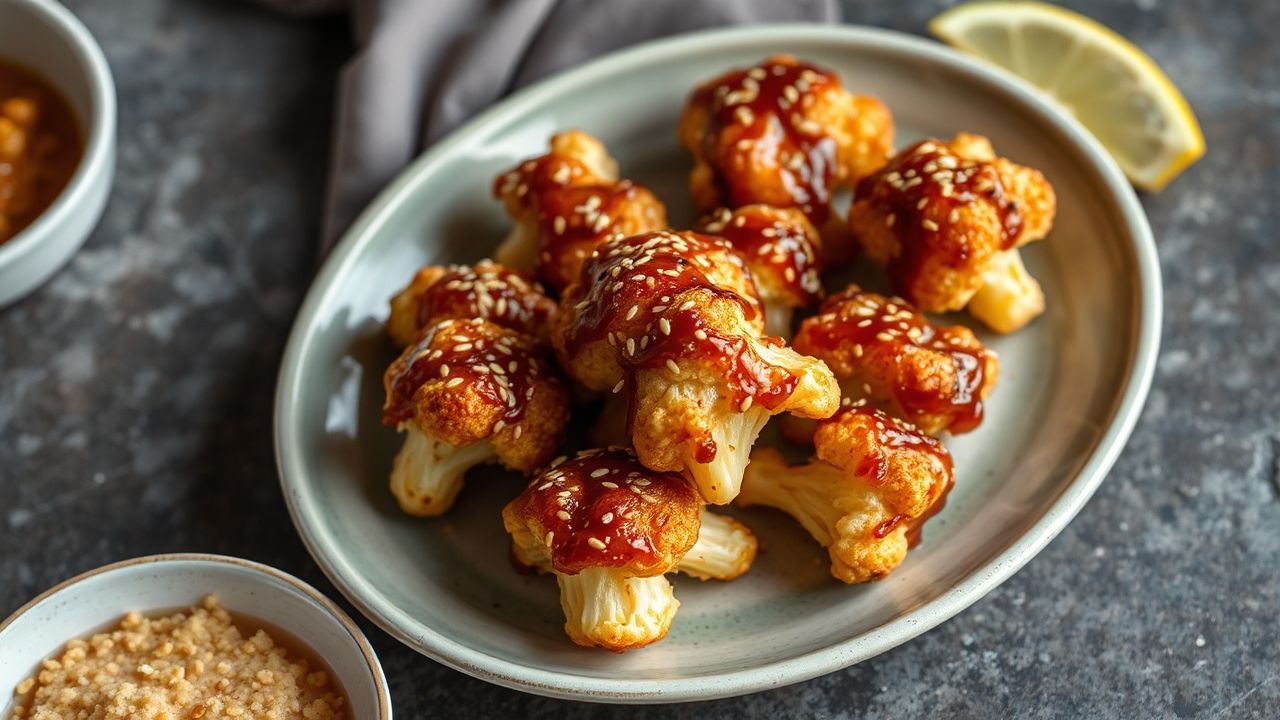
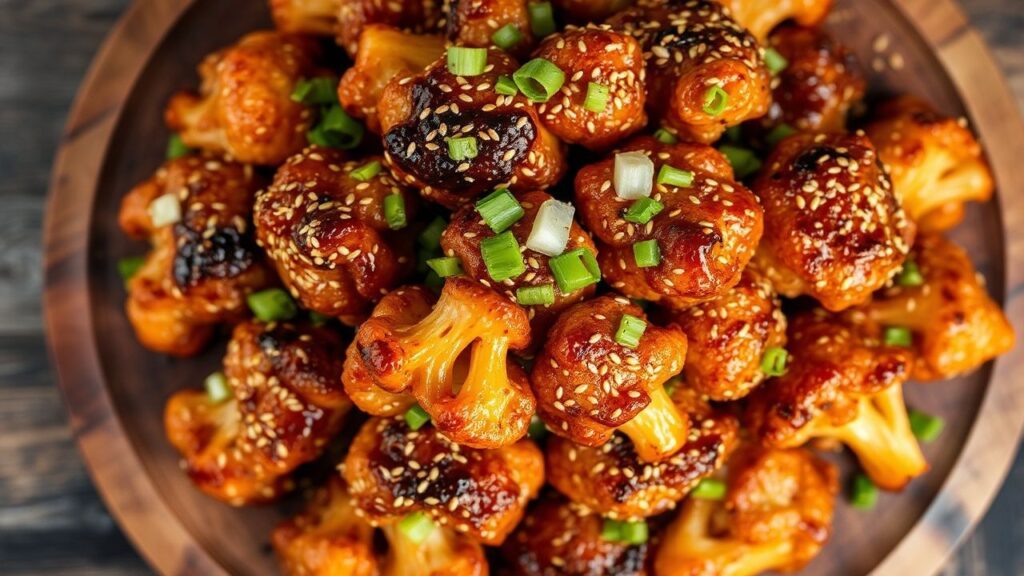
Imagine this: a crisp, cool evening, the aroma of something deeply savory and slightly sweet wafting from your kitchen. You’ve just pulled out a tray of what looks like golden-brown jewels, glistening with a rich, sticky glaze. This isn’t some exotic, hard-to-find ingredient; it’s cauliflower, the often-overlooked cruciferous vegetable, elevated to an entirely new culinary plane. Sticky sesame cauliflower has rapidly ascended from a niche online recipe to a global sensation, captivating palates with its perfect balance of textures and flavors. It’s a dish that defies expectations, proving that simple ingredients, when treated with a bit of culinary finesse, can yield extraordinary results. This isn’t merely about a tasty side dish; it’s about unlocking the full potential of a vegetable that has historically been relegated to steamed monotony.
- The Humble Cauliflower’s Unexpected Transformation
- Understanding the Core Appeal: Flavor and Texture Dynamics
- The Cauliflower Foundation: Preparation for Peak Flavor
- Crafting the Perfect Sticky Sesame Glaze
- Combining Cauliflower and Glaze: The Critical Toss
- Variations and Customizations: Making It Your Own
- Nutritional Benefits of Cauliflower
- Serving Suggestions: Elevating Your Meal
- Frequently Asked Questions
- How can I make my sticky sesame cauliflower extra crispy?
- What’s the best way to store leftover sticky sesame cauliflower?
- Can I make the glaze ahead of time?
- Is sticky sesame cauliflower a healthy dish?
- How can I add more protein to this dish?
- Final Recommendations for Cauliflower Connoisseurs
This dish masterfully marries the earthy, slightly nutty notes of roasted cauliflower with the intoxicating allure of a sweet, savory, and umami-rich sesame glaze. The magic lies in the contrast: the tender, yielding florets absorb the vibrant sauce, while the edges achieve a delightful crispness, offering a satisfying textural counterpoint. It’s a culinary alchemy that appeals to a broad spectrum of tastes, from dedicated vegetarians to adventurous omnivores. The accessibility of cauliflower, coupled with the relatively straightforward preparation of the glaze, makes this a dish that’s both achievable for the home cook and impressive enough for guests.
Sticky sesame cauliflower isn’t just a recipe; it’s proof of how familiar ingredients can be reimagined into something truly extraordinary, offering a symphony of textures and tastes that delight the senses.
Key Takeaways
- Sticky sesame cauliflower offers a remarkable flavor and texture profile, elevating the humble vegetable.
- The dish balances savory, sweet, and umami notes with a satisfying contrast of tender and crisp textures.
- Its versatility makes it adaptable to various dietary preferences and occasions.
- Mastering the glaze and roasting technique is crucial for achieving optimal results.
Understanding the Core Appeal: Flavor and Texture Dynamics
The phenomenon of sticky sesame cauliflower isn’t accidental; it’s rooted in fundamental principles of flavor pairing and textural contrast that resonate deeply with our palates. At its heart, the dish is a masterclass in balancing the five basic tastes: sweet, sour, salty, bitter, and umami. The sweetness typically comes from honey, maple syrup, or brown sugar in the glaze, while soy sauce or tamari provides the salty and umami foundation. A touch of rice vinegar or lime juice can introduce a subtle sourness, cutting through the richness, and the inherent slight bitterness of cauliflower is expertly complemented by these other elements.
The “sticky” aspect is equally critical. It refers to the glaze’s ability to coat the cauliflower florets in a luscious, slightly viscous layer that clings beautifully. This viscosity is achieved through a careful combination of ingredients like cornstarch or arrowroot powder as thickeners, often activated by heat. When the hot, roasted cauliflower is tossed in this warm glaze, the sauce adheres, creating that signature mouth-coating sensation. This textural element is what elevates the dish beyond a simple roasted vegetable, transforming it into something akin to a decadent appetizer or a satisfying main course component.
The Cauliflower Foundation: Preparation for Peak Flavor
The success of sticky sesame cauliflower hinges significantly on the initial preparation of the cauliflower itself. Selecting the right cauliflower is the first step. Look for heads that are firm, dense, and free from brown spots or bruising. The florets should be tightly packed. When trimming, aim to create uniform-sized florets. This ensures they roast evenly, preventing some pieces from becoming burnt while others remain undercooked. Size is paramount; aim for bite-sized pieces, roughly 1 to 1.5 inches in diameter. Too small, and they might disintegrate; too large, and they’ll take too long to roast, potentially overcooking the glaze.
Roasting is the preferred method for developing the cauliflower’s inherent sweetness and achieving those desirable crispy edges. A hot oven is key. Preheat your oven to at least 400°F (200°C), and for some recipes, even up to 425°F (220°C). Toss the cauliflower florets with a good quality olive oil or avocado oil, salt, and pepper. Ensure each floret is lightly coated. Don’t overcrowd the baking sheet; this is a common mistake that leads to steaming rather than roasting. Spread the florets in a single layer, allowing ample space for air circulation. This promotes caramelization and crisping. Roasting time typically ranges from 20 to 30 minutes, depending on your oven and the size of the florets. You’re looking for tender interiors and nicely browned, slightly charred edges.
Roasting Techniques for Optimal Texture
Even Cutting for Uniformity
The importance of uniform floret size cannot be overstated. When cutting, try to keep the stem attached to the floret, as this helps hold it together during the high-heat roasting process. Aim for pieces that are roughly the same dimensions to ensure consistent cooking. This attention to detail in the prep stage directly impacts the final texture and visual appeal of the dish.
High Heat for Caramelization
Employing a high oven temperature is crucial for achieving the Maillard reaction, the chemical process responsible for browning and developing complex flavors. This reaction is what gives roasted vegetables their characteristic depth and sweetness. A temperature of 400°F (200°C) or higher is generally recommended. Ensure your baking sheet is preheated in the oven before adding the oiled cauliflower for an extra boost in crispiness.
Avoiding Overcrowding
Overcrowding the baking sheet is a cardinal sin in roasting. When florets are packed too tightly, they release moisture and steam, hindering the browning process and resulting in a mushy texture. Use two baking sheets if necessary to ensure each floret has adequate space to roast freely. This single adjustment can dramatically improve the crispness and overall quality of your roasted cauliflower.
Crafting the Perfect Sticky Sesame Glaze
The glaze is where the magic truly happens, transforming plain roasted cauliflower into a showstopper. A classic sticky sesame glaze typically involves a harmonious blend of savory, sweet, and aromatic components. The base is often soy sauce or tamari for a gluten-free option, providing that essential salty and umami punch. To this, a sweetener is added – common choices include honey, maple syrup, brown sugar, or even agave nectar. The choice of sweetener can subtly influence the final flavor profile; honey offers floral notes, while maple syrup imparts a deeper, richer sweetness.
Aromatics matter significantly. Freshly minced garlic and grated ginger are almost always included, infusing the glaze with their pungent, warming qualities. Sesame oil, particularly toasted sesame oil, is non-negotiable. Its intensely nutty and rich aroma is the signature flavor of this dish. A thickening agent, such as cornstarch or arrowroot powder, is usually whisked into the liquid ingredients to ensure the glaze becomes deliciously thick and coats the cauliflower beautifully. Rice vinegar or a squeeze of lime juice can be added to provide a bright, acidic counterpoint that prevents the glaze from becoming cloyingly sweet.
The Art of Glaze Balance
Savory Base
The foundation of the glaze is typically a salty, umami-rich liquid. Soy sauce is the most common choice, offering a deep, complex flavor. For those seeking a gluten-free alternative, tamari is an excellent substitute that provides a similar savory profile. Some recipes also incorporate ingredients like oyster sauce for an extra layer of umami, though this would make the dish unsuitable for vegetarians and vegans.
Sweetness and Acidity
To achieve the characteristic “sticky” sweetness, a sweetener is essential. Honey is a popular choice, lending a floral sweetness, while maple syrup offers a more robust, earthy flavor. Brown sugar provides a classic caramel-like sweetness. A touch of rice vinegar or fresh lime juice is crucial for balancing the sweetness and preventing the glaze from becoming overwhelming. This acidity cuts through the richness, making the dish more palatable and complex.
Aromatics and Texture
The aromatic heart of the glaze comes from fresh ingredients. Minced garlic and grated fresh ginger are indispensable, providing warmth and a zesty kick. The distinct, nutty aroma of toasted sesame oil is the signature flavor note. To achieve the desired sticky consistency, a thickener like cornstarch or arrowroot powder is whisked into the liquid ingredients. This starch is activated by heat, transforming the thin sauce into a viscous glaze that adheres perfectly to the cauliflower.
Combining Cauliflower and Glaze: The Critical Toss
Once the cauliflower is perfectly roasted and the glaze is prepared, the crucial step is the combination. This is where the transformation into sticky sesame cauliflower is finalized. It’s essential to toss the hot cauliflower florets with the warm glaze immediately after they come out of the oven. The residual heat from the cauliflower helps the glaze to thicken and coat each piece evenly.
When tossing, do so gently but thoroughly. A large bowl is ideal for this purpose. Pour the warm glaze over the hot cauliflower and use a spatula or tongs to carefully coat all the florets. Ensure every piece is enveloped in the glossy sauce. This is also the moment to add any finishing touches, such as toasted sesame seeds for added texture and visual appeal, and finely chopped green onions or chives for a fresh, herbaceous counterpoint. Some variations might also include a pinch of red pepper flakes for a touch of heat. The goal is to achieve a beautiful, even coating where the glaze clings to the cauliflower, creating that signature sticky, irresistible finish.
Variations and Customizations: Making It Your Own
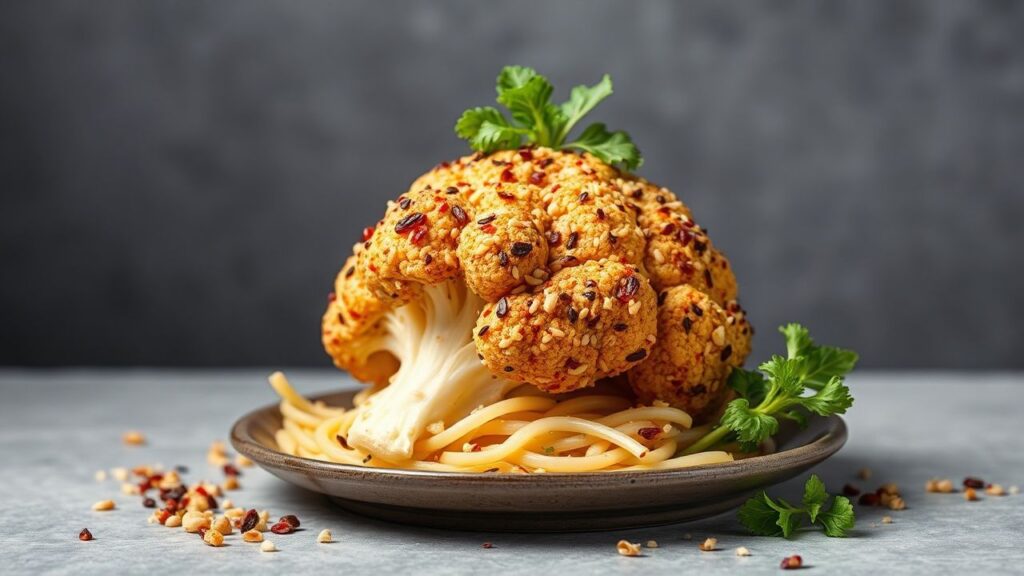
While the classic sticky sesame cauliflower is undeniably delicious, its beauty lies in its adaptability. This dish serves as an excellent canvas for culinary creativity, allowing for numerous variations to suit different dietary needs and flavor preferences. For those seeking a spicier kick, a teaspoon or two of sriracha, gochujang (Korean chili paste), or a pinch of cayenne pepper can be incorporated into the glaze. This adds a delightful heat that complements the sweetness and savory notes.
For a vegan rendition, simply ensure your sweetener is plant-based (maple syrup, agave) and that your soy sauce is used instead of any non-vegan alternatives. Some recipes might also call for a touch of nutritional yeast in the glaze to add a cheesy, umami depth that works wonderfully with cruciferous vegetables. Beyond the glaze, the cauliflower itself can be prepared differently. While roasting is most common, some opt for pan-frying or even air-frying for a quicker, crispier result. Regardless of the cooking method, the principle of coating with a flavorful, sticky glaze remains the same.
Dietary Adaptations and Flavor Enhancements
Vegan and Gluten-Free Adjustments
Achieving a delicious vegan and gluten-free sticky sesame cauliflower is straightforward. For a vegan version, substitute honey with maple syrup or agave nectar. Ensure your soy sauce is replaced with tamari if gluten-free is a requirement. Nutritional yeast can be added to the glaze for a savory, umami boost that mimics a cheesy flavor, which pairs exceptionally well with cauliflower. This makes the dish accessible to a wider audience without compromising on taste.
Spice and Heat Levels
For those who enjoy a bit of heat, incorporating spicy elements into the glaze is a fantastic way to elevate the dish. Sriracha, a popular chili sauce, adds a garlicky heat and slight sweetness. Gochujang, a Korean fermented chili paste, offers a complex, smoky, and spicy flavor profile. A pinch of cayenne pepper or red pepper flakes can also provide a direct, fiery kick. Adjust the quantity based on your personal tolerance for spice.
Texture and Garnish Options
The final touches can significantly impact the overall experience. Toasted sesame seeds are a classic garnish, providing a delightful crunch and intensifying the sesame flavor. Finely chopped green onions or chives offer a fresh, sharp contrast to the rich glaze. For added crunch and visual appeal, consider adding chopped peanuts or cashews, which also complement the Asian-inspired flavors. A sprinkle of black sesame seeds can also add a striking visual contrast.
Nutritional Benefits of Cauliflower
Beyond its culinary versatility, cauliflower itself is a nutritional powerhouse, offering a wealth of health benefits that make this dish a smart choice. It is an excellent source of several essential vitamins and minerals. Notably, it is rich in Vitamin C, a potent antioxidant that matter significantly in immune function and skin health. A single cup of raw cauliflower provides well over 50% of the daily recommended intake of Vitamin C. Furthermore, cauliflower is a good source of Vitamin K, which is vital for blood clotting and bone health.
Cauliflower also contains a significant amount of fiber. Dietary fiber is essential for digestive health, promoting regular bowel movements and feeding beneficial gut bacteria. Research published in the journal Nutrients highlights that cruciferous vegetables like cauliflower are rich in glucosinolates, compounds that have been studied for their potential anti-cancer properties. These compounds are broken down into biologically active substances like isothiocyanates, which may help protect cells from DNA damage and inhibit tumor growth. According to the USDA, one cup of chopped raw cauliflower (about 100g) contains approximately 2.3 grams of fiber and only about 25 calories, making it an ideal food for weight management.
The Health Profile of Cauliflower
Vitamins and Antioxidants
Cauliflower is an exceptional source of Vitamin C, an antioxidant that combats oxidative stress and supports the immune system. It also provides a good amount of Vitamin K, essential for bone metabolism and blood coagulation. Beyond these key vitamins, cauliflower contains various other micronutrients, including folate and potassium, which are important for overall bodily functions. The presence of these antioxidants helps protect the body’s cells from damage.
Dietary Fiber and Digestive Health
The substantial dietary fiber content in cauliflower is a significant health benefit. Fiber aids in digestion, promotes satiety, and helps regulate blood sugar levels. A diet rich in fiber is associated with a reduced risk of chronic diseases, including heart disease and type 2 diabetes. The fiber in cauliflower can contribute to a feeling of fullness, making it a valuable component of weight management plans. Studies indicate that adequate fiber intake supports a healthy gut microbiome, which is increasingly recognized for its impact on overall well-being.
Glucosinolates and Phytonutrients
As a cruciferous vegetable, cauliflower is packed with glucosinolates, sulfur-containing compounds that are responsible for its distinct pungent aroma and flavor. When chewed or chopped, these compounds are converted into isothiocyanates and indoles. Research, such as that found in the American Journal of Clinical Nutrition, suggests that these phytonutrients may possess protective effects against certain types of cancer by influencing detoxification pathways and reducing inflammation. The ongoing study of these compounds continues to reveal their potent health-promoting properties.
Serving Suggestions: Elevating Your Meal
Sticky sesame cauliflower is remarkably versatile and can be integrated into a meal in numerous ways. As a side dish, it pairs exceptionally well with a wide range of proteins. Grilled or pan-seared salmon, chicken stir-fries, or even a simple grilled steak all benefit from the sweet and savory kick of the glazed cauliflower. Its robust flavor also makes it a fantastic accompaniment to more delicate dishes, providing a textural and taste contrast.
For a vegetarian or vegan main course, sticky sesame cauliflower can be served alongside brown rice or quinoa and a medley of other steamed or stir-fried vegetables. It can also be incorporated into grain bowls, adding a flavorful and satisfying component. For a more casual setting, it makes an excellent appetizer, served in a bowl with toothpicks or small forks, allowing guests to easily enjoy its addictive flavors. The visual appeal of the glistening florets also makes it a standout dish for any table.
Frequently Asked Questions
How can I make my sticky sesame cauliflower extra crispy?
To achieve maximum crispiness, ensure you roast the cauliflower at a high temperature (400-425°F / 200-220°C) and avoid overcrowding the baking sheet. Tossing the florets with a good coating of oil and spreading them in a single layer is crucial. For an extra crisp boost, you can preheat your baking sheet before adding the oiled cauliflower. Consider using an air fryer if you have one, as they excel at creating crispy textures.
What’s the best way to store leftover sticky sesame cauliflower?
Leftovers can be stored in an airtight container in the refrigerator for up to 3-4 days. However, the crispiness will diminish over time as the glaze tends to soften the cauliflower. For the best results, reheat gently in a dry skillet over medium heat or in an oven at a low temperature (around 300°F / 150°C) to regain some of its texture. Microwaving is generally not recommended as it can make the cauliflower mushy.
Can I make the glaze ahead of time?
Yes, the glaze can be made ahead of time and stored in an airtight container in the refrigerator for up to a week. When you’re ready to use it, gently reheat it on the stovetop or in the microwave until it’s warm and pourable. You may need to whisk in a tablespoon or two of water or broth if it has thickened too much during storage.
Is sticky sesame cauliflower a healthy dish?
Cauliflower itself is very healthy, packed with vitamins, fiber, and antioxidants. However, the “healthiness” of sticky sesame cauliflower largely depends on the glaze ingredients. Recipes high in added sugars (honey, maple syrup, brown sugar) and sodium (soy sauce) can make it less healthy. Opt for reduced-sodium soy sauce/tamari, use natural sweeteners in moderation, and consider adding more vegetables to balance the meal. Portion control is also key.
How can I add more protein to this dish?
You can easily boost the protein content by serving the sticky sesame cauliflower alongside a protein source. Grilled chicken or shrimp, pan-fried tofu or tempeh, or even a sprinkle of edamame beans tossed in can significantly increase the protein. If you’re making a main course salad, you could also add chickpeas or a hard-boiled egg.
Final Recommendations for Cauliflower Connoisseurs
Embarking on the journey of creating sticky sesame cauliflower is an invitation to explore the delightful intersection of simplicity and sophistication in the kitchen. The core principles—a well-prepped and roasted cauliflower, a balanced and flavorful glaze, and a judicious toss—are the pillars of success. Do not shy away from experimenting with the glaze; consider adding a whisper of chili for heat, a hint of citrus for brightness, or even a touch of five-spice powder for an aromatic complexity. Remember that the quality of your ingredients, particularly the sesame oil and soy sauce, will profoundly impact the final outcome.
Ultimately, this dish is more than just a recipe; it’s an experience. It’s about transforming a humble vegetable into a culinary star, delighting your senses, and proving that wholesome ingredients can indeed be profoundly delicious and exciting. So, gather your ingredients, embrace the process, and prepare to be amazed by the humble cauliflower’s spectacular metamorphosis.
See also: Cauliflower