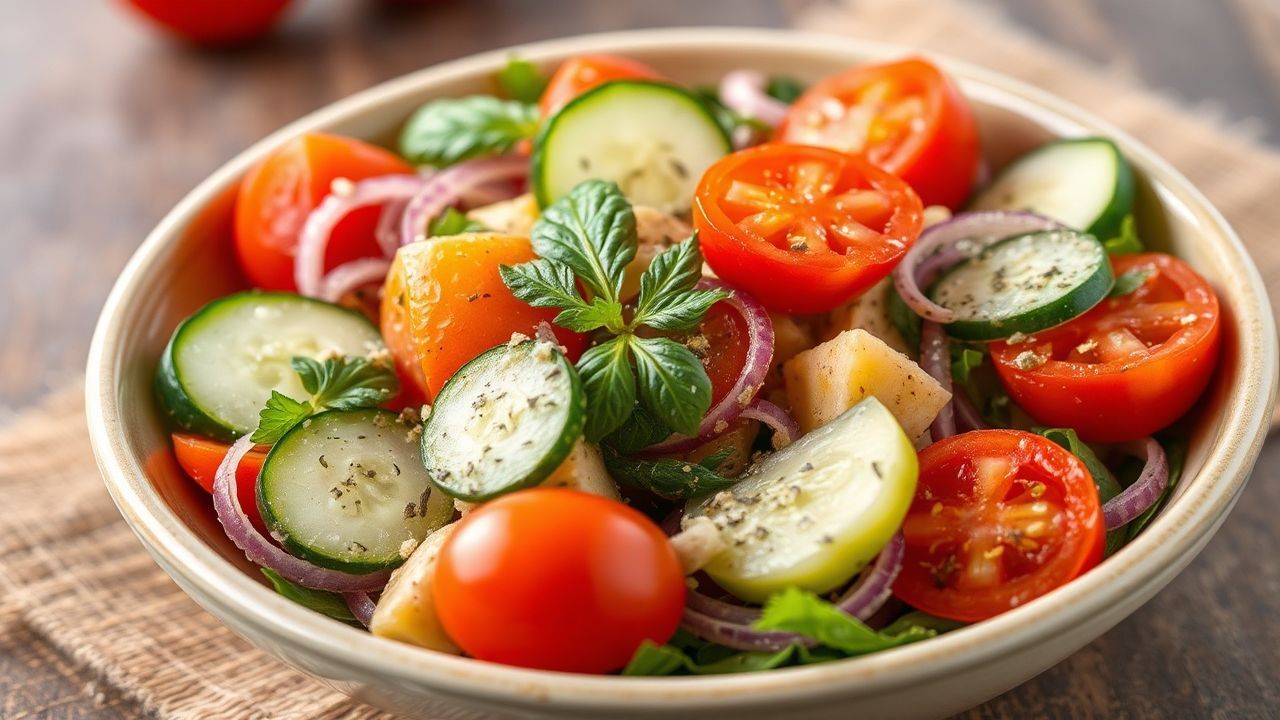

Mediterranean Salad is far more than just a simple assembly of vegetables; it’s a vibrant testament to the power of fresh ingredients, expertly combined to create a symphony of flavors and textures. Have you ever wondered what elevates a humble salad from ordinary to utterly captivating, embodying the very essence of sun-drenched shores and healthful living? This exploration uncovers the nuances that make it a truly essential dish for any discerning palate.
- The Foundation of a Superior Mediterranean Salad
- Unlocking Flavor: The Art of Ingredient Selection and Preparation
- The Essential Dressing: A Harmonizing Elixir
- Beyond the Basics: Elevating Your Mediterranean Salad
- Nutritional Powerhouse: The Health Benefits of Mediterranean Salad
- Mastering the Mediterranean Salad: A Step-by-Step Guide
- Common Pitfalls to Avoid
- FAQs: Your Mediterranean Salad Questions Answered
- What is the best type of tomato for a Mediterranean Salad?
- How can I make my Mediterranean Salad less watery?
- Can I prepare Mediterranean Salad ahead of time?
- What are some common additions to a Mediterranean Salad?
- How long does homemade Mediterranean Salad dressing last?
- Final Recommendations for an Unforgettable Mediterranean Salad
The true magic of a Mediterranean Salad lies not just in its ingredients, but in the mindful preparation that unlocks their inherent brilliance, offering a truly refreshing and healthful experience.
The Foundation of a Superior Mediterranean Salad
Mediterranean Salad, at its core, is a celebration of simplicity and quality. Its inherent appeal stems from the use of readily available, yet exceptionally flavorful, components. The triumvirate of cucumber, tomato, and onion forms the bedrock of this classic dish, each contributing distinct characteristics that, when harmonized, create a wonderfully balanced profile. The crisp, watery crunch of cucumber offers a cooling sensation, a vital counterpoint to the inherent sweetness and slight acidity of ripe tomatoes. The onion, whether red, white, or yellow, provides a pungent depth that awakens the palate, cutting through the other flavors with its characteristic zest. It’s this interplay of textures and tastes that forms the initial allure, hinting at the profound culinary experience to come.
Mediterranean salad — Wikipedia
Understanding the role of each ingredient is paramount. Tomatoes, for instance, are not merely a red element; their variety significantly impacts the final taste. Heirloom tomatoes, with their complex flavor profiles and varied textures, can elevate a salad to extraordinary heights, while cherry or grape tomatoes offer concentrated bursts of sweetness. Similarly, the choice of cucumber – English cucumbers with their thin skins and fewer seeds, or the more traditional varieties – can subtly alter the mouthfeel. And the onion, often the most divisive ingredient, can be tamed through various preparation methods, ensuring its pungency enhances rather than overpowers the salad.
Unlocking Flavor: The Art of Ingredient Selection and Preparation
Crafting an exceptional Mediterranean Salad hinges on two critical pillars: the impeccable quality of the ingredients and the thoughtful techniques employed in their preparation. This isn’t about complex culinary maneuvers, but rather a deep respect for the produce itself. Selecting vegetables at their peak ripeness is non-negotiable. For tomatoes, this means a deep, uniform color and a slight give when gently squeezed. Cucumbers should feel firm and heavy for their size, indicating optimal hydration. Onions, particularly red onions, should have dry, papery skins and feel dense.
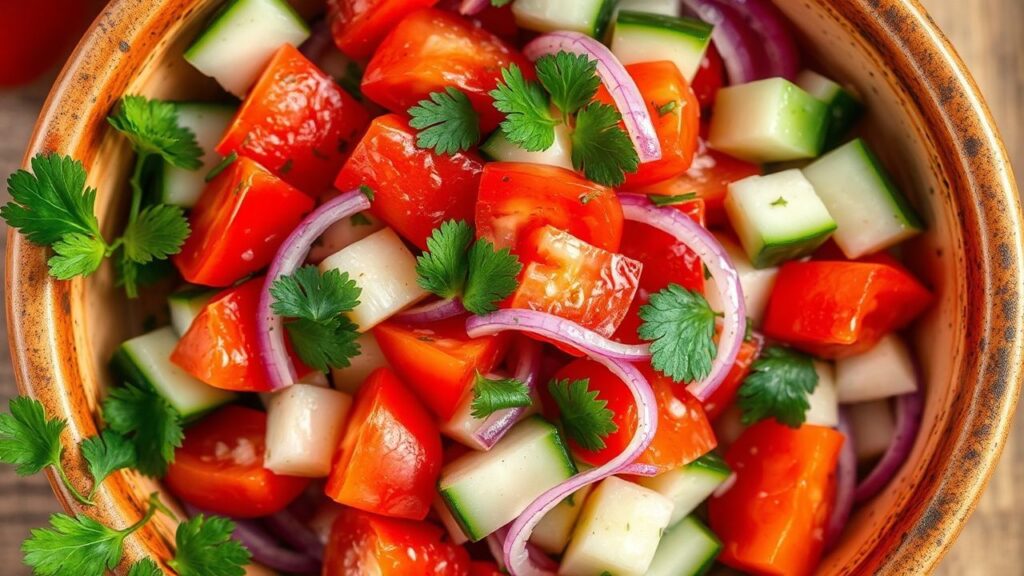
Beyond mere selection, the *how* of preparation is equally vital. The size and uniformity of the chop directly influence how the flavors meld and how the salad is enjoyed. A coarse chop is often favored for a more rustic feel, allowing each ingredient to retain its individual integrity. Conversely, a finer dice can create a more cohesive mixture, where flavors intermingle more readily. Thinly slicing onions, especially red onions, is a common practice. To mitigate their sharpness, a brief soak in cold water or a rinse under cool running water can significantly mellow their bite, making them a delightful, rather than overpowering, addition. This attention to detail transforms a collection of raw ingredients into a culinary masterpiece.
The Essential Dressing: A Harmonizing Elixir
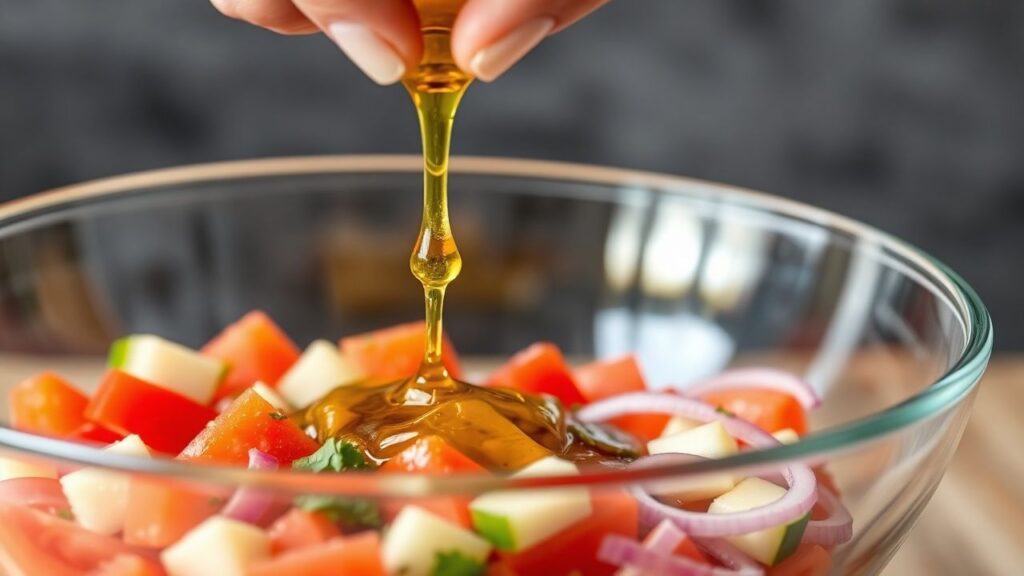
No Mediterranean Salad is complete without its dressing, the crucial element that binds the flavors together and adds a zesty finish. The classic Mediterranean dressing is a deceptively simple yet profoundly effective concoction, typically revolving around high-quality extra virgin olive oil, fresh lemon juice, and a judicious amount of seasoning. The quality of the olive oil is paramount here; a robust, peppery extra virgin oil will impart a depth of flavor that a lighter, more neutral oil simply cannot replicate. Freshly squeezed lemon juice provides the necessary acidity to brighten the vegetables and cut through the richness of the oil.
Beyond these core components, the dressing can be further nuanced with aromatics. Finely minced garlic adds a pungent kick, while dried oregano or fresh parsley contribute herbaceous notes characteristic of the region. A pinch of salt and freshly ground black pepper are essential for enhancing all the inherent flavors. The key is balance; the dressing should complement, not dominate, the salad. It should coat the ingredients lightly, not drown them. The act of tossing the salad with the dressing should be done gently, ensuring even distribution without bruising the delicate produce.
Beyond the Basics: Elevating Your Mediterranean Salad
While the classic combination of cucumber, tomato, and onion is undeniably superb, the beauty of the Mediterranean Salad lies in its adaptability. This dish serves as a perfect canvas for incorporating a wealth of additional ingredients that further enhance its complexity and nutritional value. Adding Kalamata olives, with their briny, robust flavor, introduces a delightful salty counterpoint. Crumbled feta cheese, with its distinct tang and creamy texture, is another iconic addition that embodies the spirit of Mediterranean cuisine.
For added texture and heartiness, consider incorporating chickpeas, which offer a satisfying bite and a boost of protein. Toasted pine nuts or slivers of almonds can provide a delicate crunch and a nutty undertone. Fresh herbs are indispensable; beyond parsley, consider mint for a cooling sensation, or dill for a subtle anise note. Even a handful of peppery arugula can add a sophisticated, slightly bitter edge. The inclusion of these elements transforms the salad from a simple side dish into a more substantial and dynamic culinary experience, reflecting the diverse agricultural bounty of the Mediterranean basin.
Nutritional Powerhouse: The Health Benefits of Mediterranean Salad
The Mediterranean Salad is a champion of healthful eating, a fact supported by extensive research into the benefits of the Mediterranean diet. This dietary pattern, rich in fruits, vegetables, whole grains, legumes, and healthy fats, is consistently linked to numerous positive health outcomes. The core ingredients of our featured salad – cucumbers, tomatoes, and onions – are themselves nutritional powerhouses.
Cucumbers are largely water, contributing to hydration, and are a good source of vitamin K, essential for bone health and blood clotting. Tomatoes are renowned for their lycopene content, a potent antioxidant linked to reduced risk of certain cancers and cardiovascular diseases. A study published in the *Journal of the National Cancer Institute* found that higher consumption of tomato products was associated with a lower risk of prostate cancer (Giovannucci et al., 1995). Onions are rich in flavonoids, particularly quercetin, which possesses anti-inflammatory and antioxidant properties. Furthermore, the use of extra virgin olive oil provides monounsaturated fats, which are beneficial for heart health, and antioxidants like polyphenols. Research published by the *European Journal of Clinical Nutrition* highlights the cardioprotective effects of olive oil within the Mediterranean diet, noting its role in improving lipid profiles and reducing inflammation (Schwingshackl & Hoffmann, 2014).
The consistent consumption of a Mediterranean Salad, as part of a balanced diet, can contribute significantly to overall well-being, offering a delicious pathway to improved health.
Mastering the Mediterranean Salad: A Step-by-Step Guide
Achieving the perfect Mediterranean Salad is an art, but one that can be mastered with a few key steps. Follow this guide to ensure your creation is as delightful to eat as it is to behold.
- Ingredient Selection: Begin by selecting the freshest, ripest produce. Opt for firm, unblemished tomatoes, crisp cucumbers, and pungent onions. For an enhanced flavor profile, consider heirloom tomatoes and English cucumbers.
- Washing and Drying: Thoroughly wash all vegetables under cool running water. It is critical to dry them completely; excess water will dilute the dressing and make the salad soggy. A salad spinner is an invaluable tool for this step.
- Chopping and Dicing: Dice the tomatoes into bite-sized pieces. Slice the cucumbers into half-moons or cubes, depending on your preference. For the onions, thinly slice them. If the onion’s sharpness is a concern, soak the slices in ice water for 10-15 minutes, then drain thoroughly.
- Herb Preparation: Finely chop fresh herbs such as parsley, mint, or dill. Ensure the herbs are dry before chopping to prevent them from becoming mushy.
- Dressing Preparation: In a small bowl, whisk together 3 parts extra virgin olive oil with 1 part fresh lemon juice. Season generously with salt and freshly ground black pepper. Add minced garlic or dried oregano as desired. Taste and adjust the seasoning to your preference.
- Assembly: In a large mixing bowl, gently combine the prepared cucumber, tomato, and onion. Add any optional ingredients like olives, feta cheese, or chickpeas.
- Tossing and Serving: Just before serving, drizzle the dressing over the salad. Toss gently to ensure all ingredients are lightly coated. Avoid over-tossing, which can bruise the vegetables. Serve immediately for optimal freshness and texture.
Common Pitfalls to Avoid
Even with the freshest ingredients, certain missteps can detract from the overall quality of your Mediterranean Salad. Being aware of these common pitfalls can help you consistently achieve a superior result.
One of the most frequent errors is using subpar produce. While convenience is tempting, pre-cut vegetables or tomatoes that are out of season will significantly diminish the flavor and texture. Secondly, over-dressing the salad is a common mistake. A light coating is ideal; too much dressing can make the salad heavy and unappetizing, masking the fresh flavors of the vegetables. The dressing should enhance, not overwhelm.
Another critical error is preparing the salad too far in advance. Cucumbers and tomatoes release water over time, leading to a watery, limp salad. It is best to prepare the dressing and chop the vegetables separately, then combine and dress the salad just before serving. For onions, failing to properly mitigate their sharpness can result in an overpowering, pungent bite that dominates the salad. Soaking or rinsing them as described in the preparation steps is crucial if you prefer a milder onion flavor. Finally, neglecting to dry the vegetables thoroughly after washing is a recipe for a diluted dressing and a less vibrant taste.
FAQs: Your Mediterranean Salad Questions Answered
What is the best type of tomato for a Mediterranean Salad?
While any ripe tomato will work, heirloom varieties or ripe beefsteak tomatoes are often preferred for their rich, complex flavor and meaty texture. Cherry or grape tomatoes offer bursts of sweetness, making them a good choice for added visual appeal and concentrated flavor.
How can I make my Mediterranean Salad less watery?
Ensure all vegetables are thoroughly dried after washing. For tomatoes, you can gently scoop out some of the seeds and pulp, as this is where much of the excess water resides. It is also best to dress the salad immediately before serving to prevent the vegetables from releasing too much liquid.
Can I prepare Mediterranean Salad ahead of time?
It is best to prepare the components of the salad ahead of time and assemble and dress it just before serving. Chop your vegetables, prepare your dressing, and store them separately in airtight containers in the refrigerator. This preserves the crispness and freshness of the ingredients.
What are some common additions to a Mediterranean Salad?
Beyond the classic cucumber, tomato, and onion, popular additions include Kalamata olives, crumbled feta cheese, fresh parsley, mint, dill, chickpeas, red bell peppers, and toasted pine nuts.
How long does homemade Mediterranean Salad dressing last?
A classic extra virgin olive oil and lemon juice-based dressing can typically last in the refrigerator for about 1 week when stored in an airtight container. However, it’s best to make smaller batches for optimal freshness, as the flavor can degrade over time.
Final Recommendations for an Unforgettable Mediterranean Salad
To truly master the art of the Mediterranean Salad, remember that its essence lies in the harmonious interplay of fresh, high-quality ingredients, prepared with care and dressed with a balanced hand. Embrace the simplicity, but don’t shy away from thoughtful additions that can elevate your creation. Treat each component with respect, from the initial selection to the final toss. A perfectly executed Mediterranean Salad is not merely a dish; it is an experience – a refreshing, healthful, and utterly delicious journey that celebrates the vibrant spirit of Mediterranean cuisine.
See also: Mediterranean Salad