
The Best Foods for Sick Toddlers: Nourishing Tiny Tummies Back to Health
When little ones feel under the weather, their tiny tummies become especially sensitive, making mealtime a delicate mission for parents. Nourishing a sick toddler involves more than just filling their bellies; it’s about providing comfort, boosting their immune system, and gently fueling their recovery. This guide explores the best foods that soothe and sustain, turning each bite into a step toward wellness for sick toddlers. Discover how to transform mealtime into a nurturing moment that helps your toddler bounce back with renewed energy.
- The Best Foods for Sick Toddlers: Nourishing Tiny Tummies Back to Health
- Hydrating Heroes for Sick Toddler Tummies
- Gentle Fruits and Veggies for Toddler Recovery
- The Importance of Hydration for Sick Toddlers
- Other Soothing Options for Sick Toddlers
- Q&A: Best Foods for a Sick Toddler
- Q1: Why is nutrition especially important when my toddler is sick?
- Q2: What types of foods are gentle yet nourishing for a sick toddler?
- Q3: How can I encourage my sick toddler to eat when they have little appetite?
- Q4: Are there any foods I should avoid during toddler illness?
- Q5: Can hydration be considered part of their nutrition?
- Q6: When should I seek help if my toddler refuses food or fluids?
- Closing Remarks on Feeding Sick Toddlers
At a Glance: Key Takeaways for Sick Toddlers
- Prioritize hydration with broths, water, and diluted juices for sick toddlers.
- Opt for easily digestible, nutrient-dense foods like rice porridge and soft fruits.
- Introduce probiotics through yogurt to support gut health in sick toddlers.
- Observe for dehydration or refusal to eat/drink and seek medical advice promptly.
Hydrating Heroes for Sick Toddler Tummies
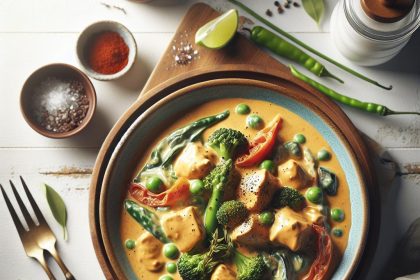
The best foods for a sick toddler are often simple, gentle meals that soothe delicate palates while providing essential hydration and nutrients. One go-to recipe for those tender times is a warm Chicken and Rice Porridge. This traditional comfort food, cherished across cultures, offers a light texture and calming properties, making it excellent for sick toddlers. It’s a fantastic example of how to nourish a sick toddler effectively.
This dish acts as a nurturing embrace, combining mild flavors with hydrating broth to gently restore vitality and ease sensitive tummies. It’s a foundational meal for recovery, ensuring your little one receives vital fluids and easily absorbed nutrients when their system needs it most. Understanding what to feed a sick toddler is crucial for their well-being and speedy recovery.
Chicken and Rice Porridge: A Gentle Recipe for Sick Toddlers
Prep and Cook Time
- Prep Time: 10 minutes
- Cook Time: 45 minutes
- Total Time: 55 minutes
Yield
Serves 4 toddler-sized portions
Difficulty Level
Easy
Ingredients for Sick Toddler Porridge
- ½ cup white jasmine rice, rinsed
- 4 cups low-sodium chicken broth
- 1 small boneless, skinless chicken breast
- 1 medium carrot, peeled and finely chopped
- 1 small potato, peeled and diced into small cubes
- 1 teaspoon fresh ginger, grated
- 1 teaspoon olive oil
- Pinch of salt (optional)
- Fresh parsley, finely chopped (for garnish)
Instructions to Make
- Heat olive oil in a medium saucepan over medium heat. Add grated ginger and sauté gently until fragrant, about 1 minute.
- Add rinsed jasmine rice and stir to coat grains lightly with the ginger-infused oil.
- Pour in the chicken broth and bring to a gentle boil. This step is vital for proper cooking and flavor development for sick toddlers.
- Reduce heat to low and add the chicken breast whole, carrot, and potato pieces to the pot.
- Cover partially and let simmer for 35-40 minutes, stirring occasionally to prevent the rice from sticking. Patience is key here for a smooth texture.
- Remove the chicken breast, shred finely using two forks, and return it to the porridge. This ensures the protein is well-integrated and easily consumed by sick toddlers.
- Simmer for another 5 minutes until the porridge reaches a creamy consistency. Add a pinch of salt if desired for flavor.
- Serve warm, garnished with fresh parsley for color and added nutrients. Ensure the temperature is lukewarm for your toddler’s comfort.
Tips for Perfect Sick Toddler Porridge
- For a smoother texture suitable for younger toddlers, lightly purée the porridge with an immersion blender before serving. This enhances digestibility for a sick toddler.
- Substitute chicken with shredded turkey or a mashed soft-boiled egg for protein variety. Offering different protein sources is beneficial when feeding sick toddlers.
- Encourage small sips of warm broth alongside the meal to maintain hydration. Hydration is critical when unwell, especially for sick toddlers.
- Store leftovers in an airtight container and refrigerate for up to 2 days; reheat gently with a splash of broth to preserve creaminess. Proper storage ensures food safety for sick toddlers.
Serving Suggestions for Your Sick Toddler
This Chicken and Rice Porridge pairs well with soft steamed apples or mild mashed sweet sweet potatoes. Adding a drizzle of coconut milk before serving offers extra calories and a creamy texture toddlers often enjoy when sick. Always ensure the meal is served lukewarm to avoid discomfort for sensitive palates.
Brighten the plate with a few diced avocado pieces to incorporate healthy fats, which aid in immune support and energy recovery. Avocado is a nutrient-dense food that can be easily incorporated into a sick toddler’s diet, providing essential fatty acids and promoting healing.
| Nutrient | Amount (per serving) |
|---|---|
| Calories | 180 kcal |
| Protein | 12 g |
| Carbohydrates | 22 g |
| Fat | 3 g |
Gentle Fruits and Veggies for Toddler Recovery
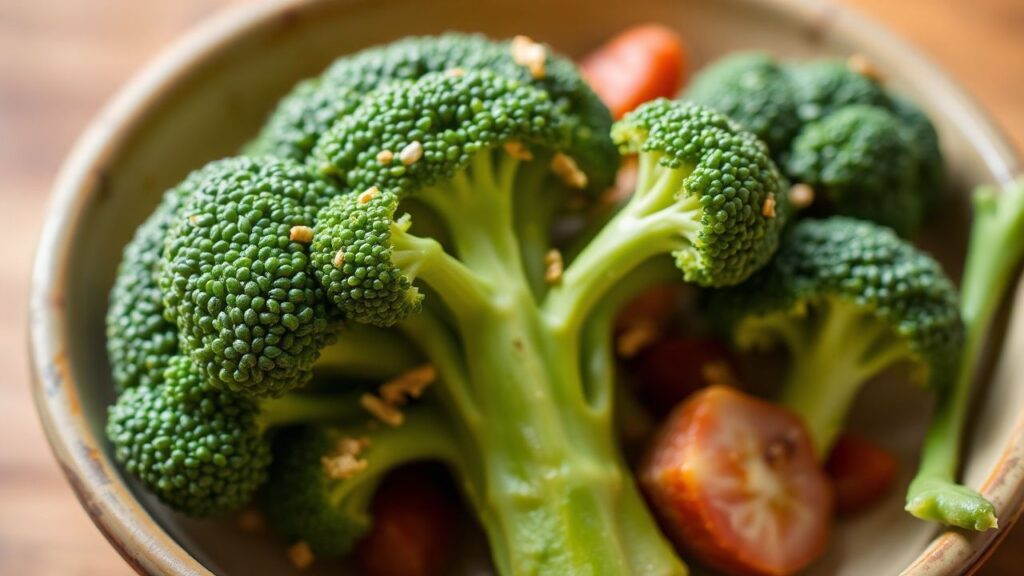
When a toddler is unwell, their digestive system can be easily upset. Opting for soft, easily digestible fruits and well-cooked vegetables ensures they receive essential vitamins and minerals without causing further discomfort. These foods are also rich in water content, contributing to crucial hydration, a key component of caring for a sick toddler.
Think of options like applesauce, bananas, and pears. These fruits are naturally sweet and provide fiber that is gentle on the stomach. When preparing vegetables, steaming or boiling until very tender is key, making them easier to mash or purée for tiny eaters. This makes them ideal sick toddler foods and aids in their recovery.
Soothing Fruits for a Sick Toddler
Applesauce, especially unsweetened varieties, is a classic choice for sick toddlers. The pectin in apples can help regulate digestion, a benefit for upset stomachs. Similarly, ripe bananas are a fantastic source of potassium, an electrolyte that can be depleted during illness, and are soft enough to eat without chewing, making them easy to manage for sick toddlers. The potassium aids in muscle function and nerve signaling, crucial for recovery.
Cooked and mashed pears offer another gentle option. Their natural sweetness and soft texture make them appealing even to fussy eaters. These fruits can be served plain or lightly mixed into other soothing dishes, adding variety to their diet and ensuring they receive vital nutrients during their illness. Pears are also a good source of fiber, promoting digestive regularity.
Nutrient-Rich Vegetables for Recovery
Well-cooked and mashed carrots provide beta-carotene, which the body converts to Vitamin A, essential for immune function. Their natural sweetness makes them palatable for toddlers, even when they’re feeling unwell. This is a great way to ensure they get their vitamins and support their immune response during sickness. Vitamin A is critical for cell growth and differentiation.
Sweet potatoes, when steamed or baked until tender and then mashed, offer complex carbohydrates for energy, along with vitamins A and C. They are a powerhouse of nutrients that can support a child’s recovery and provide sustained energy. Ensure they are served lukewarm to avoid discomfort. Sweet potatoes are also a good source of antioxidants, which help combat cellular damage.
For a boost of essential vitamins and minerals, consider introducing pureed pumpkin. It’s easily digestible and rich in Vitamin A and fiber, supporting both immune function and digestive health. Like other vegetables, ensure it’s cooked until very soft and served at a comfortable temperature.
The Importance of Hydration for Sick Toddlers
Hydration is paramount when a toddler is sick. Vomiting and diarrhea can lead to rapid fluid and electrolyte loss, increasing the risk of dehydration. Offering fluids frequently in small amounts is more effective than large quantities that might overwhelm their system, especially when dealing with a sick toddler. Consistent fluid intake is vital for bodily functions.
Water is the primary choice, but diluted fruit juices (like apple or pear juice, diluted 50/50 with water) can provide some calories and appeal to picky eaters. Oral rehydration solutions (ORS) are specifically designed to replenish fluids and electrolytes lost due to vomiting or diarrhea and are highly recommended by pediatricians in such cases. Staying hydrated is crucial for recovery and preventing complications.
Hydration Options for Sick Toddlers
- Water: Offer freely throughout the day. It’s the simplest and best choice for maintaining fluid balance.
- Diluted Fruit Juice: Use natural, 100% juices and dilute them significantly with water. This makes them more palatable and less concentrated, reducing sugar intake.
- Oral Rehydration Solutions (ORS): Essential for significant fluid loss. Available over-the-counter, these are medically formulated for effective rehydration and electrolyte replenishment.
- Clear Broths: Chicken or vegetable broth provides hydration and some electrolytes, offering a savory option that can be comforting.
- Herbal Teas: Mild, caffeine-free options like chamomile or peppermint tea, served lukewarm, can be soothing. They offer comfort and hydration, aiding relaxation.
For more comforting recipes that nurture recovery, explore our Easy Hydrating Recipes for Toddlers. To understand the science behind nutrient absorption in young children, check out the insights from the World Health Organization’s nutrition guidelines. Understanding the body’s needs is vital for optimal health.
Other Soothing Options for Sick Toddlers
Beyond the core meal components, several other foods can offer comfort and nutritional support. These are generally easy to digest and can be introduced gradually as the toddler’s appetite returns. They are excellent additions to a sick toddler’s diet, providing essential nutrients for healing.
Plain Yogurt, particularly those with active cultures (probiotics), can be beneficial for gut health. It provides calcium and protein, and its cool temperature can be soothing. Opt for unsweetened varieties to avoid excess sugar, making it a healthier choice for sick toddlers. Probiotics are beneficial microorganisms that support a healthy digestive system.
Probiotic Power for Gut Health
Yogurt’s live and active cultures, such as Lactobacillus and Bifidobacterium, are key for supporting a healthy gut microbiome. This is especially important when a child is recovering from an illness that may have disrupted their digestive balance. A balanced gut aids overall health and can improve nutrient absorption.
Serve yogurt plain or lightly sweetened with a drizzle of honey (for children over one year old) or mixed with mashed fruit. Its creamy texture is often well-received by toddlers, making it an easy way to deliver probiotics and essential calcium.
Lean Proteins for Strength and Recovery
When the appetite is returning, introducing easily digestible lean proteins is important for rebuilding strength. Shredded chicken or turkey, as used in the porridge recipe, is a good example. These are soft and packed with essential amino acids, vital for tissue repair and immune function. Protein is essential for building and repairing tissues.
Scrambled eggs are another excellent option. They are a complete protein source and are soft and easy for toddlers to manage. Ensure they are cooked thoroughly but still moist to maintain their appeal and ease of digestion. Eggs also contain choline, important for brain development.
Q&A: Best Foods for a Sick Toddler
Q1: Why is nutrition especially important when my toddler is sick?
When your little one is under the weather, their body works overtime to fight off the illness. Proper nutrition supports their immune system, provides energy, and helps speed up recovery. Even small amounts of nourishing food can make a big difference in how quickly they bounce back from being sick, aiding their overall healing process.
Q2: What types of foods are gentle yet nourishing for a sick toddler?
Think of foods that are easy on tiny tummies but rich in vitamins and minerals. Soft fruits like bananas and applesauce, simple broths, plain yogurt with probiotics, and well-cooked veggies like carrots or sweet potatoes are perfect. These foods soothe, hydrate, and supply essential nutrients without overwhelming little digestion, making them ideal sick toddler foods. They provide necessary fuel for their recovery.
Q3: How can I encourage my sick toddler to eat when they have little appetite?
Keep mealtime calm and low-pressure; small, frequent snacks often work better than big meals. Make food visually appealing with bright colors or fun shapes, and pair eating with comforting routines like cuddling or storytelling. Sometimes, offering favorite foods in a new way, like smoothies or popsicles made from pureed fruits, can spark interest and encourage intake for sick toddlers.
Q4: Are there any foods I should avoid during toddler illness?
Yes, steer clear of heavy, greasy foods, sugary snacks, and anything too spicy or salty as these can upset sensitive stomachs. Also, avoid cow’s milk if your toddler has diarrhea or vomiting—it can be tough to digest and might prolong symptoms. See Wikipedia’s advice on gastroenteritis for related dietary considerations. Avoiding problematic foods is key for a quicker recovery.
Q5: Can hydration be considered part of their nutrition?
Absolutely! Fluids matter significantly, especially if your toddler isn’t eating much. Water, diluted fruit juices, oral rehydration solutions, and warm herbal teas (like chamomile) can keep them hydrated and soothe discomfort. Proper hydration supports all bodily functions, including nutrient absorption and waste removal, essential for recovery.
Q6: When should I seek help if my toddler refuses food or fluids?
If your toddler refuses to eat or drink for more than 24 hours, shows signs of dehydration (such as dry mouth, fewer wet diapers, or lethargy), has a high fever, or displays unusual behavior, it’s important to consult your pediatrician promptly. Early intervention is key in managing childhood illnesses. Don’t hesitate to seek professional medical advice for your sick toddler.
Nourishing tiny tummies when illness strikes can be a delicate dance, but with thoughtful food choices and gentle care, you’ll help your toddler feel better faster and return to their joyful, energetic self. A balanced approach to diet and rest is fundamental for a swift recovery from sickness. This holistic approach ensures all aspects of healing are addressed.
Closing Remarks on Feeding Sick Toddlers
As we navigate the tender terrain of a toddler’s recovery, remember that nourishing tiny tummies is as much about comfort and care as it is about nutrition. Offering gentle, wholesome foods tailored to their delicate systems helps pave the way from illness back to playful energy. With patience and a well-stocked pantry of toddler-friendly remedies, you’re equipped to support their little bodies on the mend—one spoonful at a time. The best medicine often begins with a loving, nourishing meal for your sick toddler.
See also: sick toddlers