
Bright, buttery, and bursting with wholesome goodness, sunflower seed butters are quickly becoming the unsung heroes of the nut-free spread world. For those navigating allergies, dietary restrictions, or simply seeking a new pantry star, these golden-hued delights offer a creamy, crave-worthy alternative that doesn’t skimp on flavor or nutrition. From the breakfast table to the lunchbox, sunflower seed butters are spreading their roots and winning hearts—one luscious spoonful at a time.
At a Glance: Sunflower Seed Butter Essentials
- A creamy, nut-free spread made from ground sunflower seeds.
- Rich in protein, healthy fats, and essential vitamins like Vitamin E.
- Versatile for both sweet and savory culinary applications.
- An excellent option for those with nut allergies or dietary sensitivities.
In this guide, we’ll explore what makes sunflower seed butters so special, how they compare to traditional nut butters, and why they absolutely deserve a prominent spot in your kitchen arsenal. We’ll even show you how to make your own, unlocking a world of creamy, delicious possibilities.
Sunflower Seed Butters: A Nut-Free Alternative Bursting with Flavor and Nutrition
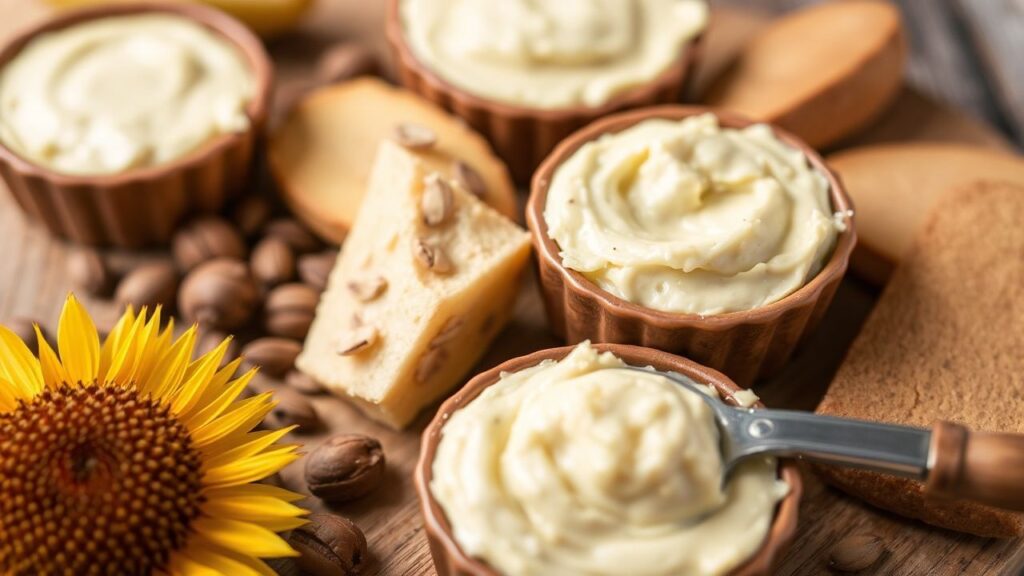
Sunflower seed butters are a delightful, allergy-friendly spread that have been quietly gaining popularity in kitchens worldwide. With their rich, creamy texture and naturally subtle nutty undertones, sunflower seed butters offer a versatile and nourishing alternative to traditional nut butters. Ideal for those on allergy-friendly diets, these spreads bring a robust dose of protein, healthy fats, and essential vitamins—making them not only safer but also highly nutritious.
Originating as a staple seed in many cultures, sunflower seeds have long been appreciated for their health benefits. The modern cold-pressed sunflower seed butter elevates this ingredient, delivering smooth, luscious spreads that can brighten everything from breakfast to desserts. Their widespread cultivation makes them an accessible and sustainable choice for many consumers.
Homemade Sunflower Seed Butter Recipe
Making your own sunflower seed butter is surprisingly simple and allows you to control the ingredients and texture. Below is a straightforward recipe to get you started.
Prep and Cook Time
Preparation: 10 minutes | Cooking: 8-10 minutes (toasting)
Yield
Approximately 1 cup of sunflower seed butter (enough to serve 4-5 people)
Difficulty Level
Easy
Ingredients
- 1 cup raw sunflower seeds, shelled and unsalted
- 1-2 tablespoons mild oil (such as sunflower or avocado oil), optional for creaminess
- 1 teaspoon maple syrup or honey (optional for a hint of sweetness)
- 1/4 teaspoon sea salt, adjust to taste
- 1/2 teaspoon vanilla extract (optional for a subtle aromatic flavor)
Instructions
- Toast the sunflower seeds: Preheat your oven to 350°F (175°C). Spread raw sunflower seeds on a baking sheet in a single layer. Toast for 8-10 minutes, stirring halfway through, until they turn golden and fragrant. This step unlocks the deep, nutty flavor of the seeds.
- Cool the seeds: Let the toasted seeds cool completely on the baking sheet. This prevents them from clumping and ensures a smooth blending process, avoiding any bitterness from residual heat.
- Process the seeds: Transfer the cooled seeds to a high-speed food processor or a powerful blender. Pulse for 1-2 minutes until the mixture starts to break down and clump together.
- Add oil and continue blending: Begin adding oil, 1 teaspoon at a time, while the processor is running continuously. Blend until the spread becomes creamy and smooth, which typically takes about 3-5 minutes. Scrape down the sides of the processor bowl as needed to ensure an even texture.
- Flavor and season: Once the butter reaches a smooth consistency, add the maple syrup or honey, sea salt, and vanilla extract if you are using them. Blend again for another 30 seconds to thoroughly incorporate all the added ingredients.
- Adjust consistency: If the sunflower seed butter seems too thick for your liking, add a touch more mild oil, a teaspoon at a time, until the desired creaminess is achieved.
- Store properly: Transfer the finished sunflower seed butter to an airtight jar. Store it in the refrigerator; it will keep fresh for up to 2 weeks.
Tips for Success
- Choose raw, unsalted seeds: This gives you complete control over the final flavor and prevents an overly salty finish.
- Toast seeds evenly: Stirring the seeds halfway through the toasting process ensures they cook uniformly, avoiding scorching and developing a balanced depth of flavor.
- Use a powerful processor: A high-speed blender or a robust food processor is essential for achieving a smooth, non-grainy texture.
- Optional spice twist: Consider adding a pinch of cinnamon for a sweet touch or smoked paprika for a creative savory spread. Experiment with other spices like cumin or chili powder for unique variations.
- Make ahead: The butter often tastes even better after resting for 24 hours in the refrigerator, allowing the flavors to meld and deepen.
Serving Suggestions
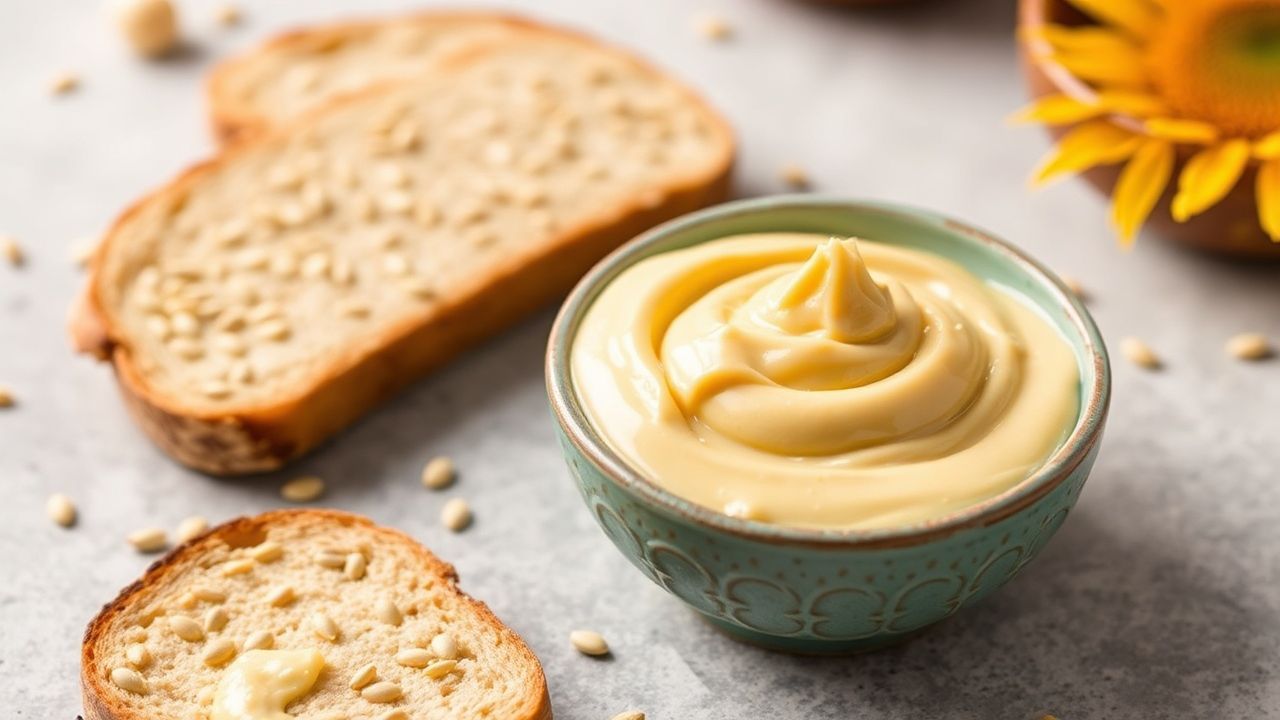
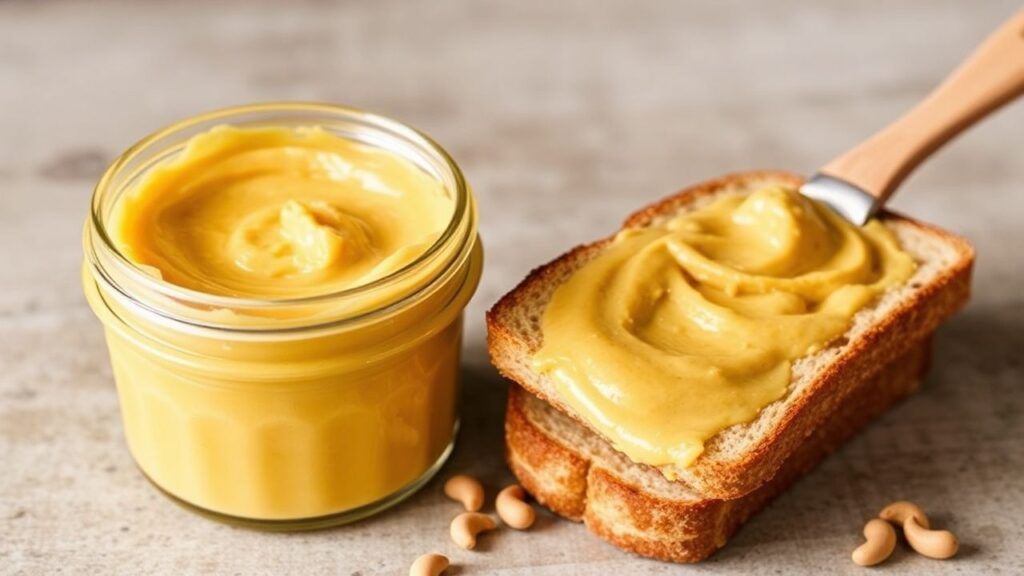
Sunflower seed butter shines as a star ingredient in a myriad of dishes. Spread it thickly on gluten-free toast topped with fresh berries and a drizzle of honey for a quick, satisfying breakfast. Swirl it into oatmeal or smoothie bowls for an added layer of creaminess and a significant protein boost.
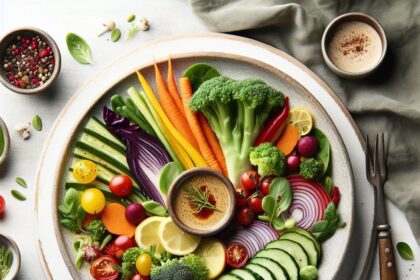
For savory applications, use it as a base for a vibrant salad dressing or as a dip mixed with a splash of soy sauce and lime juice—perfect for accompanying grilled vegetables or hearty rice bowls. Its adaptability makes it a valuable addition to any meal. Consider serving it with apple slices or celery sticks for a simple, wholesome snack that is both nutritious and incredibly satisfying.
Nutritional Information (per 2 tbsp serving)
| Calories | Protein | Carbohydrates | Fat |
|---|---|---|---|
| 190 | 5g | 6g | 16g |
Discover more allergy-friendly recipes and nut-free options in our allergy-friendly recipes collection. For a detailed look into the nutritional science behind seeds, visit Harvard T.H. Chan School of Public Health, a leading institution in public health research.
Comparing Sunflower Seed Butter to Traditional Nut Butters
Sunflower seed butter offers a compelling alternative for many, but how does it truly stack up against its nutty counterparts like peanut butter and almond butter? Firstly, its primary advantage lies in its nut-free composition. This makes it an invaluable option for individuals with peanut or tree nut allergies, a common and potentially severe health concern for many families. The peace of mind it provides in shared kitchens or school environments is significant.
- Sunflower Seed Butters: A Nut-Free Alternative Bursting with Flavor and Nutrition
- Comparing Sunflower Seed Butter to Traditional Nut Butters
- Culinary Versatility of Sunflower Seed Butter
- Nutritional Profile and Health Benefits
- Frequently Asked Questions about Sunflower Seed Butter
- Q1: Is sunflower seed butter a good substitute for peanut butter?
- Q2: What is the shelf life of homemade sunflower seed butter?
- Q3: Can I make sunflower seed butter without toasting the seeds?
- Q4: Are there any common allergens in sunflower seed butter besides nuts?
- Q5: How much oil should I add to my homemade sunflower seed butter?
- Conclusion
Nutritionally, sunflower seed butter is a powerhouse, comparable to many nut butters. It’s an excellent source of protein, vital for muscle repair and satiety. It also provides substantial amounts of healthy fats, crucial for energy and nutrient absorption. Furthermore, sunflower seeds are particularly rich in Vitamin E, a potent antioxidant, and minerals like magnesium, important for numerous bodily functions, including nerve and muscle function. This nutritional profile makes it a genuinely wholesome choice.
Flavor-wise, sunflower seed butter possesses a unique profile. It’s often described as milder and slightly earthier than peanut butter, with a subtle sweetness that doesn’t overpower dishes. This makes it incredibly versatile. Unlike peanut butter, which can sometimes dominate a flavor profile, sunflower seed butter integrates seamlessly into both sweet and savory creations. This makes it perfect for dips, sauces, and dressings where a less assertive flavor is desired.
The texture of sunflower seed butter can also vary, much like nut butters. When homemade, you can achieve your preferred consistency, from perfectly smooth to slightly chunky. Commercially produced versions are often processed for maximum creaminess. Its consistency allows it to be spread, blended, or dolloped with ease, offering a similar user experience to peanut or almond butter.
Culinary Versatility of Sunflower Seed Butter
The true beauty of sunflower seed butter lies in its remarkable versatility. It transcends the typical sandwich spread role, offering a world of culinary possibilities for both sweet and savory dishes. Its mild, nutty flavor and creamy texture make it an adaptable ingredient that can elevate everyday meals and snacks.
in breakfast, it’s a fantastic addition to oatmeal, yogurt bowls, or smoothie recipes. Swirling a spoonful into your morning oats adds a delightful richness and a boost of protein. Blended into a smoothie, it contributes a creamy texture and healthy fats, making the drink more filling and nutritious. It’s also excellent spread on toast, pancakes, or waffles, paired with fruits or a drizzle of honey.
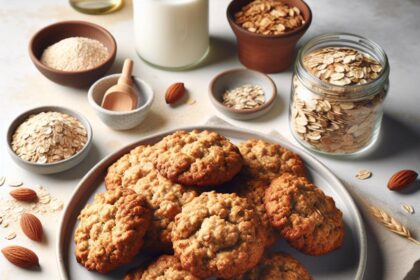
Beyond breakfast, sunflower seed butter shines in baking. It can be used as a binder in cookies, muffins, or energy bars, offering a healthier alternative to butter or eggs. Its presence adds moisture and a subtle nutty undertone that complements a wide range of baked goods. You can even substitute it for other nut butters in traditional recipes for a nut-free version.
For savory dishes, sunflower seed butter proves its worth as a base for dressings, sauces, and dips. Whisk it with lemon juice, garlic, and herbs for a zesty salad dressing. Mix it with soy sauce, ginger, and a touch of sweetener for a flavorful stir-fry sauce or a dip for spring rolls. It can also be incorporated into marinades for chicken or tofu, imparting a subtle richness and aiding in tenderization. Its adaptability is proof of the humble sunflower seed’s potential.
Consider using it in homemade energy balls or protein bites. Combined with oats, dried fruit, and seeds, it creates a satisfying and nutritious snack perfect for on-the-go energy. Its ability to bind ingredients and provide a creamy mouthfeel makes it an ideal component for these portable treats. Exploring these varied uses can transform your perception of this delightful spread.
Nutritional Profile and Health Benefits
Sunflower seed butter is not just delicious; it’s packed with nutrients that contribute significantly to overall health and well-being. Understanding its nutritional makeup highlights why it’s a valuable addition to a balanced diet. Each serving offers a good balance of macronutrients, supporting energy levels and bodily functions.
As mentioned, it’s an excellent source of protein, which is essential for building and repairing tissues, as well as promoting satiety, helping to manage appetite. The protein content makes it a great option for athletes, vegetarians, and anyone looking to increase their protein intake without relying on animal products. The presence of complete proteins in sunflower seeds further enhances its nutritional value.
The healthy fats in sunflower seed butter are primarily monounsaturated and polyunsaturated fats. These fats are heart-healthy, helping to lower bad cholesterol levels and reduce the risk of cardiovascular disease. The omega-6 fatty acids found in sunflower seeds play a role in various bodily processes, though maintaining a balance with omega-3s is important for optimal health. The oil pressed from sunflower seeds is a popular cooking oil due to these beneficial fat profiles.
One of the standout benefits of sunflower seed butter is its high concentration of Vitamin E. This powerful antioxidant protects cells from damage caused by free radicals, which can contribute to aging and chronic diseases. Vitamin E also supports immune function and skin health, making it a vital nutrient for maintaining vitality. Its presence in sunflower seeds is one of their most celebrated nutritional attributes.
Furthermore, sunflower seeds are a good source of essential minerals. Magnesium is crucial for over 300 biochemical reactions in the body, including energy production, muscle and nerve function, and blood glucose control. Selenium, another mineral found in sunflower seeds, acts as an antioxidant and is vital for thyroid function and immune health. The combination of these nutrients makes sunflower seed butter a truly wholesome food.
For those managing blood sugar levels, sunflower seed butter can be a beneficial choice. Its low carbohydrate content and the presence of fiber and healthy fats help to slow down sugar absorption, preventing rapid spikes and crashes in blood glucose. This makes it a more stable energy source compared to high-carbohydrate snacks. The fiber content also aids in digestive health.
The benefits extend to bone health as well. Sunflower seeds contain phosphorus and magnesium, both of which are important for maintaining strong bones. Adequate intake of these minerals, alongside calcium and Vitamin D, contributes to skeletal integrity and can help prevent conditions like osteoporosis. Incorporating sunflower seed butter into your diet is a delicious way to support your skeletal system.
Frequently Asked Questions about Sunflower Seed Butter
Q1: Is sunflower seed butter a good substitute for peanut butter?
Yes, absolutely! Sunflower seed butter is an excellent nut-free substitute for peanut butter. It offers a similar creamy texture and can be used in all the same applications, from sandwiches to baking, making it ideal for those with nut allergies.
Q2: What is the shelf life of homemade sunflower seed butter?
When stored properly in an airtight container in the refrigerator, homemade sunflower seed butter typically lasts for about 1-2 weeks. Natural separation may occur; simply stir it before use to reincorporate the oil.
Q3: Can I make sunflower seed butter without toasting the seeds?
You can, but toasting the seeds significantly enhances their flavor, making the butter much tastier. Un-toasted seeds will result in a blander, potentially chalkier spread. Roasting is highly recommended for optimal taste.
Q4: Are there any common allergens in sunflower seed butter besides nuts?
Sunflower seed butter itself is free from common allergens like dairy, soy, and gluten. However, it is crucial to check product labels if you have severe allergies, as some brands may be processed in facilities that also handle these allergens or may have cross-contamination risks.
Q5: How much oil should I add to my homemade sunflower seed butter?
Start with 1 tablespoon of mild oil and add more gradually, 1 teaspoon at a time, as needed during blending. The amount of oil required depends on the natural oil content of your sunflower seeds and your desired creaminess. Some seeds are naturally oilier than others.
Conclusion
As we’ve explored, sunflower seed butters are far more than just a simple nut-free alternative—they are a vibrant, nutritious spread bursting with flavor and incredible versatility. Whether you’re navigating the challenges of allergies, seeking exciting new tastes, or simply craving a wholesome twist on your beloved recipes, these golden-hued butters consistently prove that delicious options don’t always need to come from nuts.
So, the next time you find yourself reaching for a creamy, dreamy spread to enhance your meal or snack, consider letting sunflower seed butter brighten your pantry and delight your palate. Sometimes, the most rewarding culinary discoveries blossom directly from the humble, yet mighty, seed, offering a truly satisfying experience for everyone.
See also: sunflower seed butter