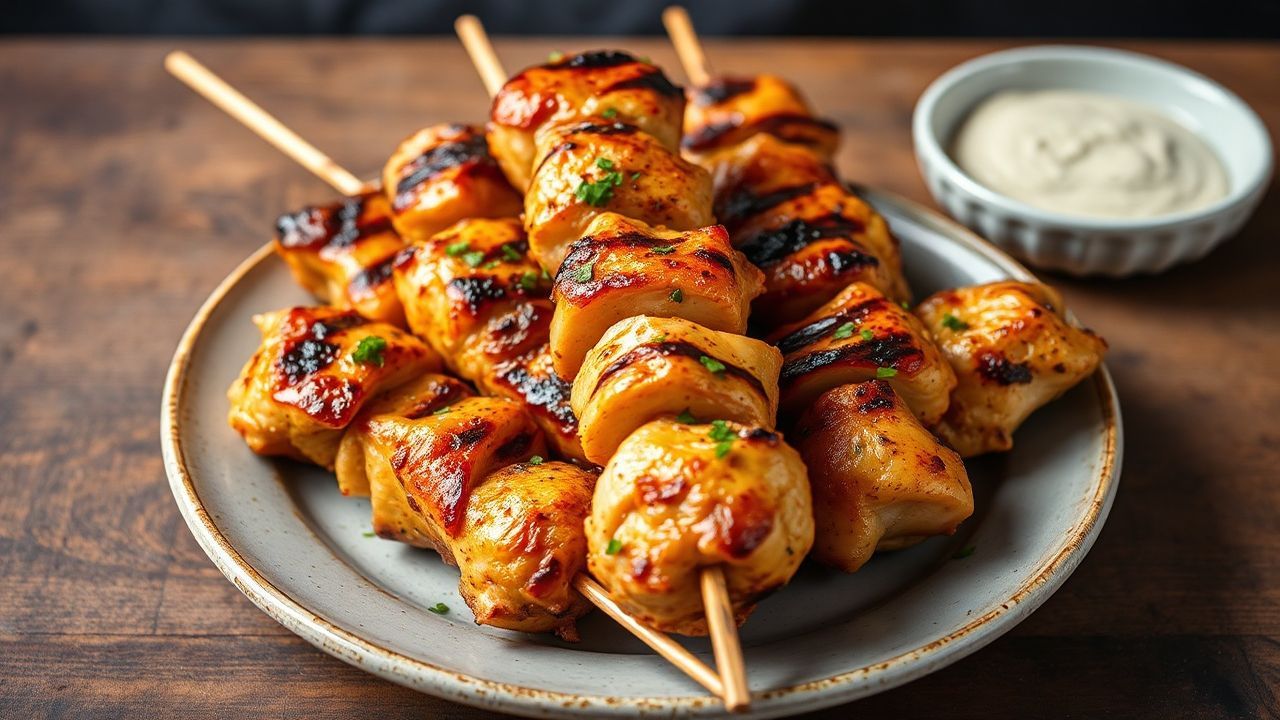

Has the thought of perfectly grilled, succulent chicken kebabs, bursting with vibrant flavors and tender to the bite, ever felt just beyond your grasp? You’ve followed recipes, meticulously threaded the skewers, and fired up the grill, only to end up with chicken that’s either dry, bland, or disappointingly tough. The secret, my friends, lies not just in the grilling technique, but in the alchemical transformation that happens *before* the heat ever touches the bird: the marinade. A truly exceptional chicken kebab marinade is more than just a sauce; it’s a culinary symphony, orchestrating a complex interplay of acids, fats, aromatics, and spices that tenderize, infuse, and elevate the humble chicken to an unforgettable gastronomic experience.
- The Foundational Pillars of a Superior Chicken Kebab Marinade
- The Acidic Element: The Tenderizer and Flavor Catalyst
- The Fat Component: The Flavor Carrier and Moisture Retainer
- The Aromatic Infusion: The Flavor Architects
- The Umami Boosters: The Depth Enhancers
- The Essential Chicken Kebab Marinade Recipe: A Proven Classic
- Elevating Your Chicken Kebab Marinade: Beyond the Basics
- The Art of Spice Blending: Crafting Depth and Complexity
- Incorporating Umami-Rich Ingredients for Deeper Flavor
- The Role of Sweetness: Balancing the Palate
- The Science of Tenderness: Understanding Protein Denaturation
- Grilling the Perfect Chicken Kebab: From Marinade to Masterpiece
- Nutritional Snapshot: A Look at Your Delicious Creation
- Frequently Asked Questions
The true magic of a perfect chicken kebab lies not in the grilling, but in the patient art of its marinade, a flavorful embrace that promises succulence and depth.
This isn’t about merely coating the chicken; it’s about a thoughtful, intentional process that unlocks the protein’s potential. Studies in food science, such as those published in the *Journal of Food Science*, have consistently shown how marinades can alter meat texture and flavor at a molecular level. The judicious use of acidic ingredients, for instance, can denature proteins, making the chicken more tender, while the fats carry fat-soluble flavor compounds deep into the meat. Understanding these principles allows us to move beyond guesswork and into a realm of culinary mastery, ensuring every skewer is proof of flavor and texture.
The Foundational Pillars of a Superior Chicken Kebab Marinade
Before we explore specific recipes, it’s crucial to grasp the core components that make a chicken kebab marinade sing. Think of these as the essential building blocks upon which all great marinades are constructed. Each element plays a distinct, vital role in the final outcome.
The Acidic Element: The Tenderizer and Flavor Catalyst
Acids are the unsung heroes of any good marinade. They work by breaking down the tough connective tissues in chicken, making it incredibly tender. However, over-reliance or using excessively strong acids can “cook” the exterior of the chicken, resulting in a mushy texture. Common acidic ingredients include:
- Lemon Juice: Offers a bright, clean citrus note that complements chicken beautifully. Its vitamin C content also aids in tenderization.
- Vinegar: Varieties like red wine vinegar, apple cider vinegar, or balsamic vinegar provide a more robust tang. The choice of vinegar can subtly influence the overall flavor profile.
- Yogurt/Buttermilk: These dairy-based options contain lactic acid, which is gentler than citrus or vinegar, making them excellent for longer marination times and imparting a creamy richness. They also contribute to a wonderfully moist texture.
The Fat Component: The Flavor Carrier and Moisture Retainer
Fat is essential for carrying fat-soluble flavors deep into the chicken and for keeping the meat moist during cooking. A good marinade will have a balanced fat content.
- Olive Oil: Extra virgin olive oil is a classic choice, adding a subtle fruity note and richness.
- Vegetable Oil: Neutral oils like canola or sunflower oil are good options when you want the other flavors to dominate.
- Sesame Oil: For Asian-inspired marinades, toasted sesame oil adds a distinct nutty aroma and depth.
The Aromatic Infusion: The Flavor Architects
This is where the personality of your kebab truly comes to life. Fresh herbs, spices, and alliums are the architects of complex flavor.
- Garlic & Onion: Minced garlic and finely grated or pureed onion are foundational aromatics that lend pungent depth.
- Fresh Herbs: Parsley, cilantro, mint, oregano, and thyme all bring distinct fresh notes. Chop them finely or bruise them to release their essential oils.
- Spices: Cumin, coriander, paprika, turmeric, cayenne pepper, and black pepper are common staples. Toasted and ground spices release more potent aromas.
The Umami Boosters: The Depth Enhancers
These ingredients add a savory, complex layer that elevates the entire dish.
- Soy Sauce/Tamari: Provides saltiness and a deep umami flavor, particularly in Asian-inspired marinades.
- Worcestershire Sauce: A fermented condiment offering a complex blend of savory, sweet, and tangy notes.
- Tomato Paste: Concentrated tomato flavor adds richness and a slight sweetness.
The Essential Chicken Kebab Marinade Recipe: A Proven Classic
This recipe is proof of simplicity and effectiveness, drawing on time-tested flavor combinations. It’s versatile enough to be adapted, yet robust enough to stand on its own as a truly exceptional marinade.
Ingredients:
- 1 kg (approx. 2.2 lbs) boneless, skinless chicken thighs or breasts, cut into 1.5-inch cubes
- 1/2 cup (120 ml) plain yogurt (full-fat recommended for richness)
- 1/4 cup (60 ml) fresh lemon juice (from about 1-2 lemons)
- 3 tablespoons extra virgin olive oil
- 4 cloves garlic, minced
- 1 teaspoon grated fresh ginger
- 1 teaspoon ground cumin
- 1 teaspoon ground coriander
- 1 teaspoon paprika (sweet or smoked, depending on preference)
- 1/2 teaspoon turmeric powder
- 1/4 teaspoon cayenne pepper (optional, for a touch of heat)
- 1/2 teaspoon salt, or to taste
- 1/4 teaspoon freshly ground black pepper
- Fresh cilantro or parsley, chopped (for garnish, optional)
Preparation Method:
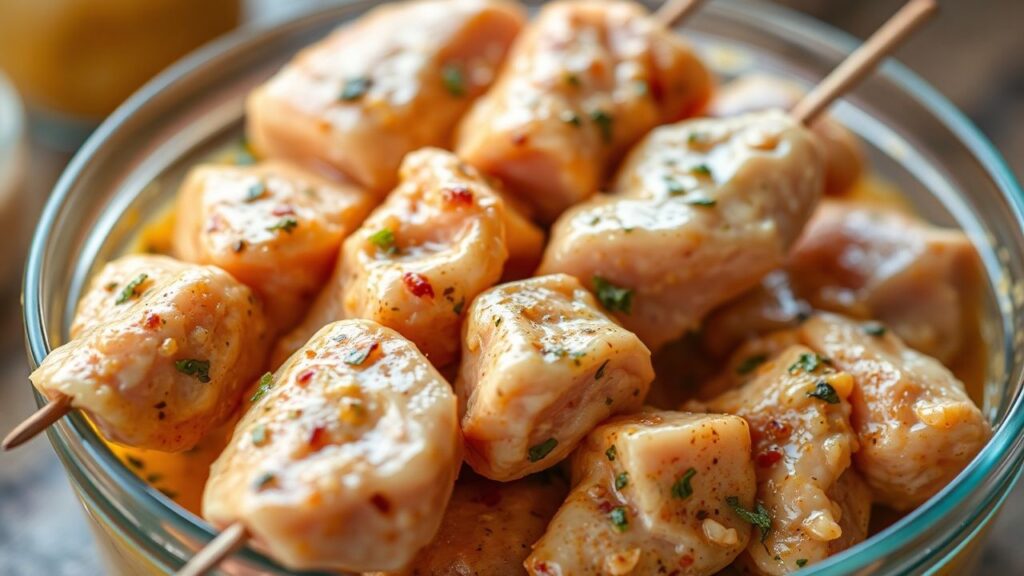
1. Prepare the Chicken: Ensure your chicken pieces are uniform in size for even cooking. Pat them dry with paper towels; this helps the marinade adhere better. 2. Combine Marinade Ingredients: In a medium-sized bowl, whisk together the yogurt, lemon juice, olive oil, minced garlic, grated ginger, cumin, coriander, paprika, turmeric, cayenne pepper (if using), salt, and black pepper. Mix thoroughly until well combined and smooth. 3. Marinate the Chicken: Add the chicken pieces to the bowl with the marinade. Use your hands or a spoon to ensure each piece is thoroughly coated. Cover the bowl tightly with plastic wrap or transfer the mixture to a resealable plastic bag. 4. Refrigerate: Place the covered bowl or bag in the refrigerator. For optimal flavor and tenderness, marinate for at least 4 hours, or preferably overnight (up to 12 hours).
Avoid marinating for much longer, especially with lemon juice, as the chicken can become mushy. 5. Skewer the Kebabs: Once marinated, thread the chicken pieces onto skewers. If using wooden skewers, soak them in water for at least 30 minutes prior to prevent burning on the grill. You can also alternate chicken pieces with vegetables like bell peppers, onions, and cherry tomatoes for a complete kebab.
Elevating Your Chicken Kebab Marinade: Beyond the Basics
While the classic recipe is superb, true culinary artists understand that there are always ways to refine and personalize. Here are some expert-level techniques and variations to push your chicken kebabs into truly extraordinary territory.
The Art of Spice Blending: Crafting Depth and Complexity
The spices in your marinade are not just about adding heat or color; they are the architects of aroma and taste.
- Toasting Spices: Before grinding or adding whole spices to your marinade, gently toast them in a dry skillet over medium heat for a minute or two until fragrant. This process awakens their essential oils, intensifying their flavor and aroma. This is a critical step often overlooked by home cooks.
- Building Spice Profiles: Consider regional influences. For a Middle Eastern twist, incorporate sumac and a pinch of cinnamon. For a Mediterranean flair, add dried oregano and a touch of mint. An Indian-inspired marinade might feature garam masala, fenugreek, and a touch of mustard oil.
Incorporating Umami-Rich Ingredients for Deeper Flavor
Umami, the fifth basic taste, is responsible for savory depth and mouthwatering satisfaction.
- Miso Paste: A small amount of white or yellow miso paste can add a profound, fermented umami richness without an overpowering flavor. It dissolves beautifully into yogurt- or oil-based marinades.
- Anchovy Paste: Don’t shy away! A tiny amount of anchovy paste (about half a teaspoon) dissolves completely and adds an incredible savory backbone that enhances other flavors without tasting fishy.
The Role of Sweetness: Balancing the Palate
A touch of sweetness can beautifully balance the acidity and savory notes in a marinade, creating a more rounded flavor profile.
- Honey or Maple Syrup: These natural sweeteners caramelize wonderfully on the grill, adding a lovely gloss and subtle sweetness.
- Fruit Juices: Pomegranate molasses or a splash of orange juice can introduce a unique fruity sweetness and tang.
The Science of Tenderness: Understanding Protein Denaturation
The tenderization process in marinades is a fascinating interplay of chemistry and culinary art. Acids, as mentioned, denature proteins by altering their three-dimensional structure. Enzymes, found naturally in some fruits, can also play a role.
- Pineapple and Papaya: These tropical fruits contain powerful proteolytic enzymes (bromelain in pineapple, papain in papaya) that actively break down meat fibers. However, these enzymes are extremely potent. Marinating chicken in fresh pineapple or papaya juice for more than 30 minutes can result in a mushy, almost disintegrated texture. It’s best to use these in very small quantities, or opt for pureed versions mixed with other marinade ingredients, and always keep marination times strictly controlled. Research from institutions like the University of California, Davis, has extensively documented the enzymatic activity of these fruits on meat proteins.
- Salt’s Role: Beyond flavor, salt matter significantly in tenderization. It helps to denature proteins and also swells the muscle fibers, allowing them to retain more moisture during cooking. A well-seasoned marinade with adequate salt will result in a juicier final product.
Grilling the Perfect Chicken Kebab: From Marinade to Masterpiece
The marinade sets the stage, but the grilling technique ensures the final act is a triumph.
Prepping for the Grill:
- Remove Excess Marinade: Before skewering, gently shake off any excess marinade from the chicken pieces. Too much liquid can cause flare-ups and prevent proper searing.
- Even Skewering: As noted, ensure pieces are uniformly sized and spaced on the skewer for even cooking. Don’t overcrowd them.
Grilling Techniques:
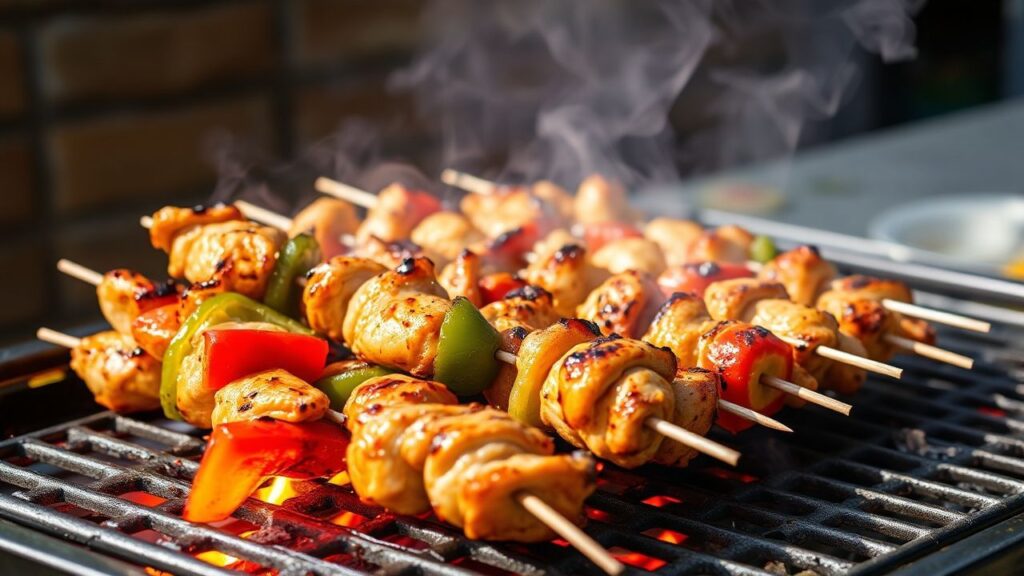
- Medium-High Heat: Aim for a grill temperature that is hot enough to sear the chicken quickly, creating those desirable char marks and locking in juices, but not so hot that it burns the exterior before the interior is cooked.
- Direct vs. Indirect Heat: For thinner cuts or smaller pieces, direct heat is usually sufficient. For thicker pieces or if you fear burning, you can start on direct heat to sear, then move to indirect heat to finish cooking through.
- Rotation is Key: Turn the skewers frequently to ensure all sides are evenly cooked and achieve that beautiful, caramelized char.
- Doneness Test: The safest way to ensure your chicken is cooked through is to use a meat thermometer. Chicken kebabs are safely cooked when they reach an internal temperature of 165°F (74°C). Visually, the juices should run clear, and the meat should be opaque throughout.
Nutritional Snapshot: A Look at Your Delicious Creation
While the exact nutritional values will vary based on ingredient choices (e.g., fat content of yogurt, amount of oil), a typical serving of chicken kebab made with this marinade offers a good source of protein and can be quite healthy, especially when paired with plenty of vegetables.
- Protein: Chicken is an excellent source of lean protein, essential for muscle repair and growth.
- Vitamins and Minerals: Depending on the spices and any added vegetables, kebabs can contribute B vitamins, iron, zinc, and antioxidants.
- Fat Content: The fat comes primarily from the oil and yogurt. Using lean chicken and opting for lower-fat yogurt can reduce this. The healthy fats in olive oil are beneficial in moderation.
A standard serving (e.g., 4 oz of cooked chicken kebab) might provide approximately:
- Calories: 250-350
- Protein: 25-35g
- Fat: 10-20g
- Carbohydrates: 5-10g (largely from any added sugars or vegetables)
Frequently Asked Questions
How long should I marinate chicken for kebabs?
For most chicken kebab marinades containing acids like lemon juice or vinegar, marinating for 4 to 6 hours is ideal. Overnight (up to 12 hours) is also acceptable, particularly with milder acids like yogurt. Avoid marinating for much longer than 12 hours, as the chicken can become mushy and lose its texture.
Can I use chicken breast instead of thighs for kebabs?
Absolutely. Chicken breast can be used, but it’s leaner and prone to drying out. Ensure you don’t overcook it and consider marinating it for a slightly shorter duration to preserve moisture. Using a marinade with a good fat content and tenderizing agents is even more critical with chicken breast.
What are the best vegetables to skewer with chicken kebabs?
Bell peppers (all colors), red onions, cherry tomatoes, zucchini, mushrooms, and even chunks of pineapple work wonderfully. Ensure vegetables are cut into similar sizes to the chicken pieces for even cooking.
Can I make the marinade ahead of time?
Yes, most chicken kebab marinades can be made up to 2-3 days in advance and stored in an airtight container in the refrigerator. However, it’s best to add the chicken to the marinade only when you are ready to begin the marination process.
How can I get beautiful char marks on my chicken kebabs?
Ensure your grill is properly preheated to medium-high heat. Clean and oil your grill grates thoroughly before placing the skewers. Don’t move the kebabs too much initially; let them sear for a few minutes on each side to develop those characteristic grill marks.
See also: chicken kebab