
The Enduring Allure of Lemon Chicken: More Than Just a Meal
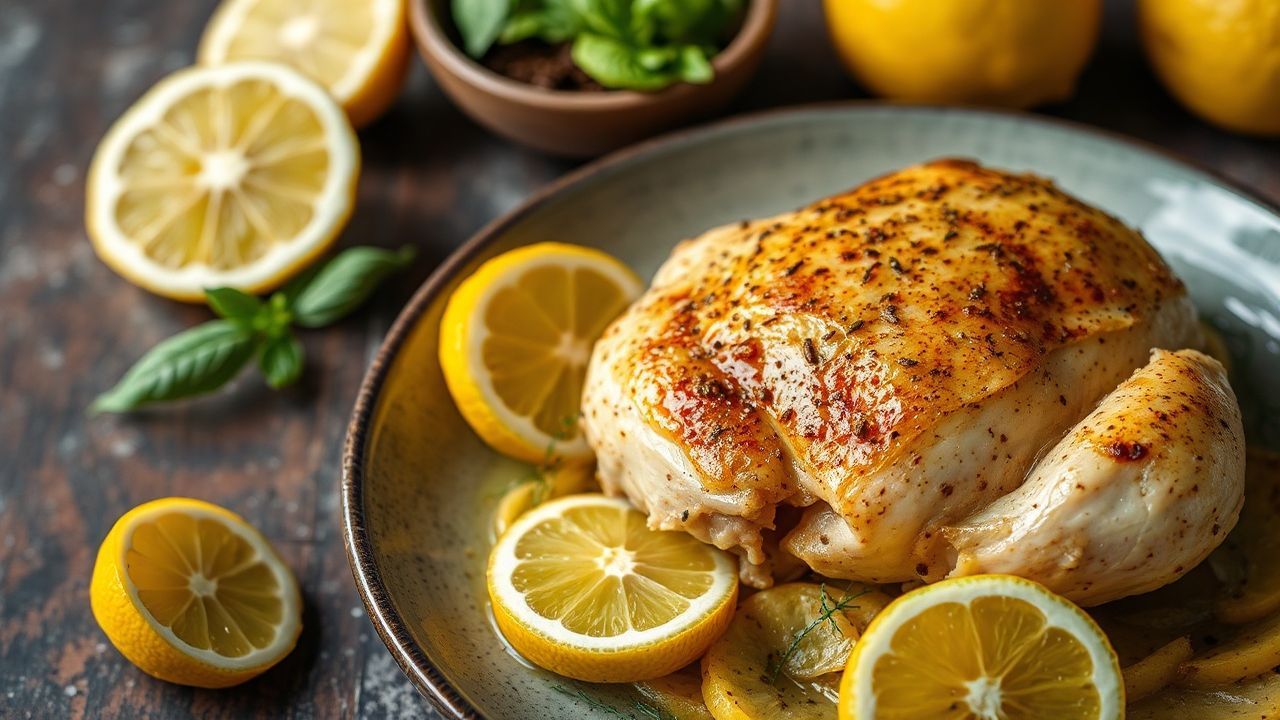
Lemon Chicken. The very name evokes a symphony of bright, zesty aromas and tender, succulent meat. But what truly elevates this seemingly simple dish from a weeknight staple to a culinary revelation? It’s the intricate dance of acidity and fat, the nuanced interplay of aromatics, and the textural contrast that makes it so universally adored. For too long, home cooks have been content with serviceable versions, missing out on the profound depth and complexity that a truly masterful Lemon Chicken can achieve. This is not merely a recipe; it’s an exploration into the soul of a dish that transcends borders and generations, proof of the power of a few well-chosen ingredients to create something truly extraordinary. The misconception that achieving restaurant-quality Lemon Chicken is an insurmountable task is precisely what we aim to dismantle today.
- The Enduring Allure of Lemon Chicken: More Than Just a Meal
- The Essential Arsenal: Ingredients for a Superior Lemon Chicken
- Chicken Selection: The Canvas for Flavor
- The Heart of the Matter: Lemons
- Aromatic Ensemble: Building Complexity
- The Supporting Cast: Liquids and Fats
- Seasoning: The Unsung Hero
- The Alchemy of Preparation: A Step-by-Step Masterclass
- Step 1: Preparing the Preserved Lemons and Chicken
- Step 2: Searing the Chicken for Golden Perfection
- Step 3: Building the Aromatic Foundation
- Step 4: Deglazing and Developing the Sauce
- Step 5: The Gentle Embrace: Braising the Chicken
- Step 6: The Grand Finale: Finishing the Sauce
- Step 7: Plating and Presentation
- Nutritional Insights: A Wholesome Indulgence
- Expert Pro-Tips: Elevating Your Lemon Chicken to Gastronomic Heights
- Common Pitfalls and How to Sidestep Them
- Frequently Asked Questions
The true magic of Lemon Chicken lies not in complexity, but in the masterful balance of simple, potent ingredients, transforming the ordinary into the sublime.
A Culinary Journey Through Lemon Chicken’s Heritage
The history of dishes featuring citrus and poultry is as old as civilization itself. Ancient Romans, with their sophisticated culinary practices, are known to have utilized lemon and other acidic fruits to tenderize meats and cut through richness. Across the Mediterranean and into the Middle East, the pairing became a cornerstone of regional cuisines. In North Africa, tagines often feature preserved lemons, their intensely umami and slightly fermented flavor profile adding an unparalleled depth. Italian cuisine boasts variations like *Pollo al Limone*, proof of the simple elegance of the lemon’s zest. The pervasive presence of lemon chicken in global gastronomy speaks to its inherent deliciousness and adaptability. It’s a dish that feels both comforting and exotic, familiar yet always capable of surprising.
The specific iteration we’ll focus on today draws inspiration from these rich traditions, aiming for a harmonious blend of bright citrus, savory chicken, and aromatic herbs that sing in unison. Understanding this historical context is crucial; it informs our choices in ingredient selection and technique, allowing us to tap into centuries of culinary wisdom.
Key Takeaways
- Mastering Lemon Chicken involves understanding the delicate balance between acidity, fat, and aromatics.
- Authentic flavor profiles are rooted in historical culinary traditions from the Mediterranean and Middle East.
- The choice of chicken cut and cooking method significantly impacts the final texture and succulence.
- Preserved lemons offer a unique, complex umami depth that fresh lemons cannot replicate.
The Essential Arsenal: Ingredients for a Superior Lemon Chicken
To achieve the sublime, one must begin with the sublime. The foundation of any great dish is the quality of its components. For our *Essential Lemon Chicken*, we are aiming for a flavor profile that is bright, savory, and deeply satisfying. This means selecting the right chicken, the freshest aromatics, and, crucially, the transformative power of preserved lemons.
Chicken Selection: The Canvas for Flavor
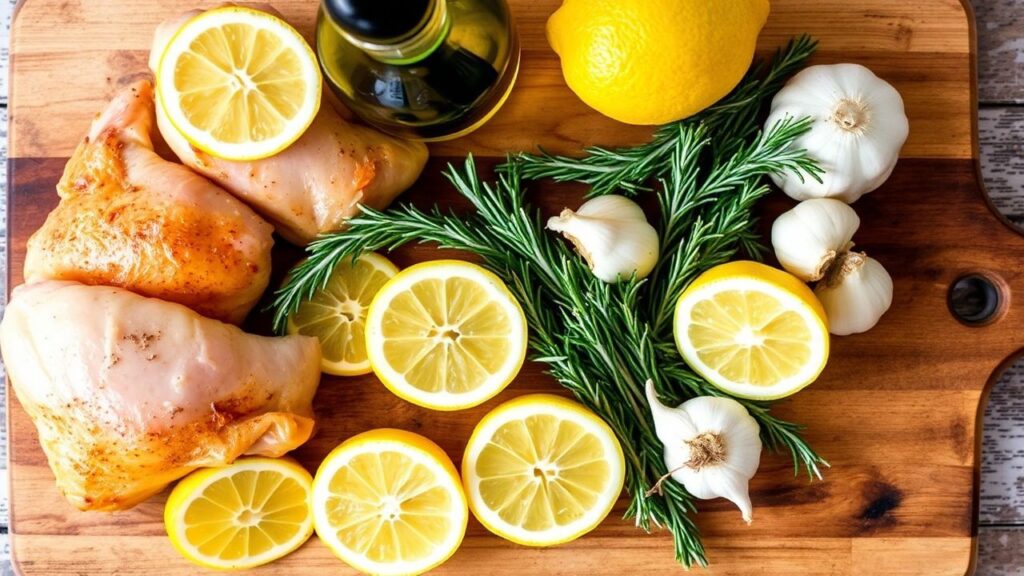
The choice of chicken is paramount. While bone-in, skin-on pieces offer unparalleled flavor and moisture retention due to the connective tissues and rendered fat, boneless, skinless thighs provide a fantastic balance of ease and succulence. For this recipe, we recommend bone-in, skin-on chicken thighs and drumsticks. The skin crisps beautifully, providing a delightful textural contrast, while the bone and dark meat contribute a richer, more developed flavor. If opting for boneless, skinless thighs, adjust cooking time accordingly to prevent overcooking. A standard recipe often calls for about 2-3 pounds of chicken, serving approximately 4-6 people.
The Heart of the Matter: Lemons
This dish truly shines with the inclusion of preserved lemons. These aren’t just pickled lemons; they are lemons that have been cured in salt and their own juices, undergoing a fermentation process that transforms their flavor. The pith becomes tender and edible, and the rind develops an intense, almost sweet, citrusy, and profoundly savory (umami) character. You can purchase preserved lemons from specialty food stores or online, or even make your own with a bit of planning. For a recipe serving 4-6, you will need 2-3 preserved lemons. If preserved lemons are unavailable, you can substitute with the zest and juice of 3-4 fresh lemons, but the depth of flavor will be noticeably different. We will also incorporate the juice of 1 fresh lemon to brighten the sauce at the end.
Aromatic Ensemble: Building Complexity
The supporting cast of aromatics is what truly builds the character of our Lemon Chicken.
- Garlic: 4-6 cloves, minced. Use fresh garlic for the best pungent aroma.
- Shallots: 2 medium shallots, finely chopped. Their milder, sweeter flavor is preferable to onions here.
- Fresh Herbs: A generous handful of fresh rosemary sprigs (2-3) and thyme sprigs (4-5). The woodsy notes of these herbs are a classic pairing with lemon and chicken.
- Optional spice: A pinch of red pepper flakes for a subtle warmth, if desired.
The Supporting Cast: Liquids and Fats
A robust sauce is crucial for a truly memorable Lemon Chicken.
- Olive Oil: 3-4 tablespoons of good quality extra virgin olive oil for sautéing.
- Chicken Broth: 1.5 cups of low-sodium chicken broth. This forms the base of our luscious sauce.
- White Wine (Optional): 1/2 cup of dry white wine (like Sauvignon Blanc or Pinot Grigio). This adds acidity and complexity to the sauce, deglazing the pan and lifting browned bits.
Seasoning: The Unsung Hero
- Salt: Use judiciously, as preserved lemons are quite salty. You will likely only need a small amount, to taste.
- Freshly Ground Black Pepper: To taste.
The Alchemy of Preparation: A Step-by-Step Masterclass
Achieving culinary excellence is a process, an unfolding of flavors and textures. Our approach to Lemon Chicken emphasizes building layers of flavor, ensuring each component contributes to a harmonious whole.
Step 1: Preparing the Preserved Lemons and Chicken
Begin by preparing your preserved lemons. Rinse them thoroughly under cold water to remove excess salt. Discard the pulp (unless you enjoy its intense flavor), and finely chop the rind. If using fresh lemons as a substitute, zest them and then juice them. Pat the chicken pieces thoroughly dry with paper towels. This is a critical step for achieving crispy skin. Season the chicken generously with salt and freshly ground black pepper. Remember, preserved lemons are salty, so season the chicken more lightly if you are using them, and you can always adjust seasoning later.
Step 2: Searing the Chicken for Golden Perfection
Heat the olive oil in a large, oven-safe skillet or Dutch oven over medium-high heat. Once the oil is shimmering, add the chicken pieces, skin-side down, in a single layer. Do not overcrowd the pan; work in batches if necessary. Sear the chicken for about 5-7 minutes per side, until deeply golden brown and crispy. This searing process is crucial for developing flavor through the Maillard reaction and creating that irresistible crispy skin. Remove the seared chicken to a plate and set aside.
Step 3: Building the Aromatic Foundation
Reduce the heat to medium. Add the chopped shallots to the skillet and sauté for 2-3 minutes until softened and translucent. Add the minced garlic and cook for another minute until fragrant, being careful not to burn it. If using red pepper flakes, add them now.
Step 4: Deglazing and Developing the Sauce
If using white wine, pour it into the skillet and scrape the bottom of the pan with a wooden spoon to loosen any browned bits. Let the wine simmer and reduce by half, about 2-3 minutes. This process, known as deglazing, captures all the flavorful fond from the bottom of the pan. Pour in the chicken broth and add the chopped preserved lemon rind (or fresh lemon zest and juice). Bring the mixture to a simmer.
Step 5: The Gentle Embrace: Braising the Chicken
Return the seared chicken pieces to the skillet, nestling them into the simmering sauce. Add the fresh rosemary and thyme sprigs. Cover the skillet tightly with a lid or foil. Transfer the skillet to a preheated oven at 375°F (190°C). Braise for 30-40 minutes, or until the chicken is cooked through and tender. The internal temperature should reach 165°F (74°C).
Step 6: The Grand Finale: Finishing the Sauce
Once the chicken is cooked, carefully remove the skillet from the oven. Transfer the chicken pieces to a serving platter. If the sauce seems too thin, you can return the skillet to the stovetop over medium-high heat and simmer it uncovered for a few minutes to reduce and thicken. Stir in the fresh lemon juice from the fresh lemon. Taste the sauce and adjust seasoning with salt and pepper if needed. The sauce should be bright, savory, and infused with the essence of lemon and herbs.
Step 7: Plating and Presentation
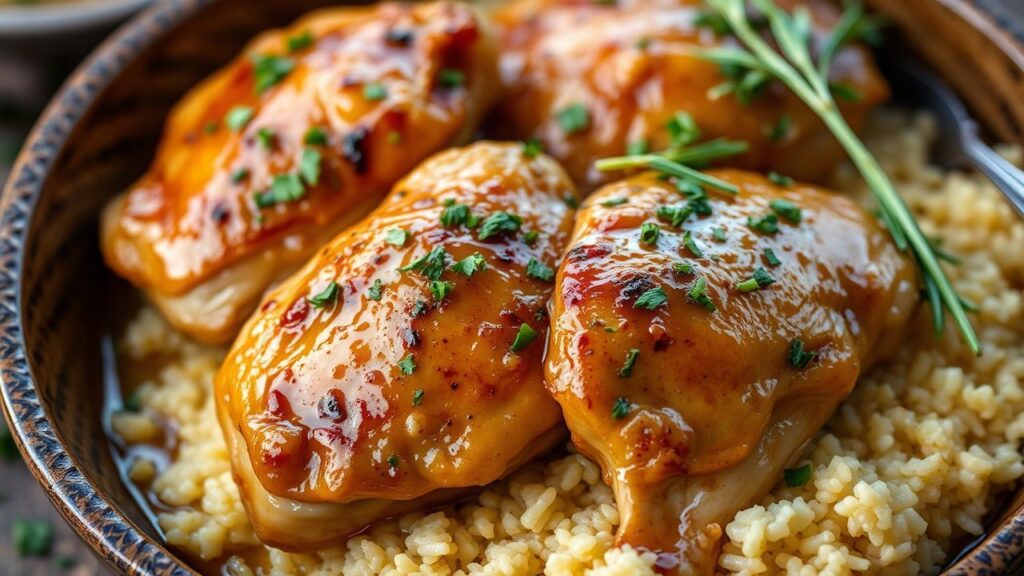
Spoon the luscious lemon sauce generously over the chicken. Garnish with fresh parsley or additional herb sprigs if desired. Serve immediately with your favorite accompaniments.
Nutritional Insights: A Wholesome Indulgence
While the primary focus of this recipe is flavor and culinary excellence, it’s beneficial to understand the nutritional contributions of this dish. A serving of this Lemon Chicken, typically one to two pieces depending on size, offers a good source of protein and essential nutrients.
Approximate Nutritional Information Per Serving (based on 6 servings, bone-in chicken thighs):
- Calories: 350-450 kcal
- Protein: 30-40g
- Fat: 20-30g (depending on skin rendering)
- Saturated Fat: 5-8g
- Cholesterol: 100-150mg
- Carbohydrates: 5-10g
- Fiber: 1-2g
- Sodium: 400-600mg (highly dependent on preserved lemon saltiness and added salt)
- Vitamin C: Significant contribution from fresh lemon juice.
Keep in mind that these figures are estimates. The exact nutritional profile will vary based on the specific cuts of chicken used, the amount of fat rendered, and the salt content of preserved lemons. This dish can be a part of a balanced diet, providing lean protein and flavor without excessive carbohydrates, especially when served with non-starchy vegetables. Research published by the U.S. Department of Agriculture (USDA) highlights chicken as a key source of complete protein, essential for muscle repair and growth.
Expert Pro-Tips: Elevating Your Lemon Chicken to Gastronomic Heights
Having mastered the fundamental steps, We examine the nuances that distinguish a good Lemon Chicken from an exceptional one. These are the insights gleaned from years of culinary practice, the secrets that elevate home cooking to restaurant-quality.
Common Pitfalls and How to Sidestep Them
Even with the best intentions, certain missteps can detract from the final dish. Awareness of these common pitfalls is half the battle.
Accompaniments: The Perfect Partners
The right side dishes can transform a meal. For Lemon Chicken, consider:
- Fluffy Couscous or Quinoa: Perfect for soaking up the exquisite sauce.
- Roasted Root Vegetables: Carrots, parsnips, and sweet potatoes offer a grounding sweetness.
- Steamed Asparagus or Green Beans: For a fresh, vibrant contrast.
- A Simple Green Salad: With a light vinaigrette to balance the richness.
Frequently Asked Questions
H3: What are preserved lemons and how do I use them?
Preserved lemons are lemons that have been cured in salt and their own juices, undergoing a fermentation process. This transforms their flavor, making the rind tender and edible, with a concentrated, savory, and slightly sweet citrus taste. To use them, rinse them thoroughly, discard the pulp, and finely chop the rind. They add a unique umami depth to dishes like stews, roasted meats, and sauces.
H3: Can I make preserved lemons at home?
Yes, you can make preserved lemons at home. It requires patience, as they typically need to cure for at least 3-4 weeks. The basic process involves packing halved or quartered lemons in salt and their own juice in a sterilized jar, often with added spices. Many reputable culinary websites offer detailed guides for homemade preserved lemons.
H3: What is the best type of chicken to use for this recipe?
For this specific recipe, bone-in, skin-on chicken thighs and drumsticks are highly recommended. They offer superior flavor due to the fat and connective tissues, and the skin crisps beautifully. However, boneless, skinless chicken thighs can also be used, but you’ll need to adjust the cooking time to prevent them from drying out.
H3: My sauce is too thin. How can I thicken it?
If your lemon chicken sauce is too thin, the simplest method is to reduce it further. Return the sauce to the stovetop (after removing the chicken) and simmer it uncovered over medium-high heat, stirring occasionally, until it reaches your desired consistency. For a quicker thickening, you can create a slurry by mixing 1 tablespoon of cornstarch or flour with 2 tablespoons of cold water, then whisking this mixture into the simmering sauce until it thickens.
H3: Can I make Lemon Chicken ahead of time?
While fresh is always best, Lemon Chicken can be prepared a day in advance and gently reheated. However, the sauce might separate upon reheating, so you may need to whisk it vigorously or briefly simmer it to bring it back together. For optimal texture, it’s best to add the fresh lemon juice just before serving.
See also: Lemon Chicken