
Helping Your Child Overcome Fear of Green Foods Creatively: The Ultimate Guide
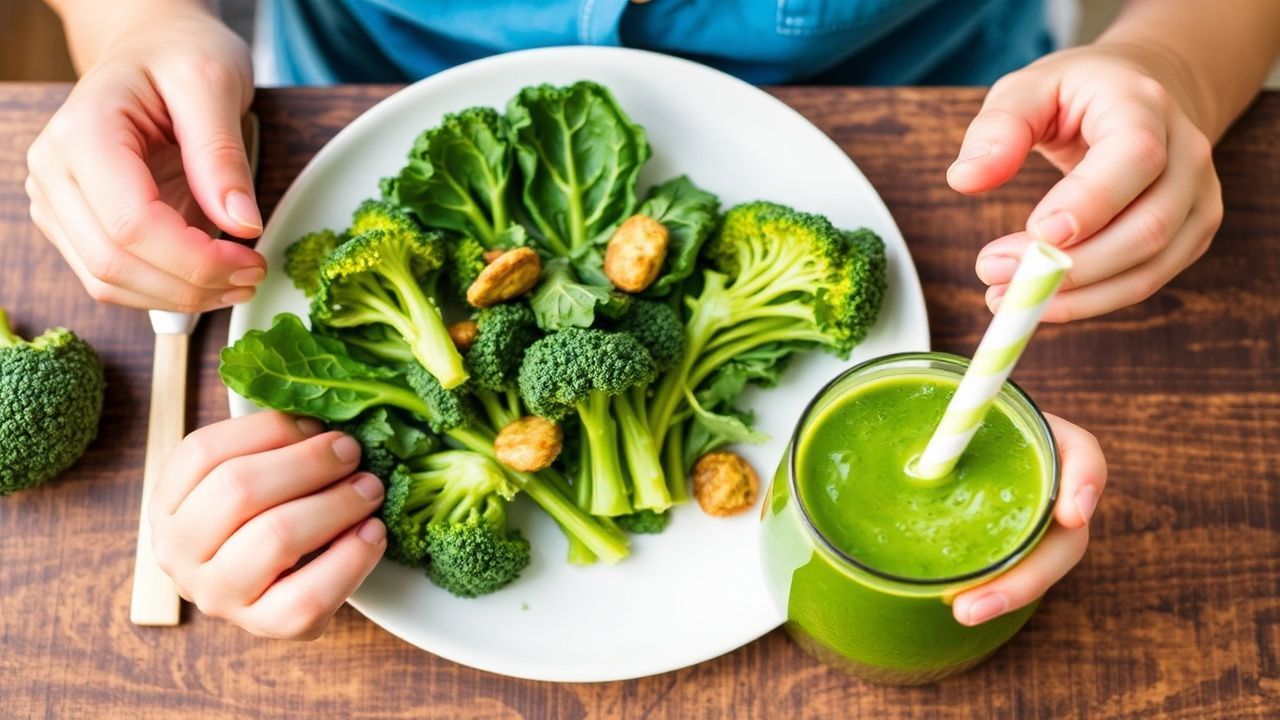
Picture this: a vibrant plate of leafy spinach, crisp broccoli florets, or a bright green smoothie sits before your child – and they recoil, scrunching their nose as if facing an alien invader. For many parents, the “green food battle” is a familiar scene, where nutritious veggies become foes rather than friends. But what if there was a way to turn this struggle into a playful adventure? Helping your child overcome their fear of green foods doesn’t have to be a mealtime meltdown. With a sprinkle of creativity, a dash of patience, and a pinch of imagination, you can transform green veggies from dreaded disappointments into delightful discoveries. This guide explores imaginative strategies to gently guide your little ones toward embracing these powerhouse foods with curiosity and joy. Let the green food revolution begin!
- Unveiling the Mystery: Why the Green Food Phobia?
- The Power of Play: Transforming Green Veggies into Fun
- Sneaky Strategies: The Art of Hidden Veggies
- Involving Your Child: The Ultimate Ingredient for Success
- The Role of Patience and Positive Reinforcement
- Exploring the World of Green Flavors
- Hydration and Green Goodness: Smoothie Secrets
- Beyond the Plate: Educational Approaches to Green Foods
- When to Seek Professional Guidance
- Explore More Creative Ways to Encourage Healthy Eating
- Q&A
- Q1: Why do some children develop a fear of green foods?
- Q2: How can parents turn green food fear into a fun adventure?
- Q3: Are there specific foods or recipes that can ease the transition?
- Q4: How important is involving the child in meal preparation?
- Q5: What should parents avoid when helping their child with green food fear?
- Q6: How can parents celebrate progress in overcoming green food fear?
- Closing Remarks
At a Glance: Key Takeaways
- Transforming green food fear into a fun adventure requires creativity and patience.
- Hidden veggie recipes and playful presentation are powerful tools.
- Involving children in food preparation builds curiosity and ownership.
- Positive reinforcement and avoiding pressure are crucial for success.
Unveiling the Mystery: Why the Green Food Phobia?
Many children develop a peculiar aversion to green foods, a phenomenon often referred to as ‘selective eating’ or ‘food neophobia.’ This hesitancy isn’t usually born out of defiance, but rather a complex interplay of sensory experiences and developmental stages. Understanding the root causes is the first step toward effective intervention.
Green vegetables can present a unique challenge. They often possess stronger, sometimes bitter flavors compared to sweeter fruits or neutral grains. Textures can also be a significant factor; the stringiness of some greens or the mushiness of others might be off-putting to a developing palate. Furthermore, the visual aspect plays a role. An unfamiliar green hue might trigger a primal caution, a natural instinct to avoid potentially harmful substances. This is a common survival mechanism, but one that can be gently guided with the right approach. Learn more about food neophobia and its impact on children.
The Power of Play: Transforming Green Veggies into Fun
The most effective strategy for overcoming the green food hurdle lies in making it an enjoyable experience. Think of yourself as a culinary magician, transforming ordinary vegetables into extraordinary delights. This involves a blend of imaginative presentation and engaging activities that shift the focus from the ‘scary’ food to the ‘fun’ activity.
Consider renaming vegetables to make them more appealing. Broccoli florets can become “tiny trees” for a dinosaur-themed meal, or spinach can be “superhero fuel” that gives them strength. Cutting vegetables into fun shapes using cookie cutters can also pique a child’s interest. Smoothies are another fantastic avenue; blending mild greens like spinach or kale with sweet fruits like bananas and berries can mask the green flavor and color, making it a palatable introduction.
Creative Presentation Ideas
Presentation is paramount when introducing new or challenging foods. The visual appeal can significantly influence a child’s willingness to try something new. Think of food as art for little eyes.
Arrange vegetables in fun patterns on the plate. For instance, arrange cucumber slices like a caterpillar or bell pepper strips like a rainbow. You can even create edible art, like a smiling face made of various vegetables. Using colorful plates and serving dishes can also enhance the experience. Remember, the goal is to make the plate look as inviting and exciting as possible, transforming a simple meal into an interactive experience.
Sneaky Strategies: The Art of Hidden Veggies
For particularly hesitant eaters, the art of “hiding” vegetables can be a bridge to acceptance. This involves incorporating pureed or finely chopped vegetables into familiar dishes where their presence is less noticeable. This method ensures children receive essential nutrients without the immediate confrontation with a green vegetable.
Classic comfort food favorites can be excellent vehicles for hidden greens. Think about incorporating pureed zucchini or cauliflower into pasta sauces, mashed potatoes, or even baked goods like muffins. Finely minced spinach or kale can be added to meatballs, burgers, or quesadillas. The key is to start with small amounts and gradually increase them as your child becomes accustomed to the subtle additions. This method allows them to enjoy the familiar taste and texture of their favorite meals while unknowingly benefiting from added nutrition. Learn more about the benefits of vegetables in a child’s diet.
Hidden Veggie Power Nuggets Recipe
These Hidden Veggie Power Nuggets are inspired by classic comfort food favorites, cleverly infused with green vegetables to sneak essential nutrients into every bite. Perfectly golden and irresistibly crispy, these nuggets transform mealtime into a playful exploration of colors and flavors, inviting even the most hesitant eaters to dive into a vibrant world of healthy indulgence.
Prep and Cook Time
Prep time: 15 minutes
Cook time: 20 minutes
Total time: 35 minutes
Yield
Serves 4 (approximately 16 nuggets)
Difficulty Level
Easy – no fancy equipment required, perfect for busy parents and little helpers!
Ingredients
- 1 cup cooked and finely chopped spinach (fresh or frozen, squeezed dry)
- 1 cup finely grated zucchini, excess moisture squeezed out
- 2 cups ground chicken or turkey (can substitute with mashed chickpeas for vegetarian option)
- 1/2 cup whole wheat breadcrumbs
- 1/3 cup shredded sharp cheddar cheese
- 1 large egg
- 2 cloves garlic, minced
- 1 tsp onion powder
- 1/2 tsp smoked paprika
- Salt and pepper to taste
- 2 tbsp olive oil or avocado oil (for sautéing/flipping)
Instructions
- Prepare the greens: Start by finely chopping cooked spinach and grating zucchini, then press out extra water using a clean kitchen towel or paper towel. This ensures your nuggets stay crispy and hold together well.
- Mix the base: In a large bowl, combine ground chicken or turkey with spinach, zucchini, breadcrumbs, cheddar cheese, egg, garlic, onion powder, smoked paprika, salt, and pepper. Use your hands or a spoon to gently mix until ingredients are well incorporated but do not overwork the mixture to keep nuggets tender.
- Form nuggets: Shape the mixture into bite-sized nuggets, about 1 1/2 inches wide, pressing firmly to ensure they hold shape.
- Cook the nuggets: Heat olive oil in a large non-stick skillet over medium heat. Place nuggets in the pan, leaving space between each. Cook for about 5 minutes on each side, until golden brown and cooked through (internal temperature should reach 165°F/74°C), turning carefully to avoid breaking.
- Drain and serve: Transfer cooked nuggets to a plate lined with paper towels to absorb excess oil and maintain crispiness.
Tips for Success
- Use freshly grated zucchini and squeeze out excess moisture to avoid soggy nuggets.
- Letting the mixture rest 10 minutes before shaping helps flavors meld and improves texture.
- For a gluten-free version, swap whole wheat breadcrumbs with almond flour or gluten-free panko crumbs.
- Double the batch and freeze leftover nuggets for busy days – reheat in the oven for best crispness.
- Engage your child by letting them help form the nuggets – building mealtime confidence through involvement.
Serving Suggestions
Serve these nuggets alongside vibrant dips like creamy avocado yogurt sauce or a sweet and tangy mango chutney to celebrate color diversity on the plate. Garnish with a sprinkle of finely chopped fresh parsley or chives to brighten presentation. Pair with crunchy carrot sticks or a small fruit salad to turn each bite into a joyful discovery of flavors and textures.
Nutritional Information (per serving)
| Calories | Protein | Carbs | Fat |
|---|---|---|---|
| 210 | 18g | 8g | 10g |
Involving Your Child: The Ultimate Ingredient for Success
Children are far more likely to try foods they’ve had a hand in preparing. This sense of ownership and involvement fosters curiosity and reduces anxiety around unfamiliar ingredients. Make meal preparation a family affair, turning it into a fun and educational activity.
Even very young children can participate in simple tasks like washing vegetables, tearing lettuce leaves, or stirring ingredients. For older children, involve them in choosing recipes, visiting the grocery store to pick out produce, or even growing a small herb garden. This hands-on experience demystifies food and builds a positive association with healthy eating. The visual of a child proudly presenting a dish they helped create is a powerful motivator. Explore the science behind plant growth to make gardening even more engaging.
The Role of Patience and Positive Reinforcement
Overcoming picky eating habits, especially a fear of specific food groups like green vegetables, is rarely an overnight success. It requires a significant amount of patience, consistency, and understanding from parents. Avoid making mealtimes a battleground; instead, foster a supportive and encouraging environment.
Positive reinforcement is a powerful tool. Acknowledge and praise any attempt your child makes to try a new food, even if it’s just a tiny lick or a small bite. Avoid pressuring, bribing, or forcing children to eat, as this can create negative associations and intensify their fear. Small rewards, like a sticker chart for trying new foods or extra playtime after a successful meal, can be effective motivators. The goal is to celebrate progress, no matter how small. This journey mirrors the stages of human development, where gradual progress is key.
Exploring the World of Green Flavors
Once children begin to tolerate or even enjoy hidden greens, you can gradually introduce them in more visible forms. The key is to start with milder-tasting greens and pair them with flavors they already love. This allows them to explore the diverse world of green flavors without feeling overwhelmed.
Baby spinach, for instance, has a very mild flavor that blends well into many dishes. Peas and green beans are often well-received due to their slightly sweet taste and familiar texture. Consider roasting vegetables like broccoli or Brussels sprouts, as roasting can bring out their natural sweetness and create a more appealing, slightly caramelized flavor. Serve these alongside familiar favorites to create a positive association. Discover the nutritional benefits of various vegetables.
Hydration and Green Goodness: Smoothie Secrets
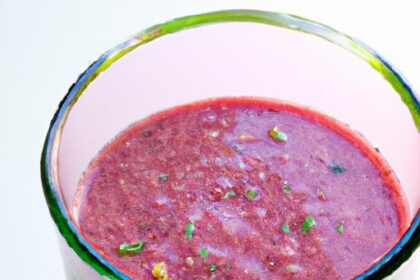
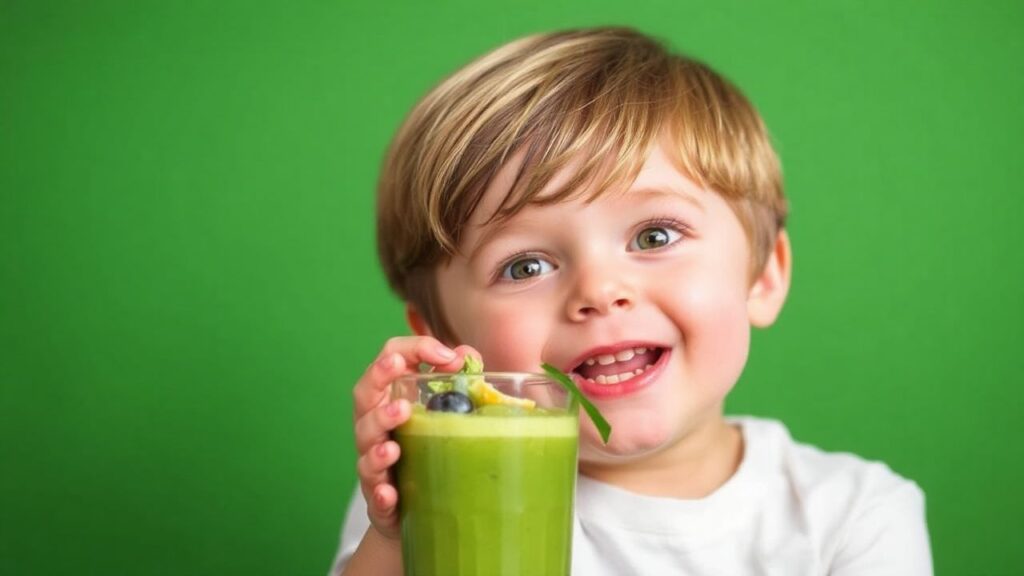
Smoothies offer a fantastic opportunity to pack in nutrient-rich green vegetables without their textures being too prominent. The sweetness of fruits like bananas, berries, and mangoes can effectively mask the taste of greens like spinach or kale.
Start with a ratio of mostly fruit to a small amount of greens. As your child becomes accustomed to the taste, you can gradually increase the proportion of greens. Adding a source of healthy fat, like avocado or a spoonful of nut butter, can also improve the smoothie’s texture and satiety, making it a more complete and satisfying drink. This is a great way to ensure they’re getting their vitamins and minerals even on days when solid food battles ensue.
Beyond the Plate: Educational Approaches to Green Foods
Making learning about food fun can also help children overcome their fears. Incorporate educational elements into your discussions about healthy eating and the benefits of green foods. This can turn a potentially daunting topic into an engaging learning experience.
Read books about healthy eating and vegetables. Watch age-appropriate documentaries or shows that highlight the importance of nutrition. You can even create a simple science experiment, like observing how plants grow, to connect them with the source of their food. The more children understand *why* certain foods are good for them, the more likely they are to be curious and open to trying them.
When to Seek Professional Guidance
While most cases of picky eating and fear of green foods can be managed at home with creative strategies and patience, there are instances where professional help might be beneficial. If your child’s eating habits are severely restricted, impacting their growth and development, or causing significant distress for the family, it’s wise to consult a professional.
A registered dietitian or a pediatrician specializing in pediatric nutrition can assess your child’s specific needs and provide tailored guidance. They can help rule out any underlying medical conditions that might be contributing to the picky eating and offer evidence-based strategies to broaden your child’s diet. Sometimes, a professional can offer a fresh perspective and support that makes all the difference.
Explore More Creative Ways to Encourage Healthy Eating
Check out our article on Engaging Healthy Snack Ideas for Kids to continue making nutritious foods fun and accessible. For trusted guidance on child nutrition and picky eating, visit the USDA’s MyPlate website.
Q&A
Q1: Why do some children develop a fear of green foods?
Green foods often come with strong flavors, unfamiliar textures, or can look visually intimidating to little ones. Sometimes, kids associate the color green with bitterness or “healthiness” that doesn’t match their taste expectations. It’s also a natural part of childhood development to be wary of new or different foods.
Q2: How can parents turn green food fear into a fun adventure?
Creativity is key! Transform green veggies into playful shapes or “magic potions.” Let your child be a “food scientist” mixing smoothies or creating colorful salads. Storytelling can help too-imagine green veggies as superhero fuel or ingredients for a wizard’s spell. This shifts the focus from “scary food” to “fun activity.”
Q3: Are there specific foods or recipes that can ease the transition?
Absolutely! Start with mild, naturally sweet greens like baby spinach or sugar snap peas. Blend greens into fruit smoothies, making the green less obvious but still nutritious. Incorporate fun dips, like hummus or yogurt-based dressings, to make green bites more appealing. You can find great inspiration for nutritious vegetable preparations online.
Q4: How important is involving the child in meal preparation?
It’s hugely important! When children participate in choosing, washing, or cooking greens, they feel ownership and curiosity rather than fear. Gardening together-even growing a simple herb or lettuce-can build excitement around green foods and make them less intimidating. Understanding plant growth is a fascinating aspect of botany.
Q5: What should parents avoid when helping their child with green food fear?
Avoid pressuring, bribing, or forcing children to eat greens, as this can backfire and reinforce fear. Steer clear of negative language like “You HAVE to eat this.” Instead, celebrate small victories and approach green foods with patience and humor. Remember that healthy eating is a journey, much like human development itself.
Q6: How can parents celebrate progress in overcoming green food fear?
Use positive reinforcement like praise, stickers, or a fun chart to track green food tries and wins. Celebrate creative food adventures by sharing photos or stories with family. Remember, every little taste is a step forward in a green food journey! Embracing new foods is a vital part of a healthy lifestyle.
Closing Remarks
By blending imagination, involvement, and gentle encouragement, parents can help their children gradually embrace green foods with joy rather than fear. The secret ingredient? Creativity sprinkled with patience!
In the colorful journey of childhood, fears-especially those sparked by the vibrant shades of green on their plates-can feel like towering giants. But with a dash of creativity and a sprinkle of patience, you can transform those fears into playful adventures. By turning broccoli trees into enchanted forests, spinach into super-hero fuel, and peas into tiny green treasures, you empower your child to see green foods not as foes, but as friends. Remember, the goal isn’t just to fill their bellies but to nurture their imaginations and build a lifelong love for wholesome eating. So take a deep breath, embrace the mess, and watch as your child’s fear of green foods blossoms into curiosity and joy-one fantastical bite at a time.
See also: green foods