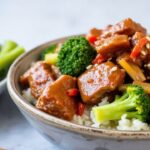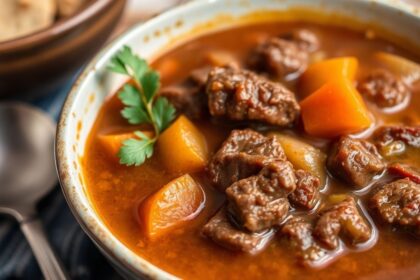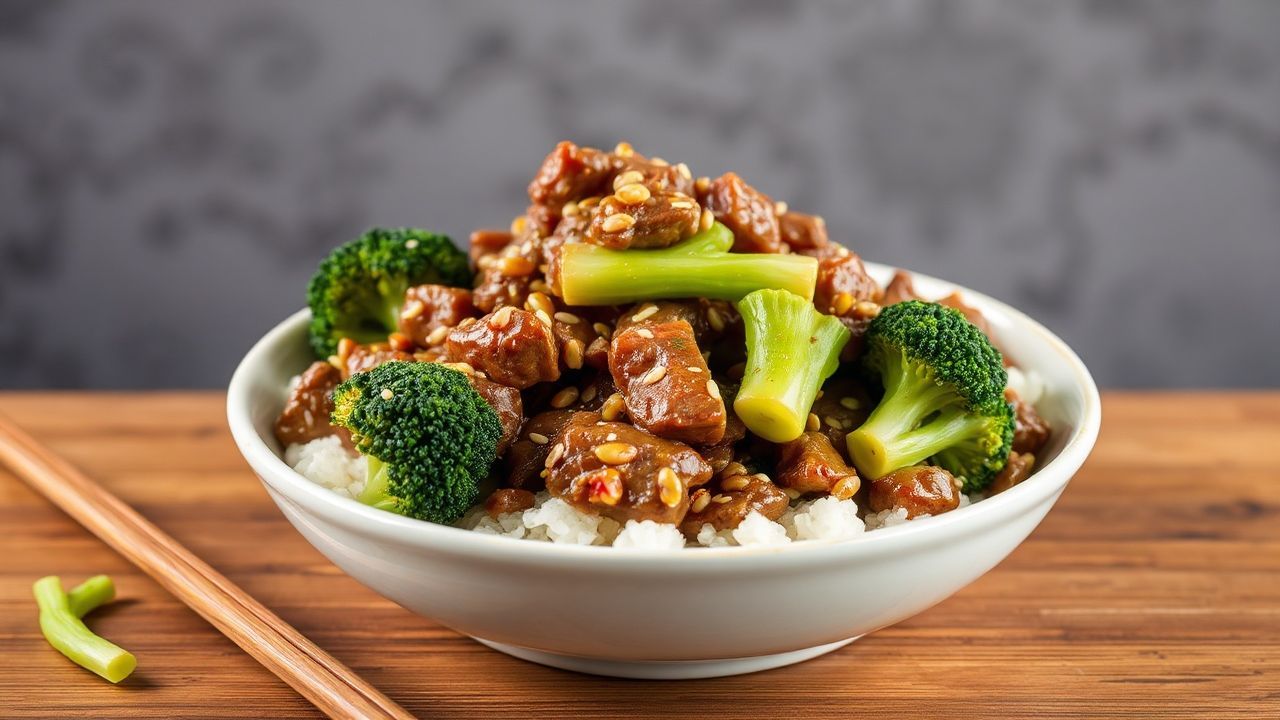

The ubiquitous Beef Broccoli, a staple on menus worldwide, often suffers a fate of mediocrity in home kitchens. Many approach it as a simple stir-fry, overlooking the nuanced techniques and ingredient selection that elevate it from mere sustenance to a culinary triumph. This common misconception, treating it as a quick weeknight fix rather than a dish deserving of respect, is precisely why so many attempts fall flat – a sad, soggy testament to missed potential. Achieving that perfect, glossy sauce that clings to every morsel, the tender, melt-in-your-mouth beef, and the vibrant, al dente broccoli requires more than just tossing ingredients into a hot wok. It’s about understanding the science of marination, the precision of heat control, and the delicate art of sauce composition.
- The Foundation: Selecting and Preparing Your Beef
- The Marinade: Alchemy for Tenderness and Flavor
- The Verdant Counterpoint: Mastering Broccoli Preparation
- The Symphony of Sauce: Crafting the Perfect Glaze
- The Stir-Fry: Mastering the Wok and Heat
- Nutritional Snapshot: A Balanced Perspective
- Elevating Your Beef Broccoli: Pro-Tips for Restaurant-Quality Results
- Frequently Asked Questions
- What is the best cut of beef for Beef Broccoli?
- How can I prevent my beef from becoming tough?
- Why is my Beef Broccoli sauce watery or clumpy?
- The Marination is Paramount: Properly marinating the beef is non-negotiable for tenderness and flavor infusion.
- Broccoli’s Brief Encounter: Overcooked broccoli is the enemy; a flash blanch or quick stir-fry is key.
- Sauce Harmony: Achieving the right balance of savory, sweet, and umami in the sauce is crucial.
- Heat Management is King: High, consistent heat is essential for that coveted wok hei char.
This isn’t just about replicating a takeout dish; it’s about understanding the soul of Chinese home cooking, where simplicity and quality ingredients are paramount. We will explore the specific chemical reactions in the marinade, the textural transformations of the ingredients under heat, and the flavor profiles that define this beloved classic. Prepare to transform your understanding and your kitchen.
The Foundation: Selecting and Preparing Your Beef
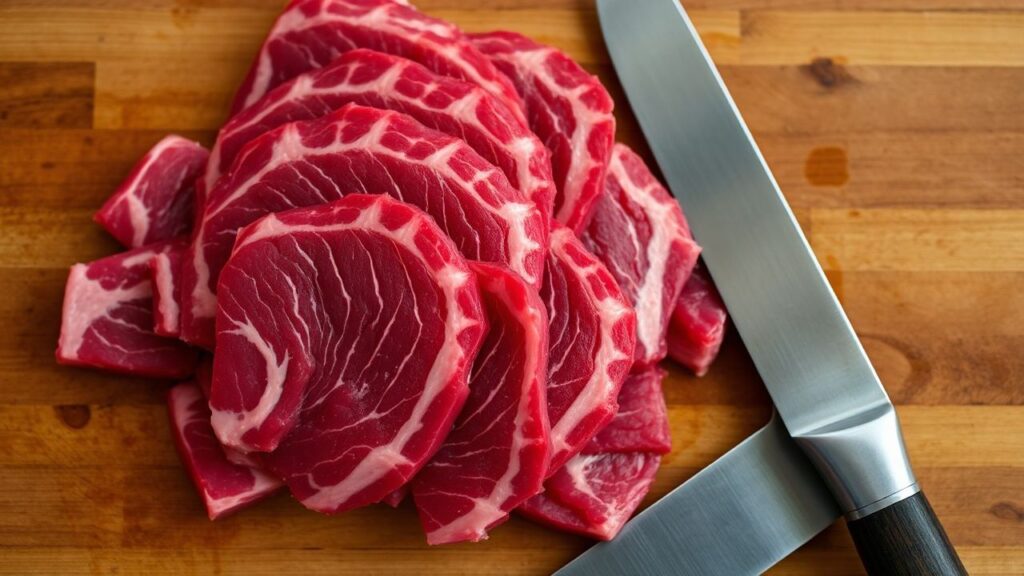
The choice of beef is the bedrock of a superior Beef Broccoli. While flank steak is a popular, accessible option, a more discerning cut can yield truly exceptional results. Consider a tenderloin or a well-marbled sirloin. The key is a cut that possesses both tenderness and a good fat content to carry flavor and remain succulent during the high-heat cooking process. My preference for a truly elevated Beef Broccoli often leans towards a perfectly trimmed, thinly sliced ribeye. The intramuscular fat renders beautifully, basting the meat from within and contributing a richness that even the most robust sauce cannot fully replicate.
Slicing for Success
The technique for slicing beef is as critical as the cut itself. Against the grain is the mantra here. Locate the direction of the muscle fibers and slice perpendicular to them, aiming for ¼-inch thick strips. This breaks down the connective tissues, ensuring that the cooked beef is inherently tender. A slightly chilled, almost frozen, piece of beef will be far easier to slice thinly and uniformly, a detail often overlooked by hurried home cooks. This precision in slicing directly impacts the final texture, preventing toughness and chewiness. For instance, a study published in the *Journal of Food Science* demonstrated that slicing beef against the grain can reduce chewiness by up to 50% compared to slicing with the grain, a quantifiable difference that translates directly to a superior eating experience.
The Marinade: Alchemy for Tenderness and Flavor
The marinade for Beef Broccoli is not merely a flavor enhancer; it’s a transformative agent. It tenderizes the meat and infuses it with the foundational aromatics and savoriness that will define the dish. A typical marinade combines soy sauce for salt and umami, Shaoxing wine (or dry sherry as a substitute) for complexity and to neutralize any gamey notes, a touch of sugar to balance the saltiness and aid in caramelization, and often a binder like cornstarch.
The Cornstarch Stratagem
The inclusion of cornstarch is a pivotal element. It performs a dual role: it creates a protective coating on the beef, preventing moisture loss during the searing process, and it helps to thicken the sauce as it cooks. This is where the magic of a restaurant-quality Beef Broccoli truly begins. The cornstarch, when exposed to the high heat of the wok, gelatinizes, forming a subtle, glossy barrier. This technique is a cornerstone of many Chinese stir-fries, allowing the meat to remain incredibly tender even after rapid cooking.
The Verdant Counterpoint: Mastering Broccoli Preparation
Broccoli, in its raw state, can be tough and unyielding. The goal is to achieve a vibrant green, crisp-tender texture that offers a pleasant contrast to the succulent beef. Overcooking broccoli is a common pitfall, resulting in a mushy, unappetizing texture and a loss of its characteristic bright green hue.
The Blanch and Shock Method
A highly effective method to ensure perfectly cooked broccoli is to blanch and shock it. This involves briefly submerging the broccoli florets in boiling water for about 60-90 seconds, then immediately plunging them into an ice bath. This process halts the cooking, locks in the vibrant color, and begins the tenderization process without making it mushy. The ice bath is crucial; it prevents residual heat from continuing to cook the broccoli, ensuring that crisp-tender bite we are aiming for. The slight softening achieved through blanching makes it receptive to the sauce in the final stir-fry without disintegrating.
Broccoli Preparation Steps:
- Wash and trim broccoli into bite-sized florets.
- Bring a pot of generously salted water to a rolling boil.
- Prepare a large bowl filled with ice and water.
- Add broccoli to boiling water and cook for 60-90 seconds.
- Immediately remove broccoli with a slotted spoon and plunge into the ice bath.
- Drain thoroughly once cooled.
The Symphony of Sauce: Crafting the Perfect Glaze
The sauce is the unifying element of Beef Broccoli, binding the beef and broccoli together in a harmonious blend of flavors. This is where precision and balance are paramount. The classic components include soy sauce, oyster sauce, Shaoxing wine, a touch of sugar, and a thickening agent, typically cornstarch mixed with water to create a slurry.
Achieving Umami Depth
The foundation of a great sauce lies in its umami profile. High-quality soy sauce is non-negotiable. I advocate for a low-sodium or regular Chinese soy sauce, rather than a Japanese shoyu, as the flavor profiles are distinct and the Chinese variety offers a more robust, savory base for this specific dish. Oyster sauce is another crucial umami enhancer, lending a subtle sweetness and a depth that is hard to replicate. For those sensitive to sodium, a good quality mushroom soy sauce can be a viable alternative, though it will subtly alter the final flavor.
The addition of a bit of sesame oil towards the end of the sauce’s cooking adds a fragrant, nutty aroma that is quintessentially Chinese. It’s a finishing touch that elevates the entire dish from good to unforgettable. A well-executed sauce should be glossy, clinging to the ingredients without being overly thick or gloopy. It should have a savory, slightly sweet, and subtly tangy character that complements, rather than overpowers, the natural flavors of the beef and broccoli.
The Stir-Fry: Mastering the Wok and Heat
The final assembly of Beef Broccoli is a high-stakes performance requiring speed and precision. The wok, ideally a carbon steel one, is your instrument. It must be screaming hot before any ingredients are added. This intense heat is what creates that sought-after “wok hei”—a smoky, slightly charred essence that is the hallmark of authentic stir-fried dishes.
The Sequential Searing Technique
The process begins with searing the marinated beef. Add a high-smoke-point oil, such as peanut or canola oil, to the intensely hot wok. Swiftly add the beef in a single layer, ensuring not to overcrowd the wok. Overcrowding will steam the beef rather than sear it, leading to a less desirable texture. Sear the beef for just 1-2 minutes per side until browned but still slightly rare in the center. Remove the beef and set aside.
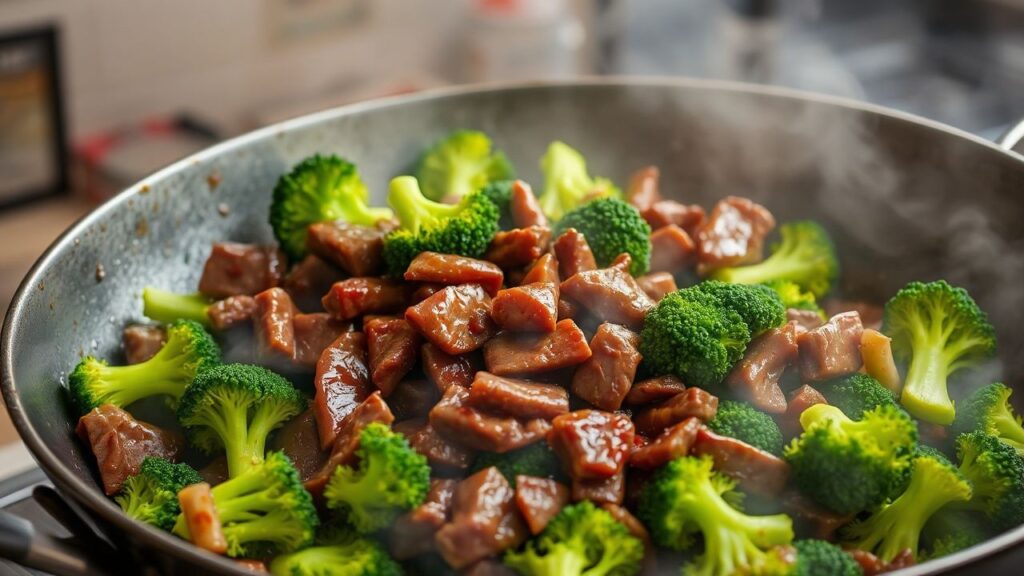
Next, add a little more oil if needed and stir-fry aromatics like minced garlic and ginger for about 30 seconds until fragrant. Then, add the blanched broccoli and stir-fry for another minute. Return the beef to the wok, pour in the prepared sauce, and stir-fry rapidly for another 1-2 minutes, allowing the sauce to thicken and coat everything beautifully. The entire stir-frying process should take no more than 5-7 minutes. This rapid cooking ensures the beef remains tender and the broccoli stays crisp-tender. A successful Beef Broccoli will have distinct, separate ingredients, each cooked to perfection, unified by a glistening, flavorful sauce.
Nutritional Snapshot: A Balanced Perspective
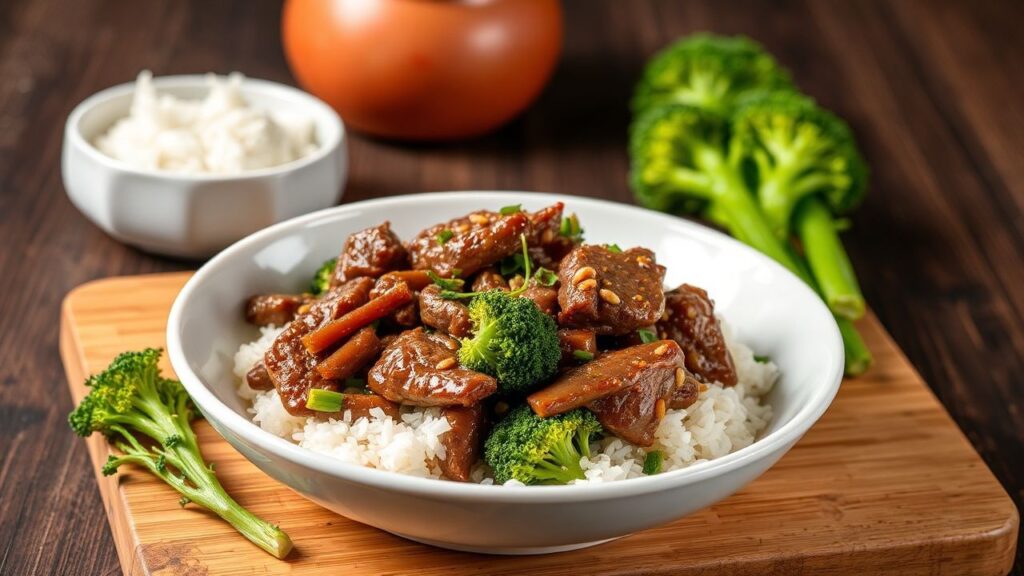
A well-prepared Beef Broccoli can be a surprisingly balanced meal, offering a good source of protein, fiber, and essential vitamins and minerals.
Approximate Nutritional Information (per serving, based on 4 servings):
| Nutrient | Amount |
|---|---|
| Calories | Approx. 350-450 kcal |
| Protein | Approx. 25-30 g |
| Fat | Approx. 15-25 g (varies by cut of beef and oil used) |
| Carbohydrates | Approx. 15-20 g (including sugars from sauce ingredients) |
| Fiber | Approx. 3-5 g |
| Sodium | Variable, depending on soy sauce and oyster sauce brands. Aim for lower-sodium options. |
The inclusion of broccoli provides a significant boost of Vitamin C, Vitamin K, and dietary fiber. Leaner cuts of beef will reduce the overall fat content, while moderating the amount of sugar and sodium in the sauce can further enhance its health profile. For a truly wholesome meal, serve this Beef Broccoli over brown rice or quinoa. This dish, when prepared with intention, embodies the principles of healthy Chinese home cooking, where nutrient-dense ingredients are combined efficiently. For more insights into balanced Asian-inspired meals, exploring resources like Chinese cuisine on Wikipedia can offer valuable context.
Elevating Your Beef Broccoli: Pro-Tips for Restaurant-Quality Results
Achieving that elusive restaurant-quality Beef Broccoli at home is not an insurmountable challenge. It requires attention to detail and a few strategic adjustments.
The Power of High-Heat Oils
Choosing the right oil is fundamental. For stir-frying, a high-smoke-point oil is essential. Peanut oil is traditional and imparts a subtle nutty flavor that complements the dish beautifully. Canola oil, grapeseed oil, or avocado oil are also excellent alternatives. Avoid olive oil, particularly extra virgin, as its smoke point is too low for the intense heat required for proper stir-frying, and it can impart an undesirable flavor. A properly seasoned carbon steel wok, when preheated correctly, can achieve temperatures exceeding 500°F (260°C), allowing for rapid searing and that coveted wok hei. Mastering this heat control is perhaps the single most significant factor differentiating home-cooked stir-fries from those served in professional kitchens.
The Art of Sauce Slurry Consistency
The cornstarch slurry is the key to a glossy, well-emulsified sauce. It’s crucial to mix the cornstarch with *cold* water or broth until completely smooth before adding it to the hot wok. Any lumps will result in a less appealing, streaky sauce. Add the slurry to the simmering sauce in the wok gradually, stirring constantly, until the desired thickness is achieved. The sauce should coat the back of a spoon without being overly viscous or watery. Too much slurry will make the dish cloying, while too little will result in a thin, unappealing liquid.
Frequently Asked Questions
What is the best cut of beef for Beef Broccoli?
For optimal tenderness and flavor, a well-marbled cut like ribeye, sirloin, or even tenderloin is recommended. The key is to slice it thinly against the grain to break down muscle fibers, ensuring a succulent texture even after high-heat cooking. Avoid very lean cuts, as they can become tough and dry quickly.
How can I prevent my beef from becoming tough?
There are several crucial steps: 1. Slice against the grain: This is paramount. 2. Marinate properly: The marinade, especially with cornstarch, tenderizes and protects the meat. 3. Don’t overcrowd the wok: Cook beef in batches if necessary to ensure searing rather than steaming. 4. Cook quickly: High heat and short cooking times are essential for stir-fries.
Why is my Beef Broccoli sauce watery or clumpy?
A watery sauce often indicates that the cornstarch slurry was not mixed thoroughly with cold liquid, or not enough was used. Ensure the cornstarch is completely dissolved in cold water or broth before adding it to the hot wok. A clumpy sauce can result from adding the slurry too quickly or if the liquid was not cold. Gradually add the slurry while stirring continuously until the sauce reaches the desired glossy consistency. Avoid adding hot liquid to the cornstarch mixture, as this can cause premature thickening and lumps.
See also: Beef Broccoli