
The Siren Call of Honey Garlic: A Culinary Love Affair
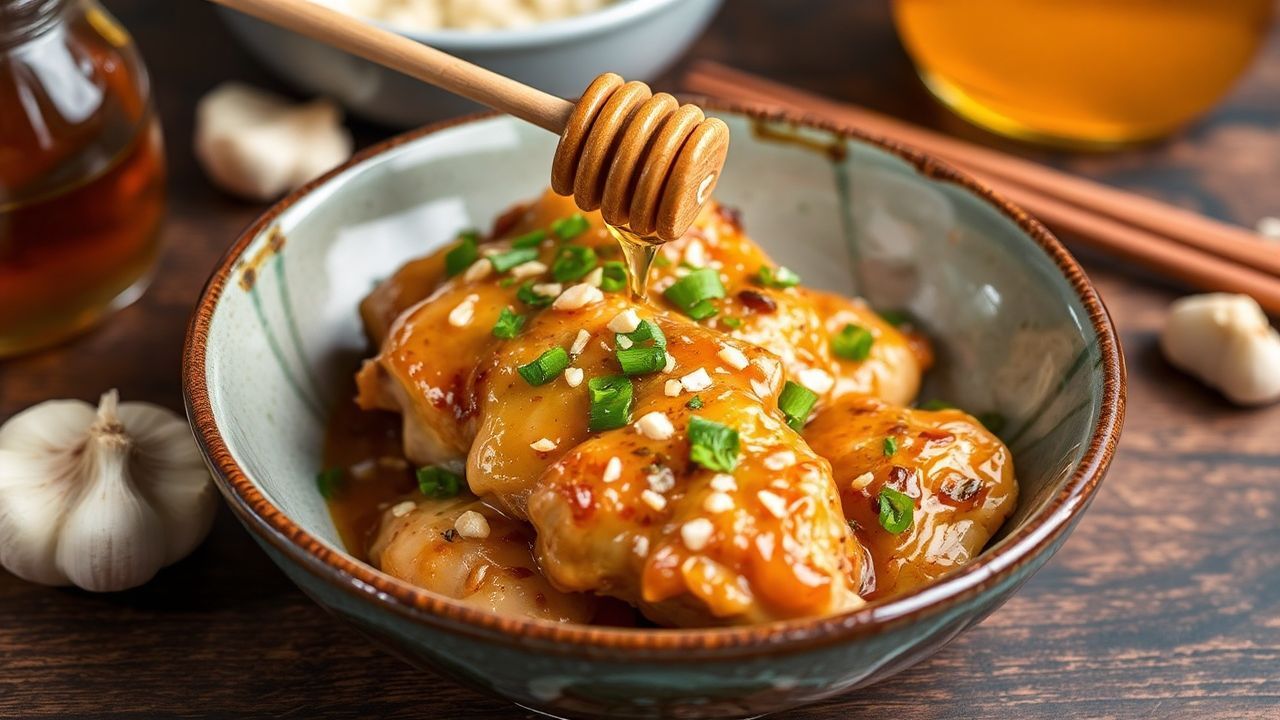
It’s a curious phenomenon: how a simple combination of two humble ingredients – honey and garlic – can elevate humble chicken thighs to a dish of such universal appeal. Globally, the flavor profile of sweet and savory, infused with the pungent warmth of garlic, resonates deeply. In many Asian cuisines, this pairing is a cornerstone, appearing in everything from stir-fries to marinades. “Honey Garlic Chicken” consistently ranks among the top 10 most searched chicken recipes annually, demonstrating its enduring popularity. This isn’t just a recipe; it’s a culinary touchstone, a comforting and consistently delicious anchor for busy weeknights or relaxed weekend meals. The beauty lies in its inherent simplicity, yet the depth of flavor it offers is anything but. This dish embodies the very essence of accessible gourmet cooking, proving that profound taste doesn’t necessitate complex techniques or exotic ingredients. It’s proof of the power of well-balanced flavors and the inherent appeal of tender, succulent chicken.
- The Siren Call of Honey Garlic: A Culinary Love Affair
- Key Takeaways: Mastering Honey Garlic Chicken Thighs
- The Allure of the Thigh: Why This Cut Reigns Supreme
- The Foundation: Essential Ingredients for Honey Garlic Mastery
- The Alchemical Process: Crafting the Perfect Honey Garlic Chicken Thighs
- Step 1: Preparation is Paramount
- Step 2: The Searing Ritual
- Step 3: Glazing and Braising
- Step 4: The Oven’s Embrace
- Step 5: The Finishing Touch
- Nutritional Snapshot: A Balanced Indulgence
- Elevating the Everyday: Expert Tips for Restaurant-Quality Results
- The Honey Garlic Canvas: Variations and Pairings
- Frequently Asked Questions About Honey Garlic Chicken Thighs
Key Takeaways: Mastering Honey Garlic Chicken Thighs
- The perfect balance: Achieving the ideal sweet-to-savory ratio in the glaze is paramount for irresistible flavor.
- Thighs are key: Bone-in, skin-on chicken thighs offer superior moisture and flavor due to their higher fat content.
- Pantry staples: This recipe relies on common ingredients, making it accessible and repeatable.
- Versatility is king: Honey Garlic chicken thighs serve as a foundation for numerous meal variations.
The Allure of the Thigh: Why This Cut Reigns Supreme
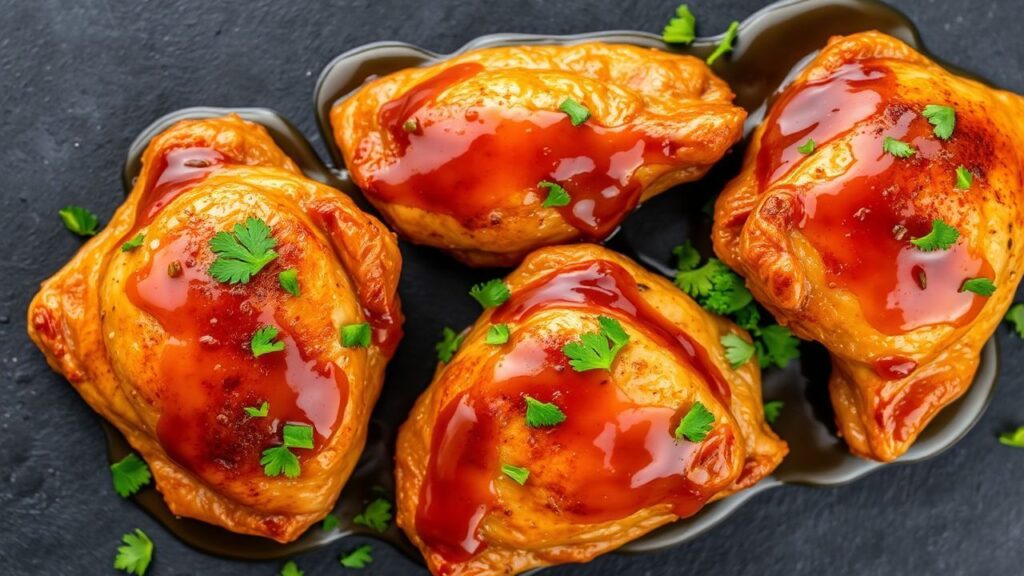
While chicken breasts are often lauded for their lean protein, it is the humble chicken thigh that truly shines in recipes demanding succulence and inherent flavor. The higher fat content, particularly around the skin and bone, renders during cooking, basting the meat from within and preventing the dreaded dryness that can plague leaner cuts. This natural marbling contributes to a richer, more satisfying mouthfeel. Furthermore, chicken thighs are far more forgiving. Their inherent moisture means they can withstand slightly longer cooking times without becoming tough, a significant advantage for home cooks navigating busy schedules. The bone acts as a natural insulator, promoting even cooking, and the skin, when rendered properly, provides a delightful crispiness that contrasts beautifully with the tender meat and glossy glaze. For this particular Honey Garlic preparation, the thigh’s ability to absorb and caramelize the sweet and savory glaze is unparalleled. It’s a synergy of cut and flavor that’s hard to beat.
The Foundation: Essential Ingredients for Honey Garlic Mastery
The genius of this dish lies in its reliance on pantry staples, transforming everyday items into something extraordinary. The core of the flavor comes from the interplay of sweetness and pungency.
For the Chicken:
- Chicken Thighs: 8 bone-in, skin-on chicken thighs (approximately 1.2 – 1.5 kg or 2.5 – 3.3 lbs). Opting for bone-in, skin-on ensures maximum flavor and moisture retention.
- Salt: 1 teaspoon kosher salt, or to taste. Essential for drawing out moisture and enhancing natural flavors.
- Black Pepper: ½ teaspoon freshly ground black pepper, or to taste. Adds a subtle warmth and complexity.
For the Honey Garlic Glaze:
- Honey: ½ cup (120 ml) of good quality honey. The type of honey can subtly influence the final flavor; a wildflower or clover honey offers a neutral sweetness, while a darker honey like buckwheat can add a more robust, molasses-like note.
- Soy Sauce: ¼ cup (60 ml) low-sodium soy sauce. Provides the savory umami backbone. Low-sodium is preferred to control the saltiness of the final glaze.
- Garlic: 4-6 cloves, minced. The more garlic, the more pronounced its pungent, aromatic character. Freshly minced is non-negotiable for optimal flavor.
- Ginger: 1 tablespoon freshly grated ginger. Adds a bright, zesty counterpoint to the sweetness and pungency of garlic.
- Rice Vinegar: 1 tablespoon. A splash of acidity cuts through the richness and sweetness, balancing the glaze.
- Sesame Oil: 1 teaspoon toasted sesame oil. Adds a distinctive nutty aroma and depth of flavor, best added towards the end of cooking to preserve its delicate notes.
- Cornstarch (Optional, for thickening): 1 tablespoon mixed with 2 tablespoons cold water to form a slurry. Used if a thicker, more viscous glaze is desired.
For Cooking:
- Olive Oil or Neutral Oil: 1-2 tablespoons, for searing.
The Alchemical Process: Crafting the Perfect Honey Garlic Chicken Thighs
Transforming these simple ingredients into a culinary masterpiece is a process that rewards attention to detail and a respect for the ingredients. It’s about building layers of flavor and ensuring each component contributes to the final symphony.
Step 1: Preparation is Paramount
Begin by patting the chicken thighs thoroughly dry with paper towels. This step is crucial for achieving a crispy skin during searing. Season generously on all sides with salt and freshly ground black pepper. In a small bowl, whisk together the honey, soy sauce, minced garlic, grated ginger, and rice vinegar for the glaze. If you prefer a thicker glaze, set aside the cornstarch slurry for later.
Step 2: The Searing Ritual
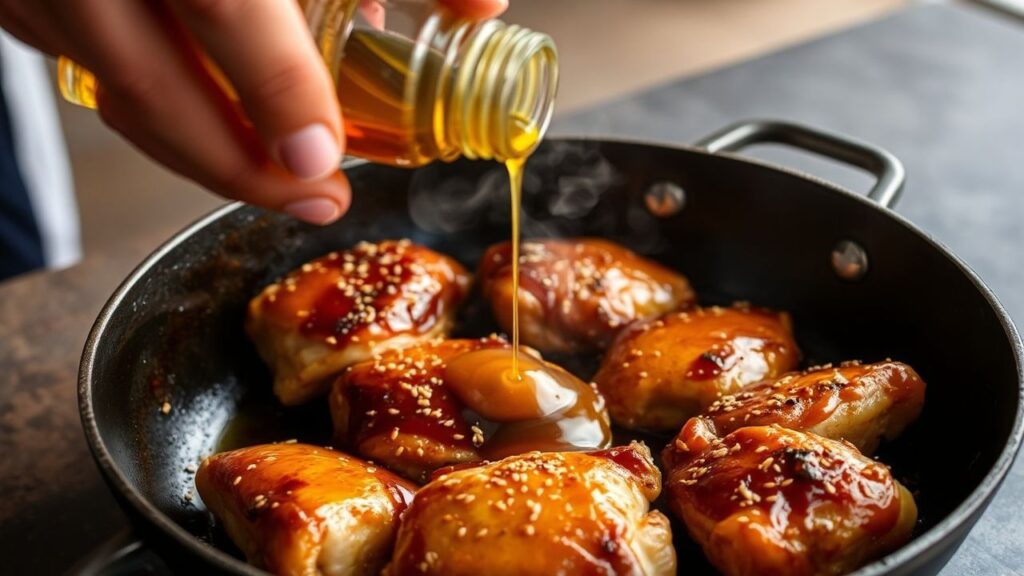
Heat 1-2 tablespoons of olive oil in a large, oven-safe skillet (cast iron is ideal) over medium-high heat. Once the oil is shimmering but not smoking, carefully place the chicken thighs, skin-side down, into the hot skillet. Avoid overcrowding the pan; cook in batches if necessary. Sear for 5-7 minutes, or until the skin is deeply golden brown and crisp. This initial sear renders the fat and begins the caramelization process, contributing immensely to the final texture and flavor. Flip the thighs and sear the other side for another 2-3 minutes.
Step 3: Glazing and Braising
Once both sides of the chicken have been seared, pour the prepared honey garlic sauce over the chicken in the skillet. Bring the sauce to a gentle simmer. If using cornstarch, whisk the slurry into the simmering sauce until it thickens to your desired consistency. The sauce should coat the back of a spoon. If you opted not to thicken with cornstarch, the sauce will naturally reduce and thicken as it cooks.
Step 4: The Oven’s Embrace
Transfer the skillet to a preheated oven at 200°C (400°F). Bake for 20-25 minutes, or until the chicken is cooked through and the internal temperature reaches 74°C (165°F). During the last 5 minutes of baking, you can optionally baste the chicken with the pan sauce to further enhance the glaze. This oven phase allows the flavors to meld beautifully and ensures the chicken is cooked to tender perfection.
Step 5: The Finishing Touch
Remove the skillet from the oven. Drizzle the toasted sesame oil over the chicken and sauce. Let the chicken rest in the pan for 5-10 minutes before serving. This allows the juices to redistribute, resulting in more succulent meat. Garnish with freshly chopped parsley or green onions for a burst of color and freshness.
Nutritional Snapshot: A Balanced Indulgence
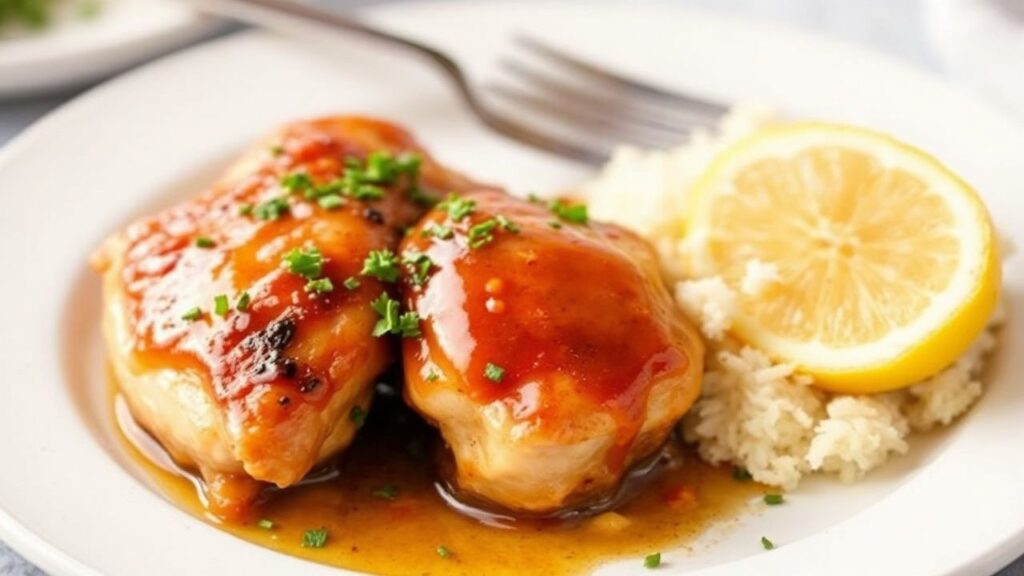
Understanding the nutritional profile of your culinary creations is an integral part of mindful eating. The following is an approximate nutritional breakdown per serving, assuming 4 servings from the recipe.
| Nutrient | Amount (per serving, approximate) |
|---|---|
| Calories | ~ 450-550 kcal |
| Protein | ~ 30-35 g |
| Fat | ~ 25-35 g (varies with skin rendering) |
| Saturated Fat | ~ 7-10 g |
| Carbohydrates | ~ 20-25 g |
| Sugars | ~ 18-22 g (primarily from honey) |
| Sodium | ~ 400-600 mg (varies with soy sauce) |
These are estimations. The exact figures can fluctuate based on specific ingredient brands, fat rendered from chicken skin, and whether a cornstarch slurry is used. For a leaner version, consider removing the skin before cooking, though this will impact the final crispiness and flavor profile. The use of low-sodium soy sauce helps manage sodium intake, and the natural sugars in honey contribute to the carbohydrate count.
Elevating the Everyday: Expert Tips for Restaurant-Quality Results
To truly transcend the realm of simple home cooking and achieve a dish that rivals professional establishments, a few nuanced techniques can make all the difference. These are the subtle adjustments that chefs employ to coax out maximum flavor and texture.
[TIP]Expert Insight: The Caramelization Threshold
The key to a truly exceptional Honey Garlic glaze lies in understanding the Maillard reaction and caramelization. When searing the chicken, aim for a deep, mahogany brown on the skin. This isn’t just about aesthetics; it’s where a significant depth of flavor is developed. For the glaze itself, allow it to bubble and reduce slightly in the pan. If you are using cornstarch, be vigilant. Overcooking the cornstarch can lead to a gummy texture. A gentle simmer, allowing the sugars to concentrate and the flavors to meld, is ideal. Consider a quick broil in the final minutes of baking (watch very carefully!) to further intensify the glaze’s caramelization, but be mindful of burning the sugars.
[WARNING]Pro-Caution: The Perils of Over-Sweetness
Honey is a potent sweetener, and its sweetness can intensify as it reduces. If your glaze tastes overwhelmingly sweet, a judicious splash of extra rice vinegar or even a squeeze of fresh lemon juice right before serving can provide a much-needed acidic counterpoint. Similarly, if the garlic flavor feels too aggressive, a longer simmering time will mellow its raw pungency. Always taste and adjust your glaze before it goes into the oven. Remember, it’s easier to add more ingredients than to take them away.
Another technique to consider is marinating. While this recipe focuses on a glaze applied during cooking, a brief marinade can infuse the chicken with flavor even deeper. A simple mixture of soy sauce, a touch of honey, minced garlic, and ginger left to sit for 30 minutes to an hour can imbue the chicken with an internal savoriness that complements the glossy exterior. This is a technique often employed by culinary institutions like culinary arts schools to ensure robust flavor throughout the protein.
For an added textural dimension, consider incorporating a crisp element. Toasted sesame seeds, sprinkled generously just before serving, add a delightful crunch and a nutty aroma. Alternatively, finely chopped green onions or fresh cilantro provide a refreshing contrast. These garnishes aren’t merely decorative; they contribute to the overall sensory experience of the dish, elevating it from merely tasty to truly memorable. This attention to textural contrast is a hallmark of sophisticated cooking and is often seen in dishes served at establishments like those found on DinnerCook.com, where every element is considered.
The Honey Garlic Canvas: Variations and Pairings
The beauty of Honey Garlic chicken thighs extends beyond their inherent deliciousness; they are a remarkably versatile canvas for culinary creativity. Their robust, crowd-pleasing flavor profile makes them an excellent foundation for a multitude of dishes and a perfect partner for a wide array of accompaniments.
Serving Suggestions:
The most classic pairing is undoubtedly with steamed white or brown rice. The fluffy grains are ideal for soaking up any residual glaze. For a more vibrant meal, consider serving alongside a medley of stir-fried vegetables such as broccoli, bell peppers, snap peas, and carrots. The slight crunch of the vegetables provides a welcome textural contrast to the tender chicken. A simple side salad with a light vinaigrette can also offer a refreshing counterpoint to the richness of the chicken and glaze, a pairing often celebrated on sites like WhimRecipes.com.
Creative Adaptations:
- Honey Garlic Chicken Stir-Fry: Cube the cooked chicken and toss it with your favorite stir-fried vegetables and a little extra glaze. Serve over noodles or rice for a complete meal.
- Honey Garlic Chicken Bowls: Layer rice, a protein of choice (the chicken, of course), and your favorite toppings like avocado, edamame, pickled ginger, and a drizzle of sriracha for a customizable and visually appealing meal. Explore more bowl ideas on recipesfoodie.com.
- Honey Garlic Chicken Tacos or Wraps: Shred or chop the chicken and serve in warm tortillas or flatbreads with a slaw and a creamy sauce.
- Sheet Pan Honey Garlic Chicken and Veggies: Toss chicken thighs and your chosen vegetables (like Brussels sprouts, sweet potatoes, or asparagus) with the glaze and roast together on a single sheet pan for an effortless, flavorful meal. Many home cooks find inspiration for this on spaceofcooking.com.
The adaptability of Honey Garlic chicken thighs is a significant reason for their enduring popularity. Whether you’re seeking a quick weeknight dinner or a more elaborate meal, this recipe provides a reliable and exceptionally satisfying starting point. The flavor profile is universally appealing, making it a dish that can be confidently served to family and friends alike, often featured on recipe hubs like RecipeRevelation.com.
Frequently Asked Questions About Honey Garlic Chicken Thighs
H3: Can I use chicken breasts instead of thighs?
While you *can* use chicken breasts, it’s not the ideal cut for this recipe if you’re seeking the same level of succulence and moisture. Chicken breasts are much leaner and are prone to drying out, especially when exposed to the heat required to caramelize the glaze. If you must use breasts, slice them into thicker pieces and cook them for a shorter duration, ensuring they don’t overcook. Alternatively, you could marinate them for a longer period to help retain moisture. However, for the signature tender, fall-off-the-bone texture that Honey Garlic chicken is known for, thighs are unequivocally superior. Sites like Hollarecipe.com often highlight the differences.
H3: How do I make the glaze thicker without cornstarch?
To achieve a thicker glaze without using cornstarch, the primary method is to simply allow the sauce to simmer and reduce for a longer period. Remove the chicken from the pan once cooked and let the sauce continue to bubble gently over medium heat until it reaches your desired consistency. This process concentrates the sugars and intensifies the flavors. Be patient, and stir occasionally to prevent burning. You can also add a small amount of butter towards the end of the reduction; the fat emulsifies with the sauce, giving it a richer, slightly thicker texture. This is a technique often explored on VividCook.com.
H3: Can I make the honey garlic sauce ahead of time?
Yes, absolutely. The honey garlic sauce can be prepared several days in advance and stored in an airtight container in the refrigerator. This is a fantastic time-saving tip for busy weeknights. When you’re ready to cook, simply warm the sauce gently before adding it to the seared chicken. Some chefs even recommend making a larger batch and freezing portions for future use. This pre-prepared sauce can be a lifesaver, similar to the convenience offered by meal prep services featured on Forkglow.com.
See also: Honey Garlic