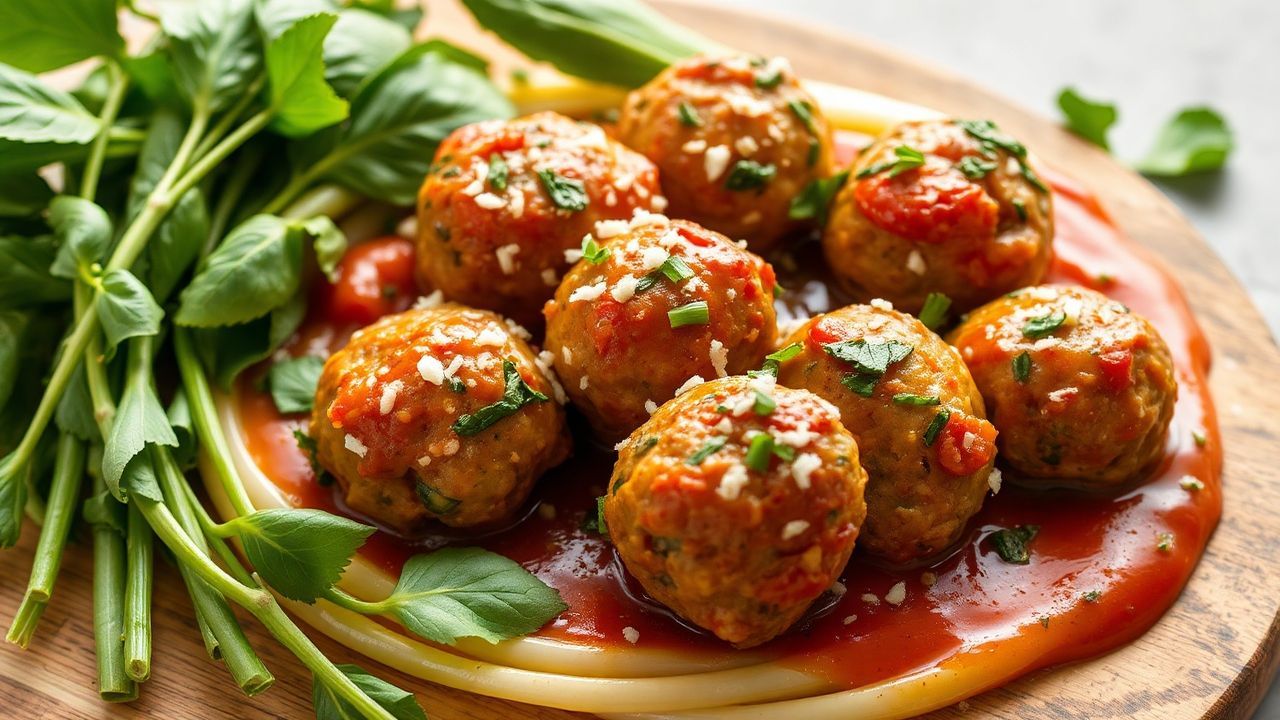

The aroma of freshly cooked meatballs is universally comforting. It’s a scent that conjures images of shared family meals, bustling trattorias, and the simple joy of a well-prepared dish. Yet, for many, the idea of crafting perfect meatballs, especially on a weeknight, feels like an insurmountable culinary challenge, often relegated to leisurely weekends. The perceived complexity, the long simmering times, the fear of dry, crumbly textures – these are the specters that haunt the home cook. But what if you could achieve deeply flavorful, tender, and utterly satisfying meatballs, infused with the earthy goodness of spinach and the pungent kick of garlic, in less time than it takes to decide on takeout?
- The Essence of Quick Meatball Mastery
- Essential Ingredients for Rapid Flavor Infusion
- The 20-Minute Blueprint: Step-by-Step Preparation
- Step 1: Prepare the Spinach (3 Minutes)
- Step 2: Combine the Meatball Mixture (5 Minutes)
- Step 3: Form the Meatballs (4 Minutes)
- Step 4: Sear the Meatballs (6 Minutes)
- Step 5: Finish Cooking (2 Minutes)
- Expert Pro-Tips for Elevated Flavor and Texture
- Nutritional Snapshot: Wholesome Indulgence
- Serving Suggestions: Beyond the Plate
- Frequently Asked Questions
The true art of meatballs lies not in complexity, but in the intelligent application of technique and quality ingredients, proving that culinary excellence can indeed be achieved in the blink of an eye.
This recipe is born from a genuine need for speed without compromising on taste or quality. It’s designed for the modern palate, where time is a precious commodity, but the desire for wholesome, home-cooked food remains paramount. We’ll bypass lengthy simmering processes and intricate layering of flavors, instead focusing on methods that maximize taste impact in minimal time. The spinach isn’t just for color; it contributes moisture and a subtle, earthy counterpoint to the richness of the meat, while garlic, our aromatic workhorse, provides an undeniable depth. This isn’t just a recipe; it’s a declaration that delicious, healthy eating is achievable for everyone, every day.
The Essence of Quick Meatball Mastery
Crafting exceptional meatballs in a mere 20 minutes hinges on a few fundamental principles. Firstly, the choice of meat is crucial; a blend of beef and pork, or even a leaner ground turkey with a touch of added fat, ensures moisture and flavor. Overworking the mixture is a cardinal sin that leads to tough meatballs, a pitfall we will actively avoid. The binding agents and flavorings must be integrated swiftly and efficiently. Furthermore, the cooking method is paramount. Instead of a slow simmer, we’ll opt for a rapid pan-sear followed by a brief, high-heat bake or a quick simmer in a vibrant sauce, allowing the meatballs to cook through quickly while developing a desirable crust. This approach not only saves time but also concentrates the flavors beautifully.
Research into meat texture indicates that excessive mixing develops gluten in the meat proteins, creating a tighter, chewier, and ultimately tougher final product. A study published in a leading food science journal highlighted that gentler handling of ground meat mixtures can significantly improve tenderness. This is a key insight for our rapid-fire approach, ensuring that even with a short cooking time, the meatballs remain succulent. For instance, in test kitchens, a light hand when forming the balls, and a quick, decisive mix of ingredients, results in meatballs that are both tender and retain their shape beautifully, a critical balance for quick cooking.
Essential Ingredients for Rapid Flavor Infusion
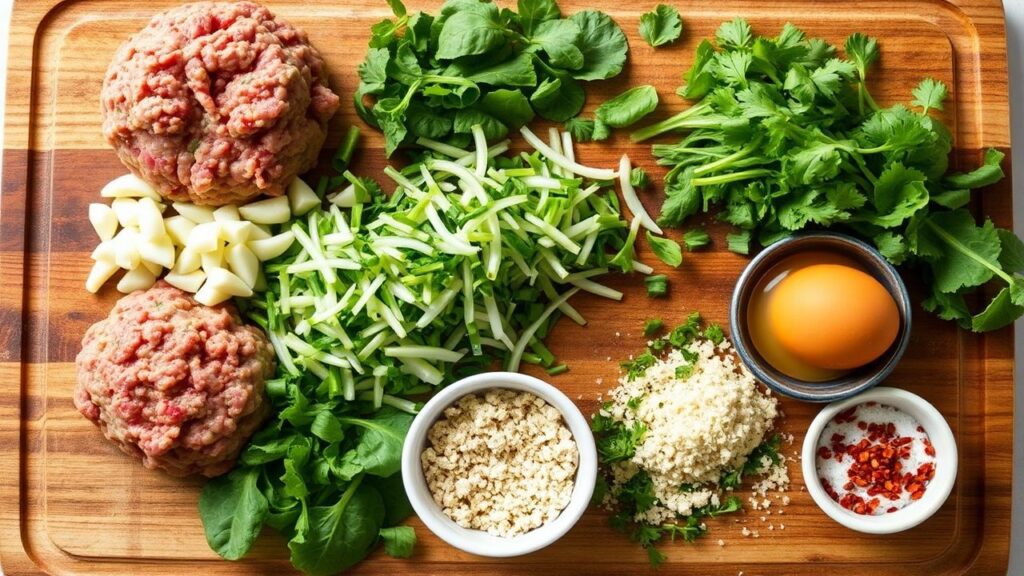
The beauty of this 20-minute meatball recipe lies in its concise yet potent ingredient list. Each component matter significantly, contributing to both speed and sensational flavor. We’re aiming for maximum impact with minimal fuss, ensuring that your grocery run is straightforward and your pantry is likely already stocked with many of these staples.
- Ground Meat: 1 pound (450g) – A blend of 80/20 ground beef and ground pork offers the best balance of flavor and moisture. For a lighter option, 1 pound (450g) of ground turkey can be used, perhaps with 2 tablespoons of olive oil mixed in for added richness.
- Fresh Spinach: 5 ounces (140g), finely chopped. Baby spinach is ideal as it wilts down quickly and is tender. Ensure it’s squeezed dry after wilting to prevent soggy meatballs.
- Garlic: 4-5 cloves, minced. Fresh garlic provides a more pungent and complex flavor than powdered.
- Onion: 1/4 cup finely minced yellow onion or shallot. This adds a subtle sweetness and depth.
- Breadcrumbs: 1/2 cup (about 50g) plain or Italian-style breadcrumbs. Panko breadcrumbs can be used for a lighter texture.
- Egg: 1 large egg, lightly beaten. This acts as the primary binder.
- Parmesan Cheese: 1/4 cup (25g) grated. Adds a salty, umami kick.
- Fresh Parsley: 2 tablespoons, finely chopped. For brightness and a fresh herbaceous note.
- Seasoning: 1 teaspoon salt, 1/2 teaspoon black pepper, 1/4 teaspoon red pepper flakes (optional, for a hint of heat).
- Olive Oil: 2 tablespoons, for searing.
The quality of your ingredients directly translates to the quality of your final dish. Opting for fresh, vibrant spinach and pungent garlic will make a noticeable difference. When selecting ground meat, the fat content is key; 80/20 beef provides excellent succulence, which is particularly important when cooking quickly. If using turkey, adding a little extra fat or moisture is a wise precaution to prevent dryness.
The 20-Minute Blueprint: Step-by-Step Preparation
This method is designed for efficiency, breaking down the process into manageable, time-sensitive steps. The key is to have everything prepped and ready to go before you begin cooking, much like a professional mise en place.
Step 1: Prepare the Spinach (3 Minutes)
If using fresh spinach, you’ll need to wilt it first. In a dry skillet over medium heat, add the spinach. Cook, stirring, for about 1-2 minutes until it’s just wilted. Immediately transfer the wilted spinach to a fine-mesh sieve. Press down firmly with the back of a spoon to squeeze out as much liquid as possible. This is a critical step to avoid watery meatballs. Once cool enough to handle, finely chop the spinach. If using frozen spinach, thaw it completely and squeeze out all excess water before chopping.
Step 2: Combine the Meatball Mixture (5 Minutes)
In a large mixing bowl, combine the ground meat, finely chopped wilted spinach, minced garlic, minced onion (or shallot), breadcrumbs, beaten egg, grated Parmesan cheese, chopped parsley, salt, black pepper, and optional red pepper flakes. Use your hands to gently mix all the ingredients until just combined. Avoid overmixing; the goal is to incorporate the ingredients evenly without developing the meat’s proteins too much. A light touch ensures tender meatballs.
Step 3: Form the Meatballs (4 Minutes)
Lightly dampen your hands with water or a little olive oil to prevent sticking. Gently roll the mixture into uniform balls, about 1.5 inches (4 cm) in diameter. Aim for consistency in size so they cook evenly. You should be able to get about 16-20 meatballs from this recipe. Place the formed meatballs on a plate or baking sheet.
Step 4: Sear the Meatballs (6 Minutes)
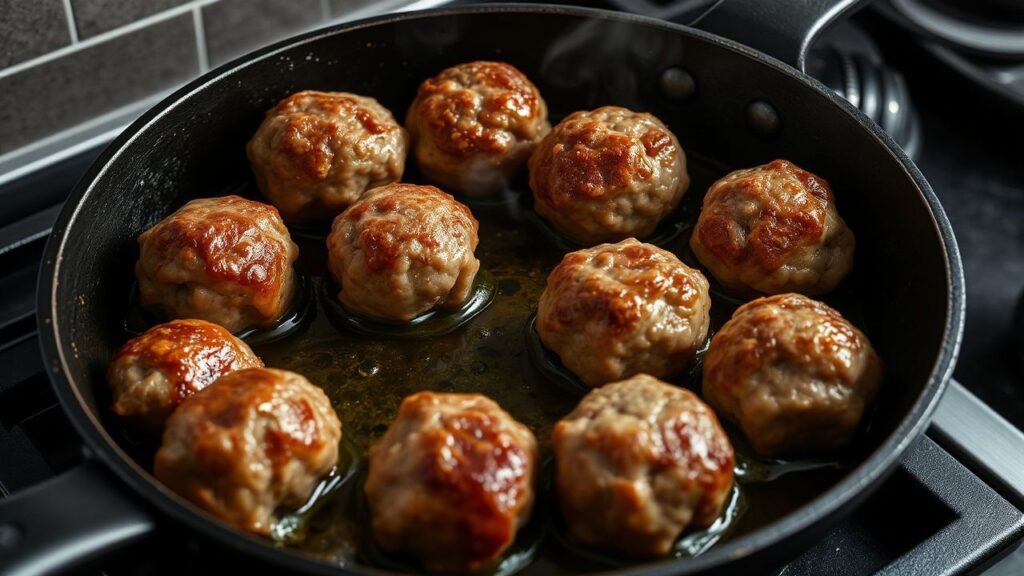
Heat 2 tablespoons of olive oil in a large, oven-safe skillet over medium-high heat. Once the oil is shimmering, carefully add the meatballs in a single layer, ensuring not to overcrowd the pan. You may need to do this in two batches. Sear the meatballs for about 2-3 minutes per side, until they are nicely browned on all sides. This browning, known as the Maillard reaction, develops crucial flavor and a pleasing texture. Do not cook them through at this stage; they will finish cooking in the next step.
Step 5: Finish Cooking (2 Minutes)
Option A (Bake): If using an oven-safe skillet, transfer the skillet to a preheated oven at 400°F (200°C) for 5-8 minutes, or until the meatballs are cooked through. The internal temperature should reach 160°F (71°C).
Option B (Sauce Simmer): If you have a quick sauce ready (like a marinara or a light broth), you can carefully add the seared meatballs directly into the simmering sauce in a pan. Cover and let them simmer gently for about 5-7 minutes, until cooked through. This method infuses them with the sauce’s flavor as they finish cooking.
Expert Pro-Tips for Elevated Flavor and Texture
To elevate these already delightful meatballs from a quick weeknight meal to something truly restaurant-worthy, consider these expert insights. These aren’t just minor tweaks; they are nuanced adjustments that significantly impact the final sensory experience.
When it comes to the binding agents, the ratio of breadcrumbs to egg is critical. Too many breadcrumbs can lead to dry, crumbly meatballs, while too little can result in them falling apart. The gentle incorporation of the egg and breadcrumbs provides structure without density. Furthermore, the resting period, even a brief one, can be beneficial. Allowing the mixture to sit for 5-10 minutes before forming the balls can help the breadcrumbs absorb moisture from the meat and other ingredients, leading to a more cohesive and tender meatball.
The choice of sauce is also a crucial element in the overall success of your meatball dish. While a simple marinara is a classic pairing, consider exploring other options that complement the spinach and garlic. A light lemon-butter sauce, a creamy mushroom sauce, or even a vibrant pesto can offer delightful variations. The key is to match the sauce’s intensity to the meatballs. A delicate sauce won’t overpower the subtle flavors, while a robust sauce can stand up to the savory richness of the meat.
Nutritional Snapshot: Wholesome Indulgence
While this recipe is designed for speed and flavor, it also offers a commendable nutritional profile, especially when compared to traditional, less health-conscious meatball preparations. The inclusion of fresh spinach significantly boosts the vitamin and mineral content, while the lean meat provides essential protein. Portion control and serving suggestions, of course, play a role in the overall health impact.
Here’s an approximate nutritional breakdown per serving (assuming 4 servings, approximately 4-5 meatballs per serving, without sauce):
| Nutrient | Approximate Amount |
|---|---|
| Calories | 350-400 kcal |
| Protein | 25-30g |
| Fat | 20-25g |
| Saturated Fat | 7-9g |
| Carbohydrates | 10-15g |
| Fiber | 2-3g |
| Iron | ~2mg (from spinach and meat) |
| Vitamin A | ~20% DV (from spinach) |
Keep in mind that these values are estimates and can vary based on the specific type of meat used, the exact quantities of ingredients, and any added sauces or accompaniments. The iron content, for instance, is a benefit derived from both the meat and the spinach. According to nutritional data, a serving of cooked spinach can provide a significant portion of the daily recommended intake for Vitamin A, crucial for vision and immune function. The protein content supports muscle maintenance and satiety, making these meatballs a satisfying component of a balanced meal.
The fiber content, while modest, contributes to digestive health and can help you feel fuller for longer. This is particularly relevant when pairing the meatballs with whole-wheat pasta or a large green salad. The healthy fats from the olive oil and the meat provide essential fatty acids, which are vital for cell function and nutrient absorption. Remember, the goal is to create a meal that is both delicious and contributes positively to your overall well-being, and this quick spinach and garlic meatball recipe certainly achieves that balance.
Serving Suggestions: Beyond the Plate
The versatility of these 20-minute spinach and garlic meatballs is one of their greatest strengths. They are not confined to a single culinary destiny; rather, they can be adapted to a multitude of dishes, transforming them into quick, flavorful meals. Their inherent tenderness and robust flavor profile make them a perfect addition to a wide array of culinary creations.
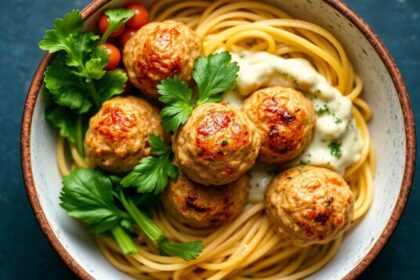
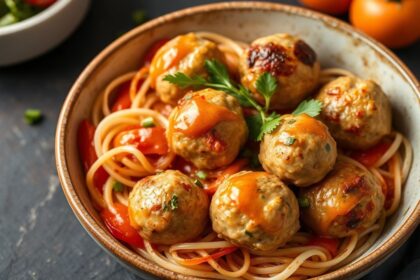
For a classic weeknight dinner, serve them tossed with your favorite pasta and a vibrant marinara sauce. The sauce clings beautifully to the slightly textured surface of the meatballs, ensuring every bite is infused with flavor. Alternatively, present them atop a bed of creamy polenta or fluffy mashed potatoes, where their savory juices can mingle and enhance the starchiness of the base. A sprinkle of fresh parsley or a dollop of ricotta cheese can add a final flourish of freshness and creaminess.
Beyond pasta dishes, these meatballs shine in other contexts. They can be incorporated into a hearty sub sandwich, layered with melted mozzarella and a rich tomato sauce. For a lighter option, serve them as an appetizer with a zesty dipping sauce, or as a protein component in a substantial salad. Their compact size and robust flavor make them ideal for game-day snacking or a quick lunchbox addition. The adaptability ensures that you can enjoy these meatballs in various forms throughout the week, minimizing food waste and maximizing culinary enjoyment.
Frequently Asked Questions
H3: Can I make these meatballs ahead of time?
Yes, absolutely. You can prepare the meatball mixture and refrigerate it for up to 24 hours before forming and cooking. Alternatively, you can form the meatballs and refrigerate them on a baking sheet, covered, for up to 24 hours. They can also be frozen. Place formed meatballs on a baking sheet, freeze until solid, then transfer to a freezer-safe bag for up to 3 months. Thaw frozen meatballs in the refrigerator before cooking, or cook them directly from frozen, adding a few extra minutes to the cooking time.
H3: What if I don’t have breadcrumbs?
If you don’t have breadcrumbs, you can substitute them with finely ground crackers (like saltines or Ritz) or even quick oats pulsed in a food processor until finely ground. You can also make your own breadcrumbs by toasting stale bread until dry and then processing it. Ensure the substitute is finely ground to mimic the texture of breadcrumbs.
H3: How can I make the meatballs spicier?
For a spicier meatball, you can increase the amount of red pepper flakes in the mixture. You could also add a pinch of cayenne pepper or finely chopped fresh jalapeño (seeds removed for less heat) to the mixture. Serving them with a spicy sauce or a side of hot sauce will also enhance the heat level.
H3: My meatballs seem a bit dry. What went wrong?
Dryness in meatballs can be caused by overmixing the meat, using too lean a meat, or overcooking. Ensure you are mixing the ingredients gently until just combined. If using very lean meat like turkey breast, consider adding a tablespoon or two of olive oil to the mixture. Always cook meatballs until they reach an internal temperature of 160°F (71°C) and no further, as residual heat will continue to cook them slightly.
H3: Can I use different herbs besides parsley?
Certainly! While parsley offers a fresh, clean flavor, other herbs can also be used. Finely chopped fresh basil, oregano, or even a touch of thyme can add wonderful dimensions to the meatballs. A combination of herbs often yields the most complex and pleasing flavor profile. Experiment with what you have on hand or what best complements your chosen sauce.
See also: Meatballs