
The Quest for the Perfect Plant-Based Mozzarella
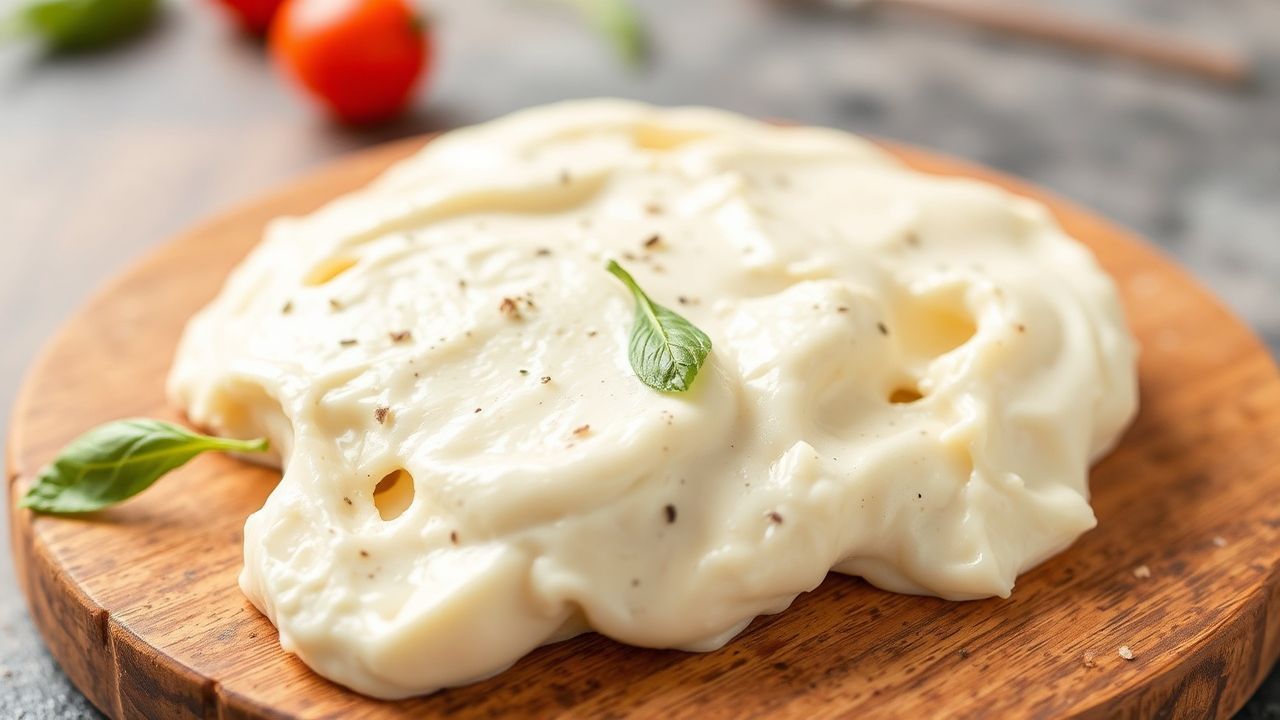
For many embarking on a vegan lifestyle, or even those simply exploring dairy-free alternatives, one culinary challenge looms large: replicating the creamy, meltable magic of traditional mozzarella. The iconic stretch, the subtle tang, the way it transforms a simple pizza or a Caprese salad into something extraordinary – these are qualities deeply ingrained in our gastronomic memory. I recall my own early attempts, faced with rubbery discs or grainy sauces that promised much but delivered little. It was a journey marked by frustration, often leading me to believe that achieving a truly satisfying vegan mozzarella was an elusive dream. Yet, through countless experiments, drawing on a deep understanding of food science and a passion for plant-based innovation, I’ve discovered that this dream is not only achievable but can be surprisingly straightforward.
- The Quest for the Perfect Plant-Based Mozzarella
- The Science Behind Melty Vegan Mozzarella
- Essential Ingredients for Your Vegan Mozzarella Pantry
- 7 Proven Easy Vegan Mozzarella Recipes
- 1. The 5-Ingredient Tapioca Stretch Mozzarella
- 2. The Quick Blender Mozzarella (Nut-Free Option)
- 3. The Firm & Sliceable Mozzarella
- 4. The Smoked Mozzarella Delight
- 5. The Cultured Cashew Mozzarella (Advanced)
- 6. The Speedy Cashew Cream Mozzarella (No Cook)
- 7. The Savory Herb & Garlic Mozzarella
- Mastering the Technique: Tips for Perfect Vegan Mozzarella
- Troubleshooting Common Vegan Mozzarella Issues
- Issue: Rubbery or Gummy Texture
- Issue: Grainy or Sandy Texture
- Issue: Not Melting Properly
- Issue: Bland Flavor
- Frequently Asked Questions
- H3: What is the best base for vegan mozzarella?
- H3: Can I make vegan mozzarella without tapioca starch?
- H3: How long does homemade vegan mozzarella last?
- H3: Can vegan mozzarella be frozen?
- H3: What is the difference between vegan mozzarella and vegan cheese shreds?
- Final Recommendations for Your Vegan Mozzarella Journey
This exploration isn’t just about substituting an ingredient; it’s about understanding the fundamental properties of what makes mozzarella so beloved and then artfully recreating them using the power of plants.
The true art of vegan mozzarella lies not in mimicking dairy, but in understanding and harnessing the unique textural and flavor profiles achievable with plant-based ingredients.
Key Takeaways
- Mastering vegan mozzarella involves understanding ingredient interactions, particularly starches and fats, for optimal melt and stretch.
- Cashews and tapioca starch are foundational for many successful vegan mozzarella recipes, offering creaminess and elasticity.
- Acidulants like lemon juice or apple cider vinegar are crucial for achieving the characteristic tang of mozzarella.
- Nutritional yeast provides a cheesy, umami depth, essential for replicating the savory notes of dairy cheese.
- Patience and precise temperature control are vital during the cooking process to achieve the desired texture.
The Science Behind Melty Vegan Mozzarella
Recreating the sublime melt and stretch of dairy mozzarella with plant-based ingredients is a fascinating exercise in applied food science. Traditional mozzarella’s ability to melt and become stringy is primarily due to its protein structure – specifically, casein proteins. When heated, these proteins unfold and reconfigure, creating a viscous, elastic network that traps fat and water. To replicate this, vegan recipes must strategically combine ingredients that mimic these properties.
At the core of many successful vegan mozzarella recipes are starches and fats. Starches, particularly tapioca starch, are paramount for achieving that desirable stretch and chew. Tapioca starch, derived from the cassava root, has a unique ability to gelatinize at relatively low temperatures and create a very elastic, glassy texture when cooked. When heated in the presence of liquid, its long molecular chains swell and bind, forming a cohesive structure. This is why many recipes call for a specific amount of tapioca starch, often cooked to a point where it becomes translucent and forms a thick, gooey mass.
Fats, derived from nuts like cashews or seeds, or from oils like coconut oil, contribute to the creaminess and richness. Cashews, when soaked and blended, create a smooth, neutral base that provides a luxurious mouthfeel. Coconut oil, particularly refined coconut oil (which has a neutral flavor), adds a solid fat that melts at a temperature close to that of dairy fat, contributing to that characteristic “gooey” melt when the cheese is heated. The interplay between the gelatinized starch and the melted fats is what allows the vegan mozzarella to hold its shape while also becoming pliable and stretchable.
Furthermore, acids play a critical role. The slight tang in traditional mozzarella is often achieved through lactic acid produced during the cheesemaking process. In vegan versions, this tang is usually replicated using ingredients like lemon juice, apple cider vinegar, or even lactic acid powder. These acids not only add flavor complexity but can also influence the starch’s gelatinization process and contribute to a more authentic cheese-like profile.
Essential Ingredients for Your Vegan Mozzarella Pantry
Building a successful vegan mozzarella relies on a well-stocked pantry with specific, high-quality ingredients. These aren’t exotic items; rather, they are versatile staples that, when combined correctly, unlock the magic of plant-based cheese-making.
The undisputed king of vegan mozzarella bases is the cashew. Raw, unsalted cashews, when soaked thoroughly – typically overnight or for at least 4-6 hours in hot water – become incredibly soft and blend into a luxuriously smooth, neutral-flavored cream. This cream forms the foundational richness and body of many vegan cheeses. For those with nut allergies, blanched almonds or even sunflower seeds can be used as alternatives, though they may alter the flavor and texture subtly.
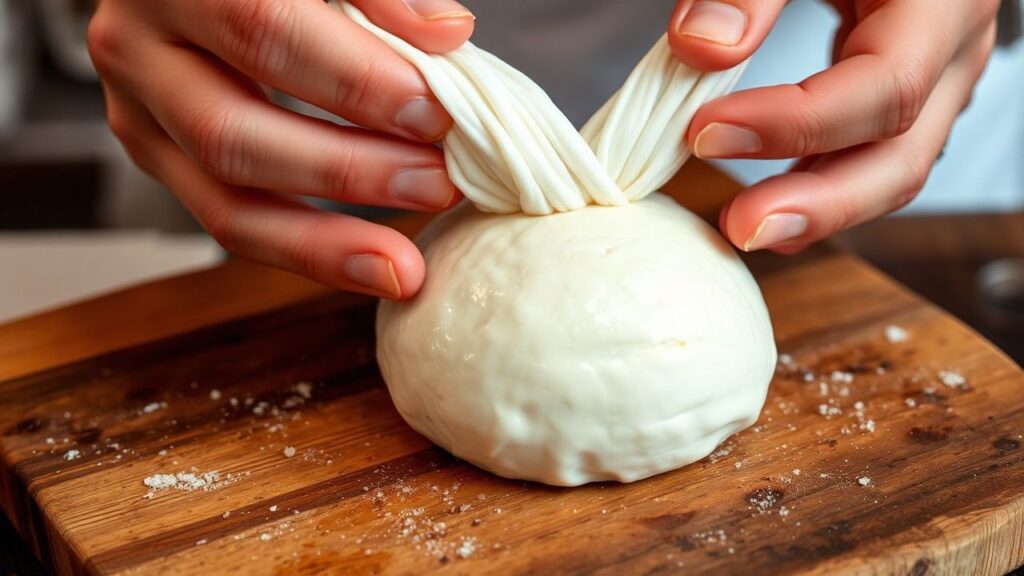
Next in importance is tapioca starch, also known as tapioca flour. This is the key to achieving that coveted stretchy, gooey texture. Its high amylose content allows it to form elastic gels when heated, mimicking the protein matrix of dairy cheese. It’s crucial to use tapioca starch, not tapioca pearls or other forms, as the fine powder is essential for smooth dispersion and proper gelatinization.
Nutritional yeast is non-negotiable for adding that quintessential “cheesy” flavor. This deactivated yeast is packed with B vitamins and offers a savory, umami depth that is remarkably similar to aged cheese. It provides the depth and complexity that raw cashews alone cannot. Experiment with the amount, as some prefer a more pronounced cheesy flavor than others.
For the characteristic tangy “bite” of mozzarella, lemon juice or apple cider vinegar are commonly employed. These provide the necessary acidity. For a more professional approach, or for recipes requiring a more precise pH balance, food-grade lactic acid powder can be used. It offers a clean, dairy-like tang without the added liquid of lemon juice or vinegar.
Refined coconut oil is another critical component, particularly for achieving that satisfying melt. Refined coconut oil has a neutral flavor, unlike virgin coconut oil, ensuring it doesn’t impart a coconutty taste to your mozzarella. Its solid state at room temperature and melting point close to dairy fats contribute significantly to the cheese’s ability to become gooey when heated.
Finally, water and salt are the supporting cast. Water is essential for hydrating the cashews and creating the correct consistency for the starch to activate. Salt, beyond enhancing flavor, also plays a role in texture and preservation.
7 Proven Easy Vegan Mozzarella Recipes
The beauty of vegan mozzarella lies in its adaptability. While the core principles remain the same, variations abound, catering to different skill levels and desired outcomes. Here are seven effective approaches, ranging from the super-simple to those that yield exceptional results.
1. The 5-Ingredient Tapioca Stretch Mozzarella
This is a fantastic entry point for beginners, proving that incredible results can be achieved with minimal ingredients.
- Ingredients: 1 cup raw cashews (soaked), 1/2 cup water, 1/4 cup tapioca starch, 2 tbsp lemon juice, 1/2 tsp salt.
- Method: Blend soaked cashews, water, lemon juice, and salt until completely smooth. Pour into a saucepan, whisk in tapioca starch until no lumps remain. Cook over medium-low heat, whisking constantly, until the mixture thickens dramatically and becomes very glossy and stretchy. This usually takes 5-7 minutes. Once it pulls away from the sides of the pan, it’s ready. Pour into a greased bowl or mold and let it cool. It will firm up as it chills.
- Expert Tip: For an even smoother texture, strain the cashew mixture before adding the tapioca starch.
2. The Quick Blender Mozzarella (Nut-Free Option)
This recipe leverages the power of a high-speed blender and often uses sunflower seeds or a blend of oils for a nut-free alternative.
- Ingredients: 1 cup raw sunflower seeds (soaked), 1 cup water, 1/4 cup tapioca starch, 2 tbsp nutritional yeast, 1 tbsp lemon juice, 1 tsp salt, 2 tbsp refined coconut oil (melted).
- Method: Blend soaked sunflower seeds with water, nutritional yeast, lemon juice, and salt until incredibly smooth. In a separate bowl, whisk tapioca starch with a little water to form a slurry. Combine the blended mixture and the tapioca slurry in a saucepan. Add the melted coconut oil. Cook over medium heat, whisking constantly, until the mixture thickens into a cohesive, stretchy mass. This version tends to be very melty.
-
When making nut-free versions, ensure your seeds are fresh to avoid any bitter undertones. Toasting sunflower seeds very lightly before soaking can also enhance their flavor profile.💡 Expert InsightExpert Insight:
3. The Firm & Sliceable Mozzarella
For those who want a mozzarella that can be sliced for sandwiches or cubed for salads, this recipe incorporates agar-agar.
- Ingredients: 1 cup raw cashews (soaked), 1.5 cups water, 1/4 cup refined coconut oil, 1/4 cup tapioca starch, 2 tbsp nutritional yeast, 1 tbsp lemon juice, 1 tsp salt, 1 tsp agar-agar powder.
- Method: Blend soaked cashews, water, coconut oil, nutritional yeast, lemon juice, and salt until very smooth. In a separate pot, whisk together the tapioca starch and agar-agar powder with a small amount of water to create a smooth paste. Pour the cashew mixture into the pot with the starch/agar-agar mixture. Bring to a simmer over medium heat, whisking constantly. Continue to cook for 5-7 minutes, or until it thickens considerably and the agar-agar is fully activated. Pour into a mold and refrigerate for at least 2-3 hours until firm.
- Comparison: While the tapioca-only versions are best for melting, the addition of agar-agar provides the necessary rigidity for slicing.
4. The Smoked Mozzarella Delight
Adding a hint of smokiness elevates vegan mozzarella, making it perfect for grilled dishes or charcuterie boards.
- Ingredients: Base recipe of your choice (e.g., the 5-Ingredient Tapioca Stretch Mozzarella), plus 1/2 tsp smoked paprika or a few drops of liquid smoke.
- Method: Incorporate the smoked paprika or liquid smoke into the liquid ingredients during the blending stage of your chosen base recipe. Adjust to your preferred level of smokiness.
- Real-World Scenario: Imagine a grilled vegan cheese sandwich with this smoked mozzarella – the smoky notes are amplified by the grilling process, creating an incredibly satisfying flavor.
5. The Cultured Cashew Mozzarella (Advanced)
For a more authentic, complex flavor reminiscent of traditional dairy mozzarella, culturing the cashew base is key. This requires probiotic capsules.
- Ingredients: 1.5 cups raw cashews (soaked), 1 cup filtered water, 1 tbsp tapioca starch, 1 tsp salt, 1 probiotic capsule (contents only, ensure it’s dairy-free).
- Method: Blend soaked cashews, water, salt, and probiotic powder until very smooth. Transfer to a clean glass jar, cover loosely with cheesecloth secured by a rubber band, and let it ferment at room temperature for 24-48 hours, or until it develops a pleasant tangy aroma. Once cultured, strain out any excess liquid, then blend the cashew culture with tapioca starch until smooth. Cook this mixture in a saucepan over medium-low heat, whisking constantly, until it thickens and becomes stretchy. Chill to firm.
-
Ensure your kitchen environment is clean when culturing. If any off-putting or moldy smells develop, discard the batch and start again. Proper culturing requires patience and attention to temperature.⚠️ Pro-CautionPro-Caution:
6. The Speedy Cashew Cream Mozzarella (No Cook)
This is a truly “no-cook” option, ideal for when you need a quick, creamy, meltable cheese sauce. It won’t form a firm ball but is excellent for drizzling.
- Ingredients: 1 cup raw cashews (soaked), 1/2 cup water, 1/4 cup nutritional yeast, 2 tbsp lemon juice, 1 tbsp refined coconut oil (melted), 1 tsp salt, 1 tsp tapioca starch (optional, for a thicker sauce).
- Method: Blend all ingredients (including tapioca starch if using) until extremely smooth and creamy. For a thicker sauce, you can gently warm it in a saucepan over low heat for a few minutes, stirring, but avoid boiling if you want to retain the raw benefits.
- Use Case: This is perfect for topping pasta, as a dip for nachos, or as a creamy base for vegan mac and cheese.
7. The Savory Herb & Garlic Mozzarella
Infuse your mozzarella with fresh herbs and garlic for an extra layer of flavor, perfect for appetizers or as a topping for flatbreads.
- Ingredients: Your preferred base vegan mozzarella recipe, plus 2 cloves minced garlic, 1 tbsp fresh chopped rosemary or basil, and a pinch of red pepper flakes (optional).
- Method: Add the minced garlic, herbs, and red pepper flakes to the blending stage of your chosen recipe. Ensure the garlic is finely minced or even pureed to avoid large chunks.
- Versatility: This herb-infused mozzarella is a breakthrough for homemade pizzas and focaccia.
Mastering the Technique: Tips for Perfect Vegan Mozzarella
Beyond the ingredients, the technique is where the true mastery of vegan mozzarella lies. Even the best ingredients can yield disappointing results if not handled with care and precision.
Temperature Control is Paramount: The gelatinization of starches like tapioca is highly temperature-dependent. Most recipes require cooking the mixture until it thickens and becomes translucent. This usually occurs around 160-180°F (71-82°C). Overcooking can lead to a gummy or tough texture, while undercooking will result in a runny sauce. A good kitchen thermometer can be an invaluable tool here. Whisking constantly during this phase prevents scorching and ensures even cooking.
Achieving the Right Consistency: The ratio of liquid to starch and fat is critical. Too much liquid, and your mozzarella will be too soft or runny. Too little, and it might be too dense or rubbery. The goal is a thick, glossy, stretchy mass that pulls away from the sides of the pan. If your mixture seems too thin, you can often whisk in a tablespoon of tapioca starch slurry (starch mixed with a little cold water) and cook for another minute or two. If it’s too thick, a tablespoon or two of warm water can help thin it out.
The Importance of Soaking Nuts: For cashew-based mozzarellas, thorough soaking is non-negotiable. It softens the nuts, making them easier to blend into a super-smooth cream without any grittiness. If you’re short on time, a quick soak in boiling water for 15-20 minutes can suffice, but overnight soaking yields the best results. Always use filtered water for soaking and blending to avoid any off-flavors.
Cooling and Firming: Most vegan mozzarellas will firm up significantly as they cool. Pouring the hot, stretchy mixture into a lightly oiled bowl, ramekin, or mold is essential. Allow it to cool at room temperature for a while before transferring it to the refrigerator. This gradual cooling process helps to achieve a better texture. For firm, sliceable mozzarellas, refrigeration for at least 2-3 hours, or even overnight, is often required.
Storage and Usage: Vegan mozzarella is best enjoyed fresh. It can typically be stored in an airtight container in the refrigerator for 3-5 days. While it’s designed to melt, the texture can change upon reheating. It might become softer or slightly less stretchy. For optimal meltability, use it in dishes that are baked or grilled.
Troubleshooting Common Vegan Mozzarella Issues
Even with careful preparation, occasional hitches can occur. Understanding common problems and their solutions can save your cheese and your sanity.
Issue: Rubbery or Gummy Texture
- Cause: Often due to overcooking the tapioca starch or using too much starch. It can also be a sign of insufficient fat, which provides necessary tenderness.
- Solution: Reduce the amount of tapioca starch slightly in your next batch. Ensure you are cooking just until the mixture is thick and glossy, not for an extended period. Incorporating a bit more fat (cashew cream or refined coconut oil) can help improve tenderness.
Issue: Grainy or Sandy Texture
- Cause: Insufficient blending of the cashews or nuts used as a base. This can also happen if the starch isn’t fully dissolved before cooking.
- Solution: Soak your nuts for longer or use a higher-powered blender. Blend for a more extended period, scraping down the sides as needed. Ensure the tapioca starch is fully incorporated into the liquid before heating, whisking out any lumps.
Issue: Not Melting Properly
- Cause: This can be due to an incorrect starch-to-liquid ratio, insufficient fat, or the wrong type of starch. Some starches are better for melting than others.
- Solution: Ensure you are using tapioca starch. For better melting, a recipe that relies heavily on tapioca starch and refined coconut oil will perform better than one that uses a lot of agar-agar for firmness. Gently reheating might help, but be aware that some vegan mozzarellas are designed more for texture than for extreme melt.
Issue: Bland Flavor
- Cause: Insufficient salt or nutritional yeast. These are the primary flavor builders in vegan cheese.
- Solution: Don’t be afraid to be generous with salt and nutritional yeast. Taste the mixture before cooking (if safe to do so, e.g., no raw cashews if you have concerns) and adjust seasoning. Adding a pinch of garlic powder or onion powder can also enhance the savory notes.
Frequently Asked Questions
H3: What is the best base for vegan mozzarella?
The most popular and versatile base for vegan mozzarella is raw cashews. When soaked and blended, they create a neutral, creamy foundation that mimics the richness of dairy. However, for nut-free options, sunflower seeds, blanched almonds, or even white beans can be used with varying results in texture and flavor.
H3: Can I make vegan mozzarella without tapioca starch?
While it’s challenging to achieve the characteristic stretch and melt without tapioca starch, some recipes use a combination of agar-agar and carrageenan to create a firm yet meltable texture. However, tapioca starch remains the most effective and widely available ingredient for replicating the “pull” of traditional mozzarella.
H3: How long does homemade vegan mozzarella last?
Homemade vegan mozzarella typically lasts for 3 to 5 days when stored in an airtight container in the refrigerator. Its shelf life can vary depending on the ingredients used and the freshness of those ingredients. It’s best to consume it within this timeframe for optimal flavor and texture.
H3: Can vegan mozzarella be frozen?
Freezing vegan mozzarella can alter its texture, often making it more crumbly or watery upon thawing. While it can be frozen, it is generally not recommended if you want to maintain its ideal melt and stretch. If you must freeze it, use it in cooked dishes where the texture change will be less noticeable.
H3: What is the difference between vegan mozzarella and vegan cheese shreds?
Vegan mozzarella, when made at home, is often a fresh, pliable cheese that can be shaped or sliced. Vegan cheese shreds, typically store-bought, are processed to mimic the texture and meltability of shredded dairy cheese. They often contain stabilizers and emulsifiers to achieve this consistency and are convenient for quick meals like pizzas and tacos.
Final Recommendations for Your Vegan Mozzarella Journey
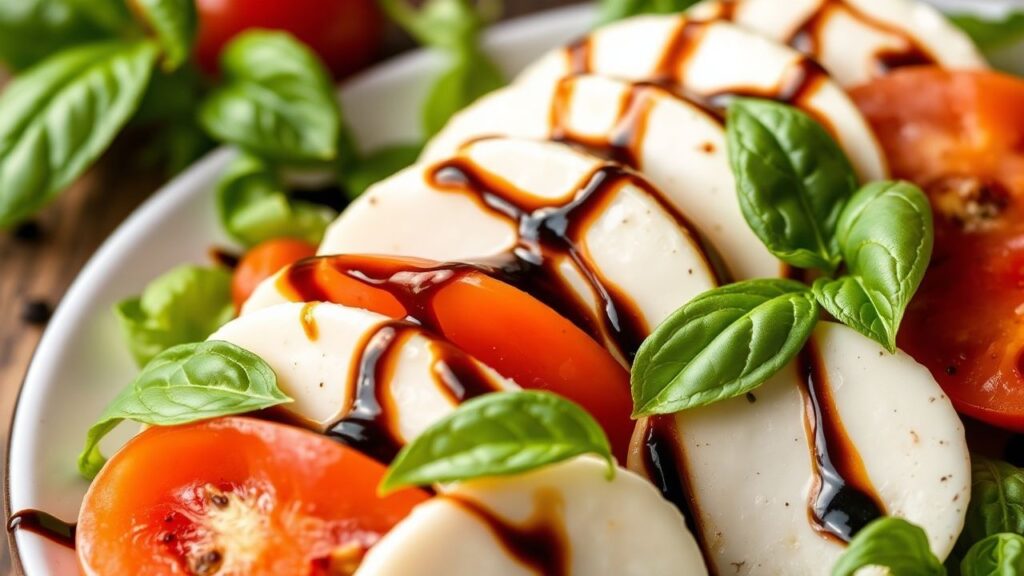
Embarking on the creation of your own vegan mozzarella is a rewarding culinary adventure. Start with the simpler, five-ingredient recipes to build confidence, and then gradually experiment with cultured versions or flavor infusions. Remember that patience, precise measurement, and a willingness to adapt are your greatest allies. Don’t be discouraged by initial imperfections; each attempt is a learning opportunity. With these proven techniques and a keen understanding of the ingredients, you are well on your way to crafting delicious, stretchy, and satisfying vegan mozzarella that will elevate your plant-based cooking to new heights. The satisfaction of a perfectly melted slice on your homemade pizza or a beautifully creamy Caprese salad, made entirely from plants, is truly unparalleled.
See also: Mozzarella