
The Unassuming Powerhouse: Unlocking the Magic of Crispy Sticky Tofu
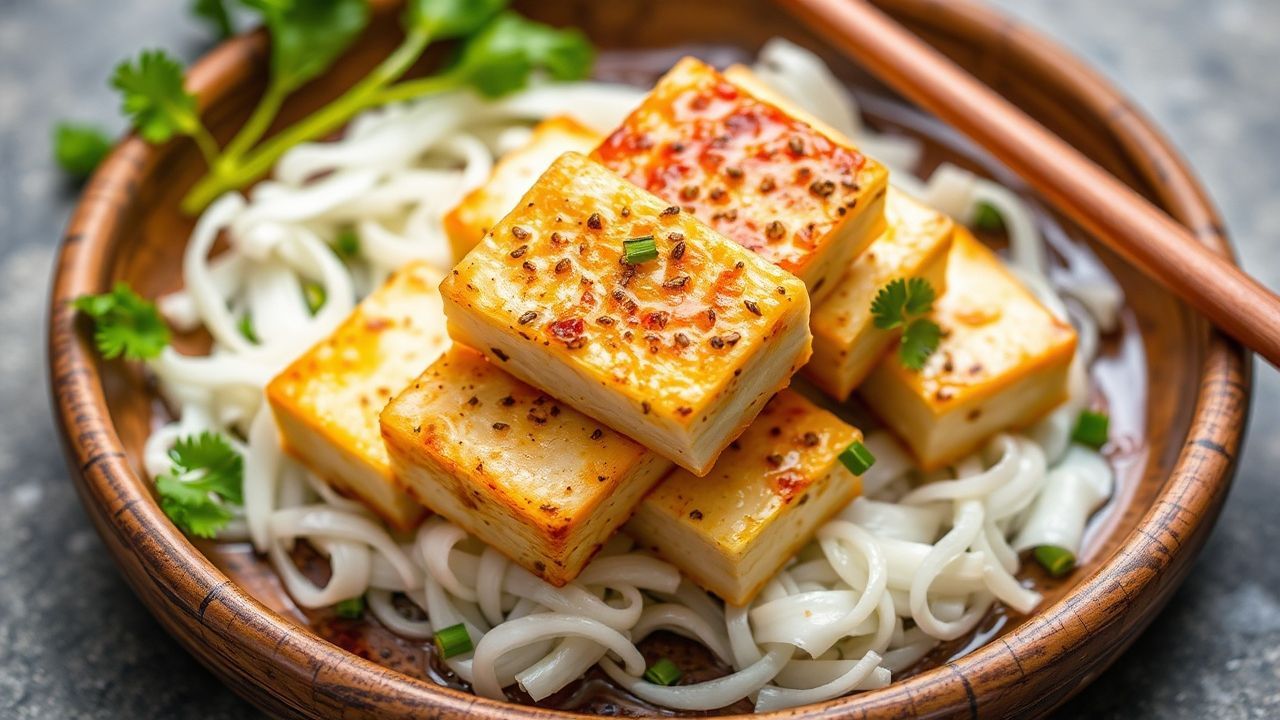
Did you know that over 70% of global tofu production occurs in Asia, where it’s a dietary staple for millions? For many in Western cultures, however, tofu remains an enigma, often misunderstood and frequently relegated to bland, uninspired dishes. This perception is about to change. The quest for truly exceptional crispy, sticky tofu isn’t about a single magic ingredient or a complex technique; it’s about a meticulous, step-by-step approach that transforms a humble soybean curd into a culinary masterpiece. This is not merely about frying tofu; it’s about coaxing out its hidden potential, achieving a texture so satisfyingly crisp it shatters with each bite, and a glaze so perfectly sticky it clings, delivering an explosion of flavor. We’re exploring the science and artistry behind this beloved dish, offering a roadmap to crispy, sticky tofu that will redefine your expectations and make you a convert.
- The Unassuming Powerhouse: Unlocking the Magic of Crispy Sticky Tofu
- The Foundation: Selecting and Preparing Your Tofu
- Choosing the Right Tofu: Firm is Your Friend
- The Indispensable Step: Pressing Your Tofu
- Cutting for Maximum Surface Area
- The Secret Weapon: Marinating and Coating for Flavor and Texture
- Mastering the Cook: Achieving Golden-Brown Perfection
- The Sticky Finale: Crafting the Irresistible Glaze
- Elevating Your Crispy Sticky Tofu Experience
- Understanding the Science: Why These Steps Matter
- Key Takeaways
- Frequently Asked Questions
- What is the best type of tofu for making it crispy?
- How long should I press my tofu?
- Can I make crispy sticky tofu ahead of time?
- What if my tofu isn’t getting crispy?
- How do I prevent the glaze from making my tofu soggy?
- Final Recommendations
“The transformation of tofu from its humble origins to a crispy, sticky delight is proof of culinary alchemy, proving that texture and flavor can elevate even the simplest ingredients.”
Why Crispy Sticky Tofu Reigns Supreme
The allure of crispy sticky tofu lies in its profound textural contrast and the vehicle it provides for robust flavors. Unlike its softer counterparts, its exterior develops a delightful crunch that yields to a tender, yielding interior. This textural duality is inherently satisfying. Furthermore, the sticky glaze, often a harmonious blend of savory, sweet, and umami notes, adheres beautifully to the crispy surface, ensuring every mouthful is a flavor-packed experience. This versatility makes it a star in stir-fries, a compelling appetizer, or a protein-rich addition to salads and bowls. Its ability to absorb and complement a wide array of sauces and spices is proof of its culinary adaptability. Research from the University of Illinois highlights tofu’s significant protein content and its role as a complete protein source, making the pursuit of a delicious preparation method all the more valuable for health-conscious individuals.
The Foundation: Selecting and Preparing Your Tofu
The journey to perfect crispy sticky tofu begins long before the pan heats up. The type of tofu you choose is paramount, and proper preparation is non-negotiable.
Choosing the Right Tofu: Firm is Your Friend
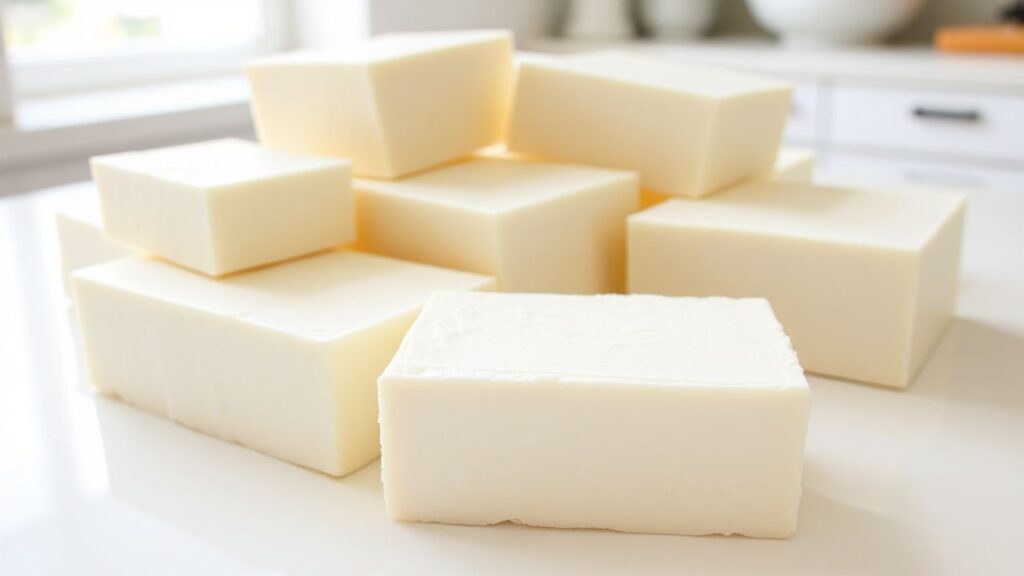
For crispy sticky tofu, you absolutely must opt for extra-firm or firm tofu. These varieties have a lower water content, which is crucial for achieving that desirable crispness. Silken or soft tofu, with their high moisture levels, will steam rather than crisp, resulting in a mushy texture. Look for blocks that feel dense and solid. The packaging will usually specify the firmness level.
The Indispensable Step: Pressing Your Tofu
This is arguably the most critical step in achieving crispiness. Tofu is packed with water, and this moisture is the enemy of crisp texture. You need to extract as much of it as possible.
- Tofu Press: If you’re a frequent tofu preparer, investing in a dedicated tofu press is highly recommended. These devices apply consistent, even pressure, efficiently squeezing out water over 30 minutes to an hour.
- DIY Method: If you don’t have a press, you can create a makeshift one. Wrap the tofu block in several layers of paper towels or a clean kitchen towel. Place it on a plate or baking sheet to catch dripping water. Then, place a heavy object on top – think a stack of cookbooks, a cast-iron skillet, or a cutting board with cans. Let it press for at least 30 minutes, but an hour is even better. You’ll be surprised how much water is released. Change the paper towels if they become saturated.
Cutting for Maximum Surface Area
Once pressed, the way you cut your tofu significantly impacts how well it crisps and how much sauce it can hold.
- Cubes: Aim for uniform, bite-sized cubes, typically around 1-inch. This ensures even cooking and makes them easy to handle.
- Rectangles or Slices: For certain dishes, you might prefer thicker rectangular pieces or even half-inch thick slices. The key is consistency in size. More surface area exposed to heat means more opportunities for browning and crisping.
The Secret Weapon: Marinating and Coating for Flavor and Texture
A well-marinated and properly coated tofu is the bridge between blandness and brilliance. This stage infuses flavor and provides the foundation for a crispy exterior.
The Art of Marination
While crispy sticky tofu often relies on a glaze applied at the end, a brief pre-marination can inject deep flavor into the tofu’s core.
- Marinade Base: A simple yet effective marinade can include soy sauce (or tamari for gluten-free), sesame oil, a touch of rice vinegar, minced garlic, and grated ginger.
- Duration: Since we’re aiming for crispiness, don’t marinate for too long (more than 30 minutes) in liquid-heavy marinades, as this can reintroduce moisture. A shorter, more concentrated marinade is ideal. Allow the pressed and cut tofu to absorb these flavors for about 15-30 minutes.
The Crucial Coating: Cornstarch is Key
This is where the magic truly begins to happen. A coating of cornstarch is essential for achieving that signature crispiness.
- Why Cornstarch? Cornstarch creates a light, crispy crust when fried. It absorbs moisture from the tofu’s surface and browns beautifully, forming a barrier that keeps the interior tender.
- Application: After marinating (and gently patting the tofu dry if it seems overly wet from the marinade), place the tofu pieces in a bowl. Sprinkle a generous amount of cornstarch over them – typically 2-3 tablespoons per block of tofu. Gently toss to ensure each piece is evenly coated. You want a thin, even layer, not a thick, clumpy one. Some chefs also add a pinch of salt and pepper to the cornstarch for extra flavor.
💡 Expert Insight
Expert Insight: For an even crispier result, consider adding a tablespoon of tapioca starch or arrowroot powder to your cornstarch mixture. These starches can enhance browning and create an exceptionally delicate crunch.
Mastering the Cook: Achieving Golden-Brown Perfection
The cooking method is where the transformation from soft curd to crispy delight occurs. Precision and the right technique are key.
Pan-Frying: The Go-To Method
Pan-frying offers the best control for achieving uniform crispiness.
- The Right Pan: Use a large, heavy-bottomed skillet, preferably cast iron or stainless steel. This ensures even heat distribution.
- Sufficient Oil: Don’t skimp on the oil. You need enough to create a shallow-frying environment, about ¼ to ½ inch deep. A neutral oil with a high smoke point like avocado oil, canola oil, or grapeseed oil is ideal.
- Heat Management: Heat the oil over medium-high heat until it shimmers. You can test if it’s hot enough by dropping a tiny piece of tofu; it should sizzle immediately.
- Don’t Crowd the Pan: This is crucial. Fry the tofu in batches, ensuring there’s enough space between each piece. Overcrowding lowers the oil temperature, causing the tofu to steam and become greasy rather than crisp.
- The Golden Rule: Don’t Touch! Once the tofu is in the hot oil, resist the urge to stir or move it for at least 3-4 minutes per side. Let it develop a deep golden-brown crust.
- Turning and Browning: Flip the tofu pieces carefully with tongs or a spatula, and cook for another 3-4 minutes until all sides are golden brown and crispy.
- Draining: Remove the crispy tofu from the pan and place it on a wire rack set over a baking sheet. This allows air to circulate and prevents the bottom from becoming soggy. Avoid paper towels, as they can trap steam.
Baking as an Alternative (with caveats)
While pan-frying is superior for maximum crispness, baking can be a healthier alternative, though it requires patience and a higher temperature.
- Preheat Oven: Set your oven to 400°F (200°C).
- Prepare Baking Sheet: Line a baking sheet with parchment paper for easy cleanup.
- Arrange Tofu: Spread the coated tofu in a single layer on the prepared baking sheet. Ensure pieces are not touching.
- Baking Time: Bake for 20-30 minutes, flipping halfway through, until golden and firm. You may need to broil for the last minute or two to achieve true crispiness, but watch it very carefully to prevent burning.
The Sticky Finale: Crafting the Irresistible Glaze
The glaze is the crowning glory, transforming crispy tofu into sticky, flavor-packed perfection.
The Anatomy of a Perfect Sticky Glaze
A balanced sticky glaze typically comprises sweet, savory, and acidic components, thickened to coat the tofu without being overly runny.
- Sweetness: Maple syrup, agave nectar, brown sugar, or honey provide the sweet base and help create that glossy, sticky texture.
- Savory/Umami: Soy sauce (or tamari), tamari, or coconut aminos form the savory backbone. A dash of mushroom powder or a tiny bit of miso paste can add depth.
- Acidity: Rice vinegar or lime juice cuts through the richness and adds brightness.
- Aromatics: Minced garlic, grated ginger, and chili flakes (for a touch of heat) are essential for flavor complexity.
- Thickener (Optional but Recommended): A small amount of cornstarch slurry (1 tsp cornstarch mixed with 1 tbsp cold water) can be added to the simmering glaze to ensure it thickens beautifully and coats the tofu effectively.
The Glazing Technique
The timing and method of applying the glaze are critical to maintaining crispiness.
- Gentle Toss: Once your tofu is pan-fried and drained, and your glaze is prepared and simmering in a separate pan, add the crispy tofu to the glaze.
- Work Quickly: Gently toss the tofu in the warm glaze for about 30-60 seconds, ensuring each piece is evenly coated. Do this just before serving to prevent the glaze from softening the crispy exterior too much. If the glaze seems too thick, add a tablespoon of water; if too thin, let it simmer a moment longer.
- Serve Immediately: Crispy sticky tofu is best enjoyed fresh off the stove.
⚠️ Pro-Caution
Pro-Caution: Avoid adding the tofu directly to a vigorously boiling glaze or letting it simmer in the glaze for an extended period. This will inevitably lead to the loss of crispness, turning your perfectly fried tofu soggy.
Elevating Your Crispy Sticky Tofu Experience
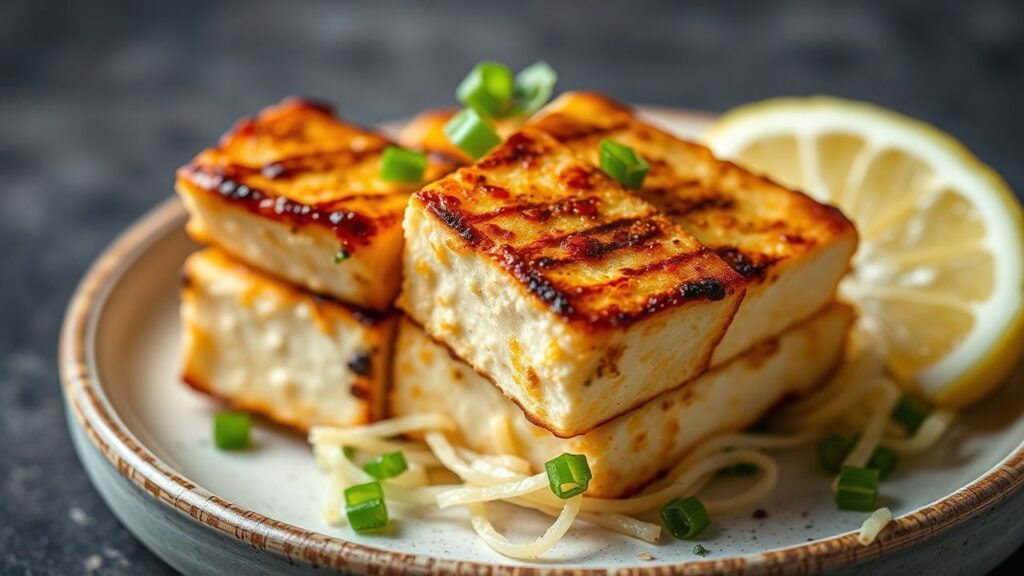
Beyond the basic steps, several expert tips and variations can elevate your crispy sticky tofu to extraordinary levels.
Flavor Infusions and Variations
The beauty of crispy sticky tofu lies in its adaptability. Experiment with different flavor profiles:
- Spicy Sriracha Glaze: Combine soy sauce, sriracha, honey, rice vinegar, garlic, and ginger.
- Sweet and Sour: A classic blend of ketchup, soy sauce, vinegar, sugar, and pineapple juice.
- Teriyaki: A rich sauce of soy sauce, mirin, sake, and sugar.
- Gochujang Glaze: For a Korean-inspired kick, use gochujang (Korean chili paste) as the base, mixed with soy sauce, garlic, ginger, and a touch of sweetener.
Garnishes that Sing
The final flourish can make all the difference.
- Toasted Sesame Seeds: Add a nutty crunch and visual appeal.
- Chopped Scallions (Green Onions): Provide a fresh, sharp counterpoint.
- Fresh Cilantro: Offers a bright, herbaceous note.
- Red Pepper Flakes: For those who crave extra heat.
Serving Suggestions
Crispy sticky tofu is incredibly versatile.
- Stir-fries: Toss with your favorite vegetables and a flavorful sauce.
- Rice Bowls: Serve over fluffy jasmine or brown rice with steamed or sautéed vegetables.
- Salads: Add as a protein-rich topping to a vibrant green salad.
- Appetizers: Serve on their own with a side of dipping sauce.
Understanding the Science: Why These Steps Matter
The effectiveness of these techniques is rooted in basic culinary science. Pressing tofu removes water through osmosis and mechanical pressure, increasing its density and surface area for browning. The cornstarch coating works by gelatinizing when heated, forming a porous, brittle structure that crisps beautifully. This happens because starch granules absorb moisture and swell, and when cooked, they release water, creating steam that helps puff up the coating, while the remaining solids brown and crisp. Pan-frying, with its high heat and direct contact with oil, promotes rapid Maillard reactions and caramelization, leading to the desirable golden-brown color and complex flavors. The oil’s high temperature also ensures that the exterior crisps up quickly before the interior overcooks. According to research published in the *Journal of Food Science*, the application of starches like cornstarch significantly improves the crispness and reduces oil absorption during frying compared to uncoated samples.
Key Takeaways
- The Unwavering Importance of Pressing: Thoroughly pressing extra-firm tofu is non-negotiable for achieving a truly crispy texture.
- Cornstarch is Your Crisping Ally: A light, even coating of cornstarch is essential for creating that signature golden-brown, shatteringly crisp exterior.
- Batch Frying is Crucial: Avoid overcrowding the pan; fry tofu in batches to maintain oil temperature and ensure even browning.
- Glaze Just Before Serving: Apply the sticky glaze at the very last moment to preserve the tofu’s crispiness.
Frequently Asked Questions
What is the best type of tofu for making it crispy?
For the crispiest results, always opt for extra-firm tofu. This variety has the lowest water content, which is crucial for achieving a dry surface that can crisp up properly during cooking. Firm tofu can also work, but extra-firm is generally preferred for its superior texture and ability to hold its shape.
How long should I press my tofu?
You should press your tofu for at least 30 minutes, but an hour is ideal. The longer you press, the more water you will remove, leading to a crispier final product. If using a tofu press, follow the manufacturer’s instructions. If using the DIY method, ensure the weight is significant and consistent.
Can I make crispy sticky tofu ahead of time?
While crispy sticky tofu is best enjoyed immediately after preparation to maintain its crispness, you can prepare some components in advance. The tofu can be pressed, cut, and even coated in cornstarch a few hours ahead of time and stored, uncovered, in the refrigerator. The glaze can also be made ahead and gently reheated. However, the final step of tossing the crispy tofu in the glaze should be done just before serving.
What if my tofu isn’t getting crispy?
Several factors could be at play. First, ensure you are using extra-firm tofu and have pressed it thoroughly. Second, make sure your oil is hot enough before adding the tofu. If the oil isn’t hot, the tofu will absorb oil and become greasy instead of crisp. Third, don’t overcrowd the pan; fry in batches. Finally, ensure you are using a cornstarch coating as it’s key to crisping.
How do I prevent the glaze from making my tofu soggy?
The key is timing. Toss the crispy, fried tofu in the glaze very briefly, just for about 30-60 seconds, ensuring it’s evenly coated, and then remove it from the heat immediately. The goal is for the glaze to cling to the surface, not to simmer or soak into the tofu. Serve it right away to enjoy the best texture.
Final Recommendations
The pursuit of perfect crispy sticky tofu is a rewarding culinary endeavor. By diligently following these steps – from selecting the right tofu and mastering the pressing technique to employing the cornstarch coating and employing strategic frying and glazing methods – you are well on your way to creating a dish that is not only delicious but also incredibly satisfying. Don’t be afraid to experiment with marinades and glazes to find your signature flavor. Remember, patience with the pressing and frying stages, and speed during the glazing phase, are your greatest allies. This humble ingredient, when treated with respect and the right techniques, can indeed become a show-stopping star on your table.
See also: Tofu