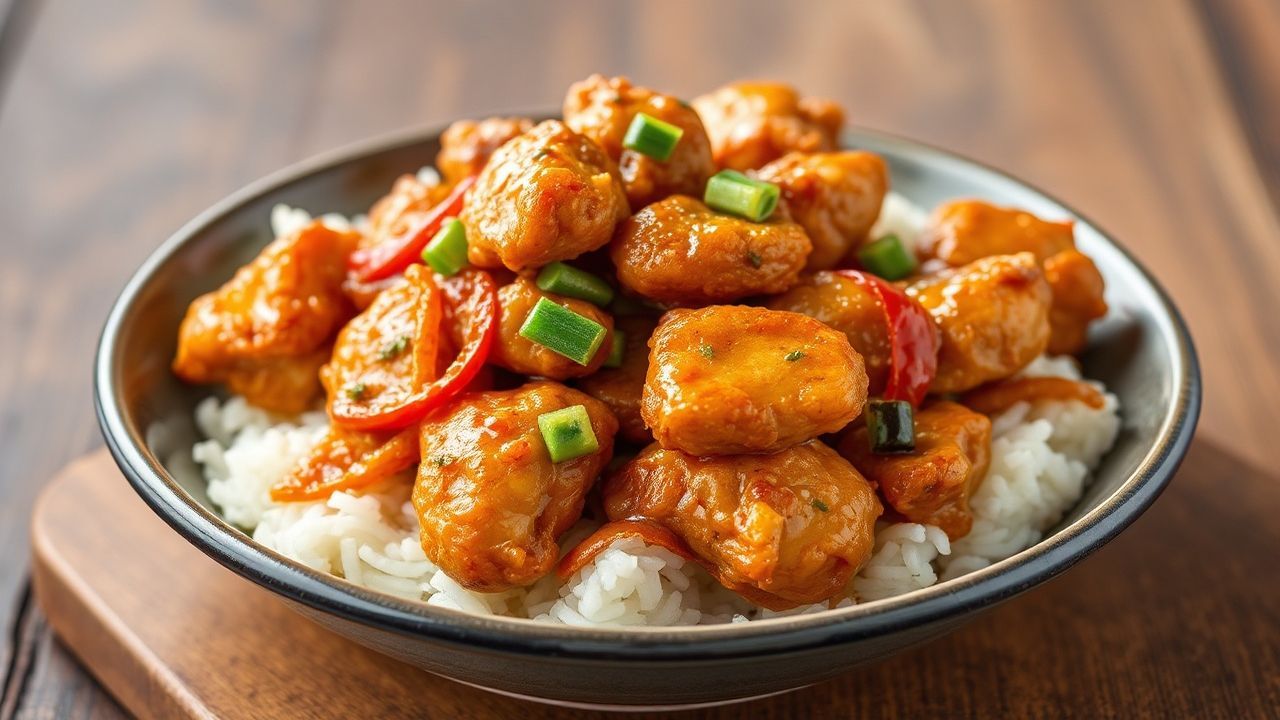

Cashew Chicken isn’t just a dish; it’s an experience, a symphony of textures and tastes that transports you straight to your favorite Asian eatery. But what if the secret to that irresistible, savory-sweet, perfectly crunchy cashew chicken is within your reach, right in your own kitchen? Forget delivery apps and inconsistent quality – mastering this classic is more achievable than you think.
- Unpacking the Essence of Authentic Cashew Chicken
- The Foundational Elements: Perfecting Your Chicken and Cashews
- Crafting the Signature Cashew Chicken Sauce
- The Cooking Method: Achieving that Takeout Crisp
- The Role of Vegetables and Garnishes
- Troubleshooting Common Cashew Chicken Pitfalls
- Nutritional Considerations and Healthier Adaptations
- The Cultural Significance and Global Appeal
- Frequently Asked Questions
- What is the best type of chicken to use for Cashew Chicken?
- How can I ensure my cashews stay crunchy?
- What makes Cashew Chicken taste like it’s from a restaurant?
- Can I make Cashew Chicken ahead of time?
- What are some common vegetables to include in Cashew Chicken?
- Final Recommendations: Mastering Your Cashew Chicken
The allure of Cashew Chicken lies in its masterful balance: the tender bite of chicken, the satisfying crunch of toasted cashews, and the glossy, umami-rich sauce that coats everything in a delightful embrace. It’s a culinary dance that, when executed correctly, is simply unparalleled.
This guide demystifies the process, offering not just a recipe, but an understanding of the techniques and ingredients that elevate homemade Cashew Chicken from merely good to truly exceptional. We’ll explore achieving perfect sauce consistency, crisping your chicken, and the crucial role of those star cashews.
Unpacking the Essence of Authentic Cashew Chicken
Before the ‘how,’ let’s appreciate the ‘why.’ What makes Cashew Chicken so universally beloved? At its core, it’s proof of simple, well-executed components. The dish typically features tender chicken pieces, often marinated and lightly fried or stir-fried to a golden crisp, tossed with crunchy, toasted cashews. The magic truly happens with the sauce: a harmonious blend of savory soy sauce, subtle sweetness from sugar or honey, a touch of acidity, and thickening agents that give it that signature glossy sheen.
The term “takeout quality” often implies a depth of flavor and textural contrast that can be elusive in home cooking. This dish, however, is one where home cooks can often surpass restaurant versions by controlling ingredients and cooking techniques precisely. The key lies in understanding each element’s role. For instance, chicken marination isn’t just about flavor; it tenderizes the meat and creates a base for a crispier exterior. Similarly, toasting the cashews is critical, transforming bland nuts into fragrant, flavorful kernels essential to the dish’s identity.
The Foundational Elements: Perfecting Your Chicken and Cashews
Achieving that coveted “better than takeout” status begins with the foundational elements: the chicken and the cashews.
Selecting and Preparing the Chicken
For Cashew Chicken, chicken thighs are often preferred over breast meat due to their higher fat content, ensuring a juicier, more forgiving result. Chicken breast can be used if leaner is preferred, though care must be taken not to overcook it. The key is to cut the chicken into uniform, bite-sized pieces. This ensures even cooking, whether you choose to stir-fry, deep-fry, or pan-fry.
A crucial step often overlooked by home cooks is marination. A simple marinade of soy sauce, Shaoxing wine (a Chinese rice wine that adds unique savory depth; readily available in Asian markets or online), a touch of cornstarch, and perhaps a pinch of white pepper can work wonders. The soy sauce infuses flavor, the Shaoxing wine adds complexity, and the cornstarch acts as a tenderizer and helps create a subtle coating that aids in achieving a crispier exterior when cooked. A common ratio for a pound of chicken might be 2 tablespoons soy sauce, 1 tablespoon Shaoxing wine, 1 tablespoon cornstarch, and a pinch of white pepper. Marinate for at least 15-30 minutes at room temperature, or up to a few hours in the refrigerator.
The Art of the Cashew: Toasting for Maximum Flavor
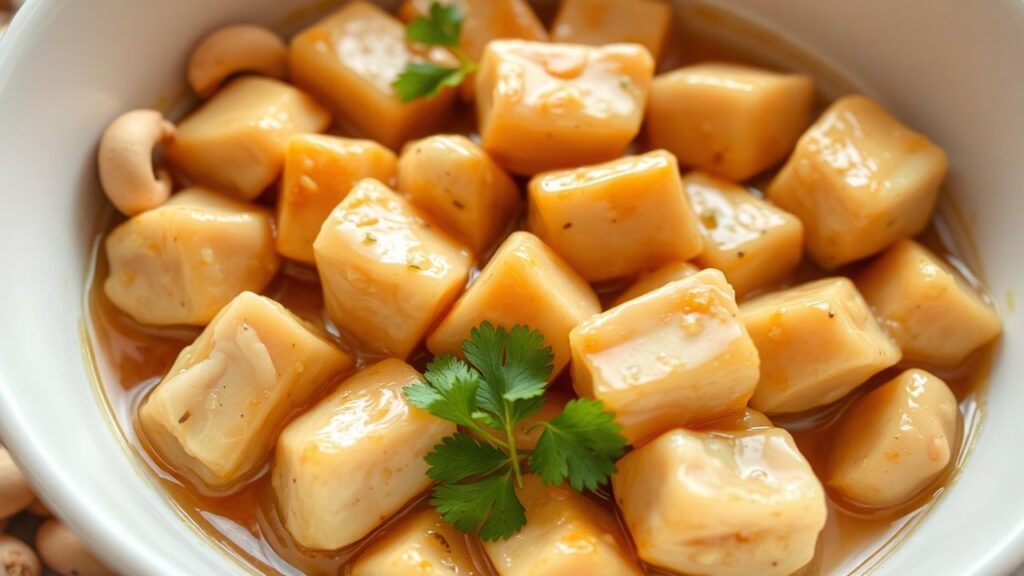
Cashews are the stars of this dish, and their preparation is paramount. Raw cashews can be bland and lack satisfying crunch. Toasting them unlocks their inherent nutty aroma and flavor, and provides the essential textural contrast. This can be achieved in several ways:
- Oven Toasting: Spread raw cashews in a single layer on a baking sheet and bake at 350°F (175°C) for 8-12 minutes, or until lightly golden and fragrant. Keep a close eye, as they can burn quickly.
- Stovetop Toasting: Heat a dry skillet over medium heat. Add the cashews and toast, stirring frequently, for 5-7 minutes, or until fragrant and slightly browned. This method requires constant attention.
It’s imperative to toast the cashews *separately* from the chicken and add them towards the end of the cooking process to maintain their crispness. Overcooked or soggy cashews can ruin the dish’s texture.
Crafting the Signature Cashew Chicken Sauce
The sauce is where the true alchemy of Cashew Chicken takes place. It needs to be savory, subtly sweet, slightly tangy, and possess a viscosity that clings beautifully to the chicken and cashews without being overly thick or gloopy.
The Balance of Flavors
A well-balanced Cashew Chicken sauce typically includes:
- Savory Base: Soy sauce (low-sodium is often preferred to control saltiness).
- Sweetness: Sugar (granulated or brown) or honey. The amount dictates the sweetness level.
- Umami Boost: Oyster sauce is a common and highly effective ingredient for adding rich, savory depth.
- Acidity: A splash of rice vinegar or even a touch of Shaoxing wine provides a subtle tang that cuts through richness.
- Aromatics: Garlic and ginger, finely minced or grated, are essential for building flavor.
- Thickener: Cornstarch, mixed with water to form a slurry, is the go-to for achieving that glossy, thickened sauce.
A typical sauce recipe for 1 pound of chicken might involve: 2-3 tablespoons soy sauce, 1-2 tablespoons oyster sauce, 1-2 tablespoons Shaoxing wine, 1-2 tablespoons sugar (adjust to taste), 1 teaspoon rice vinegar, and 1-2 teaspoons cornstarch mixed with 2-3 tablespoons water.
The Technique: Building Layers of Flavor
The process of making the sauce is as important as the ingredients.
1. Sauté Aromatics: In a hot wok or large skillet, heat a tablespoon of neutral oil (like vegetable or canola). Add minced garlic and ginger and stir-fry for about 30 seconds until fragrant. Be careful not to burn them.
2. Incorporate Liquids: Add the soy sauce, oyster sauce, Shaoxing wine, and sugar to the pan. Stir well to combine and allow the sugar to dissolve. Bring the mixture to a gentle simmer.
3. Thicken the Sauce: Gradually whisk in the cornstarch slurry. Continue to stir until the sauce thickens to your desired consistency. It should be glossy and coat the back of a spoon. This process is quick, so be ready to adjust heat.
[TIP]Expert Insight: The key to a perfect sauce consistency is patience and gradual addition. Don’t dump all the cornstarch slurry in at once. Add half, stir until thickened, and then add more if needed. This prevents a gummy sauce. Aim for a viscosity that coats the chicken beautifully without being heavy.
The Cooking Method: Achieving that Takeout Crisp
The final step involves bringing all the elements together. The cooking method significantly impacts the final texture and overall appeal.
Stir-Frying with Precision
The classic method for Cashew Chicken is stir-frying. Once your chicken is marinated and your sauce is ready, the process is swift:
1. Sear the Chicken: Heat a wok or large skillet over high heat with a tablespoon of neutral oil. Add the marinated chicken in a single layer (cook in batches if necessary to avoid overcrowding, which will steam the chicken instead of searing it). Sear for 2-3 minutes per side until golden brown and mostly cooked through.
2. Incorporate Vegetables (Optional but Recommended): If adding vegetables like bell peppers, onions, or peas, add them to the wok with the chicken and stir-fry for another 1-2 minutes until tender-crisp.
3. Sauce and Toss: Pour the prepared sauce over the chicken and vegetables. Toss to coat everything evenly. Cook for another 1-2 minutes until the sauce has thickened and is glossy.
4. Add Cashews: Finally, stir in the toasted cashews and toss to combine. Serve immediately.
Alternative Cooking Methods
While stir-frying is traditional, other methods can yield excellent results:
- Pan-Frying: For crispier chicken without deep-frying, pan-fry marinated chicken pieces in a bit more oil until golden brown and cooked through. Then, proceed with adding the sauce and cashews.
- Baking/Broiling: For a healthier approach, bake or broil marinated chicken until cooked and slightly browned. Then, toss it with the sauce and cashews in a bowl or briefly in a hot pan.
The Role of Vegetables and Garnishes
While chicken and cashews are stars, supporting vegetables and garnishes elevate the dish further.
Classic Vegetable Pairings
Common vegetables that complement Cashew Chicken include:
- Onions: Yellow or white onions, cut into wedges or chunks, add sweet and savory notes.
- Bell Peppers: Red, green, or yellow bell peppers, cut into similar sizes as the chicken, add color, sweetness, and pleasant crunch.
- Celery: Sliced celery offers refreshing crunch and mild, herbaceous notes.
- Peas: Frozen peas are a quick addition that adds a pop of color and sweetness.
These vegetables should be added towards the end of cooking to maintain their tender-crisp texture.
Garnishes for Freshness and Presentation
A final flourish of fresh garnishes makes a significant difference:
- Scallions (Green Onions): Sliced thinly, they add fresh, oniony bite and vibrant green color.
- Toasted Sesame Seeds: A sprinkle offers additional nutty flavor and visual appeal.
- Fresh Cilantro: For those who enjoy it, a scattering adds bright, herbaceous notes.
Troubleshooting Common Cashew Chicken Pitfalls
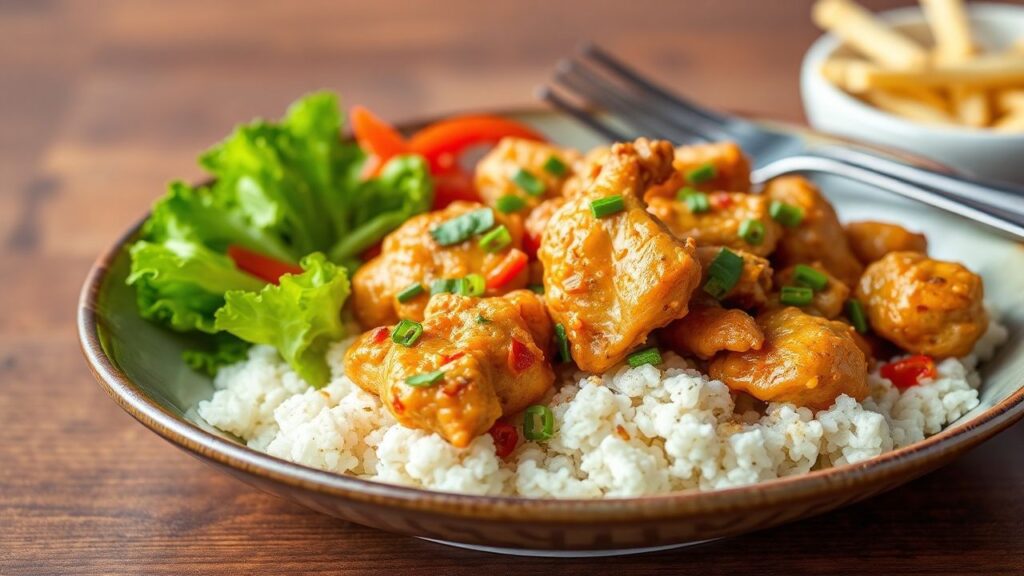
Even with the best intentions, a few common issues can arise. Understanding these pitfalls and their solutions is key to consistent success.
The Soggy Cashew Conundrum
The most frequent complaint is soggy cashews. This happens when cashews are added too early in cooking, or when cooked alongside moist ingredients for too long.
[WARNING]Pro-Caution: Always toast your cashews separately and add them at the very last minute, just before serving, to ensure maximum crunch. If your sauce is particularly wet, consider adding them after the chicken is sauced and plated, tossing them in the serving bowl.
Sauce Consistency Woes
Too thin or too thick can be equally disappointing. If the sauce is too thin, it won’t coat ingredients properly. If it’s too thick, it can become gummy or overpowering.
The solution lies in the cornstarch slurry. If the sauce is too thin, prepare an extra tablespoon of cornstarch mixed with a tablespoon of cold water and whisk it into the simmering sauce. If it’s too thick, add a splash of water or chicken broth and stir until the consistency is right.
Chicken Overcooking
Dry, tough chicken is a cardinal sin. This often occurs when chicken breast is overcooked, or when the pan is too crowded, preventing proper searing.
[TIP]Expert Insight: For chicken breast, consider cutting it slightly larger and then slicing it after it’s cooked through but still tender. Alternatively, a quick marinade with cornstarch and a bit of oil can create a protective layer that helps retain moisture. Cooking in batches is non-negotiable for achieving a good sear.
Nutritional Considerations and Healthier Adaptations
While Cashew Chicken is a delightful indulgence, healthier adaptations are possible without sacrificing flavor.
Reducing Sodium and Sugar
Using low-sodium soy sauce and reducing added sugar can significantly lower sodium and sugar content. Natural sweeteners like a touch of honey can also be used sparingly.
Leaner Protein and Added Vegetables
Opting for chicken breast and increasing the quantity and variety of vegetables will boost fiber and nutrient intake while reducing overall calories and fat.
Cooking Oil Choices
Utilizing healthier cooking oils like avocado oil or grapeseed oil, which have higher smoke points suitable for stir-frying, can be a good alternative to more common vegetable oils.
According to the American Heart Association, reducing intake of added sugars and sodium are key recommendations for cardiovascular health. Modifying traditional recipes like Cashew Chicken to align with these guidelines is a practical way to enjoy flavorful food while supporting well-being.
The Cultural Significance and Global Appeal
Cashew Chicken, while often associated with Chinese-American cuisine, draws inspiration from various Asian culinary traditions. The use of stir-frying, soy sauce, and nuts as a flavor and textural enhancer is common across many East and Southeast Asian cuisines. Its adaptation into Western palates has made it a global phenomenon, proof of its inherent deliciousness and adaptability.
The dish’s popularity highlights how fusion cuisine can create enduring favorites. It represents a bridge between traditional flavors and evolving tastes, making it a staple on menus worldwide. Research published in the Journal of Culinary Science & Technology has explored how immigrant cuisines adapt and thrive, with dishes like Cashew Chicken serving as prime examples of this culinary evolution and widespread appeal.
Frequently Asked Questions
What is the best type of chicken to use for Cashew Chicken?
Chicken thighs are generally recommended for their superior moisture and tenderness, leading to a more forgiving dish. However, chicken breast can be used if a leaner option is preferred, but requires careful cooking to avoid dryness. Ensure the chicken is cut into uniform, bite-sized pieces for even cooking.
How can I ensure my cashews stay crunchy?
The key is to toast them separately and add them only at the very end of the cooking process, just before serving. This prevents them from becoming soggy from the sauce or steam. Overcooking the dish after adding cashews will also diminish their crunch.
What makes Cashew Chicken taste like it’s from a restaurant?
Restaurant-style Cashew Chicken often achieves its depth of flavor through techniques like proper searing of the chicken, the use of specific ingredients like Shaoxing wine and oyster sauce in the sauce, and precise sauce thickening. Mastering the balance of savory, sweet, and tangy elements in the sauce is also crucial.
Can I make Cashew Chicken ahead of time?
While the sauce can be made ahead, it’s best to cook the chicken and assemble the dish just before serving to maintain optimal texture, especially for the cashews and the crispiness of the chicken. If you must prepare it in advance, consider keeping the sauce separate and reheating it to toss with freshly cooked chicken and toasted cashews.
What are some common vegetables to include in Cashew Chicken?
Popular additions include onions, bell peppers (various colors), celery, and peas. These vegetables add color, texture, and nutritional value. They should be stir-fried briefly to maintain a tender-crisp quality.
Final Recommendations: Mastering Your Cashew Chicken
Creating Cashew Chicken that rivals your favorite takeout is an achievable goal. It’s about attention to detail: the marinade and searing of the chicken, the fragrant toasting of the cashews, and the artful balance of flavors in the sauce. Don’t be afraid to experiment with the sweetness and tanginess of the sauce to suit your palate. Remember, the process is as rewarding as the delicious outcome. With these insights, you’re well-equipped to create a truly unforgettable Cashew Chicken experience in your own home.
See also: Cashew Chicken